
Pruning
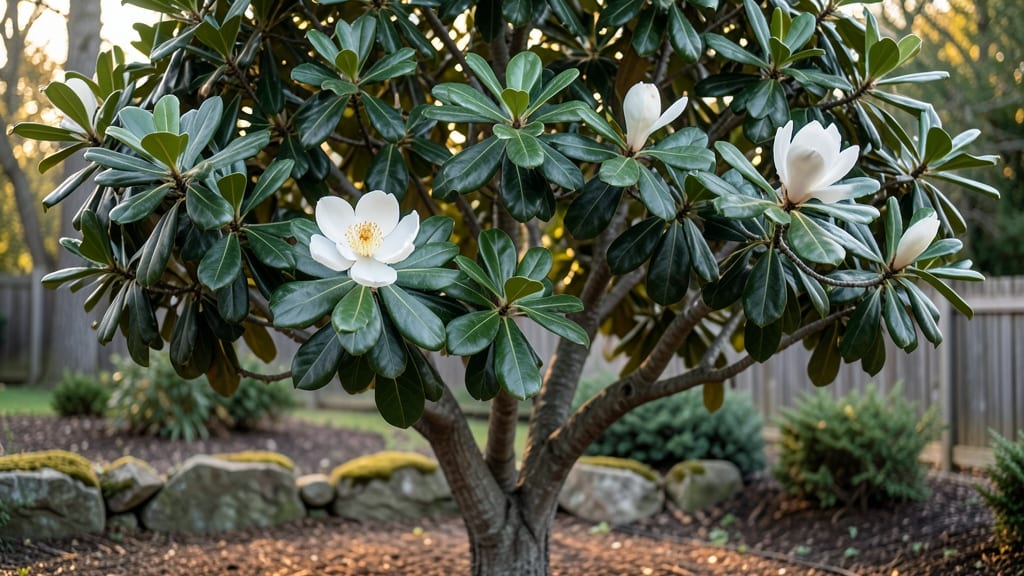
Pruning a large leaf magnolia tree transforms it from a wild shrub into a showstopping landscape centerpiece—but get the cuts wrong, and you’ll end up with a sad, leggy mess. 🌿 I’ve pruned these stunners for years, and the secret lies in understanding their natural shape and growth patterns.
These trees grow 20-30 feet tall with glossy, leathery leaves that stay lush year-round, but they hate aggressive pruning—they bloom on old wood, so timing matters.
The best time to prune is late winter or early spring, just as new growth begins. You’ll want sharp bypass pruners, a sturdy ladder, and a clean workspace to prevent disease.
Most pruning should focus on removing dead or crossing branches—never cut more than 25% of the canopy at once. The goal is to maintain that natural, vase-like shape while encouraging dense foliage.
When done right, your magnolia will reward you with glossy green leaves that shine like polished jade and fragrant summer blooms that attract hummingbirds. The key is patience—these trees grow slowly, so each cut should be intentional.
After pruning, give it a deep watering and a layer of mulch to help it recover.
For best results, avoid pruning in fall when pests are active, and never remove more than a third of the branches in one season. Pair your magnolia with shade-tolerant perennials like hostas or ferns to create a lush, low-maintenance understory.
With the right approach, your large leaf magnolia will become the star of your garden for decades.
📚 In This Guide
- What you need
- Instructions
- Tips and common mistakes
- Wrapping up and next steps
What you need
- ● Pruning shears: Bypass pruners (for cuts up to ½ inch thick) – 1 pair (e.g., Felco or Fiskars).
- ● Loppers: For branches ½ to 2 inches thick – 1 pair (look for ratcheting handles for leverage).
- ● Pruning saw: For thick branches (2+ inches) – 1 heavy-duty saw (e.g., concave-edge for clean cuts).
- ● Gloves: Heavy-duty, cut-resistant – 1 pair (to protect from thorns and sap).
- ● Disinfectant: 70% rubbing alcohol or pruning sealant – small bottle (prevents disease spread).
- ● Ladder or step stool: Extendable (12–20 ft) – 1 unit (ensure stability!).
- ● Tarp or drop cloth: Medium-sized – 1–2 (to catch debris).
- ● Sharpie or marker: Permanent – 1 (for marking cuts if needed).
- ● Pruning paint: Tree wound dressing (for large cuts > 2 inches).
- ● Extension pole: For high branches (attach shears/loppers).
- ● Work boots: With ankle support (for stability on uneven ground).
- ● Safety glasses: To shield from falling debris.
- ● Notebook: For tracking pruning notes (dates, branch sizes, etc.).
- ● Check local regulations: Some areas restrict pruning during nesting seasons (spring/summer).
- ● Research your tree’s age: Mature magnolias (20+ years) may need professional help for large branches.
- ● Timing: Prune late winter to early spring (before buds swell) for best results.
- ● Weather: Choose a dry, calm day to avoid sap splatter or wet conditions.
Instructions for pruning large leaf magnolia trees
Here's my foolproof method for keeping your magnolia's bold foliage thriving year-round.
🌿 Step 1: Time Your Pruning for Optimal Growth
Prune your large leaf magnolia immediately after flowering in late spring—this ensures you don't accidentally remove next year's bloom buds. I always wait until after the first flush of flowers falls, usually around May or June, depending on your climate zone. This timing gives the tree energy to recover before summer heat stress.
Never prune during dormancy in winter—magnolias are late bloomers, and winter cuts remove next year's flower buds before they form. If you must do light maintenance, early spring before buds swell is your only other window, but I avoid it entirely to preserve that dramatic spring display.
✂️ Step 2: Use Sharp Tools and the Right Cuts
Grab your clean, sharp pruning shears—dull blades tear bark and invite disease. Make all cuts at a 45-degree angle, about ¼ inch above a bud or branch collar where the branch meets the trunk. This angled cut prevents water from pooling and rotting the wound.
Remove only dead, diseased, or crossing branches—never more than 25% of the tree's canopy at once. Large leaf magnolias respond poorly to heavy pruning. Look for branches that rub against others or grow inward; these compete for sunlight and weaken the tree's structure. Cut back to the closest outward-facing bud.
☀️ Step 3: Thin the Canopy for Better Airflow
Step back and study the tree's shape. Your goal is to create an open vase form that lets sunlight penetrate to the inner branches. Remove branches that block light from reaching the center—these shaded areas become prime spots for fungal diseases. Focus on the lower third of the tree first, as this promotes upward growth and maintains that iconic magnolia silhouette.
You'll know you've done it right when you can see light filtering through the branches on a sunny day. The outer canopy should form a natural dome while the interior remains airy. Avoid "lion's tailing"—cutting back all branches to stubs—which stresses the tree and produces weak, leggy new growth.
💧 Step 4: Post-Pruning Care for Rapid Recovery
Water deeply right after pruning to help the tree recover. Magnolias have shallow roots, so soak the soil to a depth of 12 inches—you'll know it's enough when water runs out the drainage holes if in a pot. Follow up with a 2-inch layer of mulch around the base (but keep it 6 inches away from the trunk to prevent rot).
Apply a balanced, slow-release fertilizer in early spring to support new growth. I use a 10-10-10 formula at half strength—magnolias are sensitive to over-fertilization, which can burn roots. Monitor the tree weekly for new growth; within 4-6 weeks, you should see fresh leaves emerging from the pruned areas.
Tips & tricks for perfect large leaf magnolia pruning
Mastering the art of pruning your large leaf magnolia transforms it from a wild shrub into a showstopping centerpiece. Here's what I've learned after years of perfecting these precision cuts.
Timing is Everything: The late spring window after flowering—typically May or June—is non-negotiable for large leaf magnolias. I learned this the hard way after accidentally pruning too early and losing next year's blooms. The tree needs that full growing season to recover before winter stress. Mark your calendar based on when your flowers fall, not just the month.
The 45-Degree Angle Secret: When making cuts in Step 2, that 45-degree angle isn't just for looks—it's about survival. The angled cut directs water away from the wound, preventing that dreaded rot that can kill branches. I always test my angle by holding the shears at a 45-degree tilt against a scrap piece of wood first. Think of it as creating a tiny roof that sheds water naturally.
Canopy Vision Test: Before you make any cuts in Step 3, step back and imagine sunlight filtering through your tree. The goal is that open vase form where light reaches every layer. I use a simple trick: hold a flashlight at the tree's center on a sunny day. If you can see shadows through the branches, you're on the right track. This prevents those dark, disease-prone pockets in the center.
Post-Pruning Hydration Hack: That 12-inch deep watering in Step 4 isn't just about quenching thirst—it's about shock prevention. Magnolias have shallow roots, so the water needs to penetrate deeply to reach where the roots are actually growing. I use a garden hose with a gentle spray setting to avoid compacting the soil while achieving that full saturation. Follow up with mulch, but remember: keep it 6 inches away from the trunk to prevent rot.
Pro Tips for Large Leaf Magnolia Tree
- Mastering the art of pruning your large leaf magnolia transforms it from a wild shrub into a showstopping centerpiece.
- Timing is Everything: The late spring window after flowering—typically May or June—is non-negotiable for large leaf magnolias.
- The 45-Degree Angle Secret: When making cuts in Step 2, that 45-degree angle isn't just for looks—it's about survival.
Frequently asked questions
Got questions about keeping your large leaf magnolia tree looking its best? We’ve got answers! Here are some of the most common queries—plus expert tips to keep your tree thriving.
When is the best time to prune a large leaf magnolia?
The ideal time is late winter or early spring (February–March), just before new growth begins. Avoid pruning during active blooming or extreme heat—this can stress the tree. Pro tip: If you must prune in summer, do it in the early morning to reduce water loss.
Can I prune my magnolia tree in fall?
Pruning in fall is not recommended because it encourages tender new growth that may not survive winter frosts. If you spot dead or diseased branches in fall, remove them immediately—but save major pruning for late winter.
How much can I trim back a large leaf magnolia?
Never remove more than 25% of the tree’s foliage in a single session. Large leaf magnolias are sensitive to heavy pruning—over-trimming can reduce flowering and weaken the tree. For dramatic shaping, spread cuts over 2–3 years.
Why are my magnolia leaves turning brown or yellow?
Brown/yellow leaves often signal fungal issues (like anthracnose), overwatering, or nutrient deficiencies. Prune affected branches 1–2 inches below the damage, and improve drainage. For prevention, water at the base (not overhead) and apply fungicide in early spring.
Are there alternatives to large leaf magnolias for low-maintenance shade?
Yes! Consider Southern magnolia (Magnolia grandiflora) (hardier, salt-tolerant) or saucer magnolia (Magnolia × soulangeana) (early blooms, easier pruning). For no-fuss shade, try live oak or crepe myrtle. Always check your USDA zone for compatibility!
Wrapping up and next steps
Pruning your large leaf magnolia tree is all about balancing beauty and health—one precise cut at a time! 🌿 With the right tools, timing, and techniques, you’ll keep those stunning evergreen leaves lush while ensuring your tree thrives for years.
Whether you’re tackling dead branches or shaping for drama, confidence grows with every snip.
Ready to elevate your green thumb game? Start small—pick one branch this weekend and practice your cuts! Before you know it, your magnolia will be the star of the neighborhood. Happy pruning! ✂️