
Pests and Diseases
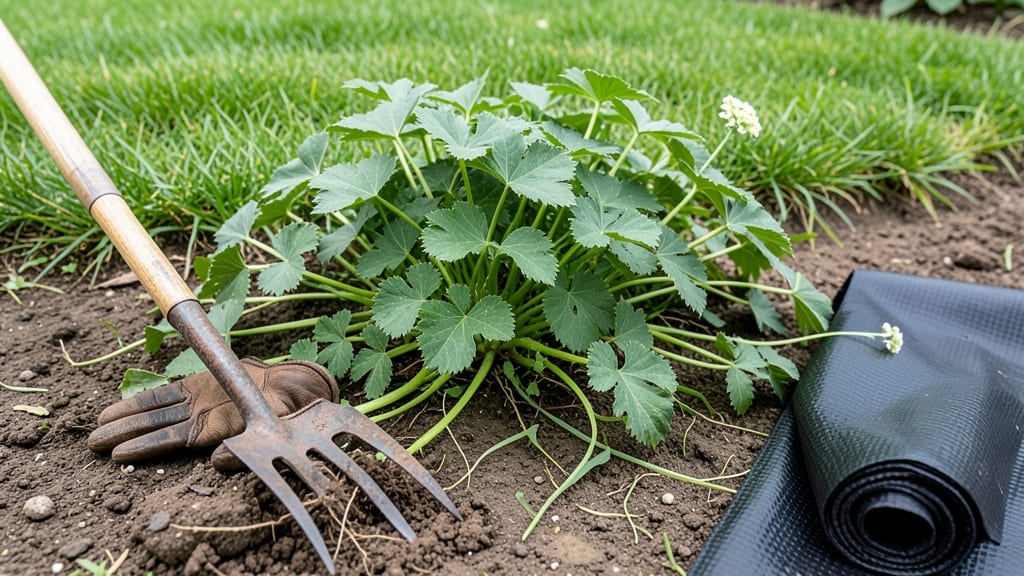
Those large-leaf weeds in the UK can turn your garden into an overgrown jungle if you don’t tackle them early. I’ve spent years battling these stubborn weeds, and the key is a targeted pulling technique that starves their roots before they regrow.
The difference between a tidy border and a weed-infested mess often comes down to timing and persistence—something I learned after my first failed attempt left fragments sprouting everywhere.
These weeds thrive in UK gardens because they spread aggressively through underground runners. Ground elder, for example, can regrow from tiny root fragments, while docks send up new shoots from deep rhizomes. The solution isn’t brute force—it’s precision.
Using a fork to loosen the soil before pulling and removing the entire root system (even the smallest pieces) is what actually works. Organic mulches like cardboard or gravel can suppress regrowth, but only if applied correctly after removal.
You’ll know you’ve done it right when your garden stays clear for at least six weeks—no new shoots pushing through. The effort pays off in less weeding later, healthier plants competing for nutrients, and a garden that looks intentionally designed rather than overrun.
This method works for ground elder, bindweed, and even stubborn docks, though bindweed may require repeat treatments over multiple seasons.
Seasonal timing matters too. Spring and early autumn are the best times to attack these weeds, when the soil is workable and the plants are actively growing. Avoid pulling in dry conditions, as the roots will be harder to remove completely.
With consistency, your garden will transform from a battleground to a manageable space where weeds don’t stand a chance.
📚 In This Guide
- What you need
- Instructions
- Tips and common mistakes
- Wrapping up and next steps
What you need
- ● Garden gloves – Heavy-duty, waterproof gloves (e.g., Fibretex or Foxglove) to protect your hands from thorns and sap.
- ● Weed puller or garden fork – A sturdy, long-handled tool (like a Fiskars weed puller) for deep-rooted weeds.
- ● Pruners or secateurs – Sharp, bypass-style pruners (e.g., Felco) for cutting thick stems at the base.
- ● Garden trowel – A stainless-steel trowel (8–10 inches) for loosening soil around roots.
- ● Wheelbarrow or bucket – A 10–15 gallon container for collecting weeds and debris.
- ● Hose or watering can – To dampen soil before pulling (reduces breakage).
- ● Compost bin or black plastic bags – For disposing of weeds (seal bags to prevent regrowth!).
- ● Vinegar or herbicide – 20–30% acetic acid vinegar (for spot treatment) or a glyphosate-free weed killer (follow label instructions!).
- ● Kneeling pad – A cushioned, non-slip pad for comfort during long sessions.
- ● Root barrier cloth – If replanting, use a landscape fabric to block future weed growth.
- ● Sunscreen & hat – Because UK weather can be unpredictable! ☀️
How to remove large-leaf weeds with stubborn roots
Stubborn weeds like dock, nettle, and ground elder need more than a quick tug—they demand strategy. Here’s how to pull them cleanly without leaving regrowth.
Identify and Prepare the Work Area
First, confirm the weed type—large leaves with deep roots often include dock, nettle, or ground elder. Kneel or crouch near the plant to avoid back strain, and wear gloves to protect your hands from prickles or sap. Clear the area of debris and loose soil so you can see the root structure clearly.
Use a garden fork to loosen the soil around the weed’s base. Drive the fork in about 2 inches from the stem and twist gently to break up the soil. This makes pulling easier and reduces the chance of snapping roots underground. If the soil is hard, water the area lightly the day before to soften it.
Grasp and Lever the Weed
Position your hands at the base of the weed where the stem meets the soil. For broadleaf weeds, grip firmly but avoid crushing the stem—you want to pull, not tear. If the weed is thick, use a weeding fork or a sturdy trowel to pry the soil away from the roots first.
Apply steady pressure while twisting the weed slightly as you pull upward. Stubborn roots often resist, so don’t yank—use a slow, consistent motion. If the weed resists, stop and loosen more soil around the roots before trying again. You’ll know you’ve done it right when the entire root ball comes out cleanly.
Inspect and Remove All Root Fragments
Examine the pulled weed closely for any broken roots or rootlets still clinging to the soil. Even small fragments can regrow into new weeds. Use your fingers or a small hand fork to dig out any remaining pieces from the soil. Pay special attention to the edges of the hole where roots might be hidden.
For particularly stubborn weeds like ground elder, consider soaking the area with a vinegar and salt solution (1:1 ratio) after pulling to kill any lingering roots. Avoid this method near desirable plants, as it can harm them too. Rinse the area with water afterward to prevent soil damage.
Fill the Hole and Prevent Regrowth
Once the area is clear of roots, fill the hole with fresh soil or compost to level the ground. Press down lightly to eliminate air pockets, which can encourage new weeds to sprout. For high-risk areas, apply a 2-3 inch layer of mulch (such as wood chips or straw) to block sunlight and suppress future growth.
Water the area lightly to help the soil settle and encourage any remaining weed seeds to germinate so you can pull them before they establish. Regular monitoring and repeat treatments are key—weeds often return if you don’t stay vigilant.
Dispose of Weeds Properly
Never leave pulled weeds on the compost pile, as they can regrow and spread seeds. Instead, bag them and dispose of them in your garden waste bin. If the weeds are particularly invasive, burning them (where legal) is the most effective way to ensure they don’t resprout.
For large quantities of weeds, consider using a heavy-duty black plastic sheet to smother the area for several weeks. This method works well for persistent weeds like bindweed and is a low-effort way to prevent regrowth without chemicals.
Tips & tricks for stubborn weed removal
Took me years of gardening battles to learn these weed-pulling secrets—don't make my mistakes!
Soil Prep is Everything: In Step 1, that 2-inch soil loosening around the weed's base is non-negotiable. I learned this the hard way after snapping off ground elder roots that grew back thicker than ever. For really stubborn weeds, work the garden fork in a small circle around the base first—this creates a clean break zone when you pull. If your soil is particularly hard, consider soaking it with water 24 hours ahead of time rather than just lightly dampening.
Grip Technique Matters: When you reach Step 2, don't just grab and yank—position your hands at the soil line where the stem meets the earth. I used to crush stems by gripping too high, which made the weeds regrow from the broken parts. For thick weeds like dock, wrap your fingers around the base like you're giving it a firm handshake, then pull upward with steady pressure while twisting slightly. This leveraging action is what breaks the root cleanly at the soil level.
Root Inspection is Critical: Step 3's root fragment check saved me countless repeat sessions. After pulling, I now run my fingers along the entire hole's edge—especially the sides—because that's where stubborn rootlets hide. For ground elder specifically, I've found that even a 1-inch fragment can regrow into a full plant. If you're dealing with multiple weeds in one area, consider using a small hand fork to gently loosen the soil around the hole after pulling to catch any hidden roots.
Mulch Layering Strategy: In Step 4, that 2-3 inch mulch layer isn't just decoration—it's your best defense against regrowth. I've seen weeds poke through thinner layers, so don't skimp. For high-risk areas, I recommend using a combination of straw (which decomposes) and wood chips (which last longer) for a two-layer defense. The straw blocks light initially while the wood chips provide long-term suppression. Just make sure to keep the mulch at least 2 inches away from plant stems to prevent rot.
Pro Tips for Large Leaf Weeds Uk
- Took me years of gardening battles to learn these weed-pulling secrets—don't make my mistakes!
- Soil Prep is Everything: In Step 1, that 2-inch soil loosening around the weed's base is non-negotiable.
- Grip Technique Matters: When you reach Step 2, don't just grab and yank—position your hands at the soil line where the stem meets the earth.
Frequently asked questions
What are the most common large leaf weeds in the UK?
Large leaf weeds like bindweed (Convolvulus arvensis), dock (Rumex spp.), and nettles (Urtica dioica) are the usual culprits. Bindweed, in particular, is notorious for its deep roots and aggressive spread, while dock and nettles thrive in disturbed soil. Identifying them early makes removal easier—so keep an eye out for those broad, tenacious leaves!
When is the best time to pull large leaf weeds?
The ideal time is spring or early autumn, when the soil is moist but not waterlogged. Avoid pulling in peak summer—the heat stresses plants, but it also makes them harder to uproot. Early morning or late evening works best, as the ground is damp and weeds are less rigid. Pro tip: Don’t let them go to seed! Cutting flower heads before they release spores saves you future headaches.
What’s the best alternative if pulling doesn’t work?
If weeds keep regrowing, try a combination approach:
- Vinegar spray (20-30% acetic acid): Effective for non-organic control, but repeat applications may be needed.
- Mulching: Smother weeds with cardboard or thick mulch to block sunlight.
- Manual digging: For deep roots like bindweed, use a dandelion digger or fork to break them up.
For persistent infestations, consider professional help—some weeds (like bindweed) can take years to fully eradicate.
Why do weeds keep growing back after I pull them?
Weeds often regrow because you didn’t remove the entire root system. Large leaf weeds like bindweed can have roots up to 10 feet deep! Focus on digging deep (6+ inches) and checking for any remaining root fragments. If you spot new shoots, pull them immediately—they’re likely regrowth from leftover roots. Patience and persistence pay off!
Can I reuse soil where large leaf weeds grew?
Yes, but sterilize it first! Weed-infested soil can harbor seeds and roots. Solarize the area by covering it with clear plastic for 4-6 weeks in hot weather, or mix in compost or well-rotted manure to improve soil health. Avoid planting in the same spot for a season if the weeds were severe—rotate crops or use raised beds to break the cycle.
Still stumped? Drop your specific weed type or garden setup in the comments—we’re happy to help you tailor a solution!
Wrapping up and next steps
Dealing with large leaf weeds in the UK doesn’t have to feel like a losing battle—especially when you’ve got the right technique up your sleeve! 🌱 Whether it’s stubborn docks, nettles, or bindweed, targeted pulling with the root ball method ensures they stay gone for good.
Remember, consistency and patience are your best allies, so keep an eye on those regrowth spots!
Ready to reclaim your garden? Start small—pick one patch this weekend, gather your tools, and put this method into action. Before you know it, your lawn or borders will be weed-free and thriving! 🌟 Need a refresher? Revisit our FAQs for extra tips on timing and tools.