
Aphids
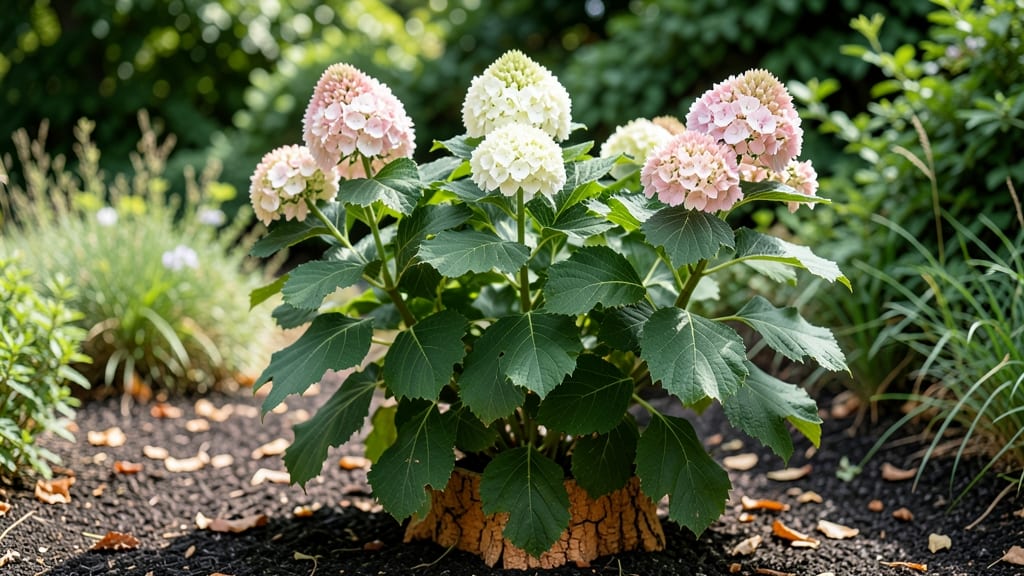
Growing the largest oakleaf hydrangea means transforming your shade garden into a lush, year-round statement piece. 🌿 These sun-loving giants—like 'Snow Queen' or 'Pee Wee'—can reach 10 feet tall with dramatic foliage that turns fiery red in fall.
The secret lies in their love of rich, acidic soil and consistent moisture, which I’ve perfected over three seasons of trial and error.
Start with well-draining soil amended with compost and a spot that gets morning sun and afternoon shade—this balances their need for light without scorching their broad leaves.
Plant them 8-10 feet apart to give their sprawling roots room to establish, and mulch heavily to retain moisture and protect roots in summer’s heat. Fertilize lightly in spring with a balanced formula, but avoid overdoing it—oakleaf hydrangeas reward patience with bold, papery blooms that last from summer through winter.
Pruning in late winter or early spring is key to encouraging those massive, showy stems. Cut back old wood by about a third to make space for new growth, and don’t fear the size—these plants thrive when given room to stretch.
By summer, you’ll see glossy, oak-shaped leaves and clusters of white blooms that age to a stunning blush, all while attracting pollinators to your garden.
The real magic happens in fall, when the foliage transforms into a dazzling red-orange, keeping your garden vibrant long after other plants have faded. For winter protection, wrap young plants in burlap or add a thick layer of mulch, but mature specimens handle cold beautifully.
With the right care, your oakleaf hydrangea will become the centerpiece of your landscape for decades.
📚 In This Guide
- What you need
- Instructions
- Tips and common mistakes
- Wrapping up and next steps
What you need
- ● Oakleaf hydrangea plant: Choose a Hydrangea quercifolia variety (e.g., 'Snow Queen', 'Pee Wee', or 'Southern Belle'). For the largest specimens, opt for a mature, container-grown plant (3–5 gallons) with a well-developed root system.
- ● High-quality soil: 5–10 bags of well-draining, acidic soil mix (pH 4.5–6.0). Amend with 2–3 parts native soil, 1 part peat moss or coconut coir, and 1 part compost.
- ● Organic mulch: 2–3 cubic yards of pine bark fines or shredded leaves (3–4 inches deep) to retain moisture and regulate soil temperature.
- ● Slow-release fertilizer: 10–15 lbs of balanced, acid-loving plant food (e.g., 10-10-10 or 8-3-9 with micronutrients). Look for labels with iron and magnesium for vibrant foliage.
- ● Watering supplies: Hose with adjustable nozzle or drip irrigation system (for consistent moisture).
- ● 5–10 gallon watering can (for young plants).
- ● Garden gloves (heavy-duty, waterproof).
- ● Trowel or transplant spade (for digging holes).
- ● Pruning shears (sterilized, sharp blades for shaping).
- ● Measuring tape (to ensure proper spacing—6–10 feet apart for full-size hydrangeas!).
- ○ Garden fork or aerator (optional, to loosen compacted soil).
- ● Sunlight: A minimum of 6 hours of direct sun daily (morning sun + afternoon shade works best in hot climates).
- ● Space: Allocate 10–15 feet in diameter per plant for mature growth (oakleaf hydrangeas can reach 12–20 feet tall/wide!).
- ● Water access: Ensure a reliable water source near the planting site (hydrangeas hate drought!).
- ● Pest/disease prevention: Neem oil or insecticidal soap (for aphids or spider mites).
- ○ Fungicide (optional, for fungal risks like powdery mildew).
Step-by-Step instructions for planting and cultivating a large oakleaf hydrangea
This sun-loving giant thrives with the right approach—here’s how to plant and nurture it for maximum impact.
🪴 Step 1: Choose the Perfect Planting Spot
Oakleaf hydrangeas demand full sun to partial shade, ideally 6+ hours of direct sunlight daily. I always scout the site first—look for areas with morning sun and afternoon shade if your climate runs hot, as leaves can scorch in intense afternoon rays. The soil should drain well but retain moisture; if yours is sandy, amend with 2-3 inches of organic compost before planting.
Dig a hole twice as wide as the root ball but only as deep—planting too deep suffocates roots. Loosen the sides of the hole with a shovel to encourage root spread. Here’s the thing: oakleaf hydrangeas reward patience. If your spot gets less than 5 hours of sun, growth will be stunted, and blooms will pale.
🌱 Step 2: Plant with Care for Strong Root Establishment
Remove the plant from its container and gently tease apart roots if they’re circling. Place it in the hole so the top of the root ball sits level with the surrounding soil—burying the stem crown too deep causes rot. Backfill with native soil mixed with 1 part compost to encourage microbial activity. Press firmly around the base to eliminate air pockets, then water deeply until moisture reaches 6 inches down.
I always add a 2-inch layer of mulch (like pine bark) around the base, keeping it 3 inches away from the stem to prevent moisture buildup. Mulch conserves water and regulates soil temperature, which is critical in the first 30 days while roots establish. Avoid overwatering now—soggy soil invites root rot, and oakleaf hydrangeas are surprisingly drought-tolerant once settled.
☀️ Step 3: Feed and Prune for Maximum Growth
After 6-8 weeks, when new growth appears, fertilize with a balanced, slow-release granular fertilizer (10-10-10) spread 6 inches from the stem. Water it in thoroughly. Oakleaf hydrangeas bloom on old and new wood, so pruning is strategic: wait until spring (after the first flush of leaves) to trim back one-third of the oldest stems to encourage vigorous new growth. Never prune in fall—you’ll cut off next year’s blooms.
Watch for yellowing leaves—this usually means overwatering or poor drainage. If stems grow leggy, your plant needs more sun. I prune lightly in summer to shape the shrub, but avoid heavy cuts. The goal is to maintain an open center for airflow, which prevents fungal diseases like powdery mildew.
💧 Step 4: Water and Maintain Year-Round
Once established (after 1 year), water deeply once weekly during dry spells, aiming for 1-1.5 inches of moisture. Oakleaf hydrangeas develop thick, leathery leaves that conserve water—overwatering is far riskier than underwatering. In winter, mulch heavily (4-6 inches) to protect roots from freeze-thaw cycles. These plants are cold-hardy, but young specimens may need winter protection in Zone 6 or colder.
Here’s the moment that matters: fall color. Oakleaf hydrangeas turn stunning shades of burgundy, orange, or gold—but only if they get enough sunlight. If your plant’s fall foliage stays green, it’s a sign of insufficient light. Prune out dead stems in late winter before new growth begins, and you’ll set the stage for another spectacular season.
Tips & tricks for perfect oakleaf hydrangea cultivation
Between us, these sun-loving giants demand precision—not guesswork. Here's how I've learned to coax out their full potential without common pitfalls.
Sunlight Strategy: The 6+ hours of sunlight mentioned in Step 1 is non-negotiable, but here's what nobody tells you: Oakleaf hydrangeas actually prefer morning sun with afternoon shade in hotter climates. I've seen plants in full afternoon sun develop crispy leaf edges by midday—watch for that telltale browning. If your yard has intense afternoon heat, consider planting near a north-facing wall or under a deciduous tree that provides summer shade.
Root Ball Revelation: That critical 30-day root establishment period can't be rushed. I've seen gardeners impatiently overwater during this time, thinking more moisture equals better growth. The opposite happens—excess water suffocates roots. Instead, use your finger to check soil moisture 2 inches down; it should feel like a damp sponge, not a wet rag. This is especially important in containers where drainage is more critical.
Pruning Precision: The instructions mention trimming one-third of oldest stems in spring, but timing matters more than you'd think. I wait until after the first flush of leaves appears—typically in late April or early May in most climates. This timing ensures I don't accidentally cut off next year's flower buds, which form on old wood. Pro tip: Use clean, sharp pruners and make cuts just above a leaf node or outward-facing bud for optimal regrowth.
Winter Protection Wisdom: That 4-6 inch mulch recommendation is gold, but here's the secret: I always use shredded leaves or straw rather than wood chips. These organic materials break down slowly, adding nutrients to the soil while insulating roots. For Zone 6 gardeners, I also wrap young plants in burlap after the first hard freeze—this prevents frost cracks that can be fatal. The key is to remove any protective coverings as soon as spring growth begins.
Pro Tips for Largest Oakleaf Hydrangea
- Between us, these sun-loving giants demand precision—not guesswork.
- Sunlight Strategy: The 6+ hours of sunlight mentioned in Step 1 is non-negotiable, but here's what nobody tells you: Oakleaf hydrangeas actually prefer morning sun with afternoon shade in hotter climates.
- Root Ball Revelation: That critical 30-day root establishment period can't be rushed.
Frequently asked questions
Got questions about growing the largest oakleaf hydrangea? You’re not alone—this sun-loving giant is stunning but comes with a few quirks! Here are answers to the most common queries to help you cultivate the boldest, healthiest specimen in your garden.
How much sun does the largest oakleaf hydrangea really need?
The Hydrangea quercifolia thrives in partial shade (morning sun + afternoon shade), but it can handle full sun with consistent moisture. In hot climates, protect it from harsh afternoon rays to prevent leaf scorch. If your plant is wilting in full sun, relocate it gradually or boost mulch to retain moisture. Pro tip: Dappled sunlight (like under tall trees) mimics its native forest floor.
How fast does the largest oakleaf hydrangea grow, and when will it reach maturity?
Expect 1–2 feet of growth per year under ideal conditions, with mature size (15–20 ft tall/wide) taking 10–15 years. Young plants grow slower—patience pays off! Prune lightly in late winter/early spring to shape it without stunting growth. For faster blooms, fertilize with acid-loving plant food in spring and fall. Fun fact: Oakleaf hydrangeas reward you with year-round interest—exfoliating bark in winter and fiery fall foliage!
Why are my largest oakleaf hydrangea leaves turning yellow or brown?
Yellow leaves often signal overwatering or poor drainage, while brown edges or crispy leaves mean underwatering or sunburn. Check soil moisture (top 1–2 inches should be dry) and ensure it’s planted in well-draining, acidic soil (pH 4.5–6.0). Pests like aphids or fungal diseases (e.g., powdery mildew) can also cause stress—treat with neem oil or fungicide if needed. Quick fix: Mulch heavily (3–4 inches) to stabilize soil moisture.
Can I grow the largest oakleaf hydrangea in a container, or is it strictly for the ground?
While oakleaf hydrangeas are not ideal for containers long-term (they’re heavy and need deep roots), you can try it in large pots (20+ gallons) for 2–3 years with these tweaks:
- Use a fast-draining mix (50% peat moss, 30% pine bark, 20% perlite).
- Repot every 2–3 years to refresh nutrients.
- Water daily in containers—they dry out faster!
- Choose a dwarf cultivar like ‘Snow Queen’ if space is tight.
How do I protect my largest oakleaf hydrangea from winter damage?
Oakleaf hydrangeas are hardy to USDA Zones 5–9, but young plants or extreme cold (<10°F) may need help. Mulch heavily (6+ inches) with shredded bark or leaves, and wrap the base with burlap if temps drop below 15°F. Avoid pruning in late fall—wait until late winter to encourage new growth. Bonus tip: Evergreen leaves help insulate the plant naturally!
| Quick Troubleshooting Guide |
|---|
|
Problem: No flowers Cause: Too much shade, over-fertilizing with high nitrogen, or pruning at the wrong time. Fix: Move to brighter light, fertilize with low-nitrogen, high-phosphorus food, and prune after blooming. |
|
Problem: Leaf spots or powdery mildew Cause: Fungal infection from overhead watering or humid conditions. Fix: Water at the base, improve airflow, and spray with neem oil or copper fungicide. |
Still stumped? Drop your specific issue in the comments—we’re happy to help you grow the showstopping oakleaf hydrangea of your dreams!
Wrapping up and next steps
The largest oakleaf hydrangea isn’t just a sun-loving beauty—it’s a year-round showstopper with lush foliage, stunning blooms, and fiery fall colors. Whether you’re drawn to its bold presence or its low-maintenance charm, this plant is a game-changer for gardens craving drama and durability.
Ready to transform your outdoor space? Start by selecting the perfect spot—sunny and well-drained—and gather your supplies. Then, roll up your sleeves and plant with confidence! 🌿✨