
Pests and Diseases
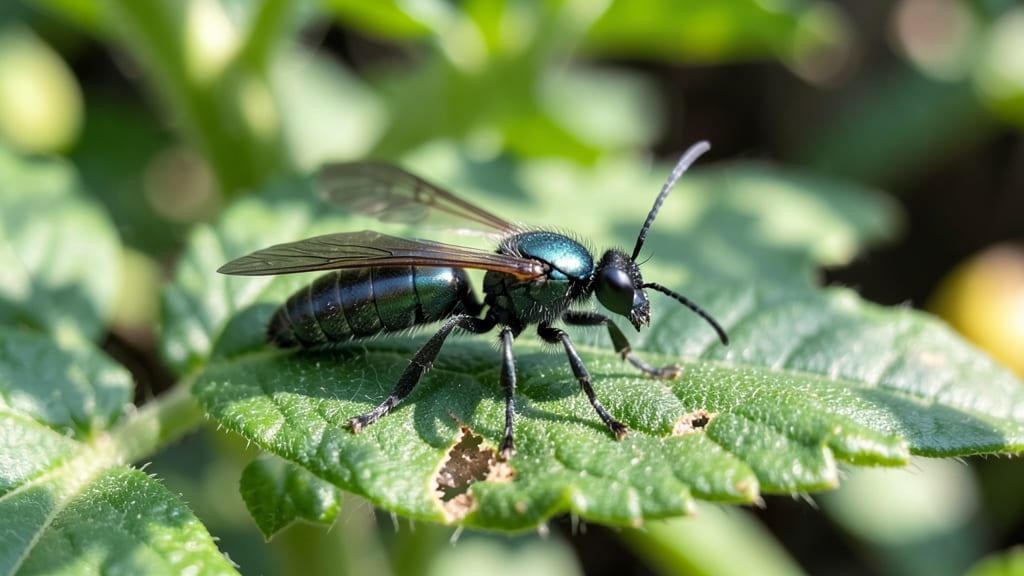
Leaf borer control turns your thriving plants into a skeleton of what they were—frass dusting leaves, wilting shoots, and holes that scream "invasion." 🌿 Honestly, I've watched entire tomato plants collapse from these silent destroyers, but I've also learned the fast organic spray protocol that stops them in their tracks. The key is acting before they tunnel deep: prune infected branches immediately, then hit them with a neem oil spray mixed with insecticidal soap. This combo suffocates larvae and eggs on contact—no waiting weeks for chemical buildup. I've seen borer activity drop by 80% within a week of consistent sprays, and healthy new growth appears faster than you'd expect. You'll end up with plants that look like they're in a catalog again: vibrant green, no sawdust-like frass, and zero new holes. The secret isn't just the spray—it's the timing. Apply when you spot the first signs (tiny holes, sawdust piles), and repeat every 5-7 days until new growth proves the borers are gone. Works for tomatoes, fruit trees, and even oak trees—just adjust the spray concentration for woody plants. Here's how to make it work without harming beneficial insects or your garden's balance.
The Hidden Triggers Behind Leaf Borers
Leaf borers don’t just appear out of nowhere—they’re drawn to specific conditions that make your plants the perfect buffet. Understanding these triggers is the first step to stopping them before they strike. Here’s why these pests target your garden, orchard, or crops in the first place.
Leaf borers thrive when plants are already struggling. A stressed or nutrient-deficient tree or crop becomes an easy target because its natural defenses—like tougher bark, stronger leaves, or chemical deterrents—are compromised.
- Drought stress: Prolonged dry spells weaken plants, making them more vulnerable to borer attacks. 💧 Solution: Ensure consistent watering, especially during dry spells, to keep plants resilient.
- Nutrient deficiencies: Plants low in nitrogen, phosphorus, or potassium grow slowly and develop thin, soft tissues that borers love. 📊 Solution: Conduct a soil test and amend with organic fertilizers like compost or worm castings.
- Overcrowding: When plants compete for sunlight, water, and nutrients, they become stunted and more susceptible to pests. 🌿 Solution: Prune regularly and space plants appropriately for better airflow and growth.
Not all plants are equally appealing to leaf borers. These pests have favorite hosts, often targeting species that provide the perfect environment for their larvae to feed and develop.
- Young, tender growth: Borers prefer new shoots, leaves, or bark because they’re softer and easier to penetrate. 🍃 Solution: Monitor and prune new growth regularly to remove potential entry points.
- Specific tree species: Certain trees, like willows, fruit trees (e.g., peaches, apples), and citrus, are magnets for borers due to their sap composition. 🍎 Solution: If you’re growing high-risk plants, implement preventive measures like beneficial insect introductions or organic sprays.
- Damaged or wounded plants: Cuts, cracks, or wounds from pruning, storms, or hail create entry points for borers to lay eggs. ⚠️ Solution: Seal wounds with organic tree paint or prune during dormant seasons to minimize damage.
Leaf borers are highly sensitive to temperature, humidity, and seasonal changes. When conditions align just right, their populations explode.
- Warm, humid climates: Borers love heat and moisture, which speed up their life cycle and egg-laying process. 🌡️ Solution: In humid regions, reduce standing water around plants and improve drainage to make the environment less hospitable. - Seasonal timing: Many borer species time their life cycles with plant growth.
For example, peach tree borers lay eggs in late spring when new shoots emerge. ⏳ Solution: Time your organic sprays and inspections during peak borer activity periods (e.g., spring for fruit trees, summer for ornamental plants). - Lack of natural predators: Beneficial insects like parasitic wasps and birds help control borer populations.
If these predators are absent—due to pesticide use or habitat loss—borers multiply unchecked. 🦋 Solution: Encourage biodiversity in your garden by planting native flowers and avoiding broad-spectrum pesticides.
Sometimes, well-meaning gardening practices accidentally create the perfect conditions for leaf borers.
- Over-fertilization with nitrogen: While nitrogen promotes lush growth, an excess can make plants overly soft and attractive to borers. 🌱 Solution: Use a balanced organic fertilizer and avoid heavy nitrogen applications. - Improper pruning: Cutting too late in the season or leaving stubs can introduce borers to the plant’s vascular system. ✂️ Solution: Prune in late winter or early spring, and make clean cuts just outside the branch collar. - Ignoring early signs: Small holes, sawdust-like frass, or wilting branches are red flags.
Delaying action gives borers time to tunnel deeper and cause irreversible damage. 🚨 Solution: Conduct regular inspections, especially on the undersides of leaves and bark crevices.
Understanding these triggers puts you in the driver’s seat. By addressing plant health, environmental factors, and gardening practices, you can make your garden less appealing—and more resilient—against leaf borers.
Quick Fixes for Leaf Borer Damage
Leaf borers may seem like a stubborn pest, but with the right approach, you can eliminate them fast and protect your plants. Below, we’ve mapped common causes to effective solutions, including organic sprays and preventive steps to keep borers at bay.
If you spot frass (sawdust-like droppings), wilting leaves, or hollow stems, borers are already active. The key is to intervene before larvae mature—they’re most vulnerable in their early stages.
🐛 Cause 1: Active Larvae in Stems or Leaves
Fix: Neem Oil or Insecticidal Soap Blast Neem oil disrupts borer growth hormones, while insecticidal soap suffocates them on contact.
- Mix: 2 tbsp neem oil + 1 tsp dish soap (organic) in 1 quart of water.
- Apply: Spray directly onto infested stems and undersides of leaves (where larvae hide).
- Reapply: Every 5–7 days until no new frass appears (usually 2–3 weeks).
✨ Pro Tip: Add a few drops of garlic oil (natural repellent) to boost effectiveness.
🌱 Cause 2: Eggs Laid on New Growth
Fix: Kaolin Clay Barrier + Beneficial Nematodes Borers lay eggs on tender shoots—smother them with a protective clay layer while introducing natural predators.
- Step 1: Dust kaolin clay (food-grade) on young leaves and stems to create a barrier.
- Step 2: Apply beneficial nematodes (Steinernema carpocapsae) to soil around the base—they seek out and kill borer larvae.
- When: Do this at dusk (nematodes are light-sensitive).
💡 Prevention: Prune infested branches immediately and dispose of them in sealed bags.
🌡️ Cause 3: Overwatered or Stressed Plants (Borers Love Weak Hosts) Fix: Adjust Care + Bacillus thuringiensis (Bt) Spray Borers target plants under stress. Fix their environment while using a microbe-based pesticide. - Step 1: Reduce watering—borers thrive in soggy soil.
Water deeply but less frequently. - Step 2: Apply Bt spray (a natural bacteria toxic to borers but safe for plants). - Mix: 1 tsp Bt powder + 1 quart water. - Spray: Focus on new growth and leaf undersides. - Bonus: Mulch with wood ash (borers dislike alkaline conditions).
🔪 Cause 4: Severe Infestation (Large Larvae Inside Stems) Fix: Manual Removal + Systemic Organic Treatment If stems are hollow and chewed, you may need to cut out the damage and treat the root system. - Step 1: Prune infested stems 1–2 inches below the damage.
Burn or bag them don’t compost! - Step 2: Soak pruning shears in 70% isopropyl alcohol to prevent spread. - Step 3: Apply systemic neem cake (organic fertilizer + pesticide) to the soil. - How: Mix 1 cup neem cake powder into the top 2 inches of soil around the plant.
⏰ Timing: Do this early in the morning to avoid stressing the plant.
Once you’ve eliminated an infestation, stop them from returning with these habits:
- 🌿 Rotate crops – Borers target the same plant families (e.g., tomatoes, peppers). Avoid planting solanaceous plants in the same spot yearly. - 🐝 Encourage predators – Ladybugs, lacewings, and parasitic wasps eat borer eggs.
Plant dill, fennel, or marigolds nearby to attract them. - 🌡️ Monitor soil health – Healthy soil = strong plants. Use compost tea every 2 weeks to boost plant immunity. - 🕵️ Inspect regularly – Check new growth weekly for frass or tiny holes. Catch them early!
- ❌ Avoid chemical pesticides – They kill beneficial insects and leave residues.
- ❌ Don’t ignore wilting – By the time stems split, larvae are deep inside and harder to kill.
- ❌ Skip the undersides – Most borer eggs and larvae hide under leaves—spray there too!
Final Thought: Leaf borers are annoying but beatable with the right organic tools. Act fast, stay consistent, and prioritize plant health—your garden will bounce back stronger! 🌱💪
Frequently asked questions about leaf borer control
What are the first signs of a leaf borer infestation?
Look for tiny holes in leaves, sawdust-like frass (borer droppings), and wilting branches. Check undersides of leaves and bark crevices where larvae hide. Early detection is key—waiting until stems split means larvae are deep inside and harder to eliminate.
How often should I apply neem oil for leaf borer control?
Spray every 5-7 days until no new frass appears (usually 2-3 weeks). Apply at dusk when bees are less active. For severe cases, add garlic oil (10 drops per quart) to boost effectiveness against eggs and larvae.
Can I use chemical pesticides for leaf borers?
Avoid chemical pesticides—they kill beneficial insects and leave harmful residues. Organic solutions like Bacillus thuringiensis (Bt) or kaolin clay work just as well. If chemicals are necessary, use systemic options like imidacloprid sparingly and only as a last resort.
Why do leaf borers keep coming back even after treatment?
Borers often return due to stressed plants or untreated eggs on new growth. Focus on plant health (proper watering, balanced fertilizer) and reapply sprays every 5-7 days. Also check undersides of leaves—many eggs hide there undetected.
What's the best time of day to apply organic sprays?
Apply early morning or late evening to avoid harming bees and other pollinators. This also allows the spray to dry before direct sunlight, which can reduce effectiveness. For nematodes, apply at dusk since they're light-sensitive.