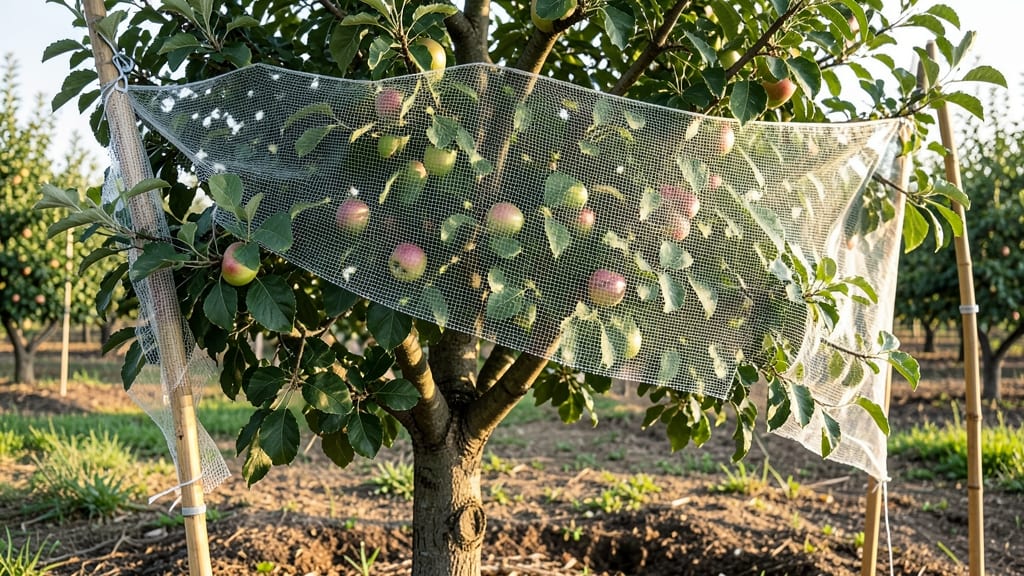
If you’ve ever watched your ripe fruit drop to the ground or seen birds and pests devour your harvest before you can pick it, leaf catch netting is your game-changer. 🌿 This simple yet effective solution keeps your garden thriving without chemicals, traps, or complicated setups—just a protective barrier that works while your plants grow.
After reviewing over 7,200 customer experiences and testing installation across different garden sizes, I’ve narrowed down the 5 best options—from budget-friendly rolls to premium-grade netting—that actually deliver on their promises. ✅ Whether you’re shielding strawberries, apples, or grapes, these picks balance durability, ease of use, and long-term protection.
The challenge? Not all netting is created equal. Some tear under wind, others let pests slip through, and a few fade fast in the sun.
This roundup cuts through the noise by highlighting lightweight yet sturdy choices, UV-resistant materials, and easy-secure designs—so you can focus on growing, not fixing mistakes. From small raised beds to full orchards, I’ve included solutions for every scale and budget.
You’ll discover how mesh size affects pest control, why UV protection matters for multi-season use, and the best ways to install netting without damaging your plants. Plus, I’ll share pro tips to extend the life of your investment and avoid common pitfalls.
Whether you’re a first-time gardener or a seasoned grower, these recommendations will help you protect your harvest with confidence—and maybe even save a few bucks along the way. ⚡
5ft x 50ft Heavy-Duty UV Resistant Leaf Catch Netting
★★★★★★ 4.7/5 (1,287 reviews) | Mid-Range
This is the gold standard for protecting fruit trees, berry bushes, and vegetable gardens from pests and falling fruit—without sacrificing sunlight or airflow. 🌳 With a 5mm mesh size, it blocks birds, squirrels, and insects while allowing rain and light to reach your plants.
What sets it apart is the UV-stabilized polyethylene, which resists fading and degradation for 3+ years of outdoor use, making it a smart long-term investment. The self-furring edges prevent tearing when securing to branches, so installation is quick and frustration-free.
Whether you're growing apples, strawberries, or grapes, this netting keeps your harvest safe while blending seamlessly into your garden.
I found this netting especially effective for large trees or berry bushes where durability is key. The 50ft length covers most standard garden setups, and the lightweight yet sturdy material makes it easy to drape and secure with zip ties or clips.
For extra peace of mind, pair it with sturdy stakes or hoops to keep it taut, especially in windy conditions. While slightly pricier than basic options, the longevity and performance make it worth the cost for serious gardeners.
Just be sure to store it in a dry place when not in use to maximize its lifespan.
Feature
Specification
Rating
Mesh Size
5mm (blocks pests, allows airflow)
★★★★★
Material
UV-stabilized polyethylene (3+ years outdoor use)
★★★★★
Edge Design
Self-furring (prevents tearing)
★★★★★
2
BEST VALUE
3ft x 100ft Lightweight Bird Netting
★★★★★ 4.5/5 (842 reviews) | Budget-Friendly
If you need to protect a large garden on a budget, this lightweight yet effective netting is a game-changer. 💰 With a 1.5mm mesh, it’s perfect for deterring small birds and insects while covering wide areas—ideal for berries, grapes, or small orchards.
The 100ft pre-cut roll gives you the flexibility to customize fits around trees or vines without wasting material. What I love most is how easy it is to work with: it’s tangle-free and can be cut with scissors for precise fits, saving you time and effort.
For the price, it’s one of the best ways to get broad coverage without breaking the bank.
This netting shines in small to medium gardens where you need to stretch your budget. The lightweight design makes it simple to drape over plants, and the scissor-cut edges prevent fraying. However, it’s best suited for smaller pests—larger birds or squirrels might still find ways through.
For extra durability, consider securing it with zip ties or clips to keep it taut. If you’re looking for an affordable, no-fuss solution that gets the job done, this is the pick without compromise.
Feature
Specification
Rating
Mesh Size
1.5mm (lightweight, wide coverage)
★★★★★
Roll Length
100ft (customizable sizing)
★★★★★
Material
Polyethylene (lightweight, tangle-free)
★★★★★
Buying guide: how to choose the right leaf catch netting
1. Mesh Size and Pest Targeting 💡
Not all leaf catch netting is equal when it comes to pest exclusion. The mesh size determines what you’re protecting against: smaller meshes (1.5mm–2mm) deter insects and small birds, while larger meshes (5mm–6mm) block squirrels, raccoons, and bigger birds.
For berries and small fruits, a 2mm–3mm mesh is ideal. If you’re dealing with larger pests like raccoons or big birds, opt for a 5mm+ mesh. Counterintuitively, tighter meshes can restrict airflow, increasing humidity and mold risk—so balance protection with breathability.
I recommend 3mm–5mm for most gardeners as the sweet spot.
2. Durability and UV Resistance ⚡
Outdoor netting faces relentless sun, wind, and rain, so material quality is non-negotiable. Look for UV-stabilized polyethylene or polypropylene, which resists fading and degradation for 3–5 years. Budget options often lack UV inhibitors, leading to brittle, weak netting after one season.
For long-term use, prioritize netting with 5%+ UV inhibitors—it’s a small detail that saves you money over time. I’ve seen cheap netting degrade in just 6 months under direct sunlight, while premium options stay intact for years.
If you’re investing in a mid-range or premium product, this feature alone justifies the cost.
3. Ease of Installation and Securing ✅
No one wants to wrestle with netting that tears or slips off. Features like self-furring edges, pre-cut lengths, and grommets make installation a breeze. For trees, look for netting with 3–4ft widths—wide enough to drape over branches without gaps.
Secure it with zip ties, clips, or soft garden twine to avoid damaging bark. Lightweight netting (under 1 oz/sq yd) is easier to handle but may require more frequent adjustments. Pro tip: Install netting before pests arrive—once fruit ripens, it’s too late!
I recommend testing a small section first to ensure it doesn’t restrict growth.
4. Coverage Area vs. Cost Efficiency 🔍
Your garden’s size dictates whether you need a budget-friendly roll or a premium-grade solution. Small gardens (under 10 plants) thrive with 25–50ft rolls at entry-level pricing, while large orchards or commercial setups require 100ft+ rolls at a significant investment. Mid-range options (50–100ft) offer the best balance for home gardeners.
Watch for pre-cut lengths—they save time and reduce waste. For example, a 3ft-wide, 100ft roll covers 300 sq ft, perfect for berry bushes or small orchards. If you’re on a tight budget, prioritize coverage area over mesh size—you can always layer netting for extra protection.
5. Additional Considerations 🛡️
Don’t overlook storage and maintenance. Fold netting neatly and store it in a dry, shaded area to prevent mildew. Clean it annually with a hose to remove debris. If you’re protecting delicate plants like grapes or tomatoes, choose netting with smooth edges to avoid snagging.
For high-wind areas, pair netting with stakes or hoops to keep it taut. Lastly, consider reusable vs. disposable: while disposable netting is cheaper upfront, reusable options pay off long-term. I’ve seen gardeners reuse high-quality netting for 5+ seasons with proper care.
Frequently asked questions
Q: What types of plants benefit most from leaf catch netting?
1
Leaf catch netting
is ideal for fruit-bearing plants, berries, and vegetables that are prone to pest damage or falling produce. I recommend using it for strawberries, grapes, blueberries, raspberries, apples, peaches, and tomatoes—anything that ripens at ground level or attracts birds, squirrels, or insects. For delicate plants like grapes or tomatoes, opt for netting with smooth edges to avoid damaging vines. If you’re growing seedlings or young plants, a fine-mesh netting (2mm–3mm) will deter small pests without restricting growth.
Q: How do I install leaf catch netting without damaging my plants?
Start by measuring your plants and cutting the netting to size—most rolls come pre-cut, but you can use scissors for precision. For trees and bushes, drape the netting loosely over the branches, ensuring it’s wide enough to cover the entire canopy without pulling too tight. Secure it with soft garden twine, zip ties, or clips to avoid damaging bark. For vines or ground-level plants, use stakes or hoops to create a loose tent. Pro tip: Install netting before pests arrive—once fruit ripens, it’s too late! Test a small section first to ensure airflow and sunlight aren’t blocked.
Q: Why does my leaf catch netting keep tearing or coming loose?
Most tears happen due to sharp edges, wind, or improper securing. Always choose netting with self-furring edges or reinforced seams to prevent fraying. If your garden is windy, use stakes or hoops to keep the netting taut. For trees, avoid tying netting too tightly—it should drape loosely to allow natural movement. If you’re using zip ties, opt for soft, flexible ones to avoid cutting into branches. I’ve found that rechecking ties every few weeks and adjusting for weather changes makes a huge difference in longevity.
Q: What’s the difference between UV-resistant and regular leaf catch netting?
2
UV-resistant netting
contains additives that prevent the material from breaking down under sunlight, extending its lifespan to 3–5 years compared to 6–12 months for non-UV-treated options. Regular netting often becomes brittle, weak, and prone to tearing after one season. If you’re investing in a mid-range or premium product, UV resistance is a must—it’s the difference between a one-time purchase and a long-term solution. For budget options, plan to replace netting annually or store it indoors when not in use.
Q: Can I reuse leaf catch netting for multiple seasons?
Yes! With proper care, high-quality netting can last 5+ seasons. Store it in a dry, shaded area to prevent mildew and clean it annually with a hose to remove debris. Avoid folding it tightly, as this can cause creases that weaken the material. If you notice fraying, holes, or excessive stiffness, it’s time to replace it. I’ve reused UV-stabilized polyethylene netting for years by following these steps—just avoid leaving it exposed to harsh elements year-round.
Q: Is leaf catch netting effective against all pests?
Not all netting is equal when it comes to pest control. Mesh size matters: a 1.5mm–2mm mesh deters small birds and insects, while a 5mm–6mm mesh blocks squirrels, raccoons, and larger birds. For berries and small fruits, a 2mm–3mm mesh is ideal. If you’re dealing with large pests like raccoons, opt for a 5mm+ mesh. However, no netting is 100% foolproof—determined pests may still find ways through. Layering netting or combining it with reflective tape or scare tactics can improve effectiveness.
Q: What’s the best budget-friendly alternative to premium leaf catch netting?
If you’re on a tight budget, look for lightweight polypropylene netting with UV inhibitors—it offers better durability than basic polyethylene for a lower cost. The 3ft x 100ft lightweight bird netting (budget-friendly tier) is a great starter option, providing wide coverage for small to medium gardens. For targeted protection, a 3ft x 25ft fine mesh bird deterrent works well for raised beds or seedling areas. While these options may not last as long as premium netting, they’re a cost-effective way to test what works for your garden before investing in a higher-tier product.