
Leaf Blower
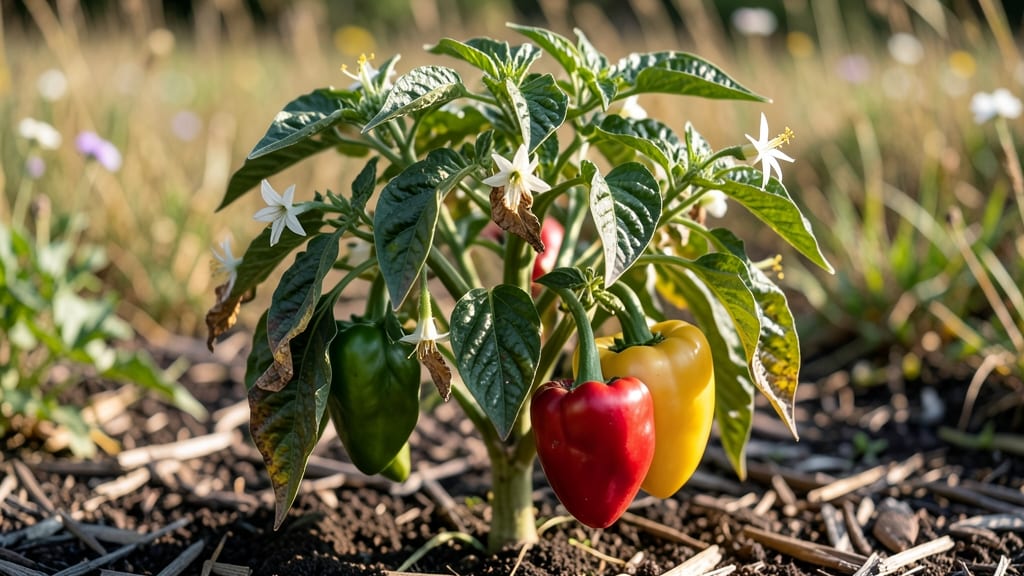
Leaf curl peppers can turn your thriving plants into a frustrating mystery—until you know the real culprits. 🌿 I’ve spent years diagnosing why my pepper leaves pucker, wrinkle, or twist, and the fixes are simpler than you’d think.
The key is spotting the problem early, whether it’s tiny pests hiding on the undersides or environmental stress from too much sun or wind.
First, check the leaf undersides for spider mites or aphids—those tiny invaders love pepper plants and cause curling within days. If no pests appear, look for yellowing or stunted growth, which could mean a viral infection or overwatering.
The good news? Most issues respond to neem oil sprays or proper pruning to improve airflow.
By the time you’ve ruled out pests and environmental stress, you’ll either have a revived plant or know it’s time to pull and replace it. The secret is acting fast—once leaves curl, the damage spreads. I’ve saved dozens of plants this way, and you can too.
This guide covers everything from weekly prevention tips to when to call in reinforcements. No more guessing—just clear steps to keep your peppers healthy and productive all season.
Root Causes of Pepper Leaf Curl
Leaf curl in peppers isn’t just an eyesore—it’s often a cry for help from your plants. Understanding the why behind this distortion is half the battle in fixing it. Below, we break down the most common triggers, complete with science-backed explanations and actionable clues to spot them early.
Culprit: Tomato leaf curl virus (ToLCV) or Pepper mild mottle virus (PMMoV) Leaf curl viruses are spread by sap-sucking insects (like whiteflies and aphids) or contaminated tools/seedlings. These pathogens hijack plant cells, disrupting normal growth hormones (cytokinins and auxins) and causing leaves to twist, pucker, or curl upward like a frustrated hand.
🔍 How to spot it:
- Stunted growth paired with yellowing veins (a classic viral symptom).
- Whiteflies clustering on undersides of leaves (they’re the virus taxi service).
- Symptoms appearing after warm, humid spells (viruses thrive in heat).
⚠️ Why it’s tricky: Viruses can’t be cured—only prevented. Once infected, plants rarely recover, so removal is key.
Culprits: Extreme heat, drought, or sudden temperature swings Peppers are tropical at heart but can’t handle consistent temps above 90°F (32°C) or drought stress. When roots struggle to deliver water, leaves curl as a desperate attempt to reduce water loss (a survival tactic called transpiration control).
🔍 How to spot it:
- Upper leaves curl first (older leaves stay flat).
- Soil feels bone-dry 1–2 inches deep (stick your finger in—if it’s parched, it’s a drought).
- Wilting during the day but perking up at night (heat stress).
💡 Pro tip:
- Mulch heavily (straw or wood chips) to retain moisture.
- Shade cloth (30–50%) during heatwaves—peppers prefer 70–85°F (21–29°C) day temps.
- Drip irrigation (not overhead) to keep roots cool and hydrated.
Culprits: Over-fertilization (especially nitrogen) or magnesium/calcium deficiencies Too much nitrogen = soft, fast-growing leaves that curl when stressed. Meanwhile, magnesium (Mg) or calcium (Ca) deficiencies disrupt cell wall integrity, leading to crinkled, cupped leaves.
| Symptom | Likely Cause | Quick Fix |
|---|---|---|
| Yellowing between veins | Magnesium deficiency (chlorosis) | Epsom salt (1 tbsp/gallon water) every 2 weeks |
| Brown leaf edges | Calcium deficiency | Crushed eggshell tea or calcium nitrate |
| Purple stems/leaves | Phosphorus deficiency | Bone meal or rock phosphate fertilizer |
🔍 How to spot it:
- New leaves curl first (nutrient issues start at the top).
- Slow growth despite lush foliage (too much nitrogen = weak roots).
- Soil test reveals imbalances (pH matters—peppers like 6.0–6.8).
Culprits: Spider mites, thrips, or aphids Tiny pests like spider mites pierce leaves to suck sap, causing stippling (tiny white dots) and curling. Their silky webs on undersides are a dead giveaway. Thrips leave behind silver streaks and distorted new growth.
🔍 How to spot it:
- Sticky residue on leaves (honeydew from aphids).
- Fine webbing (spider mites’ calling card).
- Curling starts on youngest leaves (pests target tender growth).
💡 Pro tip:
- Neem oil spray (1 tsp/quart water + dish soap) every 5–7 days.
- Release predatory mites (like Phytoseiulus persimilis) for organic control.
- Prune heavily infested leaves and dispose of them in sealed bags.
Culprits: Alternaria leaf spot or bacterial leaf curl While less common than viruses, fungal infections (like Alternaria) thrive in wet, humid conditions, causing dark spots with yellow halos and curling. Bacterial leaf curl (spread by infected seeds or tools) creates puckered, leathery leaves with water-soaked patches.
🔍 How to spot it:
- Dark spots with concentric rings (fungal).
- Oozing bacterial lesions (press a leaf—if it bleeds, it’s bacterial).
- Symptoms spread upward (older leaves first, then new growth).
⚠️ Why it’s serious: Fungal/bacterial issues worsen in wet foliage—avoid overhead watering and space plants for airflow (18–24 inches apart). Copper fungicide (like Copper Soap) can help, but prevention (sterilized tools, crop rotation) is critical.
How to Fix Leaf Curl Issues
If your peppers are showing signs of leaf curl—whether from pests, disease, or environmental stress—don’t panic! With the right approach, you can often reverse the damage and prevent future problems.
Below are practical, step-by-step solutions tailored to the most common causes of leaf curl in peppers, along with prevention tips to keep your plants thriving.
If your peppers have yellowing, curling leaves with possible spots or stunted growth, a fungal or viral infection may be the culprit.
1. Remove and Dispose of Infected Leaves
🔪 Step 1: Carefully prune any curled, discolored, or wilting leaves using sterilized scissors or pruners (wipe with rubbing alcohol between cuts). 🗑️ Step 2: Do not compost infected plant material—burn or trash it to prevent spread.
2.
Apply Fungicide or Antiviral Treatments 💊 Step 3: For fungal infections (like Alternaria or bacterial leaf curl), spray plants with: - Neem oil (1 tsp per quart of water + a drop of dish soap as a surfactant) - Copper fungicide (follow label instructions) - Baking soda spray (1 tsp baking soda + 1 quart water + a few drops of soap)
🛡️ Step 4: For viral infections (like Tomato Mosaic Virus), remove and destroy the entire plant to stop spread—there’s no cure.
3. Improve Air Circulation & Reduce Moisture
🌬️ Step 5: Thin out overcrowded plants to allow airflow (peppers need 12-18 inches of space). ☀️ Step 6: Water at the base only (avoid wetting leaves) and water in the morning to reduce humidity.
💡 Pro Tip: If humidity is high, use a fan on low near plants to keep air moving without stressing them.
If tiny insects (like aphids, spider mites, or whiteflies) are causing curling, isolate and treat the plants immediately.
1. Blast Off Pests with Water
💦 Step 1: Use a strong spray of water (from a hose or spray bottle) to knock off pests from leaves.
2. Introduce Natural Predators
🐞 Step 2: Encourage beneficial insects like:
- Ladybugs (eat aphids)
- Lacewings (devour spider mites)
- Parasitic wasps (control whiteflies)
🛒 Where to buy: Local garden centers or online (check for organic pest control options).
3. Use Organic Insecticides (If Needed)
🍃 Step 3: For severe infestations, spray with:
- Insecticidal soap (mix 2 tbsp mild soap + 1 quart water)
- Neem oil (also deters future pests)
- Pyrethrin spray (derived from chrysanthemums—use sparingly)
⚠️ Warning: Avoid chemical pesticides—they can kill beneficial insects and harm peppers.
4. Quarantine New Plants
🚫 Step 4: Before adding new plants, inspect them for pests and quarantine for 2 weeks in a separate area.
If leaf curl is due to heat, cold, or poor soil, adjusting growing conditions can quickly reverse the issue.
1. Adjust Watering Habits
💧 Step 1: Peppers hate inconsistent moisture—water deeply 1-2 times per week (check soil 1 inch down; if dry, water). ⏰ Step 2: Mulch with straw or grass clippings to retain moisture and regulate temperature.
2. Protect from Extreme Heat or Cold
☀️ Step 3: If temps exceed 90°F (32°C), provide shade cloth (30-50%) to prevent scorching. ❄️ Step 4: If nights are below 50°F (10°C), use row covers or move pots to a sheltered spot.
3. Amend Poor Soil Conditions
🌱 Step 5: Test soil pH (6.0-6.8 is ideal for peppers) and amend with:
- Compost (for nutrients)
- Sand or perlite (for drainage)
- Balanced fertilizer (10-10-10) (follow label rates)
💡 Pro Tip: Over-fertilizing can cause leaf curl—stick to moderate feeding (every 4-6 weeks).
Once you’ve treated the issue, keep these habits to prevent future leaf curl:
✅ Rotate crops – Don’t plant peppers (or tomatoes) in the same spot yearly (wait 3 years). ✅ Start with disease-resistant varieties – Look for labels like "TMV-resistant" or "bacterial spot-resistant." ✅ Sanitize tools – Wipe pruners with rubbing alcohol before and after use. ✅ Monitor plants weekly – Catch pests or diseases early for easier fixes. ✅ Harvest regularly – Overripe peppers stress the plant—pick when firm and colorful.
By addressing the root cause (whether pests, disease, or environment) and preventing recurrence, your pepper plants will bounce back stronger—and you’ll be on your way to a bountiful, curl-free harvest! 🌶️💪
Frequently asked questions
Why do my pepper leaves curl upward instead of downward?
Upward leaf curling usually signals viral infections (like Tomato Leaf Curl Virus) or severe pest damage from spider mites. Downward curling often means overwatering or nutrient deficiencies. Check leaf undersides for tiny webs or insects first—those are your biggest clues.
Can I still harvest peppers if the leaves are curling?
Yes, but focus on existing peppers rather than waiting for new ones. If curling is from pests or disease, remove infected leaves immediately. For environmental stress (heat/drought), fix watering first—peppers will recover and keep producing if roots stay healthy.
How do I tell if leaf curl is from pests or a virus?
Look for these key differences: Pests leave stippling (tiny white dots) or webbing on undersides, while viruses cause yellowing veins and stunted growth. Test with a magnifying glass—pests are visible, viruses aren't. If you see whiteflies, it's likely viral spread.
Will neem oil work on curled pepper leaves caused by heat stress?
Neem oil targets pests and fungi, not heat stress. For curled leaves from heat, focus on shade cloth (30-50%) and even watering. Neem can help if pests moved in during the stress, but the primary fix is adjusting growing conditions—peppers prefer 70-85°F (21-29°C) days.