
Propagation
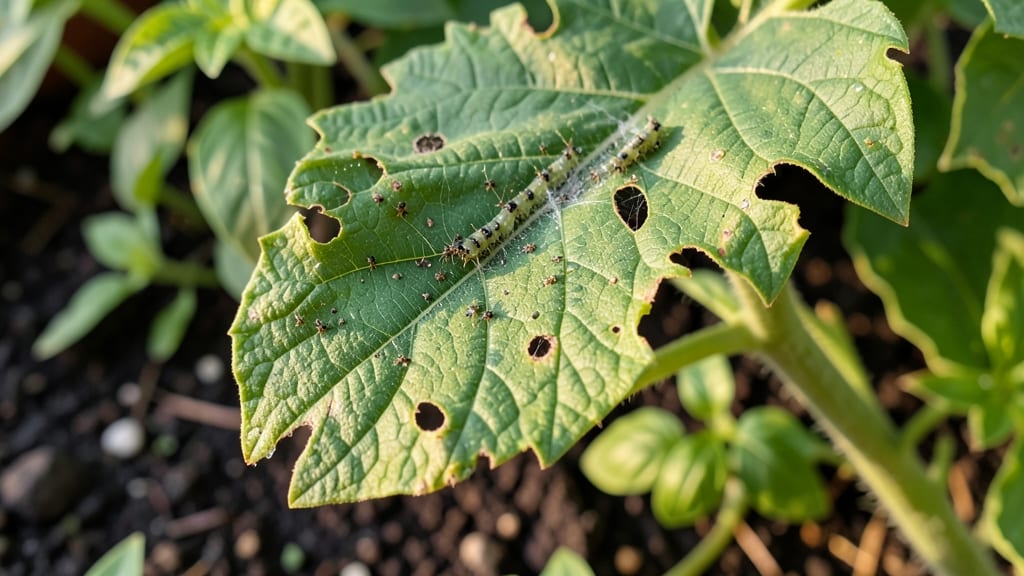
Your once-lush leaves now look like Swiss cheese, but leaf damage from insects is fixable—and you can turn things around fast. 🌿 Insect damage turns vibrant foliage into a sad, skeletonized mess—but there's a way to reverse it using only organic methods that work faster than you'd expect.
Caterpillars, beetles, and aphids are the usual suspects, each leaving behind telltale signs: ragged edges, tiny holes, or sticky residue. The good news? Most damage is repairable with targeted solutions like neem oil sprays, companion planting, or even a simple soapy water wash that banishes pests without harming your plants.
Within 7-10 days of treatment, you'll see fresh growth pushing out, and the chewed edges will fill in. The key is acting fast—before the pests move on to your tomatoes or peppers—and using the right remedy for the specific damage pattern you're seeing.
This works for vegetables, herbs, and ornamentals alike, and the methods scale from a single potted plant to your entire backyard. Let's get those leaves looking healthy again—naturally.
The Real Culprits Behind Leaf Damage
Understanding why insects target your plants is the first step to stopping them. These tiny troublemakers don’t just appear out of nowhere—they’re drawn by specific conditions that make your leaves look like an all-you-can-eat buffet.
Let’s break down the science behind their behavior and how your garden might be unknowingly inviting them over.
When insect populations explode, they quickly outstrip available food sources. This leads to competitive feeding, where species like aphids, caterpillars, and beetles strip leaves of nutrients faster than the plant can recover.
Overpopulation often stems from: - Mild winters: Warmer temperatures allow insects to survive longer, leading to larger broods. - Lack of natural predators: Birds, ladybugs, and parasitic wasps keep pest numbers in check—but if these helpers are missing, pests thrive. - Monoculture gardening: Planting the same species in large groups creates a feast with minimal resistance.
Pro tip: 🌱 Diversify your garden with companion plants (like marigolds or basil) to disrupt pest cycles and attract beneficial predators.
Healthy plants produce chemical deterrents (like tannins or alkaloids) that repel insects. But when plants are stressed, these defenses weaken, making them easier targets.
Common stressors include: - Nutrient deficiencies: Low nitrogen (💡 yellow leaves) or potassium (💡 brown edges) signals to insects that the plant is vulnerable. - Water imbalances: Overwatering (💡 root rot) or drought (💡 wilting) both make leaves softer and more appealing to chewers like Japanese beetles. - Disease or prior damage: Fungal infections (e.g., powdery mildew) or old wounds attract pests looking for easy access to sap or tissue.
Action step: 🔍 Audit your plants—yellowing, stunted growth, or unusual spots? Fix the underlying issue before pests move in.
Insects aren’t picky—they’re opportunistic. Your garden might be accidentally creating a five-star resort for them with: - High humidity: Fungal-feeding insects (like leaf miners) thrive in damp conditions.
Poor airflow between leaves encourages their eggs to hatch. - Sheltered nooks: Dense foliage or mulch piles provide hiding spots for eggs and larvae, protecting them from wind, predators, and sprays. - New growth: Tender young leaves are nutrient-dense and lack the tough fibers of mature leaves, making them a favorite of aphids and sawfly larvae.
Quick fix: 🌬️ Prune for airflow—thin out crowded branches and remove debris where pests hide.
Many insects have synchronized life cycles tied to plant growth stages.
For example: - Early spring: Aphids and mites target new shoots when plants are most vulnerable. - Summer blooms: Beetles and caterpillars feast on flowers and fruit, then move to leaves. - Fall senescence: As plants shut down, pests like spider mites (💡 tiny but destructive) attack weakened foliage.
Knowledge is power: 📅 Monitor your plants weekly—catch infestations early when they’re easiest to control.
Plants release volatile organic compounds (VOCs) when damaged, which act like insect pheromones.
Once one pest starts feeding: - Sap-suckers (aphids, whiteflies): Their saliva contains sugars that trigger more feeding, creating a feedback loop. - Chewers (caterpillars, beetles): Their bite releases compounds that attract mates and siblings, leading to rapid colonization.
Break the cycle: 🛡️ Remove damaged leaves immediately to starve the signal and deter new arrivals.
Changing weather patterns are extending insect seasons.
For instance: - Warmer nights: Some pests (like the invasive spotted lanternfly) now survive winters in regions where they once died off. - Heavy rains: Washed-away soil nutrients make plants more susceptible to borers and root-feeding insects. - Drought stress: Plants under water stress produce more sugars in leaves, making them sweeter (and more attractive) to pests.
Adapt your strategy: 🌡️ Adjust watering and mulching to stabilize plant health during extreme weather.
Even well-meaning gardeners can accidentally encourage insects:
- Over-fertilizing with nitrogen: Leads to soft, fast growth—a caterpillar’s dream.
- Ignoring weeds: Many pests (like squash bugs) overwinter in weed patches before moving to crops.
- Using broad-spectrum pesticides: These kill beneficial insects first, leaving pests unchecked.
Fix it fast: 🧹 Clean up garden debris and avoid synthetic chemicals that disrupt the ecosystem balance.
Quick Fixes for Bug-Bitten Leaves
Now that you know what’s nibbling on your plants, let’s roll up our sleeves and get those leaves back to their lush, pest-free glory! The good news? Many solutions are organic, budget-friendly, and easy to implement—no harsh chemicals required.
Below, we’ve matched common causes of insect damage to targeted fixes, plus prevention tips to keep your greenery thriving long-term.
🔥 Caterpillars & leaf munchers (e.g., tent caterpillars, loopers, beetles)
Cause: Ragged edges, skeletonized leaves, or entire leaves devoured overnight. Fix: - 🍳 Handpick & Drop: Wear gloves and pluck caterpillars into a bucket of soapy water (1 tbsp dish soap per gallon).
Do this in the early morning when they’re sluggish. 🌞 - 👨🍳 Neem Oil Spray: Mix 1 tbsp neem oil + 1 tsp mild soap + 1 quart water.
Spray undersides of leaves (where eggs hide) and repeat every 5–7 days until pests vanish. - 🥘 Bacillus thuringiensis (Bt): A natural bacteria that targets caterpillars but harms nothing else. Spritz leaves when larvae are small (before they chew heavily).
💡 Pro Tip: Hang yellow sticky traps near affected plants to catch adult moths before they lay eggs.
🍃 Tiny Pinholes & Speckled Damage (e.g., Leaf Miners, Aphids, Spider Mites)
Cause: Tiny white trails, stippling, or webbing on leaves. Fix: - 🔪 Prune & Destroy: Snip off heavily infested leaves and dispose of them in sealed bags (not compost).
This stops the cycle fast. ✂️ - 🌡️ Water Blast: Spider mites hate humidity. Use a strong hose spray to knock them off leaves, then follow with insecticidal soap (2 tbsp per gallon of water).
Repeat weekly. - 🎯 Companion Planting: Interplant with marigolds, basil, or dill—their strong scents repel pests naturally.
✨ Bonus: Wipe leaves with a damp cloth to remove aphids and dust, improving airflow.
🍂 Yellowing & Curling Leaves (e.g., Scale, Mealybugs, Whiteflies)
Cause: Sticky residue ("honeydew"), curled leaves, or black sooty mold. Fix: - 🍳 Rubbing Alcohol Spray: Mix 1 part rubbing alcohol + 3 parts water in a spray bottle.
Dab cotton swabs on stubborn pests like scale. For larger areas, spray directly on infestations (avoid flowers). - 🥘 Diatomaceous Earth (DE): Sprinkle food-grade DE around the base of plants and on leaves. It dehydrates insects but is safe for plants.
Reapply after rain. 🌧️ - 🔪 Introduce Beneficial Insects: Ladybugs, lacewings, and parasitic wasps love whiteflies and mealybugs. Buy them online or attract them with dill or fennel.
💡 Pro Tip: Quarantine new plants for 2 weeks to prevent bringing home hidden pests.
🍄 Fungal Issues from Insect Damage (e.g., Sooty Mold, Powdery Mildew)
Cause: Black fungus or white powder after heavy insect feeding. Fix:
- 🌿 Clean Up Debris: Remove fallen leaves, honeydew, and webbing—these fuel fungal growth.
- 🍳 Baking Soda Spray: Mix 1 tsp baking soda + 1 quart water + a few drops of soap.
Spray every 7–10 days to prevent mildew. - 🌡️ Improve Airflow: Space plants apart and prune dense foliage to reduce humidity traps.
✨ Prevention Hack: Mulch with wood chips to deter fungal spores from splashing onto leaves.
- 🌱 Healthy Soil = Strong Plants: Use compost and organic fertilizer to boost plant resilience. Weak plants attract pests!
- 💦 Water Wisely: Water at the base (not overhead) to avoid wetting leaves, which invites fungus and soft-bodied bugs.
- 🕵️♂️ Inspect Regularly: Check undersides of leaves and new growth weekly. Early detection = easier fixes.
- 🌿 Rotate Crops: If growing veggies, change plant locations yearly to disrupt pest life cycles.
- 🍃 Use Row Covers: For young plants, floating row covers block pests without chemicals.
Remember: Patience is key! Some fixes take 1–2 weeks to show results. Stick with it, and your plants will bounce back stronger than ever. 🌿💪
Frequently asked questions
How do I tell if my plant’s leaf damage is from insects vs. disease?
Insect damage usually has irregular edges (like chewed holes or ragged cuts), while disease often shows uniform patterns (e.g., powdery mildew’s white coating or bacterial spots). Look for tiny pests, webbing, or sticky residue (honeydew)—these are dead giveaways for insects. Diseases also spread faster across the plant.
Will removing damaged leaves actually help my plant recover?
Yes! Pruning heavily damaged leaves stops the pest cycle and redirects the plant’s energy to new growth. For severe cases, remove up to 30% of foliage—your plant will thank you by producing stronger, healthier leaves. Just avoid over-pruning, or you’ll stress the plant further.
Can I use the same treatment for all types of insect damage?
No—different pests need different fixes. For example, neem oil works on caterpillars but won’t touch spider mites (try insecticidal soap instead). Always identify the pest first by checking leaf undersides or using a magnifying glass. When in doubt, start with a soapy water spray—it’s safe for most insects.
How long does it take to see results after treating insect damage?
Most organic treatments show improvement in 7–14 days, but severe cases may take longer. For example, neem oil stops new damage within 3–5 days, while fungal issues from honeydew (like sooty mold) can linger until you clean up debris. Consistency is key—reapply treatments every 5–7 days until pests disappear.
Are there any plants that are naturally resistant to insect leaf damage?
Plants like marigolds, basil, and lavender repel pests naturally, while rosemary and thyme are tough against chewers. For veggies, try Swiss chard or kale—they’re less appealing to many common pests. Companion planting (e.g., tomatoes + basil) also confuses insects and reduces damage.