
Pests
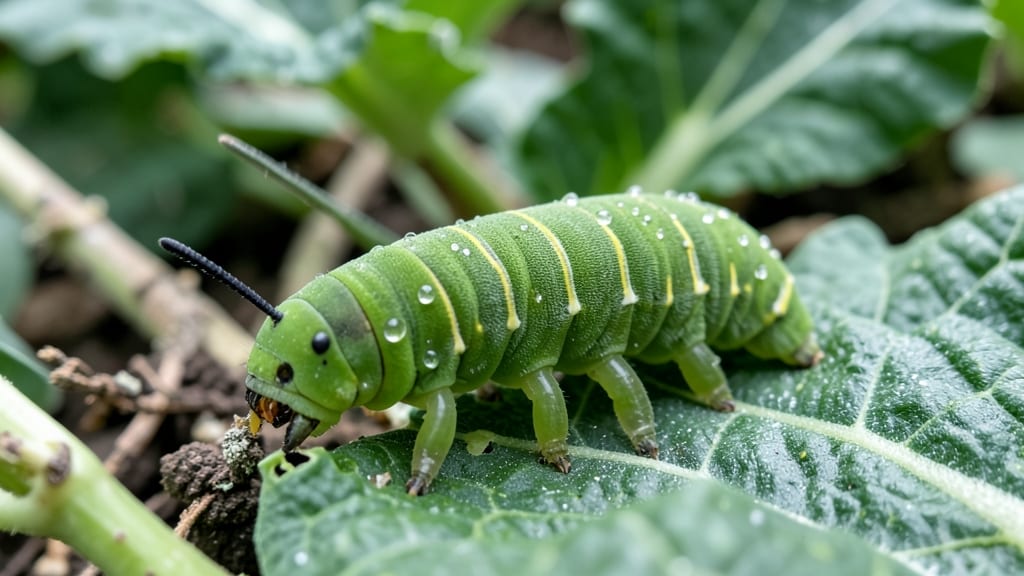
Leaf-eating caterpillars can strip a garden bare in days—unless you outsmart them. 🌿 I’ve lost entire tomato plants to hungry tomato hornworms and watched cabbage turn to lace from cabbage worms, but these organic traps work fast to break their cycle before they take over.
The key is luring them away with scents they can’t resist—like rotting fruit or fermented yeast—while encouraging their natural predators to move in. You’ll see fewer caterpillars within 3-5 days of setting up traps, and your plants will start recovering almost immediately.
No more reaching for harsh chemicals—just a few simple traps that protect your garden without harming bees or butterflies. The best part? These methods work for tomatoes, cabbage, fruit trees, and even roses, so you can tackle multiple pests at once.
Here’s how to set them up in under 20 minutes—no experience needed. Let’s get those caterpillars off your plants for good.
Why Plants Get Devoured
When your garden or prized plants suddenly look like they’ve been hit by a tiny, leaf-munching army, it’s usually not random—it’s biology in action. Leaf-eating caterpillars (and their larval relatives) target plants for very specific reasons, often tied to survival, nutrition, or even chemical cues.
Understanding these triggers can help you outsmart them before they strip your foliage bare. Here’s why they’re turning your green friends into their buffet:
Caterpillars are voracious eaters, and their appetites are fueled by two key factors: protein and growth. As larvae, they need to consume 50–100 times their body weight in food to develop into moths or butterflies.
Their saliva contains enzymes that break down plant cell walls, making nutrients easier to absorb—almost like a built-in digestive system. 🧪
Why certain plants? Some species are specialists, meaning they’ve evolved to thrive on specific hosts (like tomato hornworms on nightshades). Others are generalists and will chow down on almost anything tender. Young, soft leaves are their favorite because they’re easier to digest and packed with nitrogen, which is critical for their rapid growth.
Actionable insight:
- 🌿 Monitor new growth—it’s the first to go!
- 🍃 Remove damaged leaves to reduce scent trails that attract more caterpillars.
- 🔍 Identify the plant—if it’s a known caterpillar magnet (e.g., cabbage, roses, or fruit trees), take preemptive steps like row covers.
Plants don’t just sit there—they signal for help (or unknowingly invite pests) through volatile organic compounds (VOCs).
When leaves are damaged—even slightly—some plants release scented chemicals that act like a dinner bell for caterpillars. 🔔 These compounds can also attract their natural predators (like parasitic wasps), but if the caterpillars arrive first, they’ll feast before the cavalry does.
The smell factor:
- Damaged leaves emit green leaf volatiles (GLVs), which caterpillars detect from up to 30 feet away.
- Stressed plants (from drought, over-fertilization, or poor soil) produce more sugars, making them sweeter targets.
- Floral scents from blooming plants can mimic the smell of caterpillar-friendly hosts, tricking them into landing.
Actionable insight:
- 💦 Water deeply and consistently—stress = scent signals for pests.
- 🌱 Avoid over-fertilizing, especially with nitrogen-heavy fertilizers, which can make plants more appealing.
- 🌿 Prune damaged areas immediately to limit the spread of "eat me" signals.
Caterpillars aren’t just hungry—they’re strategic. Their life cycles are perfectly synchronized with when plants are most vulnerable. For example:
| Caterpillar Stage | Plant’s Weak Spot | Why It Works |
|---|---|---|
| Eggs hatch in spring | New leaf growth | Tender, nutrient-rich shoots are easy to digest and packed with protein. |
| Larvae peak in summer | Fruiting plants (e.g., tomatoes, apples) | Ripe fruit contains sugars and moisture—like a caterpillar’s fast food. |
| Pupation in fall | Dying foliage | Decaying leaves provide hiding spots and last-minute food before winter. |
Actionable insight:
- ⏳ Time your interventions—apply organic lures or traps before peak hatching (check local moth/butterfly flight seasons).
- 🍅 Harvest ripe fruit promptly to remove caterpillar magnets.
- 🍂 Clean up fallen leaves in autumn to disrupt pupation sites.
Caterpillars aren’t great fliers, but their eggs and tiny larvae hitch rides on the wind, water, or even human activity. A single pregnant moth can lay hundreds of eggs on one plant, and a gust of wind or a gardener’s tools can disperse them like confetti. 🌬️
How it happens:
- Wind dispersal: Lightweight eggs or newly hatched caterpillars can travel miles on breezes.
- Water movement: Flooding or rain can wash eggs/larvae onto unsuspecting plants.
- Human transport: Contaminated soil, mulch, or even potted plants can introduce caterpillars to new gardens.
Actionable insight:
- 🌧️ Inspect plants after rain—larvae may have "rained" onto them.
- 🛡️ Quarantine new plants for a few weeks before introducing them to your garden.
- 🌿 Create windbreaks (like tall grasses or hedges) to reduce egg dispersal.
Quick Fixes for Chewed-Up Leaves
Now that you know why caterpillars are munching on your plants, let’s tackle the problem head-on with effective, organic solutions that work fast. Below, we’ve mapped the most common causes to the best fixes—plus prevention tips to keep your garden caterpillar-free long-term.
Fix: Lure & Trap Them Early Caterpillars multiply quickly, so acting fast is key. Set up organic lure traps (like pheromone traps or fermented fruit baits) to attract and capture adults before they lay eggs. For severe infestations, handpick larvae and drop them in soapy water—it’s brutal but humane and effective.
Prevention Tip: 🌱 Rotate crops and plant caterpillar-repelling herbs (like basil, mint, or dill) near vulnerable plants to disrupt their life cycle.
Fix: Boost Plant Health Naturally Stressed plants are caterpillar magnets. Strengthen your greens with:
- Compost tea (rich in beneficial microbes)
- Fish emulsion (for a nutrient boost)
- Neem oil spray (deters eggs and young larvae)
Pro Tip: 💡 Water deeply but less often—overwatering stresses roots, making plants more attractive to pests.
Fix: Diversify or Protect High-Risk Plants If your garden is a caterpillar buffet (think tomatoes, cabbage, or fruit trees), take action:
- Cover young plants with floating row covers (lightweight fabric that blocks adults).
- Interplant with repellents like marigolds or nasturtiums—their strong scents confuse caterpillars.
- Prune heavily damaged leaves and dispose of them in sealed bags (not compost).
Prevention Tip: ✨ Plant trap crops (like collard greens) away from your main garden to lure caterpillars away.
Fix: Disrupt Their Comfort Zone Caterpillars thrive in cozy, damp spots. Break their habitat by:
- Improving airflow around plants (thin dense foliage).
- Using reflective mulch (like aluminum foil strips) to deter egg-laying.
- Introducing predator-friendly plants (like dill or fennel) to attract parasitic wasps (natural caterpillar enemies).
Pro Tip: 🌡️ Avoid overhead watering—wet leaves create the perfect caterpillar hideout.
If caterpillars are still winning, try these low-toxicity sprays:
- Bacillus thuringiensis (Bt) – A bacteria that targets caterpillars’ digestive systems (safe for humans and pets).
- Spinosad – Derived from soil bacteria, it disrupts caterpillar feeding (use at dusk for best results).
- Soap spray (1 tbsp mild soap + 1 quart water) – Smothers soft-bodied larvae.
⚠️ Warning: Always test sprays on a small plant area first—some can harm beneficial insects.
To keep caterpillars from crashing your garden party: ✅ Inspect plants weekly (especially undersides of leaves). ✅ Encourage natural predators (birds, ladybugs, lacewings) with pollinator-friendly plants. ✅ Clean up debris (caterpillars love hiding in old leaves and mulch). ✅ Use organic lure traps seasonally (spring and summer are peak caterpillar months).
Remember: The key is early action + prevention. With these strategies, your garden will stay lush—and caterpillar-free! 🌿🚫🐛
Frequently asked questions
What are the most common leaf-eating caterpillars I should watch for?
The worst offenders include tomato hornworms (green with white stripes), cabbage worms (green or yellow), tent caterpillars (silky webs), and gypsy moth caterpillars (hairy, brown). These species can defoliate plants in days—identify them early to act fast!
Are organic lure traps safe for my garden ecosystem?
Yes! Traps using fermented fruit, yeast, or pheromones target only caterpillars without harming bees, butterflies, or beneficial insects. Just avoid chemical sprays—stick to Bt (Bacillus thuringiensis) or soapy water for spot treatments.
How do I know if my plants are stressed enough to attract caterpillars?
Check for yellowing leaves, stunted growth, or wilting—these signs mean your plants are stressed. Overwatering, poor soil, or nutrient deficiencies make them sweeter targets. Fix the root issue (like compost tea or balanced fertilizer) to deter caterpillars naturally.
Can I reuse last year’s organic sprays or traps?
No—Bt and spinosad lose effectiveness after 6 months, and lure traps (like fermented fruit) spoil quickly. Always use fresh solutions for best results. Store unused sprays in a cool, dark place for up to 1 month.
What’s the fastest way to stop a caterpillar outbreak?
Handpick larvae and drop them in soapy water (instant kill), then apply Bt spray to remaining eggs. For large gardens, set up pheromone traps to disrupt mating. Act within 48 hours to prevent total defoliation!