
Pests
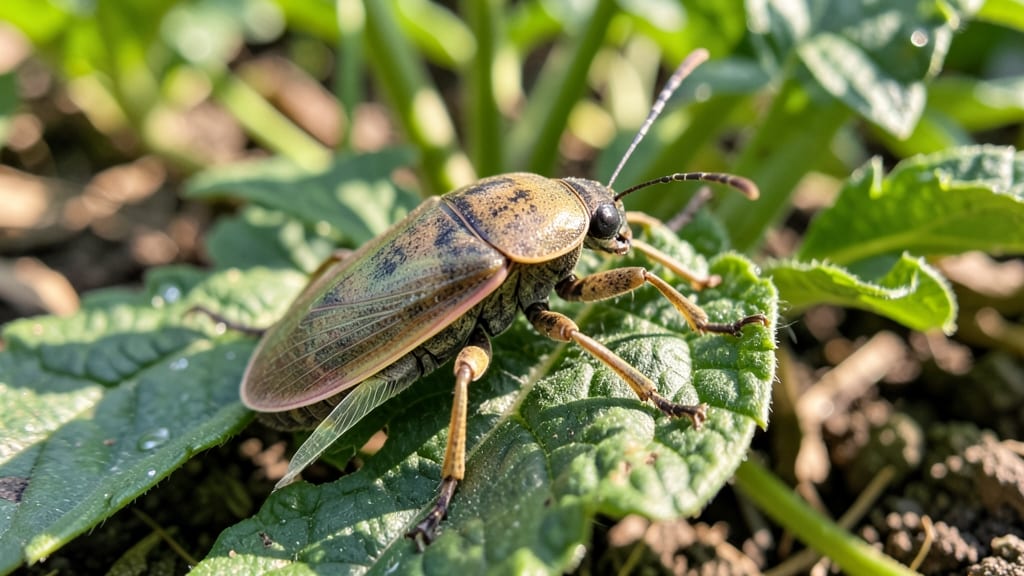
Leaf-footed bugs in Maryland turn your garden into a battleground. 🌿 I've battled these sap-sucking pests for years, and the key to winning is understanding their habits—like when they invade in late summer or hide in grassy edges.
Maryland's humid summers give them the perfect breeding ground, but we've found organic ways to outsmart them without harsh chemicals.
These bugs love tomatoes, peppers, and beans—our staple crops—so I focus on disrupting their life cycle. Start by removing egg masses from plant stems (they look like tiny white specks) and attract their natural predators like spiders and birds with diverse plantings.
Maryland's native plants, like milkweed and goldenrod, create a buffer zone that confuses them and keeps them away from your veggies.
By combining early monitoring, row covers, and strategic planting, you'll see fewer pests and healthier plants. The payoff? Juicy tomatoes and crisp beans without the chemical aftertaste. Here's how to make it work in your Maryland garden—no matter the size.
This method works for backyard gardens, raised beds, and even container setups. The secret is consistency: check plants weekly, especially after rain, and act fast when you spot the first signs. Your garden—and your dinner table—will thank you.
What Attracts These Pests
Leaf-footed bugs in Maryland don’t just appear out of nowhere—they’re drawn to specific conditions that make your property an all-you-can-eat buffet. Understanding these triggers is the first step to outsmarting them before they become a nuisance.
Let’s break down why these pests choose your yard, garden, or home like a VIP lounge.
Leaf-footed bugs are fruit fanatics, especially when it comes to soft, rotting produce.
In Maryland, where summer and fall bring an abundance of peaches, apples, grapes, and berries, these bugs zero in on: - Overripe fruit on trees or vines (their favorite snack). - Fallen fruit on the ground, which ferments and releases odors that signal "easy meal." - Weeds with seed heads, like smartweed or pigweed, which mimic the scent of ripe fruit.
Why it matters: A single rotting apple can attract dozens of bugs in hours. They don’t just eat the fruit—they also lay eggs in or near it, ensuring a steady food supply for their offspring.
Maryland’s humid climate creates the perfect greenhouse for leaf-footed bugs.
They thrive in: - Tall grass, weeds, or thick ground cover, which provide hiding spots during the day and hunting grounds at night. - Leaf litter and mulch piles, where they shelter from predators and temperature swings. - Overgrown shrubs or vines, especially near fruit trees or gardens, giving them easy access to meals.
Why it matters: Bugs use vegetation like a "highway system" to move between food sources. A yard with dense foliage is like an all-access pass for them to colonize your property.
Once they’ve found food, leaf-footed bugs seek out cozy spots to rest, mate, and overwinter.
In Maryland homes and structures, they target: - Gaps in window screens, doors, or vents (even tiny holes are an open invitation). - Cracks in siding, eaves, or foundations, where they can slip inside undetected. - Attics, garages, or sheds with stored firewood, cardboard, or fabric—ideal for egg-laying and hiding.
Why it matters: These pests are opportunistic hitchhikers. A single bug that slips indoors can trigger a full-blown infestation if conditions are right.
Maryland’s climate plays a huge role in leaf-footed bug activity.
Key seasonal factors include: - Late summer heatwaves (July–August), which accelerate fruit ripening and bug reproduction. - Early fall rains, which soften fruit and create ideal breeding conditions. - Cool nights in spring, when bugs seek shelter in homes before emerging to feed.
Why it matters: Timing is everything. Proactive measures—like removing fallen fruit in August or sealing entry points in September—can drastically reduce their numbers.
Ironically, leaf-footed bugs often target plants that also attract pollinators (like bees and butterflies). Gardens with:
- Flowering plants (e.g., cosmos, zinnias) that draw bees and bugs.
- Herbaceous perennials (e.g., mint, basil) with soft stems they can pierce to feed.
Why it matters: While you’re trying to support pollinators, these pests exploit the same resources. Strategic planting (e.g., repellent herbs like rosemary) can help tip the balance in your favor.
Practical Fixes for Leaf-Footed Bugs
If leaf-footed bugs have invaded your Maryland garden, yard, or home, don’t panic! These pests are manageable with the right approach—especially when you use organic, eco-friendly methods. Below, we’ve mapped out cause-specific solutions to help you reclaim your space, along with prevention tips to keep them away for good.
Leaf-footed bugs love feasting on fruits, vegetables, and ornamental plants. Here’s how to deter them naturally:
🌿 Remove Their Favorite Food Sources
- 🔥 Pick and destroy damaged fruit (especially tomatoes, peppers, and berries) before bugs lay eggs in them.
- 🍅 Prune overripe or fallen fruit from trees and bushes—these are prime egg-laying spots.
- 🌱 Rotate crops annually to disrupt their feeding patterns.
🕷️ Use Physical Barriers
- 🧤 Cover young plants with fine mesh netting to block adult bugs and egg-laying.
- 🥕 Plant trap crops like beans or sunflowers away from your main garden—the bugs will go for these instead.
💦 Water Wisely
- 🌧️ Avoid overhead watering at dusk or dawn, as damp conditions attract bugs.
- 💦 Use drip irrigation to keep foliage dry and less appealing.
🌿 Natural Repellents
- 🌿 Spray plants with neem oil (1 tsp per quart of water) to disrupt their feeding and reproduction.
- 🧂 Mix a solution of water, dish soap, and garlic (1 tsp soap + 2 crushed garlic cloves per gallon) and spray on affected plants.
These bugs sometimes sneak indoors in search of warmth or shelter. Here’s how to evict them:
🚪 Seal Entry Points
- 🔒 Inspect windows, doors, and vents—install fine mesh screens or caulk gaps.
- 🧹 Check for cracks in siding, foundations, or utility lines where they might hide.
🕯️ Reduce Indoor Attractants
- 🍎 Store ripe fruit in sealed containers—don’t leave it out on counters.
- 🧺 Keep outdoor lights off at night (they’re drawn to light and may linger nearby).
🧼 Clean Up Clutter
- 🗑️ Remove leaf litter, mulch piles, and debris from your yard—these hide egg masses.
- 🪟 Vacuum up bugs you see indoors (they won’t bite, but they’re annoying!).
Stopping leaf-footed bugs before they start is the best defense. Try these proactive strategies:
🌿 Encourage Beneficial Predators
- 🐞 Attract birds, lacewings, and parasitic wasps by planting native flowers (like dill, fennel, or milkweed).
- 🐸 Install a birdhouse—birds love snacking on these bugs!
🌱 Choose Resistant Plants
- 🍓 Opt for varieties like ‘Cherokee Purple’ tomatoes (less appealing to bugs).
- 🌻 Plant strong-scented herbs (basil, mint, or rosemary) near vulnerable crops.
🗓️ Monitor Early & Often
- 🔍 Check undersides of leaves weekly for egg clusters (tiny, flat, and yellow).
- 📅 Time your sprays—apply neem oil or insecticidal soap in the early morning or late evening for best results.
💡 Pro Tip: If bugs persist, combine methods—physical barriers + repellents + predator support work best together! With consistency, you’ll see a major drop in leaf-footed bug activity within a few weeks. 🚀
Frequently asked questions
What do leaf-footed bugs look like in Maryland?
Leaf-footed bugs have a distinctive appearance: their hind legs are flat and leaf-like, giving them their name. They're about 1/2 inch long with a shield-shaped body that's usually brown, gray, or green. Look for their white or yellow egg clusters on plant stems—they resemble tiny flat pancakes!
Are leaf-footed bugs dangerous to my Maryland garden?
While they don't bite humans, these pests can cause significant damage. They pierce fruit and plant stems to feed on sap, leading to deformed produce and weakened plants. In Maryland, they particularly target tomatoes, peppers, and berries—your most valuable crops. Early intervention prevents widespread damage.
When is the best time to treat leaf-footed bugs in Maryland?
Start monitoring in late spring when they emerge, but focus on treatment during summer and early fall (June-September). This is when they're most active and laying eggs. Apply neem oil or insecticidal soap in the early morning for best results, as they're less active then.
Can I use chemical pesticides for leaf-footed bugs in Maryland?
While chemical pesticides can work, they're not recommended as a first line of defense. Maryland's ecosystems rely on beneficial insects, and many pesticides harm them too. Start with organic methods like neem oil or companion planting. If chemicals become necessary, use targeted sprays during late evening to minimize harm to pollinators.
How do I know if leaf-footed bugs are in my home?
Check for them near windows, doors, and vents—especially after warm days. Look for tiny black droppings on surfaces and listen for their distinctive clicking sound when disturbed. They're often found in kitchens or near fruit storage areas. Seal entry points immediately to prevent infestations.