
Planting
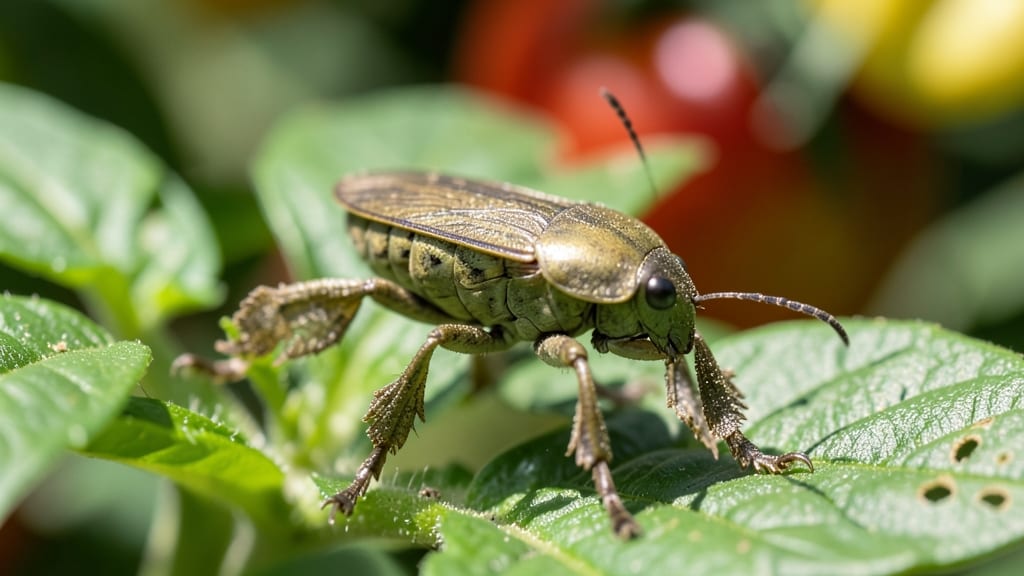
That tiny brown bug with white legs is wrecking your tomatoes faster than you can say "harvest." 🌱 The leaf-footed plant bug might look harmless, but its piercing mouthparts drain plants of sap, leaving behind wilted stems, crinkled leaves, and fruit that drops before ripening—often before you even notice them lurking.
I learned the hard way when my pepper plants turned into skeletal shadows overnight. The damage starts small: tiny white specks on leaves, then yellowing, then sudden wilting. By the time you see the bugs themselves, they’ve already done their worst.
These pests thrive on tomatoes, peppers, citrus, and even beans, making them a garden-wide menace. The good news? You don’t need harsh chemicals to win this battle. A few quick fixes—like handpicking bugs, using row covers, or spraying neem oil—can turn the tide fast.
I’ve saved entire crops with these methods, and your plants can too. The key is acting before the bugs multiply. Whether you’re dealing with a backyard garden or a container setup, these solutions work.
Let’s get those plants back to thriving in no time—without losing your sanity (or your harvest) in the process.
Root Causes Of Plant Damage
When tiny leaf-footed plant bugs (often called LFPBs) invade your garden, they don’t just nibble—they inject toxins that cause wilting, browning, and even plant death. Understanding why these pests target your plants is the first step to stopping them.
Below, we break down the key reasons these bugs choose your greenery as their next meal.
Leaf-footed plant bugs are opportunistic feeders, and they have a knack for weak plants. Overripe or stressed plants—whether from drought, poor soil, or disease—emit chemical signals that attract these pests. Here’s why:
- Sugar-rich sap: Mature or overripe fruit and flowers contain higher sugar levels, making them more appealing to bugs seeking an easy energy boost.
- Stress hormones: Plants under stress (e.g., from heat, waterlogging, or nutrient deficiency) produce volatile organic compounds (VOCs) that act like a dinner bell for bugs.
- Soft tissue: Bugs prefer plants with tender stems and leaves, which are easier to pierce with their straw-like mouthparts.
Actionable fix: Keep plants healthy with consistent watering, balanced fertilizer, and proper pruning. Remove overripe fruit and damaged foliage to reduce attractants.
Not all plants are equally tempting to leaf-footed plant bugs. These pests have a preference for specific crops, particularly those in the:
| Plant Family | Common Examples | Why They’re Vulnerable |
|---|---|---|
| Solanaceae (Nightshades) | Tomatoes, peppers, eggplants, potatoes | High water content and sweet sap make them irresistible. |
| Fabaceae (Legumes) | Beans, peas, clover | Nitrogen-rich foliage provides protein for bug development. |
| Cucurbitaceae (Cucurbits) | Squash, cucumbers, melons | Large, tender leaves offer easy access to vascular tissues. |
Actionable fix: If you grow susceptible crops, use row covers early in the season or interplant with marigolds or basil, which repel bugs naturally.
Leaf-footed plant bugs thrive in warm, humid conditions and seek out microclimates where they can:
- Bask in sunlight: South-facing gardens or greenhouses trap heat, accelerating bug activity.
- Avoid predators: Dense foliage or mulch provides hiding spots for bugs while shielding them from birds and spiders.
- Lay eggs undetected: Bugs prefer to deposit eggs on the undersides of leaves in shaded, moist areas.
Actionable fix:
- 🌡️ Monitor temperature: Avoid over-mulching in hot climates; opt for straw or wood chips instead of thick plastic.
- 🌿 Prune for airflow: Thin out crowded plants to reduce hiding spots and improve air circulation.
- 🕷️ Encourage predators: Attract ladybugs, lacewings, or parasitic wasps with native plants like dill or yarrow.
These bugs follow a predictable seasonal pattern, with outbreaks peaking when:
- Days lengthen (spring): Warmer temps signal bugs to emerge from overwintering sites (e.g., garden debris, tree bark).
- Fruit sets (summer): Bugs migrate to flowering plants to feed on pollen before switching to fruit as it ripens.
- Humidity rises (fall): Moist conditions soften plant tissues, making them easier to penetrate.
Actionable fix:
- 📅 Time interventions: Apply neem oil or insecticidal soap in early spring before bugs lay eggs.
- 🍂 Clean up debris: Remove old plant material in late fall to eliminate overwintering sites.
- 🔍 Scout regularly: Check leaf undersides and fruit clusters weekly during peak seasons.
Quick Fixes for Plant Damage
Discovering chewed leaves, wilting stems, or strange holes in your plants can be frustrating, but the good news is that leaf-footed plant bugs (LFPB) are manageable with the right approach.
Below, we’ve mapped out practical solutions tailored to the most common causes of damage—so you can act fast and protect your garden.
Before jumping into fixes, confirm the culprit. LFPB damage often looks like:
- Tattered or skeletonized leaves (edges chewed unevenly).
- Black or brown speckling on stems and leaves (frass, or bug waste).
- Wilting or stunted growth, even with healthy roots.
- Adult bugs with distinctive leaf-like hind feet hiding under leaves.
If you spot these signs, it’s time to act. Here’s how:
🔹 For small infestations (early detection):
- 👨🍳 Hand-pick bugs in the morning when they’re sluggish. Drop them into soapy water to kill them instantly.
- 🕷️ Use sticky traps: Place yellow or blue sticky cards near affected plants to catch flying adults.
- 🌿 Shake plants over a bucket of soapy water to dislodge bugs hiding in foliage.
Pro Tip: 💡 Check the undersides of leaves—this is where LFPB love to hide during the day.
🔹 For moderate to severe infestations:
| Method | How to Use | Best For |
|---|---|---|
| 🌿 Neem Oil Spray | Mix 1 tbsp neem oil + 1 tsp mild soap in 1 quart water. Spray evenly on leaves (early morning/evening). | Organic gardens, sensitive plants |
| 🐝 Beneficial Nematodes | Apply Steinernema carpocapsae to soil (follow package rates). Water lightly after. | Soil-dwelling larvae stages |
| 💧 Horticultural Oil | Spray on all plant surfaces, including stems. Reapply after rain. | Heavy infestations, greenhouses |
| 🧴 Pyrethrin Spray | Use as a last resort (kills on contact but degrades quickly). Spray at dusk. | Severe outbreaks (non-organic OK) |
Pro Tip: 🌡️ Timing matters—apply sprays when temps are between 50–90°F for best results.
Once you’ve tackled the current infestation, keep these prevention tips in mind to avoid a repeat performance:
- 🌿 Monitor regularly: Inspect plants weekly, especially after rain (bugs are more active).
- 🍂 Clean up debris: Remove fallen leaves, weeds, and plant waste where bugs overwinter.
- 🌱 Rotate crops: Avoid planting susceptible plants (like tomatoes, peppers, or beans) in the same spot yearly.
- 🌱 Use row covers: Protect young plants with fine mesh netting to block adults.
- 🌱 Encourage predators: Attract ladybugs, lacewings, and parasitic wasps with diverse plantings (e.g., dill, fennel, or marigolds).
Pro Tip: ✨ Deterrent plants like basil, mint, or garlic can repel LFPB—try planting them nearby!
With these targeted fixes, you’ll see improvement within 1–2 weeks. Stay vigilant, and your plants will bounce back healthier than ever!
Frequently asked questions
How do I tell leaf-footed plant bugs apart from other garden pests?
The key identifier is their distinctive leaf-like hind legs—these bugs have white or pale green legs that resemble tiny leaves. They're about 1/3 inch long with a shield-shaped body and often hide on leaf undersides. Unlike stink bugs, they don't release a strong odor when crushed.
Can leaf-footed plant bugs harm my fruit-bearing plants?
Absolutely—they're particularly destructive to tomatoes, peppers, and citrus. Their piercing mouthparts inject toxins that cause wilting, browning, and premature fruit drop. The damage often appears as blackened specks on stems or crinkled leaves before you even spot the bugs themselves.
Will neem oil really work against these bugs?
Yes, but you need to apply it correctly. Mix 1 tablespoon neem oil + 1 teaspoon mild soap in 1 quart water and spray evenly on all leaf surfaces during early morning or evening (avoid direct sunlight). Reapply every 5-7 days for best results. The oil disrupts their feeding and reproduction cycles.
Are there any natural predators that can help control these bugs?
Ladybugs, lacewings, and parasitic wasps all prey on leaf-footed plant bugs. To attract them, plant dill, fennel, or yarrow nearby. You can also release beneficial nematodes (like Steinernema carpocapsae) into the soil to target larvae stages.
How soon will I see results from my control efforts?
With hand-picking and sticky traps, you might see improvement in 3-5 days. For chemical/organic sprays, expect noticeable reduction in 7-14 days with consistent application. The key is early intervention—once bugs establish colonies, complete eradication takes longer.