
Pests and Diseases
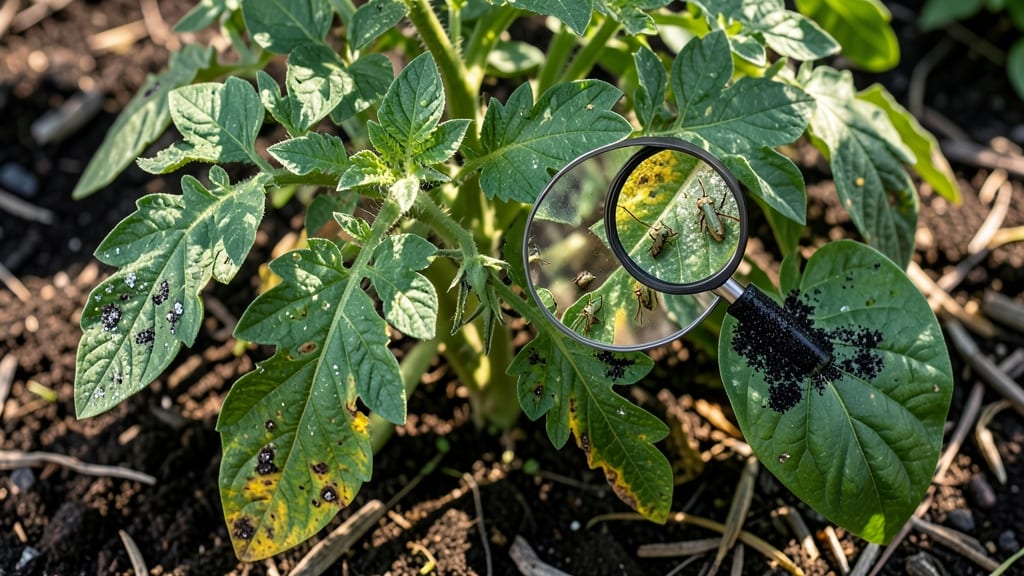
Your plants' speckled, yellowing leaves aren’t just unsightly—they’re a sign of the leaf hopper damage waiting to spread. 🌿 These tiny pests leave behind a telltale stippled pattern and sticky honeydew that turns into sooty mold, turning vibrant foliage into a shadow of its former self.
I've battled them in my rose bushes and citrus trees, and the key to stopping them lies in knowing exactly what you're dealing with—and acting fast.
The damage starts small but escalates quickly if ignored. Leaf hoppers cluster on the undersides of leaves, sucking sap and leaving behind those signature tiny white or yellow specks. Within weeks, the honeydew they produce creates a black fungal growth that blocks sunlight, stunting growth.
The good news? You don't need harsh chemicals to tackle them—just targeted action that disrupts their life cycle before they take over.
With the right approach, you'll restore your plants to lush, healthy growth in just a few weeks. We're talking strong new leaves, no more sticky residue, and a garden that looks like it did before the invasion.
The secret weapon? A combination of natural predators, strategic pruning, and monitoring that keeps these pests from returning season after season.
This works for everything from ornamentals to fruit trees, and the methods adapt to organic or conventional preferences. Let's get your plants back to thriving—and keep them that way all season long.
📚 In This Guide
- What you need
- Instructions
- Tips and common mistakes
- Wrapping up and next steps
What you need
- ● Garden gloves (1 pair) – Heavy-duty, chemical-resistant gloves for safety.
- ○ Handheld magnifying glass (optional but helpful) – For spotting tiny leaf hoppers and damage up close.
- ● Spray bottle (16–32 oz) – For applying homemade sprays or diluted treatments.
- ● Pruning shears – To trim heavily infested or damaged foliage.
- ● Garden hose with adjustable nozzle – For blasting off leaf hoppers (use a strong stream!).
- ● Insecticidal soap (16 oz) – A natural, effective treatment for leaf hoppers. Look for potassium salts of fatty acids (e.g., Safer® Brand Insect Killing Soap).
- ● Neem oil (16 oz) – A plant-based pesticide and repellent. Choose 100% cold-pressed, food-grade neem oil.
- ○ Horticultural oil (optional) – For severe infestations; use dormant oil (e.g., Bonide® All Seasons Horticultural & Dormant Spray Oil).
- ● Systemic insecticide (last resort) – If infestations persist, opt for imidacloprid (e.g., Merit®) or dinotefuran (follow label instructions carefully!).
- ● Yellow sticky traps (5–10 traps) – To monitor and catch adult leaf hoppers.
- ● Garden twine or row covers – For preventing future infestations in vulnerable plants.
- ● Weather check: Apply sprays on a calm, overcast day (avoid direct sunlight or wind to prevent plant burn).
- ● Plant compatibility: Always test treatments on a small area first—some plants (e.g., citrus, lavender) may be sensitive to neem oil.
- ● Safety first: Wear gloves and eye protection when handling pesticides. Keep pets/kids away until treatments dry.
- ● Timing: Treat leaf hoppers early—before they multiply! Repeat applications every 7–14 days as needed.
Step-by-step guide to fixing and preventing leaf hopper damage
Here’s how I tackle leaf hoppers—no chemicals required, just smart garden care.
🌿 Step 1: Identify the Damage (and the Culprits)
Leaf hoppers leave behind tiny, speckled holes on leaves—like someone took a pin to them. Look closely for tiny, wedge-shaped insects (about 1/8 inch long) clustered on the undersides of leaves or stems. They’re often green, brown, or black, and they jump when disturbed. I always check new growth first—hoppers love fresh, tender leaves.
If you see sticky residue (honeydew) on leaves below, that’s a dead giveaway. Wipe a finger across it—if it feels tacky, you’ve got a hopper infestation. The sooner you spot them, the easier they are to control. I grab a magnifying glass for this step; my eyes aren’t what they used to be!
💧 Step 2: Remove Hopper Hotspots
Start by pruning heavily damaged leaves—toss them in a sealed bag (not your compost!). I use sterilized pruners to avoid spreading anything else. Focus on new shoots first; hoppers target tender growth. If the infestation is mild, a strong spray of water can knock them off leaves. Do this in the early morning so the foliage dries quickly—wet leaves at night invite fungal issues.
For stubborn clusters, I use a soft brush (like a toothbrush) dipped in soapy water to gently scrub them off. This works best on smaller plants. Avoid harsh sprays—you’ll just stress the plant more. After treating, rinse the plant with clean water to remove any soap residue.
☀️ Step 3: Boost Plant Resilience
Healthy plants bounce back faster. I start by ensuring the plant gets 6+ hours of sunlight daily—leaf hoppers target weak, stressed plants. If yours is shade-loving, make sure it’s not suddenly getting too much sun. Water deeply once a week (check the top 2 inches of soil—if it’s dry, it’s time). Overwatering weakens roots, making plants more vulnerable.
Feed with a balanced, organic fertilizer (like 10-10-10) every 4-6 weeks during growing season. I mix it into the soil around the base, not the leaves. Stronger roots and foliage mean fewer hopper snacks. If your plant is potted, repot into fresh, well-draining soil—old, compacted soil invites pests.
✂️ Step 4: Natural Predator Support
Encourage beneficial insects like lacewings, ladybugs, and parasitic wasps—they eat leaf hoppers for breakfast. Plant dill, fennel, or yarrow nearby; these attract their predators. I also leave some dandelions in my yard—they’re a magnet for helpful bugs. Avoid pesticides entirely; they’ll kill the good guys too.
For severe cases, I use neem oil spray (1 tsp neem oil + 1 quart water + a drop of dish soap). Spray in the early evening to avoid harming bees. Reapply every 5-7 days until hoppers disappear. Neem disrupts their life cycle without poisoning the plant. Always test a small leaf first—some plants are sensitive.
🪴 Step 5: Long-Term Prevention
Clean up garden debris weekly—hoppers hide in dead leaves and mulch. I rake under plants and remove fallen fruit or flowers. Mulch with straw or shredded leaves (not wood chips)—they deter hoppers better. Also, rotate crops annually if you’re growing vegetables; hoppers build up in the same spot.
Finally, inspect new plants before bringing them home. Quarantine them for 2 weeks in a separate area. I keep a small greenhouse tray for this—it’s saved me from multiple infestations. If you see hoppers on a store-bought plant, return it. Prevention is easier than cleanup!
Tips & tricks for perfect leaf hopper control
Here's what nobody tells you—these tricks make all the difference when battling leaf hoppers.
Timing Secret: Early morning is your best window for water sprays or inspections. Leaf hoppers are sluggish when dew is present, making them easier to dislodge. I've found that treating plants between 6-8 AM gives me the best results—just be sure to finish before the sun gets too strong, or you'll stress the foliage.
Equipment Upgrade: That magnifying glass I mentioned isn't just for old eyes—it's your secret weapon for spotting early infestations. Look for the tiny wedge-shaped bodies (about 1/8 inch) clustered on leaf undersides. I keep mine attached to a headlamp for hands-free inspection, especially when checking dense foliage.
Neem Oil Application: When using the neem oil spray (1 tsp per quart of water), always test on a small leaf first. Some plants, like citrus or lavender, can be sensitive to neem. I've ruined a few leaves this way before learning to test first—now I make it a habit. Apply in the evening to avoid harming pollinators, and repeat every 5-7 days until you see no new hoppers for a week.
Prevention Strategy: The weekly debris cleanup is non-negotiable. Leaf hoppers overwinter in dead plant material, so removing fallen leaves and mulch in autumn prevents next year's infestations. I set a calendar reminder for this task—it's one of those chores that's easy to forget until you're dealing with a full-blown outbreak in spring.
Pro Tips for Leaf Hopper Damage
- Here's what nobody tells you—these tricks make all the difference when battling leaf hoppers.
- Timing Secret: Early morning is your best window for water sprays or inspections.
- Equipment Upgrade: That magnifying glass I mentioned isn't just for old eyes—it's your secret weapon for spotting early infestations.
Frequently asked questions
Got questions about leaf hopper damage? Here are some common concerns and straightforward answers to help you tackle the issue with confidence.
What does leaf hopper damage look like on plants?
Leaf hopper damage often appears as stippled or speckled leaves (tiny white or yellow dots), curled edges, or sooty mold (black fungal growth) on honeydew-covered foliage. Severe infestations may cause leaf drop or stunted growth. Check the undersides of leaves—hoppers and their eggs are often hiding there!
When is the best time to treat leaf hoppers?
Act early! Treat leaf hoppers as soon as you spot damage, especially during spring and summer when they’re most active. Use neem oil, insecticidal soap, or horticultural oil in the evening to avoid harming beneficial insects. Repeat treatments every 7–10 days for severe infestations.
Are there natural ways to prevent leaf hopper damage?
Yes! Encourage natural predators like ladybugs, lacewings, and parasitic wasps by planting companion flowers (e.g., marigolds, dill). Remove debris from your garden to eliminate hiding spots, and prune affected leaves promptly. Reflective mulch (like aluminum foil) can also deter hoppers by confusing their navigation.
Will overwatering make leaf hopper damage worse?
Indirectly, yes. Overwatering creates soft, tender leaves that hoppers love, and excess moisture can promote sooty mold from their honeydew. Water at the base (not overhead) and ensure proper drainage to keep plants healthy. Reduce watering slightly during peak hopper season if infestations persist.
Can I use chemical pesticides for leaf hoppers?
Chemical pesticides like pyrethrin or carbaryl can work but may harm beneficial insects and contaminate soil/water. If you choose this route, apply sparingly and follow label instructions. For most gardens, organic or biological controls (e.g., Bacillus thuringiensis) are safer and equally effective.
Wrapping up and next steps
Leaf hoppers may seem like tiny troublemakers, but with the right knowledge, you can turn the tide in their favor! 🌿 By identifying their damage early, using natural or chemical treatments, and implementing preventive measures, you’ll keep your plants thriving.
Don’t let these pests steal your gardening joy—take action today!
Ready to reclaim your garden? Start with a quick inspection of your plants and pick one treatment method to try this week. Your lush, leafy paradise is just a few steps away! 🌱