
Vegetables
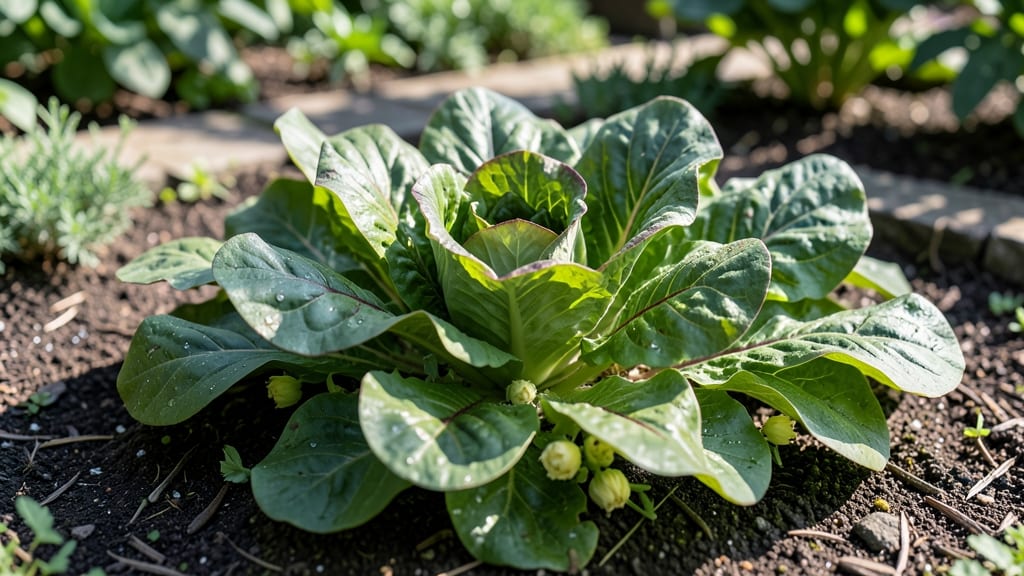
Tracking leaf lettuce growth month by month turns guesswork into a predictable harvest. 🌱 I’ve grown lettuce for years, and this chart helped me go from patchy harvests to a steady supply of crisp greens all season long—no more bolting or bitter leaves.
The magic happens in 3-4 weeks from seed, but with the right conditions, you can stretch that to 6-8 weeks for larger leaves. Start indoors 4-6 weeks before your last frost, then transplant when seedlings have 2-3 true leaves.
The key is keeping soil consistently moist but not soggy, and providing 4-6 hours of sunlight daily. By week 3, you’ll see baby leaves ready for cutting, and by week 5, you can harvest the whole head if you’re growing a loose-leaf variety. The secret?
Thin seedlings to 6-8 inches apart and protect from pests like aphids with a simple row cover. This timeline works for spring and fall plantings, but avoid summer heat—lettuce bolts faster than you can say "salad."
Let’s break it down stage by stage so you can plan your harvest like a pro.
📚 In This Guide
- What you need
- Instructions
- Tips and common mistakes
- Wrapping up and next steps
What you need
- ● Leaf Lettuce Seeds: Choose fast-maturing varieties like 'Black Seeded Simpson' or 'Salad Bowl' (1–2 oz per planting). Opt for organic seeds if preferred.
- ● Seed Starting Mix: 5–10 lbs of sterile, seed-starting blend (e.g., FoxFarm Ocean Forest or Espoma Seed Starting Mix).
- ● Containers or Garden Beds: For seedlings: 72-cell trays or 2–3" biodegradable pots (50+ cells or 20+ pots).
- ● For transplanting: Raised beds, in-ground soil, or 12"–18" wide containers with drainage holes.
- ● Growing Medium: Well-draining potting soil or compost-amended garden soil (avoid heavy clay).
- ● Fertilizer: Seedling stage: Balanced liquid fertilizer (5-5-5 or 10-10-10, diluted to half-strength).
- ● Vegetative stage: Low-nitrogen fertilizer (e.g., 2-4-4) or compost tea.
- ● Watering Can or Hose: With a gentle spray nozzle to avoid disturbing seedlings.
- ● Mulch: Straw or shredded leaves (1–2 inches) to retain moisture and suppress weeds.
- ● Hand Trowel or Transplanter: For digging small holes (4" deep) and gentle seedling transfers.
- ● Pruning Shears or Scissors: For harvesting outer leaves without damaging the core.
- ● pH Test Kit: To ensure soil pH is between 6.0–7.0 (lettuce thrives in slightly acidic to neutral soil).
- ○ Row Cover or Shade Cloth (Optional): 30–50% shade cloth for hot climates to prevent bolting.
- ● Garden Gloves: To protect hands from soil and thorns (if growing near other plants).
- ● Sunlight: Partial shade (3–6 hours of direct sun/day) for most varieties; full sun in cooler climates.
- ● Temperature: Ideal germination: 60–70°F (15–21°C).
- ● Avoid bolting: Keep soil temps below 80°F (27°C) using shade or succession planting.
- ● Water: Consistent moisture (1–1.5 inches per week); lettuce wilts quickly when dry.
- ● Space: Thin seedlings to 6–12 inches apart (depending on variety) for optimal air circulation.
- ● 💡 Label your seeds! Use toothpicks and markers to track varieties, especially if growing multiple types.
- ● 🌡️ Extend the season: Use cold frames or row covers in fall/winter for year-round harvests.
- ● 🎯 Harvest strategically: Pick outer leaves first to encourage regrowth (cut-and-come-again method).
How to track leaf lettuce growth month by month
Here's the precise month-by-month guide I use to time harvests and maximize yield.
🌱 Step 1: Plant at the Right Time for Seasonal Growth
Leaf lettuce thrives in cool weather, so plant 4-6 weeks before your last spring frost or 60 days before your first fall frost. I always check my local frost dates and mark the calendar—planting too early in warm soil causes bolting (going to seed) before you harvest. For year-round production, sow successive plantings every 2-3 weeks until 8 weeks before your first fall frost.
Choose a location with partial shade during peak summer heat—direct sun wilts tender leaves quickly. The ideal spot gets 3-4 hours of morning sun and afternoon shade. If you're growing in containers, place them where they'll receive dappled sunlight through the day.
🌿 Step 2: Monitor Growth Stages for Harvest Timing
Lettuce grows in three distinct stages: seedling (1-2 weeks), leaf development (3-4 weeks), and maturity (4-6 weeks). Watch for first true leaves (the second set after the initial cotyledons) to appear around 7-10 days—this signals healthy growth. Once seedlings reach 2-3 inches tall and have 4-5 true leaves, they're ready for thinning or transplanting.
I harvest leaf lettuce using the "cut-and-come-again" method, which encourages continuous regrowth. Start harvesting outer leaves when they reach 3-4 inches long, leaving the inner rosette intact. This prevents bolting and extends the harvest window by 2-3 weeks per planting.
⏰ Step 3: Track Monthly Development for Peak Flavor
Month 1: After planting, focus on keeping soil consistently moist—1 inch of water per week is ideal. Lettuce grows best in 60-65°F soil temperatures. If daytime temps exceed 80°F, provide afternoon shade to prevent bolting. You'll see rapid leaf expansion during this phase, with harvest-ready outer leaves appearing around 4-5 weeks.
Month 2: By this stage, your lettuce should be established with a compact, bushy rosette. Continue harvesting outer leaves to encourage new growth. If you notice yellowing leaves at the base, it's time to trim them off—this redirects energy to the tender new leaves forming at the center. In cooler climates, lettuce may take 6-7 weeks to reach full maturity.
🌿 Step 4: Extend Harvest Through Fall and Winter
For fall plantings, lettuce continues growing until frost threatens. I harvest heavily in late fall, leaving only the innermost 2-3 leaves to protect the crown. In mild climates, lettuce can overwinter with row covers or cold frames—just ensure soil stays above 40°F to prevent rot. You'll often get one last flush of tender leaves in early spring before bolting occurs.
If you live in a warm climate, succession planting in late summer or early fall avoids the heat and produces sweeter, more tender leaves. The key is timing—plant when daytime highs are below 75°F and nights stay cool. This ensures your lettuce focuses on leaf production instead of flowering.
✂️ Step 5: Know When to Harvest and When to Let It Bolt
Harvest lettuce when leaves are 3-5 inches long and still tender—this is when flavor peaks. If you wait too long, leaves toughen and develop bitter flavors. I always check the inner leaves first—they're the last to mature and stay tender the longest. For a continuous supply, harvest one outer leaf per plant every 2-3 days.
Bolting (sending up a flower stalk) is inevitable in hot weather, but you can delay it by harvesting aggressively and keeping plants cool. If bolting occurs, pull the entire plant—once it flowers, leaves become bitter and tough. In some varieties, like arugula, bolting actually improves flavor, but leaf lettuce loses quality quickly after flowering.
Tips & tricks for perfect leaf lettuce growth
Mastering the month-by-month growth of leaf lettuce means paying attention to subtle cues and timing—here's how to maximize your harvest.
Seasonal Timing is Everything: The 4-6 week window before your last spring frost isn't just a guideline—it's critical for avoiding bolting. I've learned the hard way that planting too early in warm soil triggers flowering before you can harvest. Use a frost date calculator for your specific region and mark your calendar with these exact windows: 4-6 weeks before last spring frost and 60 days before first fall frost. For year-round production, those 2-3 week intervals between plantings make all the difference in maintaining a continuous supply.
Light Management Prevents Bolting: That 3-4 hours of morning sun recommendation isn't arbitrary—it's the sweet spot for leaf lettuce. Direct afternoon sun wilts leaves and stresses plants, while too little light leads to leggy, weak growth. In summer heat, I use shade cloth rated for 30-50% shade during peak hours (11 AM-3 PM). For container growers, rotate pots weekly to ensure even light exposure on all sides—this prevents one-sided growth and maximizes leaf production.
Harvest Technique Extends Your Season: The "cut-and-come-again" method isn't just about harvesting—it's about preserving the plant's ability to regrow. When you harvest outer leaves at 3-4 inches while leaving the inner rosette, you're essentially giving the plant a second chance. I've seen lettuce plants produce three harvest cycles this way when done correctly. The key is to never remove more than one-third of the plant at a time and always use clean, sharp scissors to avoid damaging the growing point.
Soil Temperature Matters More Than You Think: While we focus on air temperature, soil temperature is what really determines growth speed. Lettuce thrives in 60-65°F soil, but most gardeners only check air temps. Use a soil thermometer to verify—cool mornings with 60°F soil are ideal for planting, while soil above 80°F triggers bolting. In hot climates, I plant in late afternoon when soil temps have dropped, giving seeds a better chance to germinate properly.
Pro Tips for Leaf Lettuce Growth Chart
- Mastering the month-by-month growth of leaf lettuce means paying attention to subtle cues and timing—here's how to maximize your harvest.
- Seasonal Timing is Everything: The 4-6 week window before your last spring frost isn't just a guideline—it's critical for avoiding bolting.
- Light Management Prevents Bolting: That 3-4 hours of morning sun recommendation isn't arbitrary—it's the sweet spot for leaf lettuce.
Frequently asked questions
Got questions about growing leaf lettuce? You’re not alone! Here are some of the most common queries—plus quick, actionable answers to keep your garden thriving.
How long does it take for leaf lettuce to grow?
Leaf lettuce is one of the fastest-growing greens—most varieties mature in 30 to 50 days from seed! Loose-leaf types like Black Seeded Simpson or Salad Bowl often harvest in as little as 4–6 weeks. Check your seed packet for exact timelines, as cooler weather can slow growth slightly.
Can I grow leaf lettuce in hot weather?
Leaf lettuce thrives in cool temperatures (50–70°F), but it bolts (goes to seed) when days get too hot (>80°F). To beat the heat:
- Start seeds in late summer for a fall harvest.
- Use shade cloth (30–50%) to protect plants.
- Choose heat-tolerant varieties like Jericho or Rouge D’Hiver.
What’s the best way to harvest leaf lettuce?
Leaf lettuce offers cut-and-come-again harvesting—gently snip outer leaves when they’re 4–6 inches tall, leaving the inner leaves to regrow. For a full harvest, cut the entire plant 1–2 inches above the soil. Pro tip: Use clean scissors or shears to avoid damaging tender stems.
Why are my lettuce leaves turning yellow or bitter?
Yellowing leaves often signal over-maturity, heat stress, or nutrient deficiencies. Bitter taste? Your lettuce is likely bolting (common in hot weather). Fix it by:
- Harvesting more frequently to encourage new growth.
- Adding compost or a balanced fertilizer (like 10-10-10) if soil looks depleted.
- Providing afternoon shade if temperatures rise above 75°F.
Can I grow leaf lettuce in containers or small spaces?
Leaf lettuce is perfect for containers, balconies, or even windowsills. Use pots at least 6–8 inches deep with well-draining soil. Space seeds ½ inch apart and thin to 4–6 inches between plants. Dwarf varieties like Little Gem or Marvel of Four Seasons work especially well in tight spaces.
Wrapping up and next steps
Growing leaf lettuce is a rewarding journey that delivers fresh, crisp greens right to your plate! 🌱 With the right conditions—consistent moisture, partial shade, and a little patience—you’ll enjoy a thriving harvest in just 4-6 weeks.
Whether you’re a beginner or seasoned gardener, this month-by-month growth chart gives you the confidence to nurture your crop successfully.
Now that you’re armed with the knowledge, take the next step! Start seeds indoors or sow directly in your garden bed, and keep an eye on your lettuce’s progress. Happy growing—and soon, you’ll be savoring homegrown salads like never before! 🥗✨