
Pests and Diseases
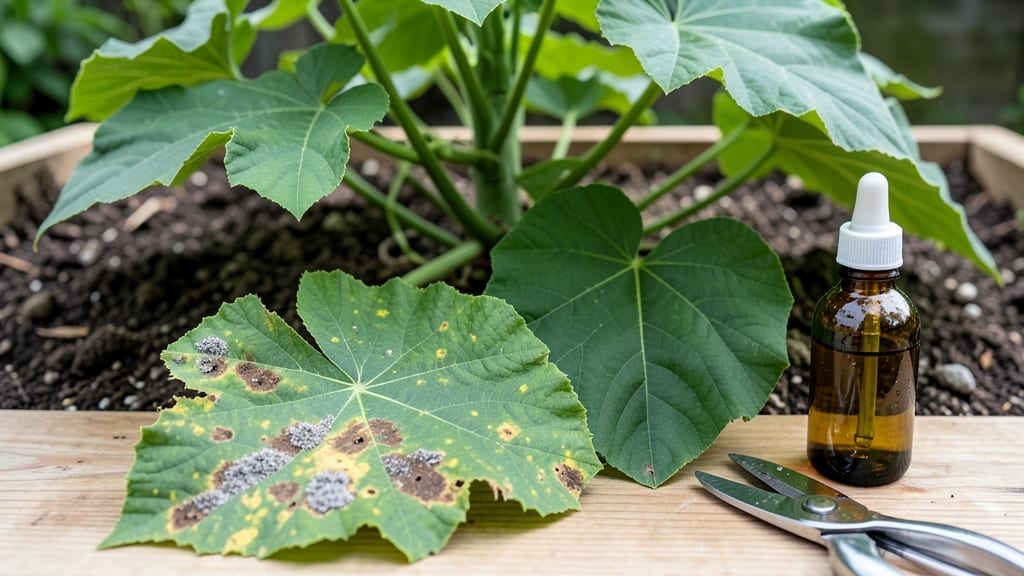
Sweet potato leaf problems like fungal spot can turn your lush vines into a sad, spotted mess—unless you act fast. 🌿 I’ve battled this exact issue, watching healthy green leaves develop brown, water-soaked spots that spread like wildfire.
The good news? Copper spray isn’t just a cure—it’s a game-changer for stopping fungal diseases before they ruin your harvest.
Most leaf spot problems start with wet foliage or poor airflow, giving fungi the perfect chance to take hold. Overwatering, crowded plants, or even morning dew lingering too long can turn your sweet potato patch into a fungal buffet.
The spots start small—like tiny freckles—but without treatment, they multiply, yellowing leaves and weakening vines. That’s where copper comes in: it’s a natural fungicide that disrupts fungal growth without harming your plants (or the planet).
Once you spot those first brown marks, act within 24-48 hours for the best results. A homemade copper spray—just copper sulfate, lime, and water—applied every 7-10 days can stop the spread in its tracks.
You’ll see new growth pushing through cleaner, healthier leaves within 2 weeks, and your sweet potatoes will thank you with bigger, sweeter tubers come harvest time.
This method works for both container-grown and in-ground sweet potatoes, but keep an eye on humidity—fungi love damp conditions. If spots keep coming back, check your watering routine or spacing. A little prevention (like pruning for airflow) goes a long way in keeping your vines thriving all season.
Root Causes Behind Leaf Issues
Sweet potato leaves are tough and resilient, but even they can fall prey to stress and disease—especially fungal spots and nutrient deficiencies. Understanding why these problems occur is the first step to fixing them.
Below, we break down the science behind the most common culprits, so you can diagnose and treat your plants like a pro.
Fungal spots thrive in wet, stagnant conditions, and sweet potatoes are no exception.
When soil stays soggy for too long: - Fungal spores (like Alternaria or Cercospora) germinate and infect leaves, creating dark, circular lesions. - Root rot can spread from overwatered soil, weakening the plant and making it vulnerable to secondary infections. - Poor air circulation in dense foliage traps moisture, accelerating fungal growth.
Why it happens: Sweet potato leaves absorb water through stomata (tiny pores) on their surfaces. If the soil is waterlogged, excess moisture forces these pores to stay open longer, creating a perfect entry point for pathogens. Additionally, anaerobic (oxygen-poor) soil weakens roots, reducing the plant’s ability to fight off diseases.
Actionable fix:
- Ensure pots or garden beds have drainage holes and raise containers slightly to prevent water pooling.
- Water early in the day so leaves dry quickly—fungi love overnight dampness.
- Use well-draining soil mixes (like 60% potting soil + 30% perlite + 10% compost).
Sweet potatoes are heavy feeders, and deficiencies or excesses in key nutrients can trigger leaf problems:
- Magnesium deficiency (yellowing between veins) – Often called "interveinal chlorosis," this occurs when soil pH is too high (alkaline) or organic matter is lacking.
- Potassium deficiency (brown leaf edges) – Weakens cell walls, making leaves more susceptible to fungal invasion.
- Excess nitrogen (soft, pale leaves) – While greenery booms, the plant becomes weak and disease-prone.
Why it happens: Nutrients like magnesium and potassium are essential for chlorophyll production and cell membrane integrity. If the soil lacks these (or has too much salt), the plant can’t maintain healthy leaf structure, leaving gaps for pathogens to exploit.
Actionable fix:
- Test your soil (pH should be 5.8–6.5 for sweet potatoes).
- Amend with compost or a balanced fertilizer (like 10-10-10) at planting time.
- Epsom salt spray (1 tbsp per gallon of water) can quickly address magnesium shortages.
Fungal spores are everywhere—in soil, wind, and even on tools.
Sweet potato leaves get infected when: - Spores land on damaged or stressed leaves (from pests, hail, or poor growing conditions). - High humidity (above 75%) + warm temperatures (70–85°F) create the perfect fungal buffet. - Monoculture gardening (growing sweet potatoes in the same spot yearly) builds up fungal populations in the soil.
Why it happens: Fungi like Alternaria and Phytophthora release spores that germinate on leaf surfaces when conditions are right. Once they penetrate the cuticle layer, they feed on plant tissues, causing necrotic (dead) spots and premature leaf drop.
Actionable fix:
- Rotate crops—don’t plant sweet potatoes in the same spot for 3+ years.
- Space plants properly (12–18 inches apart) for airflow.
- Remove infected leaves immediately and dispose of them in the trash (not compost).
Insects like aphids, spider mites, and flea beetles don’t just eat leaves—they create entry points for fungi.
When pests: - Pierce leaf tissue, they leave wounds that fungi exploit. - Excrete honeydew, a sugary substance that attracts sooty mold (a secondary fungal issue). - Stress the plant, reducing its ability to produce antifungal compounds like phytonutrients.
Why it happens: A healthy sweet potato leaf has a waxy cuticle that repels pathogens. But when pests chew or suck sap, they break this barrier, allowing fungi to colonize the damaged area.
Actionable fix:
- Inspect leaves regularly for pests (especially undersides!).
- Spray with neem oil (1 tsp per quart of water) to deter pests and prevent fungal spread.
- Introduce beneficial insects (like ladybugs or lacewings) to control pests naturally.
Extreme heat, cold, or sudden weather shifts can shock sweet potato plants, making them vulnerable:
- Heat stress (above 90°F) causes leaf scorch (brown, crispy edges), weakening the plant’s immune response.
- Cold snaps (below 50°F) slow nutrient uptake, leading to yellowing or stunted growth.
- Sudden drought followed by heavy watering can crack roots, inviting fungal infections.
Why it happens: Sweet potatoes are tropical plants at heart—they thrive in consistent warmth and humidity. When environmental conditions fluctuate, the plant allocates energy to survival rather than disease resistance, leaving it open to infections.
Actionable fix:
- Mulch heavily (3–4 inches of straw or wood chips) to regulate soil temperature.
- Use shade cloth in scorching climates to protect leaves.
- Water deeply but infrequently to encourage deep root growth (drought-resistant roots fight stress better).
Dense foliage or crowded plants trap humidity against leaves, creating a fungal paradise. Poor airflow:
- Slows leaf drying after watering, keeping spores active.
- Increases leaf temperature, speeding up fungal growth.
- Traps ethylene gas (a plant hormone that can weaken defenses).
Why it happens: Fungi need moisture and warmth to spread. When air doesn’t circulate, leaves stay sticky and damp for hours—ideal conditions for Alternaria leaf spot or powdery mildew.
Actionable fix:
- Prune leaves to improve airflow, especially in containers or greenhouses.
- Space plants 12–18 inches apart in gardens.
- Use a fan (on low setting) near plants to mimic wind and dry leaves faster.
Too much synthetic fertilizer or harsh pesticides can burn leaves, creating wounds that fungi love. Symptoms include:
- Yellowing or browning leaf tips (from salt buildup).
- Blistered or curled leaves (from over-application of copper or sulfur sprays).
- Stunted growth (when roots are overwhelmed by excess nutrients).
Why it happens: Chemicals disrupt the leaf’s protective cuticle and cell membranes, making it easier for fungi to invade. Over-fertilizing also acidifies soil, leaching essential nutrients like calcium and magnesium—weakening the plant’s structure.
Actionable fix:
- Flush soil with water if you suspect chemical buildup.
- Use organic fertilizers (like fish emulsion or compost tea) for slower, safer nutrient release.
- Follow label rates—more isn’t better when it comes to sprays!
Quick Fixes for Sweet Potato Leaf Woes
When your sweet potato leaves start showing signs of stress, acting fast can save your crop! Below are practical, step-by-step solutions tailored to the most common issues—fungal spots, pests, nutrient deficiencies, and environmental stressors—along with prevention tips to keep your plants thriving.
Fungal infections like copper spot disease (caused by Mycosphaerella melongenae) or alternaria leaf spot can turn your lush green leaves into a sad, spotted mess. Here’s how to stop the spread and revive your plants:
🔥 Step 1: Remove Infected Leaves Immediately
- Why? Fungal spores spread like wildfire—don’t let them multiply!
- How? Snip off yellowing, brown, or spotted leaves with sterilized scissors (wipe with rubbing alcohol between cuts).
- Pro Tip: 💡 Dispose of infected leaves in the trash (not compost)—they’re still contagious!
🍳 Step 2: Apply a Copper-Based Fungicide
Copper sprays are highly effective against fungal spots.
Here’s how to use them right: - Choose a product: Look for copper hydroxide, copper sulfate, or copper oxychloride (like Bonide Copper Fungicide or Copper Soap). - Mix it up: Follow label instructions (usually 1–2 tbsp per gallon of water). - Spray thoroughly: Coat both sides of leaves, stems, and even the soil around the base (fungi lurk there too!). - Frequency: Spray every 7–10 days until new growth appears fungus-free.
👨🍳 Step 3: Boost Plant Immunity with Natural Remedies
While copper works fast, prevent recurrence with these organic boosters:
- Neem oil spray (1 tsp neem oil + 1 tsp mild soap + 1 quart water) – anti-fungal + pest-repellent.
- Baking soda spray (1 tbsp baking soda + 1 tsp oil + 1 gallon water) – alkaline defense against fungi.
- Compost tea (fermented compost in water) – strengthens roots and soil microbes.
⏰ Step 4: Improve Airflow & Reduce Humidity Fungi love damp, stagnant air.
Fix this with: - Prune overcrowded plants to allow 3–4 inches of space between leaves. - Water at the base (not overhead) to keep leaves dry. - Use a fan (on low) near plants for gentle airflow (especially in greenhouses).
🌡️ Prevention Tips for Fungal Spots
- Rotate crops: Don’t plant sweet potatoes (or related plants like tomatoes) in the same spot for 3+ years.
- Solarize soil: Cover beds with clear plastic for 4–6 weeks in summer to kill fungal spores.
- Choose resistant varieties: Look for disease-resistant sweet potato types (ask local nurseries).
Pests weaken leaves, making them prime targets for fungi. Kill them off with these targeted attacks:
🔪 Step 1: Blast Them Off with Water
- For aphids/whiteflies: Spray leaves with a strong stream of water (they hate it!).
- For spider mites: Wipe leaves with a damp cloth (they thrive on dryness).
🍳 Step 2: Use Insecticidal Soap or Oil
- Mix: 1 tbsp insecticidal soap (or horticultural oil) per quart of water.
- Spray early morning/late evening (avoid direct sun—it burns leaves).
- Repeat every 5–7 days until pests are gone.
👨🍳 Step 3: Introduce Beneficial Predators
- Ladybugs (eat aphids), lacewings (devour mites), or parasitic wasps (target whiteflies).
- Buy them online or attract them with dill, fennel, or marigolds nearby.
✨ Prevention Tips for Pests
- Inspect plants weekly (catch infestations early).
- Remove weeds (they harbor pests).
- Use reflective mulch (like aluminum foil) to confuse whiteflies.
If leaves look pale, curled, or stunted, your sweet potatoes might be starving. Fix it with:
📊 Step 1: Diagnose the Deficiency
| Symptom | Likely Nutrient Deficiency | Quick Fix |
|---|---|---|
| Yellow lower leaves | Nitrogen (N) | Add compost or blood meal |
| Purple stems/leaves | Phosphorus (P) | Use bone meal or rock phosphate |
| Brown leaf edges | Potassium (K) | Apply wood ash or banana peels |
| Weak, small leaves | Magnesium (Mg) | Sprinkle Epsom salt (1 tbsp/gal water) |
💪 Step 2: Feed the Soil (Not Just the Plant)
- Top-dress with compost (1–2 inches around the base).
- Use a balanced fertilizer (like 10-10-10) lightly (too much burns roots).
- For magnesium: Mix 1 tbsp Epsom salt per gallon of water and spray on leaves.
🥗 Prevention Tips for Nutrient Issues
- Test your soil (pH should be 5.8–6.5 for sweet potatoes).
- Mulch heavily (retains moisture + slowly releases nutrients).
- Rotate crops to prevent nutrient depletion.
Sweet potatoes hate extremes. If leaves look scorched, wilted, or torn, adjust their environment:
🌡️ Step 1: Shield from Heat & Wind
- Use shade cloth (30–50%) if temps exceed 90°F (32°C).
- Windbreaks: Plant tall grasses or shrubs as barriers.
- Mulch heavily (straw or grass clippings) to keep roots cool.
❄️ Step 2: Protect from Cold Snaps
- Cover plants with frost cloth if temps drop below 50°F (10°C).
- Avoid planting too early—wait until soil is warm (60°F/15°C).
💡 Prevention Tips for Environmental Stress
- Water deeply (1–2 inches per week) to prevent heat stress.
- Choose late-maturing varieties if you live in a short growing season.
- Grow in raised beds for better drainage (sweet potatoes hate soggy roots).
Final Thought: 🎯 Most sweet potato leaf problems are preventable with good airflow, copper sprays, and smart care. Once you spot an issue, act fast—your plants will thank you with big, healthy leaves (and tubers!).
Frequently asked questions
Why do my sweet potato leaves develop brown spots even when I water them regularly?
Brown spots on sweet potato leaves are often caused by fungal infections like Alternaria or Cercospora, which thrive in high humidity and poor airflow. Overwatering keeps leaves damp too long, creating the perfect environment for spores to germinate. Try watering early in the day and spacing plants 12–18 inches apart to improve airflow. Copper fungicide sprays applied every 7–10 days can stop the spread quickly.
Can I still harvest sweet potatoes if the leaves have fungal spots?
Yes, but focus on tubers, not leaves—fungal spots rarely affect the edible roots. However, if the infection is severe, the plant may produce smaller tubers. Remove all infected leaves immediately and apply copper spray to prevent further spread. Harvest when leaves start yellowing naturally (usually 90–120 days after planting).
What’s the difference between fungal spots and pest damage on sweet potato leaves?
Fungal spots appear as dark, water-soaked circles with yellow halos, while pest damage looks like tiny holes, chewed edges, or sticky residue (honeydew from aphids). Check leaf undersides for pests—aphids, spider mites, or flea beetles often leave behind webbing or tiny webs. Treat pests with neem oil or insecticidal soap, and use copper spray for fungal issues.
How often should I apply copper spray to prevent leaf problems?
Apply copper fungicide every 7–10 days during humid conditions or after heavy rain. Start at the first sign of spots and continue until new growth appears clean. For prevention, a monthly application during peak growing season (spring/summer) can keep fungal diseases at bay. Always spray early morning or late evening to avoid leaf burn.
Will Epsom salt help with yellowing sweet potato leaves?
Yes! If leaves show yellowing between veins (a classic sign of magnesium deficiency), an Epsom salt spray works wonders. Mix 1 tablespoon Epsom salt per gallon of water and spray leaves thoroughly. Repeat every 2 weeks until leaves regain their green color. This deficiency often occurs in alkaline soil, so test your soil pH (5.8–6.5 is ideal) and amend with compost if needed.