
Trees
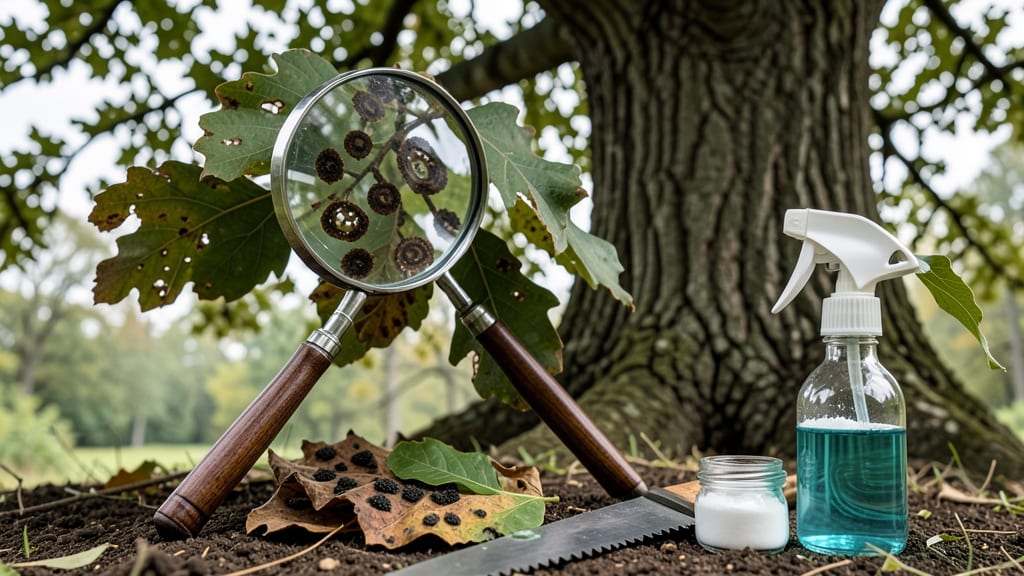
Leaf spot disease turns your tree's leaves into a mess of black or brown spots that spread faster than kudzu in a warm spring. 🌿 I've seen it ruin shade trees in just two weeks—until I learned the 7-day prevention protocol that stops it in its tracks before it becomes a full-blown fungal party.
The problem starts when wet leaves and warm temperatures create the perfect fungal buffet. Common targets include maples, oaks, and lindens, but the good news is prevention doesn't require fancy tools—just proper spacing, clean pruners, and a few organic sprays applied at the right time.
Most people wait until they see spots, but the real work happens before the first leaf unfurls in spring. By the end of week one, you'll have removed infected debris, adjusted watering habits, and applied a copper-based fungicide (or homemade baking soda mix) that creates a protective shield.
The key is consistency—one treatment won't cut it when fungal spores are as persistent as weeds in a garden bed. Works for backyard trees, urban landscapes, and even container-grown specimens. Here's how to break the cycle before it starts.
The Hidden Triggers Behind Tree Spots
Leaf spot diseases don’t just appear out of nowhere—they’re the result of a perfect storm of environmental and biological factors. Understanding these triggers is the first step to stopping them before they take hold. Let’s break down the key causes and why your trees might be under siege.
Fungal spores thrive in wet conditions, and leaf spot diseases are no exception. Here’s why moisture is a major culprit:
- Prolonged Leaf Wetness: When leaves stay damp for more than 4–6 hours, fungal spores germinate and infect plant tissue. Heavy dew, frequent rain, or overhead irrigation (like sprinklers) create ideal breeding grounds.
- Poor Soil Drainage: Waterlogged roots weaken trees, making them more susceptible to stress and infection. Compacted or clay-heavy soils trap excess moisture, while poor mulching practices can exacerbate the issue.
- Humidity Levels: High humidity (above 70–80%) slows leaf drying, giving fungi like Cercospora or Septoria the upper hand. This is why leaf spots flare up in summer or during monsoon seasons.
Actionable Fix: Improve airflow around trees, use drip irrigation instead of sprinklers, and ensure proper mulching (2–4 inches of organic mulch, kept away from the trunk) to regulate soil moisture.
Leaf spot diseases are caused by fungal pathogens, and spores are everywhere—waiting for the right conditions to strike. Here’s how they spread:
- Wind & Rain: Spores hitch rides on wind currents or splash onto leaves during rain, landing on fresh, unprotected foliage.
- Contaminated Tools/Water: Pruners, saws, or even water from a hose can carry spores from infected trees to healthy ones.
- Surviving on Debris: Old leaves, twigs, or fallen fruit harbor spores year-round. When conditions improve (e.g., warm, wet spring), they reactivate.
Actionable Fix: Clean pruning tools with 70% isopropyl alcohol, remove fallen leaves/debris, and avoid working with trees when they’re wet.
Fungi are opportunistic—they exploit trees when they’re already weakened. Temperature swings and seasonal stress play a huge role:
- Warm, Humid Weather: Ideal for fungal growth (60–85°F with high humidity). This is why leaf spots peak in late spring and summer.
- Rapid Temperature Changes: Sudden heatwaves or cold snaps shock trees, reducing their ability to fight off pathogens.
- Drought Followed by Rain: Prolonged dry spells weaken trees, making them more vulnerable when moisture finally returns.
Actionable Fix: Monitor weather forecasts and apply preventative fungicides (like copper or neem oil) before rain or heatwaves hit.
A healthy tree is less likely to succumb to leaf spot diseases. When trees are stressed, their natural defenses crumble:
- Nutrient Deficiencies: Lack of nitrogen, phosphorus, or micronutrients (like magnesium) weakens leaves, making them easier targets.
- Physical Damage: Insects (e.g., aphids, mites), hail, or improper pruning create entry points for fungi.
- Overcrowding: Trees competing for sunlight and resources become stressed, reducing their resilience.
Actionable Fix: Test soil for deficiencies, prune properly (remove dead/diseased branches in dry weather), and thin out overcrowded canopies for better airflow.
Pro Tip: 💡 Early detection is key—scout trees regularly for small dark spots with yellow halos (a classic sign of leaf spot). Catching it early means faster treatment and less damage!
How to Treat & Prevent Fungal Spread
Now that you understand the root causes of leaf spot disease, it’s time to take action! The good news? With the right approach, you can stop fungal spread in as little as 7 days—and even prevent future outbreaks.
Below, we’ve mapped practical solutions to common causes, along with prevention tips to keep your trees healthy long-term.
Cause: Overhead watering, dense foliage, or poor drainage traps moisture, creating the perfect breeding ground for fungal spores.
Fix It: 🔥 🌿 Prune for Better Air Circulation
- Remove crowded or dead branches to allow sunlight and air to reach the canopy.
- Focus on inner branches where humidity lingers—aim for 20-30% light penetration through the foliage.
- Best time to prune: Early morning on a dry, windless day to avoid spreading spores.
🍳 💧 Adjust Your Watering Habits
- Water at the base (not overhead) using a soaker hose or drip irrigation.
- Water early in the day (before 10 AM) so leaves dry quickly.
- Avoid late-night watering—wet foliage overnight = fungal feast.
👨🍳 🌡️ Boost Soil Drainage
- Amend heavy clay soil with compost or sand to improve drainage.
- If planting new trees, raise the root ball slightly above ground level to prevent waterlogging.
💡 Pro Tip: Mulch 3-4 inches deep with wood chips or straw, but keep it 6 inches away from the trunk to prevent rot.
Cause: Poor soil health, overwatering, or nutrient deficiencies weaken trees, making them susceptible to infections.
Fix It: 🔥 🌱 Test & Improve Soil Health
- Conduct a simple soil test (DIY kits from garden centers work) to check pH and nutrient levels.
- Ideal pH for most trees: 6.0–7.0 (adjust with lime to raise or sulfur to lower).
- Add organic matter: Mix in compost or well-rotted manure to boost microbial activity.
🍳 💧 Water Smartly—Don’t Drown Them! - Deep watering (1-2 times per week) is better than daily shallow watering. - Check soil moisture—stick your finger 2 inches deep; if dry, water.
If damp, wait. - Avoid soggy roots: Ensure proper drainage with raised beds or gravel layers if needed.
👨🍳 🍎 Provide Targeted Nutrients
- Iron or manganese deficiencies? Apply chelated iron or Epsom salt (1 tbsp per gallon of water).
- Slow-release fertilizer (like 10-10-10) in early spring helps trees recover.
- Avoid over-fertilizing—too much nitrogen = softer leaves = more fungal targets.
💡 Pro Tip: Mulch volcanoes (piling mulch against the trunk) trap moisture—keep mulch in a flat ring, not a mound.
Cause: You’ve spotted dark lesions, yellowing leaves, or defoliation—the fungus is active!
Fix It: 🔥 🧼 Clean Up Infected Debris
- Remove and destroy (do not compost!) fallen leaves, twigs, and fruit with spots.
- Sterilize pruners with rubbing alcohol (70%+) between cuts to prevent cross-contamination.
🍳 🛡️ Apply Fungicides Strategically
- Copper fungicides (like Bordeaux mixture) or neem oil work well for preventive sprays.
- For severe cases: Use systemic fungicides (e.g., Propiconazole or Myclobutanil)—follow label instructions.
- Spray in the evening when humidity is high (but not if rain is forecast within 24 hours).
👨🍳 🌿 Strengthen Tree Resistance
- Fertilize with potassium-rich amendments (like greensand) to boost immunity.
- Avoid stress: Don’t prune heavily during outbreaks—wait until the tree recovers.
- Beneficial microbes help! Apply mycorrhizal fungi or Trichoderma to outcompete pathogens.
✨ Pro Tip: Baking soda spray (1 tbsp baking soda + 1 tsp soap + 1 gallon water) can suppress mild fungal growth—test on a small area first!
Cause: You don’t want a repeat performance—prevent future outbreaks with these habits.
Do This: ✅ 🌿 Plant Resistant Varieties – Some trees (like serviceberry or oak cultivars) are less prone to leaf spot. ✅ 🍃 Space Trees Properly – Follow spacing guidelines (e.g., 20-30 ft for large trees) to reduce crowding. ✅ 🌧️ Improve Drainage – If your yard floods, install French drains or plant on mounds. ✅ 🔍 Monitor Regularly – Check leaves weekly in spring/fall (peak fungal seasons). ✅ 🚫 Avoid Overhead Sprinklers – Switch to drip irrigation for a fungal-free future.
🎯 Final Reminder: Act fast, but don’t overreact. Most leaf spot cases are manageable with proper care—don’t resort to harsh chemicals unless necessary!
Next Up: When to Call a Pro (coming soon!)
Frequently asked questions
What are the first signs of leaf spot disease I should watch for?
Look for tiny dark brown or black spots with yellow halos on leaves—these appear first on lower branches. As it progresses, spots grow larger, develop gray centers, and may cause leaves to yellow and drop prematurely. Check undersides of leaves too, as fungal spores often start there.
Can I save my tree if it already has leaf spot disease?
Yes! Remove all infected leaves/debris immediately (don't compost them), sterilize pruners with 70% rubbing alcohol, and apply a copper fungicide or neem oil spray every 7-10 days during wet weather. For severe cases, systemic fungicides like Propiconazole work best when applied early in the season.
Why does my tree keep getting leaf spot even after treatment?
This usually happens when spores remain on old leaves, tools, or soil, or if you're watering overhead (creating wet foliage). Always clean up fallen leaves, sterilize tools, and switch to drip irrigation. Fungal spores can survive for years—consistent prevention is key, especially during spring rains.
Are there any organic solutions that actually work?
A baking soda spray (1 tbsp baking soda + 1 tsp soap + 1 gallon water) works for mild cases, while neem oil (2 tbsp per gallon) prevents spore germination. For prevention, compost tea or Trichoderma (beneficial fungus) can boost tree immunity naturally.
Which trees are most susceptible to leaf spot?
Common targets include maples, oaks, lindens, elms, and sycamores. Young trees or stressed specimens (from drought, poor soil, or overcrowding) are especially vulnerable. If you're planting new trees, choose resistant varieties like serviceberry or certain oak cultivars for better defense.