
Pruning
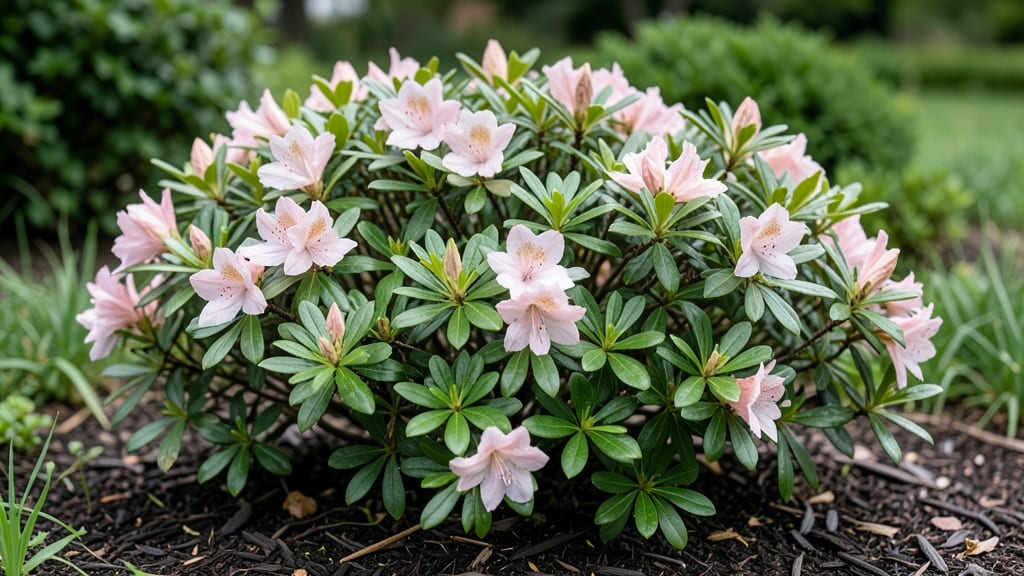
Your azalea bush leaf spot treatment starts with a simple 7-day plan that saves your shrubs from looking like they’ve been through a battle. 🌿 The moment you spot those dark, greasy patches or yellowing leaves, you’ll know exactly what to do—no more guessing or helplessly watching your azaleas decline.
Most leaf spots come from fungus, but sometimes it’s pests like lace bugs or even too much water. The good news? You can fix it with basic pruning, a few sprays, and better care.
I’ve turned around azaleas that looked done in just a week using these steps—no fancy tools required.
By day 7, you’ll see fresh, healthy leaves pushing through, and those ugly spots disappearing. The secret is acting fast, cleaning up fallen leaves, and giving your azaleas the right conditions to bounce back stronger than ever.
Works for all azalea varieties, whether you’re dealing with a single bush or a whole garden full. Let’s get those leaves looking spotless again!
Root Causes Behind Leaf Issues
Understanding why your azalea bush leaves develop spots, yellowing, or other distress signals is the first step toward revival. These problems rarely appear out of nowhere—they’re usually a direct response to environmental stress, pests, or poor care.
Let’s break down the three primary culprits behind azalea leaf problems, explained in clear, actionable terms.
Fungal diseases like leaf spot (e.g., Exobasidium, Phyllosticta) and powdery mildew are the most common reasons for unsightly azalea leaves. These pathogens thrive in humid, stagnant conditions and exploit weak spots in your plant’s defenses.
Why it happens:
- Poor air circulation – Dense foliage or overcrowded plants trap moisture, creating a fungal-friendly environment. 🌬️
- Overhead watering – Wet leaves for prolonged periods (especially in evening hours) give fungi a foothold.
- Stress from environmental shifts – Sudden temperature drops, excessive heat, or drought weaken the plant’s immune system.
- Old or damaged leaves – Fungi latch onto existing wounds, spreading like wildfire.
🔍 How to spot it: Look for dark brown/black spots with yellow halos, white powdery coatings, or leaves that curl and drop prematurely.
Azaleas are a buffet for pests like spider mites, lace bugs, scale insects, and azalea lace bugs. These critters don’t just nibble—they inject toxins, cause discoloration, and weaken the plant’s ability to photosynthesize.
Why it happens:
- Drought stress – Pests love stressed plants. Dry soil = easier access to sap. 💧
- Lack of natural predators – Without birds, ladybugs, or beneficial nematodes, pests multiply unchecked.
- Over-fertilization with nitrogen – Too much "green" growth attracts soft-bodied pests that thrive on tender new leaves.
- Plastic mulch or dense foliage – Traps heat and humidity, creating a pest paradise.
🔍 How to spot it: Check for:
- Stippled or silvered leaves (spider mites)
- Black sooty mold (from honeydew-producing pests like scale)
- Tiny white eggs on undersides (lace bugs)
Azaleas are acid-loving evergreens that demand specific care. When their needs aren’t met, leaves react with yellowing, browning, or spotting—often as a distress signal.
Why it happens:
| Stress Factor | How It Affects Leaves | Quick Fix |
|---|---|---|
| Wrong soil pH (too alkaline) | Yellowing between veins (chlorosis) | Test soil; amend with sulfur or peat moss. 🧪 |
| Over/under-watering | Wilting, crispy edges, or mushy stems | Water deeply 1–2x/week; check drainage. 💦 |
| Sunburn | Bleached or brown patches on exposed leaves | Provide afternoon shade in hot climates. ☀️ |
| Cold damage | Dark, water-soaked spots after frost | Mulch heavily; avoid late-season pruning. ❄️ |
| Nutrient deficiencies | Pale leaves (nitrogen), purple stems (phosphorus) | Fertilize with acid-loving plant food. 🌱 |
Pro Tip: 💡 Azaleas hate "wet feet"—ensure containers have drainage holes, and garden beds aren’t soggy.
Key Takeaway: Most azalea leaf problems stem from one (or more) of these three paths: fungi, pests, or environmental mismatches. The good news? Each has a targeted solution—and your bush can bounce back in 7 days with the right care. 🚀
Revive Your Azalea Leaves Fast
Revitalizing your azalea bush’s foliage starts with identifying the root cause of leaf issues—whether it’s fungal spots, pests, or environmental stress—and taking swift, targeted action. Below, we break down practical, step-by-step solutions for common azalea leaf problems, along with prevention tips to keep your shrub thriving long-term.
Fungal infections like leaf spot disease (often caused by Elsinoë or Phyllosticta) create unsightly brown or black patches on azalea leaves. Here’s how to tackle it:
🔥 Step 1: Prune Infected Leaves Immediately
- Remove all leaves with visible spots using sterilized pruners (wipe with rubbing alcohol between cuts).
- Dispose of infected debris in the trash (not compost)—fungi can survive in soil.
- Pro Tip: 💡 Prune in dry, sunny weather to help leaves dry faster and slow fungal spread.
🍳 Step 2: Apply Fungicide (Organic or Chemical)
- Organic Option: Use a copper fungicide (like copper sulfate) or a baking soda spray (1 tsp baking soda + 1 quart water + a few drops of dish soap).
- Chemical Option: Propiconazole or chlorothalonil (follow label instructions for azaleas).
- Spray undersides of leaves (where spores hide) and stems. Reapply every 7–14 days until new growth appears.
👨🍳 Step 3: Improve Airflow & Reduce Moisture
- Space plants at least 3–4 feet apart to prevent humidity buildup.
- Water at the base (avoid overhead sprinkling) and water early in the day so leaves dry by evening.
- Mulch around the base with pine bark or gravel to deter fungal spores from splashing onto leaves.
⏰ Prevention for Next Season
- Plant azaleas in full sun to partial shade (fungi thrive in damp, shaded areas).
- Avoid overhead irrigation—use drip systems or soaker hoses.
- Clean up fallen leaves in autumn to remove overwintering spores.
Pests like spider mites, azalea lace bugs, or scale insects suck sap, causing yellowing, stippling, or webbing. Here’s how to evict them:
🔪 Step 1: Blast Off Pests with Water
- Spray leaves with a strong stream of water to dislodge mites and soft-bodied insects (do this early morning).
- Repeat every 2–3 days for severe infestations.
🌡️ Step 2: Use Insecticidal Soap or Neem Oil
- Mix: 2 tbsp insecticidal soap or neem oil per quart of water.
Add a drop of dish soap as a surfactant. - Spray thoroughly (focus on leaf undersides and new growth). - Reapply every 5–7 days until pests are gone.
🎯 Step 3: Introduce Beneficial Predators
- Ladybugs and lacewings eat aphids and mites. Purchase them from garden centers or attract them with dill or fennel plants.
- Birds help too—install a bird feeder near your azaleas to encourage natural pest control.
✨ Long-Term Pest Prevention
- Inspect plants weekly (especially in spring/summer) for early signs of pests.
- Avoid over-fertilizing—soft, new growth attracts pests.
- Remove nearby weeds (they harbor pest eggs).
If leaves are yellowing, wilting, or dropping without spots or pests, the issue is likely environmental or nutritional:
💡 Step 1: Check Soil & Watering Habits
- Test soil pH—azaleas thrive in acidic soil (pH 4.5–6.0). Amend with sulfur or peat moss if needed.
- Water deeply but infrequently—1–1.5 inches per week (more in extreme heat). Drought stress causes yellowing.
🥗 Step 2: Fertilize Correctly
- Use an acid-loving plant fertilizer (high in iron and manganese).
- Avoid high-nitrogen fertilizers—they burn roots. Instead, opt for a balanced 10-10-10 or 8-3-9 formula.
- Apply in early spring (after pruning) and late summer.
🌡️ Step 3: Adjust Light & Temperature
- Move azaleas to a spot with morning sun + afternoon shade (especially in hot climates).
- Protect from cold drafts—azaleas hate sudden temperature drops (below 20°F).
🔄 Prevention for Healthy Growth
- Mulch annually with pine bark or pine needles to retain acidity.
- Prune in late winter/early spring to encourage new, vigorous growth.
- Monitor for overwatering—soggy soil leads to root rot (yellow leaves + mushy stems).
Final Tip: 🌟 Patience is key! With consistent care, your azalea should show new, healthy leaves within 7–14 days. Keep an eye on progress and adjust treatments as needed. Happy gardening!
Frequently asked questions
Why are my azalea leaves turning yellow between the veins?
This classic sign usually means your soil is too alkaline (pH too high). Azaleas need acidic soil (pH 4.5-6.0). Test your soil and amend with sulfur or peat moss if needed. Yellowing between veins is called chlorosis—it blocks the plant's ability to absorb iron, even when it's present in the soil.
What do those tiny white eggs on the undersides of my azalea leaves mean?
Those are likely lace bug eggs, a common azalea pest. The adults suck sap, causing stippled, silvered leaves. Knock them off with a strong water spray, then treat with insecticidal soap or neem oil. Check undersides weekly during spring/summer—early action prevents severe damage.
Can I prune azalea leaves with spots to stop the spread?
Yes! Prune infected leaves immediately using sterilized shears and dispose of them in the trash (not compost). Remove at least 2 inches below the spot to catch hidden spores. Prune in dry weather and avoid overhead watering afterward to prevent fungal growth on fresh cuts.
Will my azalea recover if I treat the leaf spots now, or is it too late?
It's never too late to act! With proper care, azaleas are resilient. Start by pruning infected leaves and applying copper fungicide or baking soda spray. Focus on improving airflow and watering at the base. You'll likely see new growth within 7-14 days—just stay consistent with treatments until all signs disappear.
How often should I fertilize azaleas to prevent leaf problems?
Feed azaleas twice a year: once in early spring (after pruning) and again in late summer. Use an acid-loving plant fertilizer (like 10-10-10 or 8-3-9 formula). Avoid high-nitrogen fertilizers—they encourage soft growth that attracts pests. Always water thoroughly after applying fertilizer.