
Neem Oil
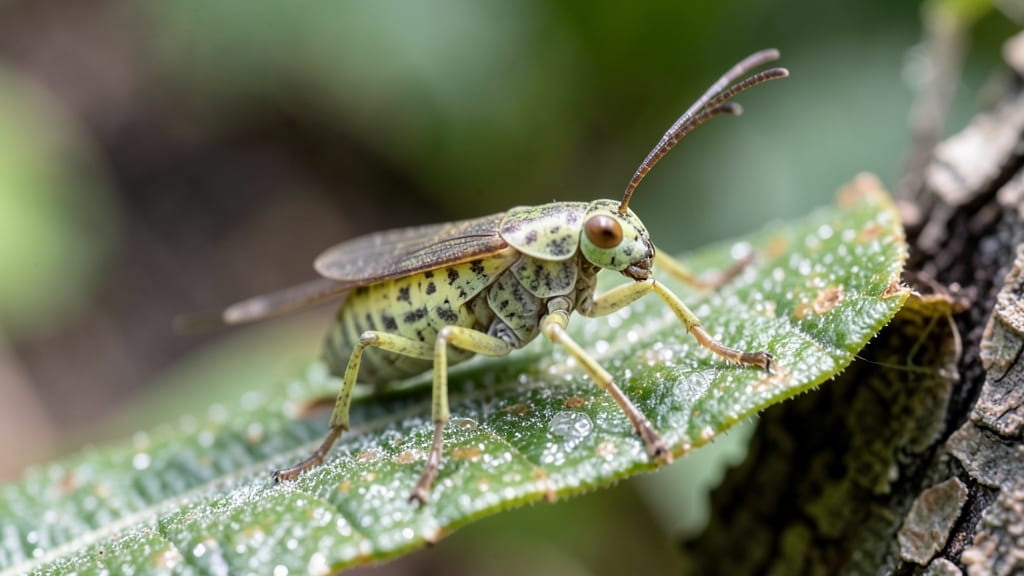
Neem oil and assassin bug nymphs are your secret weapons against leafhoppers. 🌿 These tiny predators—often mistaken for pests—devour leafhoppers with terrifying efficiency, turning your garden into a natural pest-control machine. The key? Spotting their telltale markings (flat, shield-like bodies, long legs) and giving them the right habitat to thrive.
Here’s the thing—you don’t need to buy them. Assassin bugs naturally seek out leafhoppers, and neem oil (applied correctly) won’t harm them. The trick is timing: spray neem oil after they’ve moved in, or they’ll flee.
A trap crop of clover or marigolds attracts leafhoppers and their assassin allies, creating a self-sustaining balance.
Your garden becomes a leafhopper wasteland—literally. Within days, you’ll see fewer tiny black specks jumping on your plants, and more lush, undamaged foliage. The nymphs grow into adults that hunt even more aggressively, and the cycle continues. No more sticky residue, no more chemical smells—just nature’s cleanup crew at work.
Fair warning: some gardeners panic when they spot assassin bugs, mistaking them for stink bugs or other pests. But these guys are your allies. With the right setup, they’ll handle leafhoppers faster than any spray, and your plants will thank you with vibrant, damage-free growth all season.
Nature’s Hidden Predator-Prey Battles
Leafhopper infestations aren’t just random—they’re the result of a delicate ecological imbalance, often triggered by environmental conditions, plant stress, or natural predator shortages. Understanding these causes is key to disrupting their lifecycle before they wreak havoc on your garden.
Let’s break down why these tiny pests become a problem in the first place.
Leafhoppers thrive in specific conditions that create the perfect breeding ground. Here’s what turns a garden into their personal buffet:
- Warm, Humid Climates: Leafhoppers reproduce rapidly in temperatures between 70–90°F (21–32°C). If your region experiences prolonged heatwaves or high humidity, nymphs mature faster, leading to multiple generations per season. Assassin bugs, their natural predators, struggle in extreme heat, giving leafhoppers an unfair advantage. 💡 Pro Tip: Monitor weather forecasts and apply neem oil preemptively during heat spikes.
- Overwatered or Waterlogged Soil: Leafhoppers love moisture—both for hydration and to protect their eggs. Overwatering creates ideal conditions for their nymphs to hatch and thrive. Poor drainage or compacted soil traps excess moisture, signaling to leafhoppers: “Move in!” ✨ Actionable Fix: Improve soil aeration with compost or sand and water deeply but infrequently to avoid soggy roots.
- Sudden Weather Shifts: Unpredictable rain or drought can stress plants, making them more attractive to leafhoppers. Stressed plants produce more sugary sap, which leafhoppers feast on, and their waste (honeydew) attracts fungal growth, further weakening the plant. 🌡️ Watch For: Yellowing leaves, stunted growth, or sticky residue on foliage—clear signs your plants are under siege.
Healthy plants naturally repel pests—but when they’re weakened, they become a magnet. Here’s how plant stress invites leafhopper invasions:
- Nutrient Deficiencies: Plants low in nitrogen, phosphorus, or potassium are easier targets. Leafhoppers detect these deficiencies and prefer stressed foliage for feeding and egg-laying. 📊 Quick Test: Conduct a soil test—if levels are off, amend with organic fertilizer before pests arrive.
- Pesticide Overuse: Broad-spectrum chemical pesticides kill beneficial insects (like assassin bug nymphs) while leaving leafhoppers unharmed—or even more resilient. This creates a vacuum effect, where pests explode in numbers with no natural predators. 🔥 Avoid: Synthetic pesticides; opt for neem oil or insecticidal soap instead.
- Disease or Fungal Infections: Plants battling powdery mildew, rust, or bacterial spots release volatile organic compounds (VOCs) that attract leafhoppers. These pests exacerbate the problem by spreading viruses (like aster yellows) through their feeding. 🛡️ Solution: Prune infected leaves immediately and apply copper fungicide to break the cycle.
The assassin bug nymph is a natural leafhopper assassin, but their effectiveness depends on population balance. When their numbers drop, leafhoppers take over. Here’s why:
- Habitat Destruction: Urbanization, monoculture farming, and excessive tidying (like removing “weeds” or leaf litter) eliminate assassin bug habitats. These bugs rely on ground cover, diverse plantings, and undisturbed soil to hunt. 🌿 Create Safe Zones: Leave patches of mulch, wildflowers, or native grasses to support predator populations.
- Overuse of Broad-Spectrum Controls: Neonicotinoids and pyrethroids wipe out assassin bug nymphs and other beneficials indiscriminately. Without them, leafhopper nymphs face no resistance, leading to uncontrollable outbreaks. 🎯 Smart Swap: Use neem oil or kaolin clay to deter leafhoppers without harming predators.
- Seasonal Timing Mismatches: Assassin bugs and leafhoppers don’t always align in their life cycles. If leafhoppers hatch before assassin bug nymphs emerge, the pests get a head start. ⏰ Strategic Timing: Plant trap crops (like marigolds or basil) early in the season to lure leafhoppers away from your main plants, giving predators a fighting chance.
By addressing these root causes—environmental stress, plant health, and predator support—you can disrupt the leafhopper lifecycle before they become a full-blown infestation. The key? Proactive care and ecological balance—not just reactive sprays.
Quick Fixes for Tiny Garden Invaders
If your plants are under siege by leafhopper assassin bug nymphs (or similar sap-sucking pests), don’t panic—these solutions are simple, effective, and won’t break the bank. Below, we break down the root causes and pair them with practical fixes, plus prevention tips to keep your garden pest-free long-term.
Fix: Thin Out & Rotate Crops Overcrowded plants create the perfect hiding spot for nymphs, while dense foliage traps moisture—ideal for their survival. Space plants properly (follow seed packet guidelines) and prune regularly to improve airflow.
Pro Tip: 💡 Interplant with repellent herbs like basil, mint, or dill. Their strong scents mask plant odors that attract leafhoppers.
Fix: Boost Plant Health with Neem Oil Stressed plants (from drought, poor soil, or nutrient deficiency) are magnets for pests. A neem oil spray (1 tbsp per quart of water + a drop of dish soap) disrupts their life cycle while strengthening plants.
How to Apply: ✅ Early Morning or Late Evening (avoid direct sun) ✅ Spray undersides of leaves (where nymphs hide) ✅ Reapply every 7–10 days until pests disappear
Prevention Tip: 🌡️ Water deeply but less often—leafhoppers love damp, wilted leaves. Mulch to retain moisture without creating soggy conditions.
Fix: Natural Barriers & Trap Crops Nymphs burrow in mulch and soil to escape predators. Break their cycle with:
- Diatomaceous Earth (DE): Sprinkle lightly around plant bases (reapply after rain).
- Straw Mulch (instead of wood chips): Less dense, harder for nymphs to nest.
- Trap Crops: Plant nasturtiums or marigolds nearby—pests flock to them first!
Pro Tip: ✨ Encourage predator insects like ladybugs and lacewings by planting dill, fennel, or yarrow—they’ll hunt nymphs for you!
Fix: Emergency Neem Oil Trap-Crop Combo If you’ve spotted damage (stippled leaves, honeydew, or black sooty mold), act fast:
- Isolate Infected Plants (move them away from healthy crops).
- Spray with Neem Oil + Insecticidal Soap (mix 1 tbsp neem + 1 tsp soap per gallon).
- Set Up a Trap Crop: Plant collard greens or beans in a separate area—pests will migrate there.
Prevention Tip: 🎯 Inspect plants weekly (especially undersides!). Early action = fewer nymphs.
- Rotate crops yearly to disrupt pest life cycles.
- Avoid over-fertilizing (soft, new growth attracts pests).
- Use reflective mulch (aluminum foil strips) to confuse flying nymphs.
- Handpick visible nymphs (drop them in soapy water).
Final Thought: 🔥 Neem oil + smart gardening = a pest-proof paradise. With these fixes, your garden will stay lush, healthy, and nymph-free—no harsh chemicals needed!
Frequently asked questions
How can I tell if assassin bug nymphs are actually helping my garden?
Look for flat, shield-shaped bodies with long legs and a distinctive curved beak—these nymphs hunt leafhoppers by stabbing them with their mouthparts. If you see fewer tiny black specks jumping on your plants and more lush foliage, they're working! Their presence means natural pest control is active.
Will neem oil harm assassin bug nymphs if I spray it?
Neem oil is safe for assassin bug nymphs when applied correctly. The key is timing—spray after they've established themselves in your garden. These predators avoid treated areas, so focus on leafhopper hotspots first. Always apply in the early morning or evening to minimize exposure.
What plants attract assassin bug nymphs to my garden?
Plant trap crops like marigolds, nasturtiums, or clover to lure leafhoppers away from your main plants. These also attract assassin bugs by providing both prey and shelter. Leave some wildflower patches or native grasses undisturbed—they create ideal hunting grounds for these beneficial predators.
Are assassin bug nymphs dangerous to humans?
No—they're completely harmless to humans. While they may deliver a painful but harmless bite if provoked (like any predator insect), they pose zero threat to people or pets. Their primary focus is controlling leafhopper populations, making them valuable allies in your garden ecosystem.
How long does it take for assassin bug nymphs to control a leafhopper outbreak?
With ideal conditions, you'll see noticeable reductions in 7-14 days. The nymphs grow quickly and become more efficient hunters as they mature. For faster results, combine them with neem oil and trap crops. Remember, these predators work best when given time to establish their population.