
Vegetables
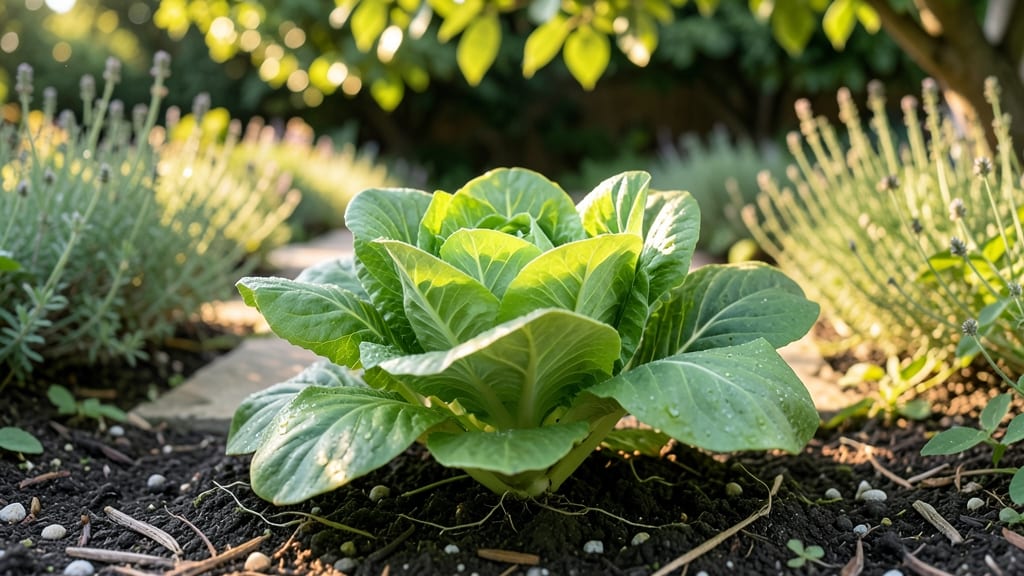
Growing leafy green lettuce that stays crisp through summer heat is my secret weapon for fresh salads all season. 🌿 The trick isn't just picking the right variety—it's understanding how to shield tender leaves from bolting while keeping them sweet and crunchy, even when temperatures climb.
Start with loose-leaf varieties like 'Black Seeded Simpson' or 'Buttercrunch' for heat tolerance, and plant in well-draining soil with afternoon shade in hot climates. I've found that succession planting every 2-3 weeks guarantees a continuous harvest, and a simple row cover saves my plants from wilting under intense sun.
By mid-summer, you'll be harvesting bright green leaves that actually improve in flavor after a light frost. The key is consistent moisture—lettuce hates drying out—and removing flowers as soon as they appear to prevent bolting. Your salads will stay vibrant and full of character.
This method works equally well in raised beds, containers, or in-ground rows. Whether you're growing for salads, sandwiches, or just fresh greens, these heat-resistant varieties and techniques will keep your lettuce thriving when other gardeners are giving up.
📚 In This Guide
- What you need
- Instructions
- Tips and common mistakes
- Wrapping up and next steps
What you need
- ● Seeds: Choose bolt-resistant varieties like Romaine, Buttercrunch, or Leaf Lettuce (e.g., Black Seeded Simpson). Aim for 2–3 seeds per cell in seed trays or 1 seed every 6–12 inches in garden beds.
- ● Growing Containers or Soil: Seed Trays: 72-cell trays with peat-free potting mix (or coconut coir).
- ● Garden Beds: Loose, well-draining soil with 2–3 inches of compost mixed in. pH should be 6.0–7.0.
- ○ Optional Containers: 6–12" deep pots with drainage holes (e.g., fabric grow bags or ceramic pots).
- ● Watering Supplies: Spray bottle (for seedlings).
- ● Watering can with a fine rose nozzle (to avoid disturbing soil).
- ● Fertilizer: Starter Fertilizer: Balanced liquid fertilizer (e.g., 5-5-5 or fish emulsion, diluted to ½ strength).
- ● Growth Booster: Low-nitrogen fertilizer (e.g., 10-10-10) or compost tea every 3–4 weeks.
- ● Hand Trowel (for transplanting seedlings).
- ● Garden Gloves (to protect hands from soil and prickly stems).
- ● Shade Cloth (30–50%) (for hot climates; use during peak sun hours).
- ● Mulch (Straw or Grass Clippings) (to retain moisture and suppress weeds).
- ○ Row Covers or Hoop House (optional, for extending the growing season in cool areas).
- ● Pruning Shears (for harvesting outer leaves).
- ● Sunlight: Partial shade (4–6 hours of morning sun) or dappled sunlight in hot climates. Avoid harsh afternoon sun.
- ● Temperature: Ideal range: 50–70°F (10–21°C). Use shade cloth if temps exceed 75°F (24°C).
- ● Moisture: Keep soil consistently moist (not soggy). Lettuce wilts easily in dry conditions!
Step-by-step instructions for growing crisp leafy green lettuce
Here's how to grow lettuce that stays crisp, bolting-resistant, and ready to harvest in just a few weeks.
🌱 Step 1: Select the Right Varieties and Prepare the Soil
Choose bolt-resistant varieties like 'Black Seeded Simpson' or 'Romaine' for heat tolerance. Lettuce thrives in well-draining, nutrient-rich soil with a pH between 6.0 and 7.0. Work in 2-3 inches of compost into the top 6 inches of soil to improve fertility and moisture retention.
Loosen the soil to a depth of 8-10 inches with a garden fork to encourage root growth. Avoid compacting the soil, as lettuce roots are shallow and need loose, aerated conditions. If your soil drains poorly, mix in 1 part perlite to 3 parts soil to improve drainage without losing moisture.
💧 Step 2: Sow Seeds at the Correct Depth and Spacing
Sow seeds ¼ inch deep in rows spaced 12-18 inches apart for head lettuce or 6-8 inches apart for leaf varieties. Scatter seeds thinly—too many crowded seedlings lead to weak, leggy plants. I like to tap the seed packet gently over the row to distribute seeds evenly.
Keep the soil consistently moist but not soggy during germination, which typically takes 7-14 days depending on temperature. Use a fine mist spray bottle to water seeds without disturbing them. Once seedlings reach 2 inches tall, thin them to 12 inches apart for head lettuce or 6 inches apart for loose-leaf varieties. Pull seedlings carefully by the base to avoid damaging neighboring plants.
☀️ Step 3: Provide Optimal Light and Temperature Conditions
Lettuce prefers cool temperatures between 60-65°F during the day and 45-50°F at night. In hot climates, provide partial shade during peak afternoon sun to prevent bolting. A 30% shade cloth works well for extending the growing season in warm areas.
Ensure 4-6 hours of direct sunlight daily for best growth. If growing indoors, place lettuce within 6-12 inches of a south-facing window or under grow lights for 12-14 hours of light per day. Watch for leggy growth—a sign of insufficient light—and adjust placement immediately.
🪴 Step 4: Water and Fertilize for Crisp, Bolt-Resistant Growth
Water lettuce deeply once or twice a week, aiming for 1 inch of water per week. Keep the soil evenly moist—lettuce wilts easily when stressed. Water at the base in the morning to reduce evaporation and fungal diseases. Avoid wetting the leaves, which can lead to mildew.
Fertilize lightly with a balanced, water-soluble fertilizer (10-10-10) at half-strength every 3-4 weeks. Too much nitrogen promotes leafy growth but weakens flavor and texture. For organic options, use fish emulsion or compost tea to boost nutrients without risking bolting.
✂️ Step 5: Harvest at the Right Time for Peak Flavor
Leaf lettuce can be harvested 3-4 weeks after sowing by picking outer leaves as needed. For head lettuce, wait until the head is firm and compact, typically 6-8 weeks. Cut the entire head at the base with a sharp knife or snip individual leaves with clean scissors.
Harvest in the morning when temperatures are coolest for crispest texture. If bolting occurs (tall stems with flowers), harvest immediately and compost the plant—bolted lettuce becomes bitter and inedible. Regular harvesting encourages continuous production, especially in cooler climates.
Tips & tricks for perfect leafy green lettuce
These game-changing strategies will help you grow lettuce that stays crisp, flavorful, and bolting-resistant even in challenging conditions.
Soil Preparation Secret: Before adding compost, test your soil's drainage by pressing a handful—if it forms a tight ball, you definitely need that perlite mix. I've found that amending clay-heavy soils with 2 parts compost to 1 part perlite creates the ideal loose, airy texture for lettuce roots. This prevents waterlogging while retaining just enough moisture to keep leaves crisp. The key is creating a sponge-like structure that mimics lettuce's natural habitat in moist, well-drained riverbeds.
Temperature Management: The 60-65°F daytime range is non-negotiable for crisp growth, but here's what I do when temperatures creep higher: install shade cloth at 10 AM and remove it by 3 PM to give plants just enough afternoon sun without triggering bolting. For container growers, place pots on a reflective surface like white gravel to bounce light upward while keeping roots cooler. Nighttime temps below 50°F? Cover plants with lightweight row covers to protect tender seedlings.
Thinning Technique: When thinning seedlings to 12 inches apart for head lettuce, use clean scissors instead of pulling by hand—this prevents disturbing neighboring roots. I've found that harvesting the thinned seedlings as microgreens adds a bonus harvest. For leaf varieties, leave them at 6 inches apart but watch for competition—remove any seedlings that touch leaves of established plants to prevent disease spread. The goal is to give each plant enough space to develop strong roots without fighting for nutrients.
Harvesting Hack: For continuous harvests, cut outer leaves when they reach 4-6 inches tall, leaving the inner leaves to regrow. This method gives you 3-4 harvest cycles per planting instead of just one. When harvesting head lettuce, cut just above the lowest leaves to encourage regrowth—you'll often get a second, smaller head. Always harvest in the morning when leaves are most hydrated and crisp, and use a sharp knife to avoid tearing delicate leaves.
Pro Tips for Leafy Green Lettuce
- These game-changing strategies will help you grow lettuce that stays crisp, flavorful, and bolting-resistant even in challenging conditions.
- Soil Preparation Secret: Before adding compost, test your soil's drainage by pressing a handful—if it forms a tight ball, you definitely need that perlite mix.
- For container growers, place pots on a reflective surface like white gravel to bounce light upward while keeping roots cooler.
Frequently asked questions
Got questions about growing leafy green lettuce?
You’re not alone—this crisp, versatile veggie has its quirks! Here are answers to the most common queries to help you cultivate a thriving harvest.
How do I prevent my lettuce from bolting in hot weather?
Bolting (premature flowering) happens when lettuce senses heat or stress. To delay it:
- Use heat-tolerant varieties like ‘Black Seeded Simpson’ or ‘Romaine.’
- Provide shade cloth (30-50%) during peak sun (10 AM–4 PM).
- Keep soil consistently moist—dry spells trigger bolting.
- Harvest outer leaves early and often to reduce stress.
How long does it take for leafy green lettuce to mature?
Most leaf lettuces mature in 30–50 days, while head varieties take 60–80 days. Check seed packets for exact timelines, but:
- Baby leaves can be harvested in 3–4 weeks.
- For full heads, wait until crisp and firm (about 70 days).
- Cool weather (60–65°F) speeds growth; heat slows it down.
Can I grow leafy greens in containers? If so, what’s the best setup?
Lettuce thrives in containers with these key features:
- Depth: 6+ inches (deeper for head lettuce).
- Drainage: Use pots with holes and saucers.
- Soil: Well-draining potting mix (add compost for nutrients).
- Size: 12–18 inches wide for 3–4 plants (space them 6–12” apart).
What pests should I watch for, and how do I get rid of them?
Common lettuce pests include:
- Aphids: Tiny green/black bugs on leaves. Fix: Spray with soapy water or introduce ladybugs.
- Slugs/Snails: Leave slimy trails at night. Fix: Set up beer traps or use copper tape.
- Cabbage worms: Green caterpillars chewing holes. Fix: Handpick or use BT (Bacillus thuringiensis) spray.
- Flea beetles: Tiny holes in leaves. Fix: Cover seedlings with floating row cloth.
What’s the best way to store harvested lettuce to keep it crisp?
Lettuce wilts fast, but these tricks extend freshness:
- Store unwashed in a sealed container with a paper towel to absorb moisture.
- Keep in the crisper drawer (40–45°F) for 5–7 days.
- Avoid washing until ready to eat—water speeds up spoilage.
- For longer storage, blanch and freeze (great for cooking later!).
Wrapping up and next steps
Growing your own leafy green lettuce is a rewarding journey that brings fresh, crisp greens right to your plate! With the right variety, soil, and care—especially those heat hacks—you’ll enjoy a steady harvest even when summer heats up.
Whether you’re a beginner or a seasoned gardener, these tips ensure success and delicious, homegrown meals.
Ready to level up your garden? Start by planting a few seeds this week and watch your crisp lettuce thrive! 🌱 For extra inspiration, explore bolt-resistant varieties or experiment with container growing—your future salads will thank you.