
Planting
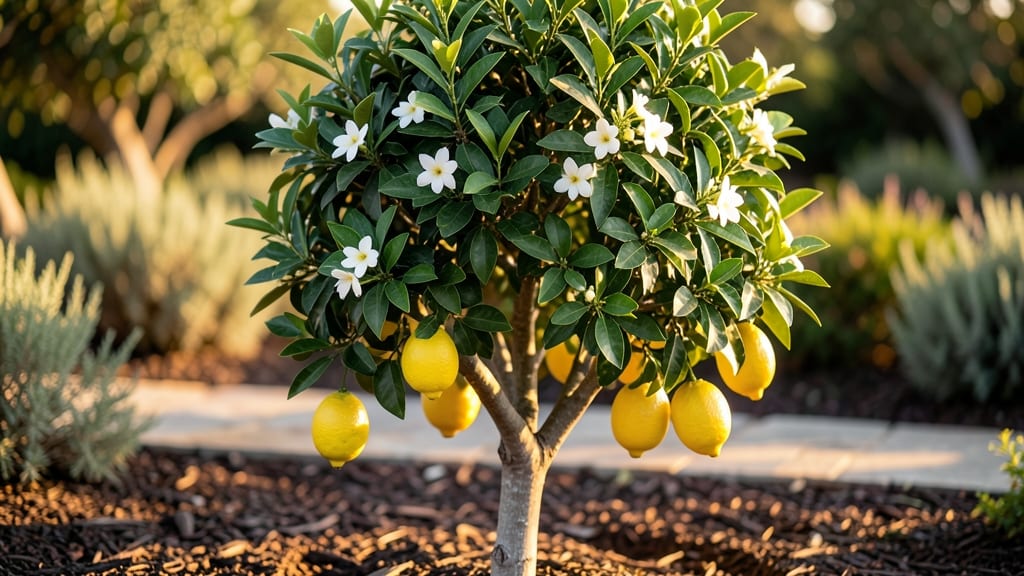
Growing a lemon leaf plant from seedlings means fragrant, fast-growing citrus in just a few months. 🌱 I've watched these delicate seedlings transform into lush, lemon-scented trees that brighten any space—even in small apartments. The secret lies in mimicking their Mediterranean roots with bright light, well-draining soil, and consistent warmth.
You'll need a sunny window or grow light, a pot with drainage holes, and a mix of potting soil and perlite to keep roots happy. These plants thrive in 60-75°F temperatures and want water when the top inch of soil feels dry.
Overwatering is the #1 killer, so let the soil dry slightly between drinks.
Within 3-6 months, you'll see glossy, lemon-scented leaves filling your pot, and with proper pruning, you can shape it into a small tree or bush. The aroma alone makes it worth the effort—just avoid drafts and sudden temperature swings.
Troubleshooting slow growth? Check your light first—citrus needs 6+ hours of bright light daily. Yellow leaves? Often a sign of overwatering or poor drainage. With the right care, these fast growers reward you with years of fragrant foliage and occasional tiny citrus fruits.
📚 In This Guide
- What you need
- Instructions
- Tips and common mistakes
- Wrapping up and next steps
What you need
- ● Lemon leaf plant seedlings: 1–3 healthy, disease-free seedlings (ensure they’re from a trusted source or grown from organic seeds).
- ● Well-draining potting mix: 2–3 gallons of a blend designed for citrus or succulents (e.g., 60% peat moss, 30% perlite, 10% sand). Pro tip: Add a handful of compost for extra nutrients! 🌡️
- ● Containers: Seedling stage: 4–6-inch pots (1–2 per seedling).
- ● Mature stage: 10–15-gallon pots or a raised bed (if outdoors).
- ● Drainage trays or saucers: 1–2 (to catch excess water and prevent root rot).
- ● Fertilizer: Balanced liquid fertilizer (e.g., 10-10-10): 1 bottle (for early growth).
- ● Citrus-specific fertilizer (high in nitrogen): 1 bag (for mature plants).
- ● Watering can or spray bottle: 1 with a fine rose attachment (for gentle watering).
- ● Pruning shears: 1 pair (for shaping and harvesting leaves).
- ● Grow lights or sunny windowsill: 1–2 (if indoors; 6+ hours of sunlight daily is ideal).
- ● Mulch: Pine bark or straw (to retain moisture and regulate soil temperature).
- ● Humidity tray: A shallow tray with pebbles and water (to boost humidity for seedlings).
- ● Soil pH test kit: To ensure your mix is slightly acidic (pH 6.0–7.0).
- ● Support stakes or trellis: For taller varieties (if growing indoors).
- ● Organic pest control: Neem oil or insecticidal soap (for aphids or mites).
Step-by-Step instructions for growing a lemon leaf plant from seedlings
Here's how to coax a fast-growing citrus tree from seedlings—with the right light and care, you'll see real growth in weeks.
🌱 Step 1: Select and Prepare Healthy Seedlings
Choose seedlings with thick stems and 3-4 true leaves—thin, leggy plants struggle to recover. I always inspect the undersides of leaves for pests before bringing them home. Remove any yellowing or damaged leaves with clean, sharp scissors to prevent disease spread.
Soak the root ball in lukewarm water for 10-15 minutes to rehydrate roots before transplanting. This step is critical—dry roots take longer to establish. While soaking, prepare a 4-inch diameter pot with drainage holes using fresh well-draining citrus potting mix. Tap the pot gently to settle the soil before planting.
☀️ Step 2: Position for Bright, Indirect Light Immediately
Lemon leaf plants crave 6-8 hours of bright, indirect light daily—a south-facing window works best, but avoid harsh afternoon sun that can scorch tender new growth. If your seedlings stretch toward the light (a sign of etiolation), they're not getting enough intensity. Rotate the pot a quarter turn weekly so the plant grows evenly.
For faster growth, supplement with a grow light positioned 6-8 inches above the plant. You'll notice leaves darken and thicken within 2-3 weeks of proper light exposure. Watch for crispy leaf edges—this means the air is too dry, and you'll need to increase humidity with a pebble tray or misting.
💧 Step 3: Water and Fertilize for Rapid Growth
Water when the top inch of soil feels dry—stick your finger in to check, as overwatering suffocates roots. Lemon leaf plants prefer slightly moist but never soggy soil. I use room-temperature water to avoid shocking the roots, and always water at the base to prevent fungal spores from splashing onto leaves.
Feed every 4-6 weeks with a balanced citrus fertilizer diluted to half strength. You'll see new growth within 2-3 weeks of fertilizing—look for fresh leaves emerging at the stem's base. If leaves yellow between veins, it's a classic sign of overwatering or nutrient imbalance. Adjust your watering schedule immediately and flush the soil with plain water to reset the pH.
✂️ Step 4: Prune and Encourage Bushier Growth
Pinch back the topmost set of leaves when the plant reaches 6-8 inches tall to encourage branching. This is the moment that transforms a leggy stem into a full, leafy bush. Use clean scissors and make cuts just above a leaf node—never leave stubs, as they invite disease. You'll see new side shoots emerge within 3-4 weeks.
Remove any suckers (shoots growing from the base of the trunk) immediately—they drain energy from your main plant. Prune again in 6-8 weeks to shape the plant and maintain airflow. A well-pruned lemon leaf plant grows 6-12 inches per year under ideal conditions, with glossy, aromatic leaves ready for harvest in 4-6 months.
Tips & tricks for perfect lemon leaf plant growth
Fast growth starts with these targeted strategies—avoid common mistakes that stall citrus development.
Root Revival Technique: In Step 1, that 10-15 minute lukewarm water soak isn't just about hydration—it kickstarts root activity. I've seen seedlings with dried roots recover completely after this treatment, while neglected ones take weeks to revive. Add a pinch of citrus-specific fertilizer to the soak water for an instant nutrient boost that jumpstarts growth.
Light Optimization: The 6-8 hours of bright indirect light in Step 2 is non-negotiable, but here's what nobody tells you: East-facing windows provide perfect morning sun without afternoon intensity. If using grow lights, position them 8 inches above the plant during winter months when daylight shortens—this mimics natural light cycles and prevents leggy growth. Watch for leaves turning pale yellow on the undersides; this means they're getting too much direct sun.
Pruning Precision: When you pinch back at 6-8 inches in Step 4, aim for the topmost set of leaves just above a leaf node—this is where new branches will emerge. I always make cuts at a 45-degree angle to increase surface area for faster healing. After pruning, rotate the plant 90 degrees weekly to ensure even light exposure on all sides, which prevents lopsided growth patterns.
Fertilizer Timing: The 4-6 week feeding schedule in Step 3 works, but here's the secret: Feed right after watering when the soil is moist. This prevents fertilizer burn while maximizing nutrient uptake. I use a liquid seaweed fertilizer alongside the citrus mix—it contains natural growth hormones that accelerate cell division, visible within 10 days as thicker stems and darker green leaves.
Pro Tips for Lemon Leaf Plant
- Fast growth starts with these targeted strategies—avoid common mistakes that stall citrus development.
- Root Revival Technique: In Step 1, that 10-15 minute lukewarm water soak isn't just about hydration—it kickstarts root activity.
- Light Optimization: The 6-8 hours of bright indirect light in Step 2 is non-negotiable, but here's what nobody tells you: East-facing windows provide perfect morning sun without afternoon intensity.
Frequently asked questions
Got questions about growing your own lemon leaf plant?
Here are some of the most common ones—and their answers—to help you cultivate a thriving citrus tree with ease!
How long does it take for a lemon leaf plant to grow from seed?
A lemon leaf plant grown from seed typically takes 12–18 months to bear fruit, though it may produce leaves and a woody structure within 6–12 months. Patience is key—young plants focus on root and branch growth before flowering. For faster results, consider grafting or buying a young tree!
When is the best time to plant lemon leaf seedlings?
The ideal time to plant lemon leaf seedlings is in early spring after the last frost, when soil temperatures are consistently above 60°F (15°C). If you’re in a warm climate, fall planting (3–4 months before winter) also works. Avoid planting in extreme heat or cold—your seedlings need time to establish roots!
How much sunlight does a lemon leaf plant need daily?
Lemon leaf plants thrive with 6–8 hours of direct sunlight daily. In hotter climates, partial shade (especially midday) prevents leaf scorch. If growing indoors, place near a south-facing window or use grow lights for 12–14 hours/day. Yellowing leaves? It might be a sign of too much shade!
Why are my lemon leaf plant’s leaves turning yellow or dropping?
Yellowing or dropping leaves usually signal overwatering, underwatering, or nutrient deficiencies. Check soil moisture—it should be damp but not soggy. Brown edges? Try more water. Pale leaves? Add a balanced citrus fertilizer every 4–6 weeks. Pests (like aphids) can also cause stress—inspect undersides of leaves!
Can I grow a lemon leaf plant indoors, or does it need outdoor conditions?
Yes! Lemon leaf plants adapt well to indoor pots with proper care. Choose a container with drainage holes, use well-draining soil, and ensure bright light. Rotate the pot weekly for even growth. Just watch for spider mites (common indoors)—mist leaves occasionally to boost humidity. A sunny windowsill or grow light setup works wonders!
Wrapping up and next steps
Growing a lemon leaf plant from seedlings is a rewarding journey that brings a touch of citrus charm to your space! 🌱 With the right care—bright light, well-draining soil, and patience—you’ll soon enjoy fragrant leaves and even sweet little lemons.
Whether you’re a beginner or a seasoned gardener, this fast-growing plant is a fantastic way to connect with nature.
Ready to take the next step? Start with a single seedling today and watch your citrus tree thrive. Share your progress with fellow plant lovers or experiment with different varieties—your green thumb will thank you!