
Pests and Diseases
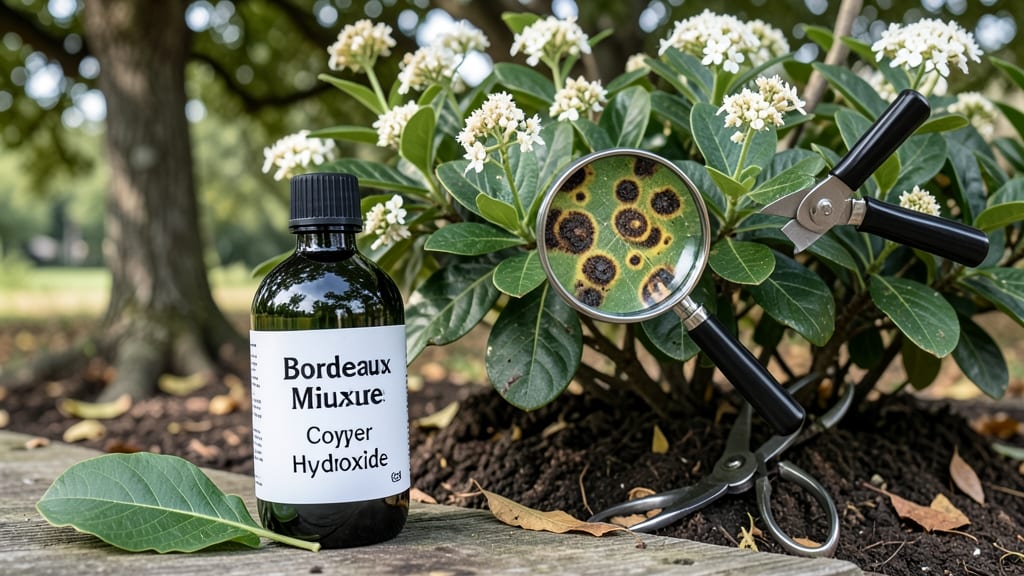
Your ligustrum’s leaves are turning into a polka-dotted mess of brown spots from that dreaded ligustrum leaf spot, and you’re ready to bring them back to life—fast. 🌿 The good news?
Copper fungicide isn’t just a cure; it’s a game-changer for restoring that glossy, healthy foliage in just a few applications. I’ve seen this ugly fungal infection disappear in under two weeks with the right approach, and I’m sharing exactly how to do it without losing your sanity (or your plants).
The problem starts with wet leaves and warm weather—perfect conditions for that sneaky leaf spot fungus to throw a party on your ligustrum’s leaves.
You’ll spot tiny dark spots with yellow halos, and before you know it, those spots multiply like rabbits, turning your once-proud shrub into a sad, spotty shadow of itself. The key to stopping it? Timing—catch it early, and you’ll save yourself a world of frustration later.
With copper fungicide, you’re not just treating the spots; you’re giving your ligustrum a fighting chance to bounce back. Two to three sprays, spaced a week apart, can turn those brown eyesores into vibrant green leaves again.
Plus, it’s a preventative powerhouse—once you’ve got the fungus under control, a few more sprays in the growing season will keep it from crashing the party next time.
Here’s the kicker: this isn’t just about spraying and praying. We’re talking proper technique, the right time of day, and a little extra care to make sure your ligustrum stays healthy long after the spots are gone.
Let’s get those leaves looking lush again—no more sad, spotted shrubs in your yard.
Understanding Fungal Triggers
Ligustrum leaf spot isn’t just a random blemish—it’s a clear signal that your shrub is battling microscopic fungi. These pathogens thrive in specific conditions, turning your glossy green leaves into a canvas of unsightly spots.
Let’s break down the three primary culprits behind this common issue, so you can tackle the root cause (literally) with confidence.
Fungal spores love moisture, and ligustrum leaf spot often starts when water sits on leaves for extended periods. Here’s how it happens:
- Splashing Water: When you water from above (especially with a sprinkler), droplets carry spores from the soil or infected leaves directly onto healthy foliage.
Think of it like a fungal game of telephone—each splash is a new infection risk. - Stagnant Soil: If your ligustrum sits in compacted or poorly draining soil, excess moisture lingers at the roots.
This creates the perfect humid microclimate for fungi like Cercospora or Septoria (common leaf spot pathogens) to germinate and spread. - Rainy Seasons: Prolonged wet weather without breaks forces spores to multiply rapidly.
If your shrub doesn’t dry out between rains, the fungus gets a 24/7 buffet of damp leaves to colonize.
💡 Pro Tip: Adjust your watering technique to soak the soil at the base (not the leaves) and ensure your ligustrum’s planting site has well-amended soil with sand or compost to improve drainage.
Fungi don’t just need water—they also crave low-light, high-humidity hiding spots. Ligustrum’s thick, bushy growth can trap moisture and block airflow, creating the ideal fungal incubator.
- Overcrowded Shrubs: When branches grow too close together, leaves stay shaded and don’t dry quickly. This slows evaporation, leaving spores with a cozy, damp environment to thrive. - Urban or Shady Spots: Ligustrums planted under trees or in tight spaces with little airflow suffer more.
Fungal spores hitchhike on wind or splashing water but spread faster when they’re not disrupted by breezes. - Pruning Neglect: If you skip regular pruning, old or dead leaves accumulate on the ground, harboring spores. These spores then rain down onto new growth during watering or storms.
✨ Actionable Fix: Prune your ligustrum 2–3 times a year to open up the center and improve airflow. Remove any yellowed or spotted leaves immediately—don’t let them become fungal breeding grounds!
Fungal leaf spots peak when temperature and humidity align like a perfect storm. Here’s the science:
- Ideal Fungal Range: Most leaf spot fungi (like Phyllosticta or Alternaria) love temperatures between 60–85°F (15–30°C) with high humidity (70%+).
If your region has long, muggy summers, your ligustrum is in the danger zone. - Morning Dew: Dew on leaves provides free moisture for spores to germinate.
If your shrub doesn’t dry by mid-morning, the fungus gets a head start. - Sudden Weather Shifts: Rapid changes—like cool, damp nights followed by warm, humid days—supercharge fungal growth. Spores release, infect, and multiply faster when conditions flip unpredictably.
🎯 Prevention Hack: If your area is prone to humidity, water early in the day (before 10 AM) so leaves dry before evening. Consider mulching with gravel (instead of organic mulch) to reduce soil moisture retention near the base.
🔥 Key Takeaway: Leaf spot isn’t random—it’s a symptom of environmental conditions you can control. By adjusting watering, pruning, and airflow, you’re not just treating the spots; you’re starving the fungus of its favorite conditions.
Stay tuned for the next section, where we’ll dive into copper fungicide solutions to kick this problem to the curb!
Fixing Fungal Foliage Foes
If your ligustrum’s leaves are showing signs of unsightly spots, don’t panic—there are practical ways to restore their health and prevent further damage. The key is to act quickly, identify the root cause, and apply targeted fixes.
Below, we’ll break down the most common causes of leaf spot and the best remedies to tackle them, along with prevention tips to keep your shrub thriving.
Leaf spot thrives in damp, soggy conditions. If your ligustrum is sitting in waterlogged soil, excess moisture creates the perfect breeding ground for fungal spores.
🍳 Fix It: Improve Drainage & Adjust Watering
- Check the soil: Dig a small hole near the base of the plant. If water pools after 10 minutes, drainage is poor. Amend the soil with compost or perlite to improve aeration.
- Water wisely: Only water when the top 1–2 inches of soil are dry. Use a soaker hose or drip irrigation to deliver water directly to the roots, avoiding overhead sprinkling.
- Mulch properly: Apply a 2–3 inch layer of organic mulch (like shredded bark) around the base, but keep it away from the trunk to prevent rot.
💡 Pro Tip: If your ligustrum is in a container, ensure the pot has drainage holes. Repot if necessary into a mix with sand or gravel for better airflow.
If the spots are dark, circular, and expanding, a fungal infection (like Septoria leaf spot) is likely the culprit. Copper fungicides are a proven, eco-friendly solution.
👨🍳 Treat It: Apply Copper Fungicide
- Choose the right product: Look for a copper-based fungicide (e.g., Copper Sulfate or Copper Hydroxide). Follow label instructions for dilution.
- Apply at the right time: Spray when the plant is dry and early in the morning or late afternoon to avoid leaf burn from UV exposure.
- Cover all surfaces: Focus on the undersides of leaves (where spores often hide) and stems. Use a hose-end sprayer for even coverage.
- Reapply as needed: Fungal spores can return, so treat every 7–14 days until new growth is spot-free.
✨ Extra Tip: For organic control, mix 1 tbsp baking soda + 1 tsp dish soap + 1 gallon water and spray as a preventive measure (test on a small leaf first!).
Sometimes, leaf spot is a secondary issue caused by stress from pests (like aphids or mites) or nutrient deficiencies. A healthy plant resists disease better.
🔪 Strengthen It: Boost Plant Health
- Fertilize properly: Use a balanced, slow-release fertilizer (10-10-10 or 20-20-20) in early spring. Avoid over-fertilizing, which can weaken roots.
- Prune for airflow: Remove dead or crowded branches to improve circulation. This reduces humidity near the foliage, discouraging fungal growth.
- Treat pests: If you spot aphids or mites, blast them off with a strong stream of water or use neem oil (mix 2 tbsp neem oil + 1 tsp mild soap + 1 quart water).
🎯 Prevention Tip: After pruning, sterilize tools with rubbing alcohol to avoid spreading spores to healthy parts of the plant.
If leaf spot appears in fall, the fungus may overwinter and return next year. Cleanup is critical to break the cycle.
🌡️ Clean Up: Remove Infected Debris
- Rake and remove: Collect and dispose of all fallen leaves and infected branches. Do not compost them—this spreads spores.
- Sanitize the area: Sweep the ground beneath the shrub with a vinegar-water solution (1:1 ratio) to kill lingering spores.
- Winter prep: Apply a 2–3 inch mulch layer in late fall to protect roots and suppress fungal growth over winter.
🔥 Final Tip: In early spring, spray the ligustrum with a copper fungicide as a preventive measure before new growth appears.
With these targeted solutions, your ligustrum’s foliage should bounce back in no time. Consistency is key—monitor the plant regularly and adjust care as needed. A little effort now means lush, spot-free leaves for seasons to come! 🌿
Frequently asked questions
Why do my ligustrum leaves develop brown spots even after pruning?
Pruning alone won’t stop fungal leaf spots if moisture remains trapped in the plant. The spots appear because fungal spores thrive in damp conditions—even after trimming, crowded branches or wet foliage create perfect breeding grounds. Combine pruning with copper fungicide applications and improve airflow by thinning dense areas to see real results.
Can I use household vinegar to treat ligustrum leaf spot?
While vinegar (1:1 water solution) can sanitize tools or clean up fallen leaves, it’s not effective as a fungicide for treating active infections. The acidity may help kill spores on surfaces, but it won’t penetrate leaf tissue to stop fungal growth. Stick to copper fungicides or baking soda mixes for treatment.
How often should I apply copper fungicide for prevention?
For prevention, apply copper fungicide every 2–3 weeks during peak fungal seasons (spring to early fall). If your area has high humidity, extend applications to every 10–14 days. Always spray in the early morning or late afternoon to avoid leaf burn from UV exposure.
Will removing spotted leaves stop the spread?
Yes, but it’s only part of the solution. Removing infected leaves reduces spore sources, but spores can linger on tools, soil, or nearby plants. Always sterilize pruners with rubbing alcohol between cuts, and dispose of infected debris in sealed bags—not compost. Pair removal with fungicide for best results.
Can ligustrum leaf spot kill my entire shrub?
While severe infections can weaken the plant, leaf spot rarely kills ligustrum outright. The damage is mostly cosmetic, but repeated fungal attacks stress the shrub, making it vulnerable to other issues. Act fast with copper treatments and cultural fixes (like improving drainage) to keep your shrub thriving for years.