
Pests and Diseases
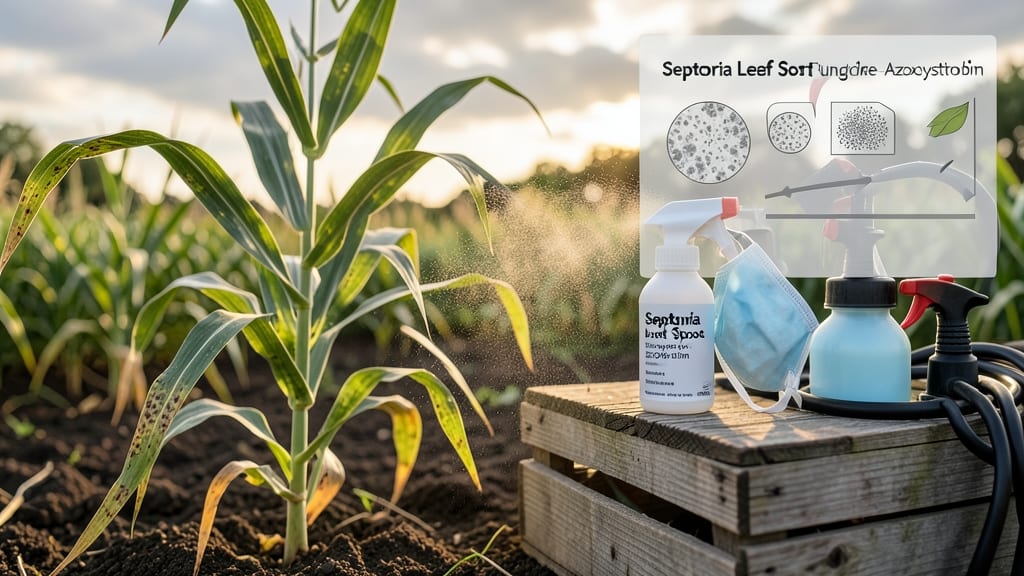
That copper-based spray saved my tomato plants from turning into leafy skeletons last summer. 🌱 Septoria leaf spot spreads faster than weeds in a rainstorm, but copper fungicide stops it in its tracks when applied early.
The key is catching those first brown spots before they turn into a full-blown fungal party.
Most gardeners panic when they see the classic "frog-eye" spots with yellow halos—those are your first warning signs. Copper works because it disrupts fungal spores without harming plants (or pollinators, when used right).
I've used it on tomatoes, wheat, and even my ornamental grasses with great results, though you'll want to apply it preventatively in wet seasons.
Within 5-7 days of treatment, new growth stays spot-free, and existing spots stop spreading. The spray lasts 7-14 days of rain protection, so timing matters—apply it at the first sign of disease or before wet weather hits. Mix it right, and you'll see healthier foliage within weeks.
For long-term control, rotate with neem oil or sulfur sprays and remove infected leaves immediately. The secret? Don't wait—this fungus doubles fast, and once it takes hold, even copper can't fully reverse the damage. Early action is your best defense.
Understanding Fungal Invaders
Septoria leaf spot thrives when conditions align perfectly for fungal growth, turning your plants into a buffet. But why does this stubborn pathogen strike? Let’s break down the key triggers behind its spread, so you can outsmart it before it ruins your garden.
The Septoria tritici fungus (the culprit behind leaf spots) is a water-loving opportunist. When leaves stay wet for long periods—whether from rain, overhead irrigation, or poor air circulation—the fungus gets the perfect breeding ground. Here’s how it works:
- Spores germinate faster in damp conditions, often within 24 hours of leaf wetness.
- High humidity (above 75%) creates a greenhouse effect, slowing leaf drying and prolonging fungal activity.
- Poor drainage in soil keeps roots waterlogged, weakening plants and making them more susceptible to infection.
💡 Pro Tip: Water in the early morning so leaves dry by sunset. Use drip irrigation or soaker hoses to avoid wetting foliage.
Plants under stress—whether from nutrient deficiencies, compacted soil, or overcrowding—put up less of a fight against fungal invaders. Septoria spots exploit:
- Weakened cell walls in leaves, making it easier for spores to penetrate.
- Reduced airflow between plants, trapping moisture and spores in a fungal hotspot.
- Poor nutrition (especially low nitrogen or potassium), which stunts plant immunity.
🌡️ Warning Sign: Look for yellowing lower leaves or stunted growth—classic signs your plants are stressed and vulnerable.
Fungal spores overwinter in plant debris, soil, and even old crop residues. If you don’t clean up:
- Infected leaves left on the ground release spores back into the air, reinfecting healthy plants.
- Contaminated tools (pruners, gloves) can spread spores from plant to plant.
- Compost piles with diseased material become spore factories if not properly heated.
✨ Prevention Hack: Remove and destroy (don’t compost) infected plant material. Sterilize tools with 70% rubbing alcohol or a 10% bleach solution.
Septoria thrives in cool to moderate temperatures (60–75°F / 15–24°C), which is why it’s most aggressive in:
- Spring and fall—when mornings are damp and days are mild.
- Regions with rainy seasons (e.g., Pacific Northwest, UK, or Southeast U.S.).
- Greenhouses, where humidity and temperature are artificially controlled for fungal growth.
🎯 Action Step: Monitor weather forecasts and apply preventive sprays (like copper-based fungicides) before rain or when temps hit the sweet spot for spores.
Quick Fixes for Septoria Leaf Spot
Now that you know what’s causing those unsightly brown spots on your plants, it’s time to take action! The good news is that with the right approach, you can stop the spread and restore your garden’s health.
Below are targeted solutions for common causes, along with preventive tips to keep septoria leaf spot at bay for good.
Problem: Poor air circulation from dense foliage traps moisture, giving fungi the perfect breeding ground.
Fix: ✅ Prune aggressively – Remove infected leaves immediately (bag and dispose of them in the trash, not compost). ✅ Space plants properly – Follow recommended spacing for your crops (e.g., tomatoes should have at least 18–24 inches between plants). ✅ Train vines upward – Use stakes or trellises to elevate plants, improving airflow.
Prevention Tip: 💡 Avoid watering overhead in the evening. Instead, water early in the day so leaves dry quickly.
Problem: Wet leaves for prolonged periods create ideal conditions for septoria spores to germinate.
Fix: ✅ Water at the base – Use drip irrigation or soaker hoses to keep foliage dry. ✅ Water in the morning – This allows leaves to dry within 4–6 hours before nightfall. ✅ Reduce frequency – Let the top 1–2 inches of soil dry out between waterings.
Prevention Tip: 🌡️ Use a moisture meter to track soil dampness—overwatering is a silent killer for fungal diseases.
Problem: If you’ve already spotted lesions, you need copper-based fungicides (like copper hydroxide or copper sulfate) to halt progression.
Fix: ✅ Apply a preventive spray – Mix 1 tbsp copper fungicide per gallon of water and spray every 7–10 days during wet seasons. ✅ Add a biological booster – Alternate with baking soda spray (1 tsp baking soda + 1 tbsp oil + 1 gallon water) for extra protection. ✅ Clean tools between plants – Sanitize pruners with rubbing alcohol to avoid cross-contamination.
Prevention Tip: ✨ Rotate fungicides to prevent resistance—don’t rely on just one product long-term.
Problem: Stressed plants (from poor soil, pests, or nutrient deficiencies) are more susceptible to infections.
Fix: ✅ Fertilize wisely – Use a balanced, organic fertilizer (like compost or fish emulsion) to boost plant vigor. ✅ Test your soil – pH levels between 6.0–7.0 help prevent fungal outbreaks. ✅ Encourage beneficial microbes – Add mycorrhizal fungi or compost tea to improve root health.
Prevention Tip: 💪 Avoid high-nitrogen fertilizers—they promote lush but weak growth, making plants more vulnerable.
Problem: If a plant is 50%+ infected, it may be beyond saving and could infect others.
Fix: ✅ Pull and destroy – Remove the entire plant (roots and all) and do not compost—burn or trash it. ✅ Solarize the soil – Cover the area with clear plastic for 4–6 weeks in summer to kill spores. ✅ Plant resistant varieties next season – Choose septoria-resistant tomato varieties (like ‘Mountain Merit’ or ‘Defiant PhR’).
Prevention Tip: 🎯 Rotate crops yearly—don’t plant tomatoes, wheat, or barley in the same spot two years in a row.
Final Reminder: Consistency is key! Prevention + early action will keep your garden thriving—don’t wait until spots spread. 🚀
Frequently asked questions
Can I use copper spray on edible plants like tomatoes and cucumbers?
Yes, copper-based sprays are safe for edible plants when used correctly. The EPA-approved formulations (like copper hydroxide or copper sulfate) break down into natural compounds. Always follow label instructions—typically 1-2 applications per week during wet seasons. Harvest edible crops at least 1-3 days after spraying to allow residue to settle.
How soon will I see results after applying copper spray?
You should notice new growth staying spot-free within 5-7 days of treatment. Existing spots won't disappear completely, but the spread will halt. For best results, apply when leaves are dry and repeat every 7-14 days during rainy periods or when you see new symptoms.
What's the difference between copper hydroxide and copper sulfate?
Both work against septoria, but copper hydroxide is safer for plants and pollinators with fewer phytotoxicity risks. Copper sulfate is more potent but requires careful dilution (1 tsp per gallon) and can burn foliage if overused. Hydroxide is often preferred for organic gardens and frequent applications.
Will copper spray work if my plants are already heavily infected?
Copper spray helps stop further spread but won't revive severely damaged plants. For plants with 50%+ infection, remove them immediately to prevent contamination. Focus copper treatments on healthy plants and nearby foliage to create a protective barrier.
Can I mix copper spray with other fungicides?
Yes, but with caution. Copper works well with baking soda spray (1 tsp baking soda + 1 tbsp oil per gallon) or neem oil. Never mix with sulfur—it creates toxic fumes. Always test mixtures on a small leaf area first. Rotate treatments to prevent fungal resistance.