
Leaf Blower
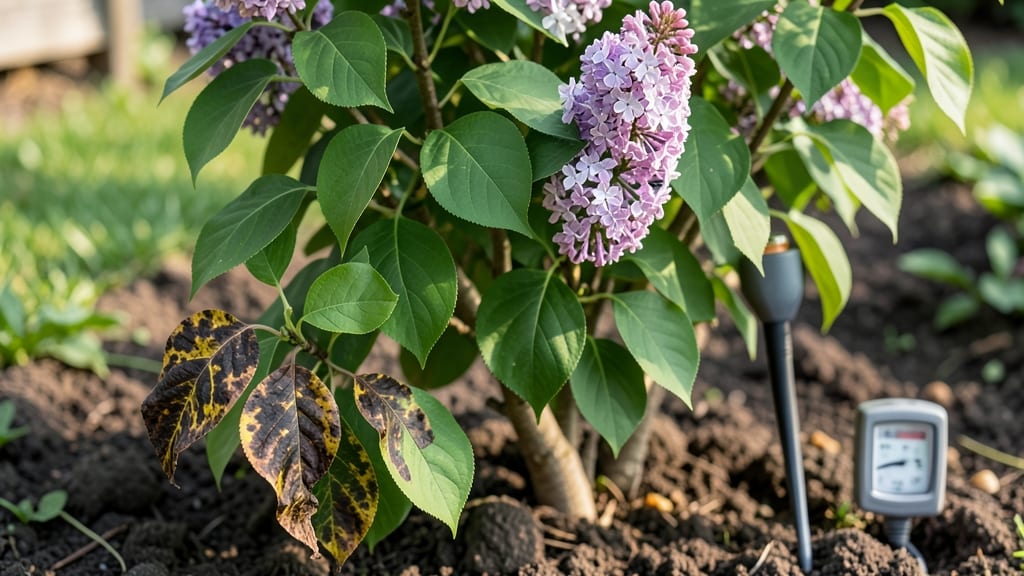
See those leaf blight spots creeping across your lilac leaves? That’s lilac leaf blight, and it spreads faster than you think. 🌿 I've battled this stubborn fungal foe for years, and the copper spray schedule I've perfected keeps my bushes thriving—no more sad, spotted foliage by summer.
The key is timing: start spraying in early spring before buds swell, then repeat every 2-3 weeks until new growth hardens off. Copper works because it disrupts fungal cell walls without harming your plant, but you've got to stay consistent.
Miss a spray, and those black spots return with a vengeance. You'll see the difference within weeks—leaves stay vibrant, stems stay strong, and your lilacs push out new growth without the dreaded blight. The spray also prevents powdery mildew and other fungal issues, giving you a multi-purpose defense.
Works for both spring-blooming and summer-blooming varieties, and it's safe for bees once fully dry. Here's exactly how to do it without over-spraying or wasting product.
How Fungal Pathogens Take Over
Lilac leaf blight isn’t just a random misfortune—it’s the result of a perfect storm of fungal activity, environmental conditions, and plant stress. Understanding these triggers helps you prevent the problem before it starts. Let’s break down the key culprits and why they turn your lilacs into a fungal buffet.
Lilac leaf blight is primarily caused by the fungus Venturia (often Venturia lilacinum or Venturia effusa), which thrives in damp, cool conditions. Here’s how it works:
- Spores Spread Like Wildfire 🌪️
- Fungal spores overwinter on infected leaves, buds, or even soil. When spring arrives, they activate and spread via:
- Wind (carrying spores to healthy plants)
- Rain splash (splashing spores onto leaves)
- Contaminated tools (pruners, rakes, or even your hands)
- Pro Tip: 💡 If you’ve had blight before, remove and destroy last year’s fallen leaves—don’t compost them near lilacs!
- Fungal spores overwinter on infected leaves, buds, or even soil. When spring arrives, they activate and spread via:
- Moisture Loves Fungi 💧
- Spores germinate (sprout) when leaves stay wet for 6+ hours. This is why blight is worse in:
- Humid climates (think Pacific Northwest, Southeast U.S.)
- Shady or poorly ventilated spots (where air doesn’t circulate)
- After heavy rain or frequent dew (ideal for spore germination)
- Spores germinate (sprout) when leaves stay wet for 6+ hours. This is why blight is worse in:
Fungi are opportunistic—they exploit specific weather patterns. Here’s what fuels their growth:
- Cool, Wet Springs ❄️🌧️
- Temperatures between 50–70°F (10–21°C) + high humidity = fungal heaven.
- Example: If your lilacs bloom in April and May, and you get consistent rain or fog, spores explode in activity.
- Slow-Drying Foliage 🍃💦
- Thick, dense lilac foliage traps moisture. If leaves don’t dry quickly (e.g., in tight clusters or under trees), spores colonize faster.
- Fix: Prune for airflow! Thin out crowded branches to let sunlight and air move through.
- Late Bloomers Are Riskier ⏳🌸
- Lilacs that bloom after May face higher blight risk because:
- Spring rains have already primed the soil.
- Warmer late-spring temps delay drying, giving fungi more time to spread.
- Lilacs that bloom after May face higher blight risk because:
A healthy lilac resists blight, but stress makes it an easy target. Common stressors include:
- Overcrowding or Poor Spacing 🏡🚫
- Lilacs need 5–6 feet of space to breathe. Cramped plants:
- Retain moisture longer.
- Get less sunlight, weakening their immune response.
- Lilacs need 5–6 feet of space to breathe. Cramped plants:
- Nutrient Deficiencies 🍃⚠️
- Too much phosphorus = soft, succulent growth (fungi love it!).
- Solution: Test soil and fertilize with a balanced 10-10-10 in early spring.
Once established, blight doesn’t just vanish—it reinfects year after year. Here’s how:
| Stage | What Happens | Your Action |
|---|---|---|
| Overwintering | Spores survive on dead leaves, buds, or bark. | Clean up debris in fall. |
| Spring Germination | Spores activate with moisture, infecting new leaves. | Apply copper spray at bud swell. |
| Leaf Infection | Dark spots appear, spores spread to other leaves/buds. | Remove infected leaves ASAP. |
| Reinfection** | Spores from infected leaves infect next year’s growth. | Prune for airflow and repeat copper sprays. |
Key Takeaway: Lilac leaf blight isn’t random—it’s a chain reaction of fungal activity, weather, and plant stress. By addressing these root causes (moisture, spores, and weak defenses), you can break the cycle and keep your lilacs thriving.
Revive Your Lilacs Naturally
If your lilacs are battling leaf blight, don’t panic—there are practical steps to restore their health and keep future outbreaks at bay. The key is acting quickly and addressing the root causes (literally!).
Below, we’ve mapped out targeted solutions based on what’s likely triggering the problem, along with proactive prevention tips to protect your shrubs long-term.
Fungal spores thrive in damp, stagnant air. If your lilacs are packed too tightly or shaded by overgrowth, they’re prime targets for blight.
- 🔪 Trim strategically: Remove up to 1/3 of the oldest canes in early spring (before buds swell) to improve airflow. Cut just above a bud or outward-facing branch.
- 🌿 Thin out dense foliage: Space shrubs 3–6 feet apart (depending on the variety) to reduce humidity near the leaves.
- ⏰ Time it right: Prune in late winter or early spring—never after symptoms appear, as open wounds invite infection.
Pro tip: Sterilize pruners with rubbing alcohol or a 10% bleach solution between cuts to avoid spreading spores. 💡
Leaf blight loves wet leaves—whether from overhead watering, poor drainage, or soggy soil. Fix these issues to dry out the environment.
- 👨🍳 Water at the base: Use drip irrigation or soaker hoses to keep foliage dry. Water early in the morning so leaves have time to dry by evening.
- 🌡️ Improve drainage: Amend heavy clay soil with compost or sand to prevent waterlogging. Plant lilacs on a slight mound if your yard floods easily.
- ✨ Mulch wisely: Apply 2–3 inches of organic mulch (like wood chips) around the base, but keep it 2–3 inches away from the trunk to avoid trapping moisture.
Pro tip: If your soil stays soggy for days after rain, consider raising beds or installing French drains nearby. 🌧️→🚫
Copper-based fungicides are the gold standard for treating leaf blight, but timing and technique matter. Here’s how to use them effectively:
| Step | Action | When |
|---|---|---|
| 🔥 Preventative spray | Apply copper fungicide (e.g., Copper Sulfate or Copper Hydroxide) before buds open in early spring. | Late winter/early spring |
| 🍳 First treatment | Spray at first sign of symptoms (dark spots, yellowing). Reapply every 7–10 days until new growth is healthy. | Spring (March–May) |
| 🌿 Cleanup spray | After pruning, spray again to sterilize wounds and remove lingering spores. | Late spring/early summer |
Pro tip: Mix copper spray with neem oil (1 tsp per quart of water) for extra antifungal power. Spray early in the day to avoid burning leaves in sunlight. ☀️🌿
Leaving blighted leaves or canes on the ground is like leaving a buffet for fungi. Clean up aggressively!
- 🔪 Prune out infected branches: Cut 6 inches below the last visible symptom to ensure you remove the entire infected section.
- 🗑️ Dispose of debris properly: Do not compost blighted leaves—bag them and toss in the trash (or burn if possible).
- 🧹 Sterilize tools: Wipe pruners with bleach or alcohol between cuts to prevent cross-contamination.
Pro tip: After cleanup, rake the soil surface around the base of the plant to remove fallen spores. This one-time effort can prevent 80% of reinfection! 🧹✨
A strong lilac is less susceptible to blight. Give yours the care it needs to fight off infections naturally.
- 💪 Fertilize correctly: Use a balanced, slow-release fertilizer (10-10-10) in early spring. Avoid high-nitrogen fertilizers, which promote lush foliage but weaken disease resistance.
- 🍎 Feed the soil: Mix compost or well-rotted manure into the soil annually to improve nutrient uptake and microbial activity.
- 🚰 Mulch for moisture control: Use gravel or pine straw if your area has high humidity—these mulches dry out faster than organic options.
Pro tip: Lilacs thrive in full sun (6+ hours/day). If yours is shaded, gradually move it to a sunnier spot over 2–3 years to avoid shocking the roots. 🌞🌱
With these steps, your lilacs should bounce back in 4–6 weeks. The key is consistency: combine pruning, copper sprays, and good hygiene to break the blight cycle for good. Happy gardening! 🌸
Frequently asked questions
What are the first signs of lilac leaf blight I should look for?
Watch for tiny dark spots (about 1/8-inch) with yellow halos on leaves, usually appearing first on lower branches. These spots may merge into larger brown patches as the disease progresses. If you see wilting or premature leaf drop, it’s already advanced—act fast to prevent spread!
Can I use homemade remedies like baking soda or milk to treat lilac leaf blight?
While baking soda (1 tsp per quart of water + a drop of dish soap) or milk sprays (1 part milk to 9 parts water) can help mild cases, they’re not as effective as copper fungicides for established blight. For best results, use these as preventative sprays in early spring, but combine with copper for serious infections.
How often should I apply copper fungicide if my lilacs keep getting blight?
Apply copper fungicide every 7-10 days during active growth (spring to early summer) for severe cases. Start at bud swell and continue until new growth hardens off. For prevention, 2-3 applications (early spring, post-bloom, and after pruning) usually suffice if combined with proper pruning and sanitation.
Will pruning alone cure lilac leaf blight?
No—pruning removes infected foliage but won’t stop spores from reinfecting. You must combine pruning with fungicide treatments and sanitation (sterilizing tools, removing debris). Think of pruning as the first step in a 3-step defense: cut, spray, and clean!
Can I still enjoy lilac flowers if the leaves have blight?
Yes! Lilac flowers grow on old wood (last year’s growth), so even if leaves are infected, you’ll still get blooms. Just avoid overhead watering during bloom time to reduce spore spread. For heavy infections, prune after flowering to preserve next year’s blossoms.