
Leaf Blower
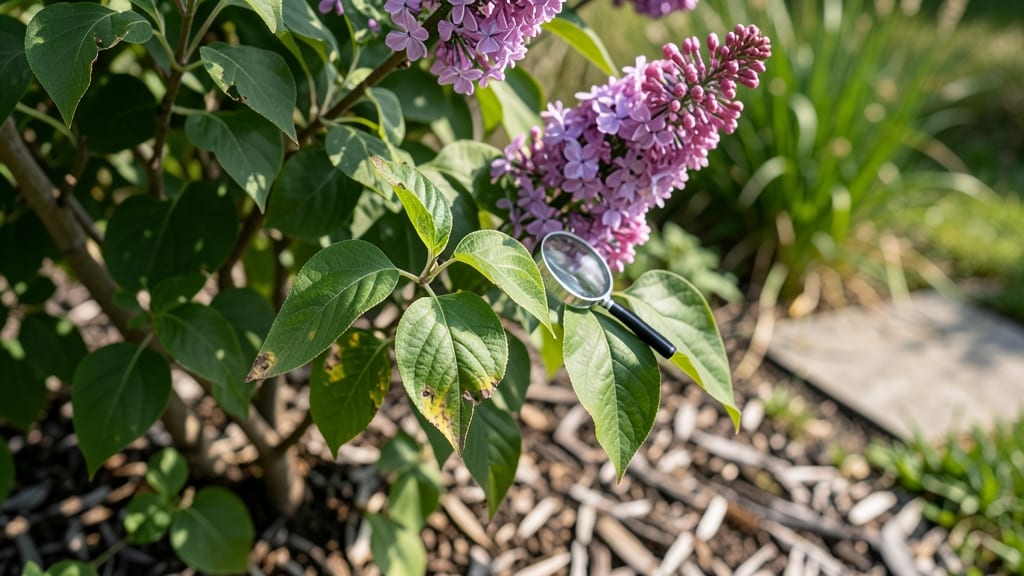
Lilac leaf curl turns your fragrant shrubs into twisted, puckered messes—until you hit it with the right copper fungicide timing. 🌿 I’ve watched this fungal disease ruin perfectly healthy lilacs in just a few weeks, but I’ve also saved plants with a single targeted spray at the right moment.
The key is catching it early: curled, thickened leaves that look like they’ve been crumpled overnight. Copper fungicide works best when applied before buds swell in early spring, but you can still rescue plants if you act fast. Prune out infected leaves immediately—they’re contagious.
With proper treatment, your lilacs bounce back stronger, blooming just as heavily as before. The secret is combining copper sprays with clean pruning tools and spacing plants so air circulates. You’ll be back to enjoying those sweet spring fragrances in no time.
Even if your lilacs look hopeless now, don’t give up—this disease responds better than most gardeners realize. The right approach turns a sad, curled mess into a thriving, fragrant shrub by summer.
The Hidden Triggers Behind Leaf Distortion
If your lilacs are sporting curled, puckered leaves that look more like crumpled paper than vibrant foliage, a fungal infection is likely the culprit. But before you reach for that fungicide, it helps to understand why these unsightly symptoms appear.
The culprits behind leaf curl are often a mix of environmental stress and fungal activity—let’s break down the key factors that set the stage for this problem.
The most common cause of lilac leaf curl is the Taphrina sadebeckii fungus, a microscopic organism that thrives in moist, cool conditions. This pathogen infects young, emerging leaves in spring, causing them to thicken, curl, and distort as the fungus feeds on plant tissues.
Unlike many fungal diseases, Taphrina doesn’t produce visible spores on the leaf surface—instead, it grows inside the leaf cells, disrupting normal growth patterns.
Other related fungi, such as Taphrina cerasi (which can also affect lilacs), behave similarly, leading to the same unsightly symptoms. These fungi are obligate parasites, meaning they require living plant tissue to survive and reproduce. Without intervention, they can weaken the plant over time, reducing flowering and overall vigor.
Fungal infections like leaf curl don’t happen in a vacuum—they’re often triggered or worsened by specific weather patterns. Here’s how climate plays a role:
- Cool, Wet Springs: Taphrina spores overwinter on infected leaves or buds. When temperatures hover between 50–65°F (10–18°C) and rainfall is frequent, spores germinate and infect new growth. Prolonged leaf wetness (12+ hours) is particularly risky, as it creates ideal conditions for fungal spread.
- High Humidity: Even without rain, humidity levels above 70% can encourage spore release and infection. This is why leaf curl is more common in shaded or densely planted areas where air circulation is poor.
- Late-Freezing Threats: A sudden late frost after buds have swollen can stress the plant, making it more susceptible to fungal invasion. Damaged or weakened tissue is an open invitation for pathogens.
💡 Pro Tip: If your region has a history of damp springs, consider preventive fungicide applications in early spring (before buds swell) to create a protective barrier.
A healthy lilac is far less likely to succumb to leaf curl. When plants are stressed—whether from poor nutrition, drought, or physical damage—their natural defenses weaken, making them prime targets for fungal invaders. Common stress factors include:
| Stress Factor | How It Increases Risk |
|---|---|
| Nutrient Deficiencies (especially nitrogen or potassium) | Weakens cell walls, making leaves more vulnerable to fungal penetration. |
| Overwatering or Poor Drainage | Leads to root rot and waterlogged soil, creating a fungal-friendly environment. |
| Physical Damage (from hail, pests, or improper pruning) | Open wounds provide entry points for spores to colonize. |
| Compaction or Root Bound Conditions | Restricts nutrient uptake, stressing the plant and reducing resistance. |
Even over-fertilizing with nitrogen can promote lush but weak growth, making lilacs more attractive to fungal pathogens. A balanced approach—with a focus on potassium and phosphorus—helps bolster the plant’s immune system.
Lilacs that are planted too closely together or surrounded by dense shrubbery create a microclimate that traps moisture and limits airflow. Without proper ventilation:
- Humidity remains elevated near the foliage.
- Leaves stay wet longer after rain or dew.
- Fungal spores linger and spread more easily between plants.
This is why leaf curl often appears in hedges or thick plantings rather than isolated lilac bushes. 🌡️ Solution: Prune surrounding vegetation to improve airflow, and avoid planting lilacs in shaded, low-lying areas where moisture pools.
Fungal spores can overwinter on fallen leaves, infected twigs, or even mummified buds from the previous season. If you leave these materials on the ground or in the garden:
- Spores survive and reinfect new growth the following spring.
- The fungus can spread to nearby plants via wind, water, or garden tools.
✨ Key Action: Remove and dispose of (not compost) all fallen lilac leaves and pruned debris in fall or early winter to break the infection cycle.
Fixing Twisted Lilac Leaves Fast
If your lilac bushes are sporting curled, distorted leaves, don’t panic—this fungal issue is treatable! The key is acting quickly and targeting the root cause. Below are practical, step-by-step solutions tailored to the most common triggers of leaf curl, plus prevention tips to keep your lilacs thriving. 🌿✨
Fungal spores thrive on decaying plant matter, so the first step is sanitation. Prune away all curled, yellowed, or spotted leaves as soon as you spot them. Use sharp, sterilized pruners (wipe with rubbing alcohol between cuts) to avoid spreading spores.
- 🔪 When to prune: Early spring or late fall (avoid summer heat stress).
- 🗑️ Dispose of clippings: Seal them in a plastic bag and toss in the trash not the compost pile.
- 💡 Pro tip: If leaves are heavily infected, consider removing entire branches to prevent reinfection.
Copper fungicides are the gold standard for treating leaf curl caused by Apiognomonia veneta (the fungus behind this issue). They’re effective, organic-friendly, and disrupt the fungal cell walls.
- 🔄 How to apply:
- Choose a ready-to-use copper spray (e.g., Copper Soap, Bordeaux Mixture, or Copper Fungicide).
- 🌧️ Timing: Spray before bud break in early spring and again after flowering (every 2–3 weeks if rain washes it off).
- 🌿 Coverage: Focus on both sides of leaves and stems. Use a low-pressure sprayer for even distribution.
- ⚠️ Safety note: Wear gloves and avoid spraying on windy days to prevent drift onto edibles or pets.
- 💡 Pro tip: Mix 1 tsp baking soda + 1 quart water + a few drops of dish soap as a preventative rinse between copper treatments.
Overhead watering or poor drainage creates the perfect humid environment for fungal spores. Switch to these drought-smart habits:
- 💧 Water at the base: Use a soaker hose or drip irrigation to keep foliage dry.
- ⏰ Best time to water: Early morning (allows leaves to dry by evening).
- 🌱 Improve drainage: Amend heavy clay soil with compost or perlite to prevent waterlogging.
- 💡 Pro tip: Mulch around the base of lilacs with 2–3 inches of wood chips to regulate soil moisture.
A stressed lilac is more susceptible to infections. Give your bushes the care they need to fight back:
- 🌿 Fertilize wisely: Use a balanced, slow-release fertilizer (10-10-10) in early spring. Avoid high-nitrogen fertilizers, which promote leafy growth but weaken disease resistance.
- ☀️ Prune for airflow: Thin out crowded branches to reduce humidity and improve sunlight penetration.
- 🌡️ Watch for pests: Aphids and spider mites weaken lilacs—blast them off with a hose or use neem oil.
- 💡 Pro tip: Plant garlic or chives nearby—their natural antifungal properties deter fungal spores!
Once your lilacs recover, keep them healthy year-round with these low-maintenance habits:
| Season | Task | Why It Works |
|---|---|---|
| 🌸 Spring | Apply copper fungicide before buds swell. | Catches spores early and protects new growth. |
| ☀️ Summer | Water deeply but infrequently (1–2x/week). | Prevents fungal spores from thriving in damp leaves. |
| 🍂 Fall | Rake and remove fallen leaves. | Eliminates overwintering spores. |
| ❄️ Winter | Mulch with 3 inches of straw to protect roots. | Insulates soil, reducing spring stress. |
✨ Final thought: Consistency is key! With these steps, your lilacs should bounce back in 1–2 growing seasons—and stay resilient against future infections.
Frequently asked questions about lilac leaf curl
What do lilac leaf curl symptoms look like exactly?
Look for leaves that appear thickened, puckered, or curled like crumpled paper. The undersides may develop a white, powdery coating. Infected leaves often turn yellow or brown and may drop prematurely. Unlike other diseases, leaf curl doesn’t produce visible spots or mildew.
Can I still save my lilac if it already has curled leaves?
Yes! Act fast by pruning infected leaves immediately and applying copper fungicide. The key is removing all infected foliage (don’t compost it) and treating with fungicide before new buds form. With proper care, lilacs often recover fully within 1-2 growing seasons.
How often should I apply copper fungicide for prevention?
Apply copper fungicide twice a year: once before bud break in early spring and again after flowering. If your area gets frequent rain, add a third application. Always spray in the evening to avoid leaf burn from sunlight.
Will removing infected branches help stop the spread?
Cut out infected branches at the base using sterilized pruners. Dispose of clippings in the trash (not compost) and avoid pruning during wet weather. For severe cases, remove entire branches to prevent fungal spores from spreading to healthy growth.
Are there any organic alternatives to copper fungicide?
Yes! Try a homemade spray of 1 tsp baking soda + 1 quart water + a few drops of dish soap. Apply in the morning and reapply after heavy rain. For extra protection, plant garlic or chives nearby—their natural antifungal properties help deter fungal spores.