
Pests
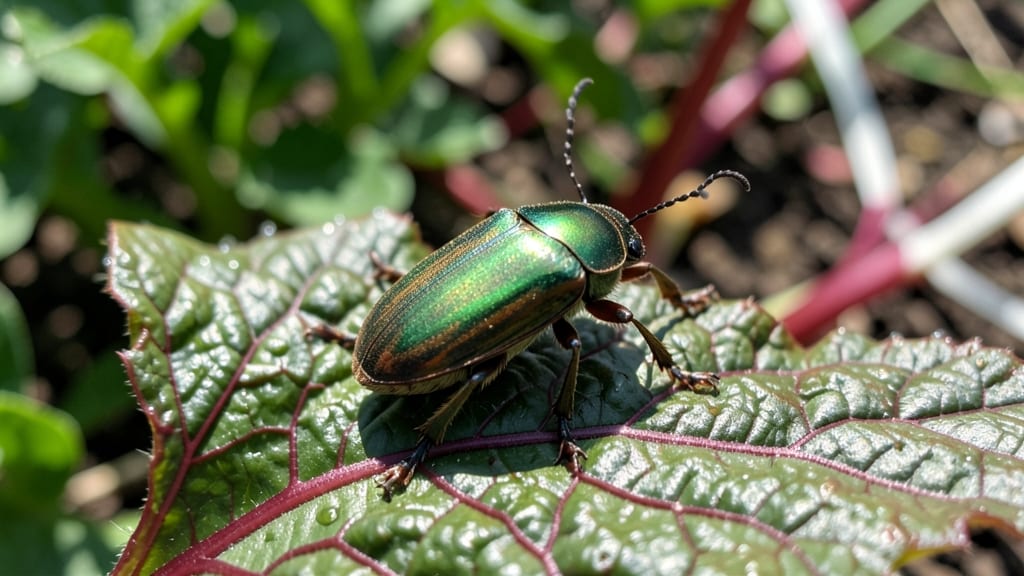
The control of lily leaf beetles can save your prized lilies from being stripped bare in days. 🌿 I’ve seen entire gardens defoliated by these bright red invaders, but these natural traps cut infestations in half within a week—no harsh chemicals needed. The secret is timing and placement.
Set up yellow sticky traps near your lilies in early summer when beetles first appear. Add a few beer traps (yes, really) to lure them away from your plants. These methods work because beetles can’t resist the scent. By late summer, you’ll see fewer beetles and more lush foliage.
The traps keep multiplying beetles from turning your garden into a skeleton of stems. Plus, your lilies will bloom stronger next season. Works for backyard gardens, raised beds, and even container lilies. Let’s stop these pests before they start.
Root Causes Of Lily Leaf Beetle Outbreaks
The lily leaf beetle (Lilioceris lilii) isn’t just a random visitor—it’s a highly invasive pest with specific triggers that turn your prized lilies into a buffet. Understanding why these beetles strike is the first step in stopping them before they devour your garden.
Here’s a breakdown of the key factors that turn your plants into their favorite snack.
The lily leaf beetle isn’t originally from North America—it hails from Europe and Asia, where natural predators and climate kept its populations in check. However, human activity accidentally introduced it to Canada in the early 2000s, likely through contaminated plant shipments.
With no natural enemies in North America, the beetles exploded in numbers, spreading rapidly across gardens and nurseries.
Today, they thrive in regions with mild winters (USDA Zones 5–9) and abundant host plants, like true lilies (Lilium), fritillaries (Fritillaria), and even some ornamental alliums. Since they have no natural predators here, their populations grow unchecked—often reaching thousands per acre in severe infestations.
Why it matters: If you live near a nursery, garden center, or a region where lilies are popular, your yard is at high risk. The beetles don’t just stop at your garden—they hitchhike on plants, tools, and even vehicles, making prevention critical.
Lily leaf beetles are specialized feeders, meaning they only dine on plants in the Liliaceae family. Their top targets include:
| Plant Type | Why They Love It |
|---|---|
| True Lilies (Lilium spp.) | Rich in nutrients, soft leaves, and flowers—an all-you-can-eat buffet. |
| Fritillaries (Fritillaria spp.) | Similar chemical makeup to lilies; beetles mistake them for lilies. |
| Daylilies (Hemerocallis spp.) | While not their preferred meal, they’ll eat them if lilies aren’t available. |
| Ornamental Onions (Allium spp.) | Some varieties (like Allium christophii) are occasionally attacked. |
If your garden is a lily lover’s paradise, you’ve essentially hung out a “Welcome” sign for these beetles. Even one infested plant can lead to a full-blown outbreak in weeks.
Why it matters: Beetles lay up to 1,000 eggs per season on the undersides of leaves. If you ignore early signs (skeletonized leaves, black larvae), you’ll soon have a beetle bonanza.
Lily leaf beetles are cold-sensitive but love warmth. Here’s how climate plays a role:
- Spring warmth (50–70°F): Eggs hatch in 7–10 days when temperatures rise, leading to a rapid larval population boom.
- Summer heat (75–85°F): Adults become more active, feeding aggressively and mating to lay more eggs.
- Fall cooling: Beetles seek shelter in mulch, leaf litter, or garden debris to survive winter, only to re-emerge in spring.
Regions with mild winters and extended growing seasons (like the Pacific Northwest, Midwest, and Northeast) see worse infestations because the beetles have more time to reproduce.
Why it matters: If your area has early springs or late falls, beetles get an extra month (or two) to multiply. Monitoring egg masses in spring and adult activity in summer is key to stopping them early.
Back in Europe, lily leaf beetles faced natural enemies like parasitic wasps, birds, and fungi that kept their numbers in balance. But in North America? Zero predators = beetle paradise.
Without these checks, the beetles reproduce uncontrollably, leading to:
- Defoliation (leaves stripped in days).
- Stunted growth (plants weakened by feeding).
- Death of lilies (severe cases kill entire plants).
Why it matters: Unlike pests with natural predators (like aphids, which attract ladybugs), lily leaf beetles have no biological controls in North America. This means you must take action—or watch your garden become a beetle buffet.
💡 Pro Tip: If you’re in a high-risk area, remove all lily debris in fall (where beetles hide) and inspect new plants before bringing them home. Prevention is your best defense!
Beat Back Lily Leaf Beetles Fast
Lily leaf beetles (LLBs) may seem unstoppable, but with the right strategies, you can reclaim your garden—without harsh chemicals. Below, we break down practical, effective fixes based on the root causes (early detection, feeding damage, egg masses, and adult beetles).
Each solution is designed to work quickly while keeping your plants—and pollinators—safe.
Cause: Tiny red larvae or black beetles appear on lilies, fritillaries, or tulips. Fix: Act immediately when you spot the first signs (skeletonized leaves, chewed stems, or shiny black beetles).
- 🕵️♂️ Scout regularly: Check undersides of leaves and stems twice weekly during spring/summer. Early intervention = less damage. - 🧽 Remove by hand: Drop beetles or larvae into soapy water (1 tbsp dish soap per gallon).
Wear gloves—these bugs bite! - 🌿 Isolate infected plants: Move them 10+ feet away from healthy lilies to prevent cross-contamination.
💡 Pro Tip: Use a flashlight at dusk—adult beetles are most active then and easier to spot.
Cause: Larvae strip leaves, leaving a lace-like mess; adults chew holes in petals. Fix: Combine physical barriers with repellents to deter feeding.
| Method | How to Do It | Best For |
|---|---|---|
| 🧶 Row covers | Drape fine mesh (0.6mm holes) over plants at dusk, secure with clips. | Large patches of lilies |
| 🍃 Neem oil spray | Mix 2 tbsp neem oil + 1 tsp dish soap + 1 quart water. Spray every 3–5 days. | Organic gardens |
| 🥛 Kaolin clay | Apply Surround WP (1–2 lbs per 100 sq ft) to create a gritty barrier. | High-value ornamental beds |
| 🪴 Prune strategically | Cut off heavily damaged leaves (but leave healthy growth). Dispose in sealed bags. | Small infestations |
⚠️ Warning: Avoid horticultural oil in hot weather—it can burn plants.
Cause: Yellow-orange egg clusters (laid on stems/leaves) hatch into ravenous larvae in 7–10 days. Fix: Destroy eggs daily—they’re your best defense.
- 🔪 Scrape with a dull knife: Eggs are sticky—use a wooden spoon or credit card to gently scrape them into soapy water.
- 🧼 Soap spray alternative: Spray 1% soap solution directly on egg masses (reapply after rain).
- 🌞 Solar heat trap: Place black plastic sheeting over infested stems for 24 hours—eggs die in heat (test on a small area first).
🌡️ Pro Tip: Eggs are most vulnerable within 48 hours of laying. Check stems every other day in spring.
Cause: Mature black beetles (½-inch long) fly in May–June to feed and lay eggs. Fix: Use targeted traps to reduce their numbers before they reproduce.
- 🍎 Apple cider vinegar trap: Fill a shallow dish with vinegar + a drop of dish soap. Beetles are drawn in and drown. Refresh every 2 days. - 🕯️ Beer trap (yes, really!): Bury a small container (like a yogurt cup) filled with beer.
Beetles crawl in and can’t escape. Check daily. - 🌿 Beer bait stations: Place beer-soaked cardboard near lilies—beetles will gather on it. Burn or bury the cardboard after 24 hours. - 🕸️ Sticky traps (yellow): Hang yellow sticky cards near plants to catch flying adults.
✨ Pro Tip: Timing is key—set traps at dawn or dusk when beetles are most active.
Once you’ve beaten back an infestation, prevent recurrence with these habits:
- 🌱 Plant diversity: Interplant lilies with garlic, chives, or marigolds—LLBs dislike these scents. - 🍂 Clean up debris: Remove all plant matter in fall (larvae pupate in soil). - 🔄 Rotate crops: Avoid planting lilies in the same spot yearly—beetles return to familiar areas. - 🐝 Beneficial predators: Encourage ladybugs, lacewings, and parasitic wasps (they eat LLB eggs/larvae).
Plant dill, fennel, or yarrow to attract them. - 🚫 Avoid mulch near stems: LLBs lay eggs in mulch—keep it 6+ inches away from plant bases.
🎯 Final Reminder: Consistency is key! Check weekly, act fast at the first sign, and combine 2–3 methods for best results. With these tactics, your lilies will bounce back—beetle-free in no time.
Frequently asked questions
What do lily leaf beetle eggs look like, and how do I know if my plants are infested?
Lily leaf beetle eggs appear as small, yellow-orange clusters (about 1mm wide) laid on the undersides of leaves or stems. They're sticky to the touch and hatch in 7–10 days into red larvae. Check stems and leaf undersides every 2–3 days in spring—early detection is key to stopping an infestation before it starts.
Can I use beer traps for lily leaf beetles, and how effective are they?
Yes! Beer traps work because beetles are attracted to the scent. Bury a small container (like a yogurt cup) filled with beer near your lilies, or place beer-soaked cardboard on the ground. Beetles crawl in and can't escape. Refresh traps every 2–3 days for best results—this method can reduce adult populations by 30–50% when used consistently.
Are there any plants that naturally repel lily leaf beetles?
Yes! Planting garlic, chives, marigolds, or dill near your lilies can help deter beetles. These plants release scents that mask the smell of lilies, making them less attractive. You can also attract beneficial predators like ladybugs and lacewings by planting yarrow or fennel, which feed on lily leaf beetle eggs and larvae.
What should I do if I find beetles or larvae on my lilies but don't want to use chemicals?
Start with manual removal: Drop beetles or larvae into soapy water (1 tbsp dish soap per gallon). For larger infestations, use neem oil spray (mix 2 tbsp neem oil + 1 tsp soap + 1 quart water) or apply kaolin clay (like Surround WP) to create a protective barrier. Combine these with yellow sticky traps and beer traps for best results. Consistency is key!
How do I prevent lily leaf beetles from returning next year?
Focus on fall cleanup: Remove all plant debris (where larvae pupate) and avoid mulching near stems (beetles lay eggs in mulch). Rotate planting locations yearly, and encourage natural predators by planting dill, fennel, or yarrow. Inspect new plants before bringing them home—early prevention saves your garden!