
Leaf Blower
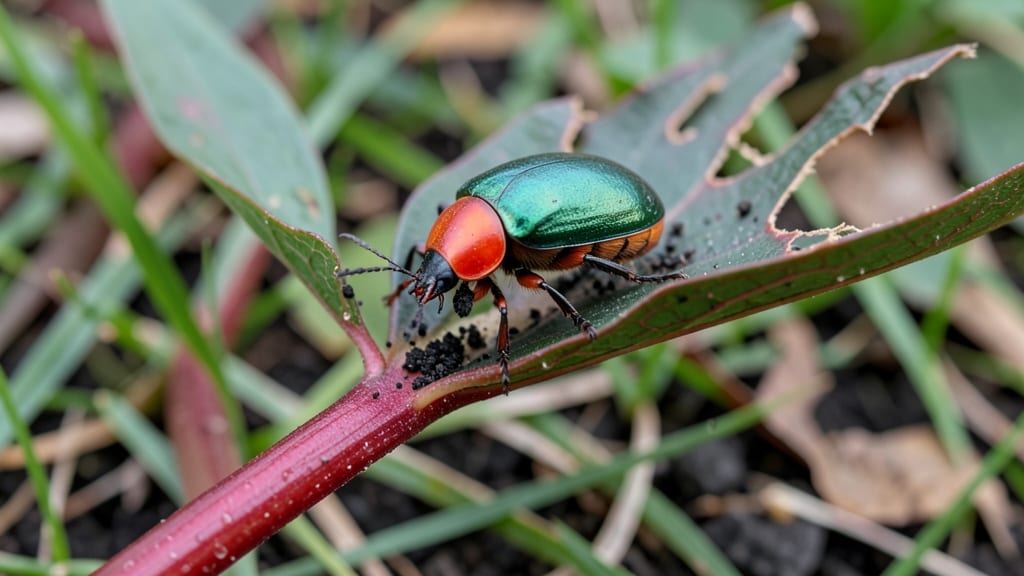
Lily leaf beetle damage is turning your prized lilies into skeleton leaves faster than you can say "garden disaster." 🌱 These bright red-and-black invaders suck the life out of your plants, leaving behind chewed foliage and a trail of destruction that's hard to ignore.
I've battled them in my own garden, and I'm here to share how to spot them early and stop them before they ruin your entire planting. The damage starts with small holes in the leaves that grow into large skeletonized areas.
Adult beetles and their larvae both feed, so you'll see both chewed leaves and black, slimy droppings. These pests multiply quickly, so acting fast is key—once they take over, your lilies may not recover in time for next year's blooms.
You can fight back with a combination of handpicking (drop them in soapy water), neem oil sprays, and row covers to protect new growth. I've seen gardens go from hopeless to healthy in just a few weeks with consistent treatment.
The secret is catching them early and staying on top of it. Prevention is just as important as treatment: inspect plants regularly, remove debris where they hide, and consider planting trap crops like fritillaries to lure them away.
With these methods, you'll reclaim your lilies and keep these sap-suckers from making a comeback.
Root Causes Of Beetle Attacks
Lily leaf beetles (Lilioceris lilii) don’t just appear out of nowhere—they’re drawn to your garden by a mix of environmental cues, plant chemistry, and even human activity.
Understanding why these pests target lilies (and other host plants) is the first step to stopping them before they cause irreversible damage. Let’s break down the science behind their behavior.
Lily leaf beetles are specialized feeders, meaning they’ve evolved to thrive on specific plants—primarily lilies (Lilium spp.), fritillaries (Fritillaria spp.), and tulips (Tulipa spp.). Here’s why:
- Nutrient-rich leaves: Lilies contain high levels of nitrogen and sugars, which fuel the beetles’ rapid growth and reproduction. Adults and larvae both crave these nutrients to develop quickly.
- Toxin tolerance: Some lilies produce alkaloids (natural toxins) to deter pests, but lily leaf beetles have developed enzymes that break these compounds down, making them resistant to the plant’s defenses.
- Volatile organic compounds (VOCs): Damaged lily leaves release chemical signals that attract more beetles—a phenomenon called synomone emission. Once one beetle starts feeding, it’s a beacon for others.
Actionable insight: If you’re growing lilies, remove and destroy any infested foliage immediately to prevent the scent from luring in reinforcements.
Lily leaf beetles are cold-hardy but warm-season opportunists. Their life cycle is tightly linked to temperature and humidity:
- Spring emergence (April–May): Adult beetles overwinter in leaf litter, bark crevices, or soil. When temperatures rise above 50°F (10°C), they become active and seek out fresh lily shoots to feed and mate.
- Larval explosion (June–July): Females lay bright orange eggs in clusters on the undersides of leaves. Eggs hatch in 5–7 days in warm conditions, and larvae devour leaves voraciously for 2–3 weeks before pupating.
- Drought stress: Dry conditions weaken lilies, making them more susceptible to beetle attacks. Stressed plants produce less defensive sap, giving beetles an easier meal.
Pro tip: Monitor lilies in early spring—if you spot red beetles crawling on stems, act fast. Delayed action means exponential damage as larvae emerge.
Sometimes, we accidentally invite lily leaf beetles into our gardens. Here’s how:
| Activity | How It Attracts Beetles | How to Fix It |
|---|---|---|
| Planting infested nursery stock | Beetles or eggs may hitchhike on contaminated bulbs or potted lilies from garden centers. | Inspect new plants before buying; quarantine for 2 weeks and check for eggs. |
| Composting lily debris | Overwintering beetles hide in compost piles made from infested leaves. | Burn or double-bag lily waste in sealed trash; avoid composting lilies. |
| Poor garden hygiene | Leaving last year’s lily stems or mulch provides shelter for hibernating adults. | Clean up all plant debris in fall; store tools in sealed bins. |
| Neighbor’s infestation | Beetles fly up to 1 mile to find new hosts—if your neighbor’s lilies are infested, yours are at risk. | Coordinate regional treatment with neighbors; report outbreaks to local extension services. |
Key takeaway: Lily leaf beetles exploit gaps in garden maintenance. Staying proactive is your best defense.
Originally from Europe, lily leaf beetles have invaded North America (first detected in Canada in 1946, then the U.S. in 2002) and are now spreading rapidly. Their success stems from:
- No natural predators: North American ecosystems lack the parasitoid wasps and fungal pathogens that keep beetle populations in check overseas.
- Climate suitability: Mild winters and humid summers in the U.S. and Canada create ideal breeding conditions.
- Urban gardening trends: The rise of lily cultivation in home gardens provides a steady food source for expanding populations.
What this means for you: If you’re in a newly affected region, beetles may not yet be widespread—but preventive measures (like neem oil sprays in early spring) can give you a head start.
Quick Fixes for Beetle-Battered Leaves
If your lilies are looking more like Swiss cheese than lush blooms, it’s time to act fast! The good news? You can turn the tide on lily leaf beetle damage with a mix of preventive care, targeted treatments, and smart garden habits.
Below, we’ve mapped out practical solutions based on the root cause of the problem—so you can stop the damage and keep your lilies thriving.
The sooner you spot lily leaf beetles (or their telltale skeletonized leaves), the easier it is to control them.
**👨🍳 How to do it: - Inspect daily (or at least weekly) under leaves, on stems, and in flower buds.
Look for: - Adult beetles (bright red with black spots). - Larvae** (slate-gray, worm-like, and very hungry). - Holes, chewed edges, or black frass (poop) on leaves. - Shake plants over a bucket of soapy water—beetles will drop off, and you’ll spot them easily.
**💡 Pro Tip: Use a 10x magnifying glass for close-ups. These pests are tiny when young, but their damage isn’t!
For small infestations, your hands (and a little elbow grease) are your best tools.
🔪 How to do it:
- Handpick adults—drop them into a jar of soapy water (they’ll drown instantly).
- Scrape off larvae with a spoon or your fingernail (gross but effective!).
- Dispose of them far from your garden (or flush them—no mercy!).
- Prune heavily damaged leaves** and compost them away from your garden (or bag them for trash).
**⏰ Best time: Do this early in the morning when beetles are sluggish. Repeat every 3–4 days until no more are found.
If manual removal isn’t enough, targeted pesticides can save your lilies. But timing and safety matter—misuse can harm pollinators or leave residues.
🎯 How to do it:
| Method | When to Use | How to Apply | Safety Notes |
|---|---|---|---|
| Neem oil | Early infestation, preventative spray | Mix 1–2 tbsp neem oil + 1 tsp mild soap per gallon of water. Spray evenly on undersides of leaves. | Reapply after rain; harmless to bees if used at dusk. |
| Insecticidal soap | Light to moderate infestation | Spray directly on beetles/larvae (avoid blooms to protect pollinators). | Works best on contact—reapply every 5–7 days. |
| Pyrethrin-based sprays | Severe infestation (last resort) | Follow label instructions; spray at dusk to avoid harming bees. | Do not use near flowering plants if bees are active. |
| Systemic granules | Large garden or recurring problems | Water in imidacloprid granules per package directions (soaks into plant). | Wait 30 days before harvesting flowers for edible gardens. |
💡 Pro Tip:
- Rotate methods to avoid resistance.
- Always spray undersides of leaves—that’s where beetles hide!
- Avoid broad-spectrum chemicals like malathion unless absolutely necessary (they kill beneficial insects too).
The best defense? A beetle-proof garden**. Here’s how to make your lilies unappealing to these pests:
**🔥 Long-Term Strategies:
- Plant deterrents nearby:
- Marigolds or nasturtiums (confuse pests with their strong aroma).
💡 Pro Tip:
- Mulch with cedar chips—their scent deters beetles naturally.
- Avoid over-fertilizing with nitrogen—soft, lush leaves attract more beetles!
If your plant looks more skeleton than leaf, don’t give up! With aggressive action, you can revive it.
🔥 How to do it:
- Prune back all chewed leaves (even if it looks drastic—new growth will come!).
- Fertilize lightly with a balanced 10-10-10 formula to boost recovery.
- Water deeply (1 inch per week) to help the plant bounce back.
- Apply a foliar feed (like fish emulsion) for a quick nutrient boost.
💡 Pro Tip:
- Divide and conquer: If the roots are still healthy, dig up the bulb, trim damaged parts, and replant in fresh soil.
- Quarantine new lilies for 2 weeks before planting to prevent spreading beetles.
Final Thought: Lily leaf beetles are annoying but beatable—especially when you combine early action, smart prevention, and a little garden strategy. Start with manual removal, then layer in chemical control if needed, and lock in prevention for next season.
Your lilies will thank you with bold blooms and zero Swiss-cheese leaves**! 🌷💪
Frequently asked questions
How do I tell if my lilies have lily leaf beetle damage?
Look for skeletonized leaves (just veins remain), bright red beetles with black spots, or black, sticky droppings on foliage. Check the undersides of leaves—you’ll often find orange eggs or gray larvae hiding there. Early signs include small holes that grow larger over time.
Can I save my lilies if they're already heavily damaged?
Yes! Prune back all chewed leaves (even if it looks drastic) and fertilize lightly with a 10-10-10 formula. Water deeply and apply fish emulsion for a nutrient boost. The plant can regrow from healthy roots—just remove all beetles first and monitor closely.
What's the best time of day to handpick beetles?
Early morning works best—they’re sluggish after overnight cooling. Drop them into a jar of soapy water to kill them instantly. Repeat every 3-4 days until no more are found, focusing on undersides of leaves where they hide.
Will neem oil work if my lilies are already skeletonized?
Neem oil helps prevent new infestations but won't fully restore damaged leaves. Use it as part of a recovery plan: spray evenly on undersides at dusk to protect new growth. For existing damage, focus on pruning and fertilizing while keeping beetles at bay.
Can I use store-bought pesticides safely around bees?
Only use bee-safe options like neem oil or insecticidal soap—spray at dusk when bees aren't active. Avoid pyrethrin-based sprays near flowering plants. Always follow label instructions and consider manual removal first to minimize chemical use.