
Leaf Blower
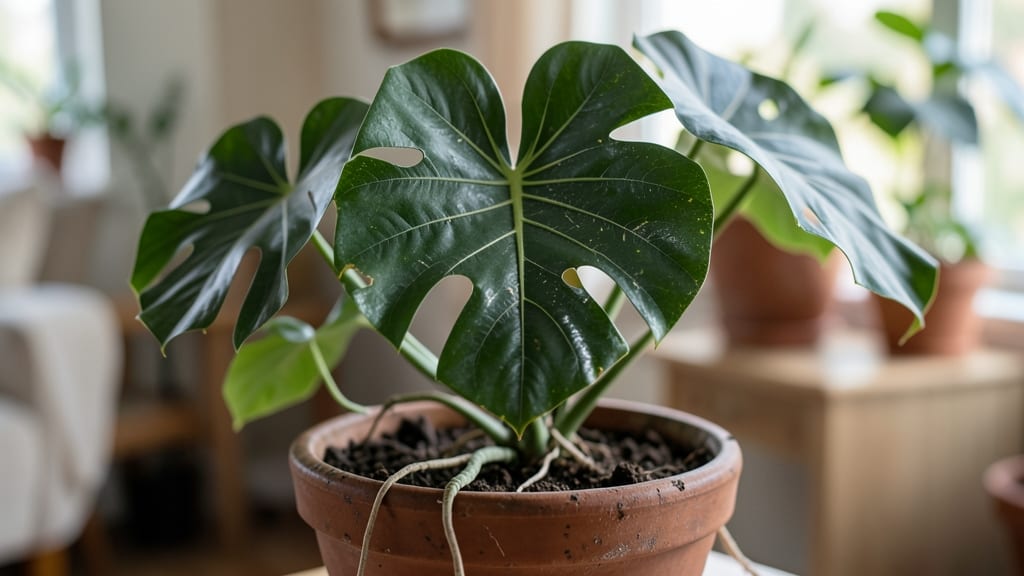
Those crispy, jagged lines on a leaf mean your plants are silently screaming for help. 🌿 I’ve seen this on roses, tomatoes, and even houseplants—it’s never just "how the plant looks," but a sign something’s wrong beneath the surface.
The good news? Most cases have quick fixes, and I’ll show you how to diagnose and rescue your plants in 72 hours without harsh chemicals.
Those telltale lines could be from aphids hiding on the undersides, leaf miners tunneling through tissue, or even nutrient imbalances like too much salt or not enough magnesium. The key is checking the leaf’s backside, the soil’s moisture, and whether new growth looks healthy.
Aphids leave sticky residue, miners create blister-like trails, and nutrient issues show up as yellowing between veins first.
Start by blasting leaves with water to knock off pests, then apply neem oil or insecticidal soap—both work in 24-48 hours for mild cases. For nutrient problems, flush the soil with water and add Epsom salt (1 tablespoon per gallon) or compost.
If the damage spreads fast or looks mushy, it might be fungal, and you’ll need to prune affected leaves immediately to stop the spread.
Prevention is easier than cleanup: mulch heavily to retain moisture, rotate crops yearly, and inspect new plants before bringing them home. When in doubt, snap a photo and compare it to online databases—sometimes the fix is as simple as adjusting sunlight or watering habits.
Your plants will bounce back faster than you think.
Hidden Culprits Behind Leaf Lines
Those mysterious lines on a leaf—whether crispy, brown, or discolored—aren’t just random damage. They’re often a plant’s silent SOS, triggered by specific stressors. Understanding the root causes (literally!) helps you act fast and save your leafy friends.
Let’s break down the science behind why these lines appear and how to spot the culprits.
Leaves are delicate thermometers—too much heat, cold, or sudden swings can leave behind telltale lines. Here’s how it happens:
- Frost or Freeze Burn: When temperatures drop below 32°F (0°C), ice crystals form in leaf cells, rupturing them. This creates white or brown lines along veins or edges, especially in tender plants like coleus or impatiens.
- 💡 Pro Tip: Mulch around plants in fall to insulate roots and use frost cloths for overnight protection.
- Heat Stress: Scorching from intense sun (especially after rain or watering) causes brown, papery lines. Think of it like a sunburn for your leaves—common in succulents or roses left in full afternoon sun.
- 🌡️ Fix It: Provide afternoon shade or water deeply in the early morning to cool leaves.
- Windburn: High winds dry out leaf edges faster than the center, leading to crispy, yellow lines along the margins. Delicate leaves like hostas or ferns are prime targets.
Water is life—but too little or too much can etch lines into leaves like a bad tattoo. Here’s the breakdown:
| Issue | Signs | Why It Happens |
|---|---|---|
| Underwatering | Brown, crispy lines starting at leaf edges, curling upward. | Cells lose turgor pressure, causing edges to dry out first. Common in houseplants like snake plants or pothos. |
| Overwatering | Yellow or black lines along veins, often with a mushy texture. | Root rot blocks water/nutrient flow, leading to oxidative stress in leaves. Calatheas and peperomias are notorious for this. |
| Uneven Watering | Striped or patchy lines (e.g., one side crispy, one side soft). | Drip irrigation or hand-watering can create hydraulic stress, where roots absorb water unevenly. |
💡 Actionable Fix: Water at the base (not leaves) and use well-draining soil with perlite. For houseplants, stick your finger 1 inch deep—if dry, water; if soggy, wait.
Not all leaf lines are environmental—some are microbe battles in disguise. Here’s how to ID the invaders:
- Bacterial Leaf Spot: Yellow or brown lines with water-soaked edges, often oozing. Caused by Xanthomonas or Pseudomonas bacteria, thriving in humid, rainy conditions.
- 🔥 Stop the Spread: Prune infected leaves with sterilized shears and apply copper-free bactericide (e.g., hydrogen peroxide spray).
- Fungal Leaf Spots (e.g., Alternaria, Septoria): Dark, concentric lines with tiny black dots (spores). Fungi love crowded, damp foliage (hello, tomatoes and peppers!).
- ✨ Prevent It: Space plants for airflow, water early in the day, and use neem oil as a fungicide.
- Viral Lines (e.g., Tobacco Mosaic Virus): Mosaic or puckered lines with yellow/green patterns. Viruses spread via contaminated tools or aphids.
🚨 Warning: Viral infections are untreatable. Remove infected plants immediately to protect others.
Tiny pests can leave behind scratched, lined, or stippled patterns as they feed. Here’s who’s to blame:
- Leaf Miners (Larvae): Wavy, white or brown lines under leaf surfaces, like tunnels. Caused by fly larvae burrowing inside leaves (common in basil and beets).
- 👨🍳 Remove Them: Scrape larvae off with a soapy sponge or release parasitic wasps (natural predators).
- Aphids/Spider Mites: Fine, stippled lines or silver webbing on undersides. These pests suck sap, leaving behind chlorotic (white/yellow) lines.
- 🔪 Blast Them: Spray with water + dish soap or introduce ladybugs.
- Caterpillars/Sawfly Larvae: Irregular, chewed lines with frass (poop) nearby. Look for green or brown grubs munching away.
🎯 Key Takeaway: Most leaf lines are fixable if you act within 72 hours. Start by checking for water stress, then inspect for pests or pathogens. For copper-free solutions, stay tuned—we’ve got organic remedies coming up next!
Quick Fixes for Crispy Leaf Edges
Lines on a leaf—whether they’re jagged brown edges or unsightly crispy patterns—can ruin the look of your prized plants. But don’t worry! With the right approach, you can restore your leaves to their former glory in 72 hours or less.
Below, we’ve broken down the most common causes and paired them with practical, copper-free solutions to save your foliage.
Problem: Too much or too little water can cause leaf edges to dry out or turn brown, mimicking "lines" or scorching.
Solution: 🔥 Step 1: Check the Soil – Stick your finger 1-2 inches deep into the soil. If it’s soggy, you’re overwatering. If it’s bone-dry, you’re underwatering. 🍳 Step 2: Adjust Your Watering Routine –
- Overwatered? Let the top 2-3 inches of soil dry out before watering again. Use a well-draining pot or add perlite to improve aeration.
- Underwatered? Water deeply until it drains from the bottom, then empty the saucer to prevent root rot.
👨🍳 Step 3: Mist the Leaves (Gently!) – Use a spray bottle with room-temperature water to lightly mist the undersides of leaves. Avoid soggy conditions, though—just a fine mist will help restore moisture.
Prevention Tips: ✨ Use a moisture meter for accuracy. 💡 Water in the morning to reduce evaporation. 🌡️ Group plants with similar water needs together.
Problem: Harsh sunlight or extreme heat can cause white or brown lines along leaf edges, especially in tropical or shade-loving plants.
Solution: 🔥 Step 1: Move Indoors or Provide Shade – If possible, relocate the plant to a bright but indirect light spot (east or north-facing windows are ideal). 🍳 Step 2: Use a Light Sheer Curtain – If you can’t move the plant, drape a breathable sheer curtain over it to filter harsh rays. 👨🍳 Step 3: Increase Humidity – Place a pebble tray with water nearby or use a humidifier to combat dry air. 🔪 Step 4: Trim Damaged Leaves – If the lines are severe, snip off the affected edges with sterilized scissors to encourage new growth.
Prevention Tips: ✨ Acclimate plants gradually to sunlight (a process called "hardening off"). 💡 Avoid placing plants near heat sources like radiators or direct sunlight through windows. 🎯 Rotate pots occasionally for even light exposure.
Problem: Lines on leaves can sometimes be caused by fungal spots (like anthracnose) or bacterial leaf blight, which thrive in damp conditions.
Solution: 🔥 Step 1: Isolate the Plant – Prevent spreading by moving it away from other plants. 🍳 Step 2: Remove Infected Leaves – Snip off only the damaged parts with rubbing alcohol-wiped scissors to avoid cross-contamination. 👨🍳 Step 3: Apply a Natural Fungicide –
- Baking soda spray: Mix 1 tsp baking soda + 1 quart water + a drop of dish soap. Spray every 7-10 days.
- Neem oil solution: Combine 1 tbsp neem oil + 1 tsp mild soap + 1 quart water. Spray early in the morning (avoid direct sun).
🔪 Step 4: Improve Airflow – Thin out crowded foliage and space plants apart to reduce humidity buildup.
Prevention Tips: ✨ Water at the base (not overhead) to keep leaves dry. 💡 Clean tools regularly with 70% isopropyl alcohol. 🌡️ Avoid overhead irrigation in humid climates.
Problem: Lack of magnesium, potassium, or calcium can cause yellowing, browning, or crispy edges (e.g., magnesium deficiency = interveinal chlorosis).
Solution: 🔥 Step 1: Test Your Soil – Use a DIY soil test kit (available at garden centers) or send a sample to a lab for analysis. 🍳 Step 2: Amend the Soil –
- For magnesium: Sprinkle Epsom salt (1 tbsp per gallon of water) and water deeply once a month.
- For potassium: Use a banana peel tea (soak peels in water for 24 hours, then use as fertilizer).
- For calcium: Apply crushed eggshells (bake and grind them) or use lime (follow package instructions).
👨🍳 Step 3: Use a Balanced Fertilizer – Switch to a slow-release, organic fertilizer (like fish emulsion or compost) to avoid overfeeding.
Prevention Tips: ✨ Fertilize in spring and summer (not fall/winter). 💡 Avoid "feeding" plants in drought—water first! 🎯 Mulch around plants to retain nutrients and moisture.
Problem: Spider mites, aphids, or thrips can leave tiny lines, stippling, or webbing on leaves, leading to crispy edges.
Solution: 🔥 Step 1: Inspect Leaves – Look for tiny bugs, webs, or speckled damage on the undersides. 🍳 Step 2: Blast Off Pests –
- Strong water spray: Rinse leaves with a hose or spray bottle to dislodge pests.
- Insecticidal soap: Mix 1.5 tbsp castile soap + 1 quart water, spray directly on pests (reapply every 5-7 days).
👨🍳 Step 3: Introduce Beneficial Insects – Release ladybugs or lacewings (available at garden centers) to eat the pests naturally. 🔪 Step 4: Use Diatomaceous Earth (DE) – Sprinkle food-grade DE around the base of the plant (reapply after watering).
Prevention Tips: ✨ Encourage natural predators like birds and frogs in your garden. 💡 Quarantine new plants for 2 weeks before introducing them to your collection. 🌡️ Inspect plants regularly—catch infestations early!
If your leaves are already crispy but not dead, act fast:
- Trim the worst edges (sterilized scissors only!).
- Adjust watering and light immediately.
- Apply a humidifier or mist to revive cells.
- Monitor daily—new growth should appear in 3-7 days!
With these copper-free, plant-safe fixes, your leaves will bounce back in no time. 🚀
Frequently asked questions about leaf lines
Why do some leaves develop crispy edges while others stay soft?
Leaf edges crisp up due to water stress—either too little (underwatering) or too much (overwatering). Delicate plants like fuchsias or calatheas show this first because their cells lose moisture faster. Check soil moisture by sticking your finger 1 inch deep—if dry, water deeply; if soggy, hold off until the top 2-3 inches dry out.
Are those white lines on my tomato leaves from pests or disease?
White lines could be leaf miners (larvae tunneling inside) or powdery mildew. Look for tiny serpentine trails under leaves (miners) or white dust on tops (fungus). For miners, scrape off larvae with soapy water; for mildew, spray baking soda mix (1 tsp + 1 quart water) every 7 days.
Why do my houseplant leaves get brown lines even though I water them?
Brown lines often mean fluoride buildup from tap water or nutrient burn. Test your water—if high in fluoride, use filtered or distilled water. For nutrient issues, flush soil with 3x the pot’s volume of water to leach excess salts. Let the plant rest for 2 weeks before fertilizing again.
Can I save a leaf with crispy lines, or should I remove it?
Trim only the damaged edges if the rest of the leaf is healthy! Use sterilized scissors to cut 1/4 inch beyond the brown lines. Avoid removing whole leaves—this stresses the plant. For severe cases, focus on fixing water/light issues to encourage new growth in 3-7 days.
How do I tell if my plant has a viral infection vs. environmental stress?
Viruses cause mosaic patterns (yellow/green puckered lines) while stress creates uniform brown edges. Viral lines often appear on new growth too. Since viruses are untreatable, isolate the plant immediately and disinfect tools with 70% alcohol to prevent spread.