
Pests and Diseases
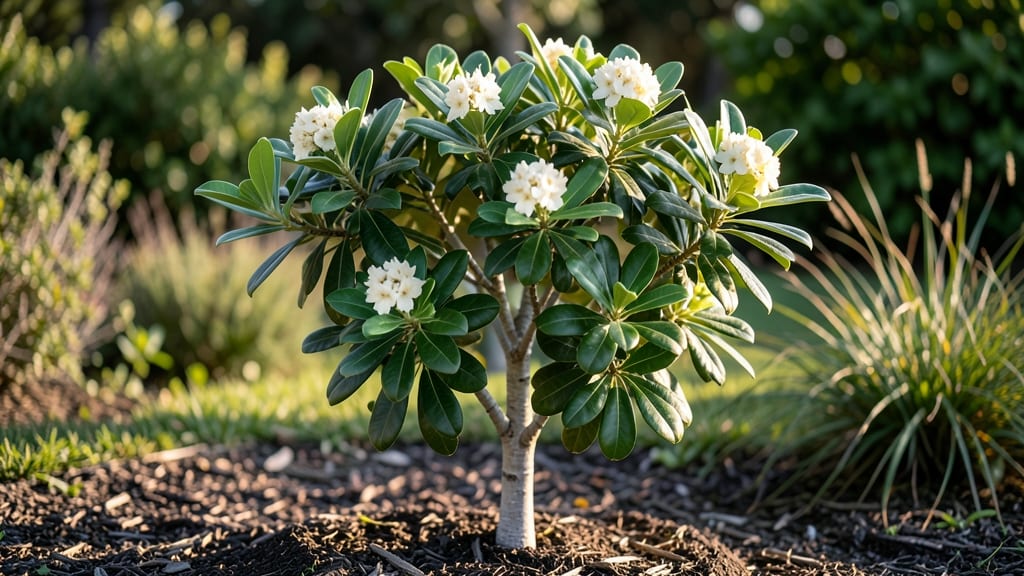
Growing a loblolly bay leaf means you’ll always have fresh, fragrant greens for cooking—even in winter. 🌿 These evergreen shrubs thrive in the South, offering both beauty and practical uses, from seasoning dishes to repelling pests naturally.
My first plant took root in a shady corner and now produces more leaves than I can use, proving how resilient and productive they can be.
You’ll need well-draining soil, partial shade, and consistent moisture to get started—no fancy setups required. Loblolly bays handle humidity and salt spray, making them perfect for coastal gardens or low-maintenance landscapes. The glossy, dark green leaves stay vibrant year-round, adding texture and interest to any yard.
Once established, they’re drought-tolerant and rarely bothered by pests, which is a huge plus for busy gardeners.
By late spring, you’ll be harvesting leaves for soups, stews, or homemade tea, and the plant will reward you with clusters of fragrant white flowers in summer. The leaves also release a citrusy scent when crushed, which deters mosquitoes and other insects naturally.
It’s the kind of plant that works hard while looking effortless—exactly what you want in a perennial.
Whether you’re growing for culinary uses, ornamental value, or both, loblolly bay leaves are a game-changer for Southern gardens. They adapt to different soil types, thrive in containers, and even make great hedges.
Start with one, and you’ll likely end up with more than you know what to do with—just like I did.
📚 In This Guide
- What you need
- Instructions
- Tips and common mistakes
- Wrapping up and next steps
What you need
- ● Loblolly bay seeds or saplings: 3–5 (for better success, opt for nursery-grown saplings over seeds, which can be slow to germinate).
- ● Well-draining soil: 10–15 cubic feet of a mix of sandy loam (60%) and compost (40%). Aim for a pH of 5.0–6.5 (slightly acidic).
- ● Planting site: Full sun to partial shade (6+ hours of sunlight daily).
- ● Space: 15–20 feet apart for mature trees (they can grow 30–50 feet tall!).
- ● Mulch: 2–3 inches of pine straw or wood chips to retain moisture and suppress weeds.
- ● Garden trowel or shovel (for transplanting seedlings).
- ● Pruners (sterilized, for shaping or removing dead branches).
- ● Watering can or hose with a gentle spray nozzle (loblolly bays dislike soggy roots!).
- ○ pH testing kit (optional but helpful for monitoring soil acidity).
- ● Fertilizer: Slow-release, acidic fertilizer (e.g., 8-3-9 or 10-10-10 with sulfur) applied once in early spring.
- ● Climate: Native to the Southeastern U.S. (Zones 7–10). Avoid planting in frost-prone areas unless in containers.
- ● Patience: Seeds may take 6–12 months to sprout; saplings grow 1–2 feet per year.
- ● Pest/disease watch: Monitor for scale insects or root rot (common in heavy clay soils).
How to grow loblolly bay leaves in Southern climates
This drought-tolerant evergreen thrives with minimal fuss once you nail a few key conditions.
🌱 Step 1: Choose the Perfect Planting Site
Loblolly bay loves partial shade to full sun but performs best with morning sun and afternoon shade in hotter zones. I always scout the site first—look for areas with dappled sunlight where other shade-loving plants already thrive. The soil should drain well; if your yard holds water after rain, amend with 2-3 inches of compost before planting.
This tree handles coastal conditions beautifully, so if you're near the beach, it's an ideal choice. Just avoid low-lying spots where salt spray might accumulate. The first year is critical—watch for yellowing leaves in summer, which signals too much direct sun. If that happens, provide afternoon shade with a lightweight shade cloth until the plant establishes deeper roots.
🪴 Step 2: Plant at the Right Time and Depth
Spring or early fall are the best times to plant—avoid summer heat or winter frosts. Dig a hole twice as wide as the root ball but only as deep as the container it came in. The top of the root ball should sit 1 inch above ground level to prevent rot. I always loosen the roots slightly if they're circling in the container, then place the plant in the hole.
Backfill with native soil mixed with 1 part compost to encourage root spread. Water deeply right after planting to settle the soil, then create a 2-inch-high berm around the base to hold moisture. Mulch with 3 inches of pine straw (its natural acidity mimics the plant's preferences) and keep it 6 inches away from the trunk to prevent rot. This mulch layer stays in place for 12 months unless it breaks down completely.
☀️ Step 3: Water Deeply but Infrequently
Loblolly bay is drought-tolerant once established, but young plants need consistent moisture for the first 12-18 months. Water once a week during dry spells, delivering 1-2 gallons directly at the base. You'll know it's enough when water drains 4-6 inches deep—stick your finger in the soil to check. Overwatering is the biggest mistake; soggy soil leads to root rot and leaf drop.
After the first year, reduce watering to every 2-3 weeks unless your area experiences extreme drought. The plant's deep taproot means it rarely needs supplemental water. Look for crispy leaf edges as a sign of underwatering—this tree prefers dry feet once mature. If you notice this, increase water slightly and monitor for improvement within 2-3 weeks.
✂️ Step 4: Prune for Shape and Leaf Harvest
Pruning isn't necessary for health, but it keeps your loblolly bay looking tidy. The best time is late winter or early spring before new growth begins. Remove dead or crossing branches first—cut back to the nearest outward-facing bud. I always sanitize my pruners with rubbing alcohol between cuts to prevent disease spread. For shaping, limit pruning to no more than 25% of the foliage in any one season.
To harvest leaves for culinary use, pick mature but flexible branches in late summer. Leaves stay fresh for 2-3 weeks if stored in the fridge or dried properly. Never take more than one-third of the foliage from any branch in a single harvest. If you notice leaf drop after pruning, it's just the plant adjusting—new growth will fill in within 4-6 weeks.
🌿 Step 5: Protect from Pests and Winter Chill
Loblolly bay is generally pest-resistant, but watch for scale insects on new growth. If you spot sticky residue on leaves, wipe them with soapy water or apply neem oil as a preventive spray every 6-8 weeks during growing season. The plant's natural resin makes it unappealing to most pests, but scale can still become an issue in hot, dry summers.
While hardy to USDA Zone 7, young plants may need winter protection in colder areas. Wrap the trunk with burlap if temperatures dip below 20°F, and mulch heavily around the base. Mature trees handle cold well, but newly planted specimens can suffer leaf scorch if exposed to sudden freezes. If this happens, prune back damaged foliage in early spring—healthy growth will return within 2-3 months.
Tips & tricks for perfect loblolly bay leaf cultivation
Here's what nobody tells you about making this tough-as-nails plant thrive in your yard.
Site Selection Secret: I learned this the hard way after losing two plants to heat stress—loblolly bay hates afternoon sun in hot climates. Test your site for 24 hours first by placing a white board where you plan to plant. If it gets hotter than 100°F after 12 PM, provide that afternoon shade cloth immediately. Coastal areas? Even better—this tree loves salty breezes but avoid salt spray accumulation near the trunk.
Planting Depth Trick: That 1-inch above-ground rule is non-negotiable. I once buried a root ball too deep and watched it rot for months. Use a level to check—if your hole is uneven, add extra soil to the deeper side before planting. Pro tip: Mix your backfill soil with compost at a 3:1 ratio (soil to compost) for the first year only—after that, let it adapt to native soil.
Watering Wisdom: The "stick your finger in the soil" test works, but here's the real trick: water until you see moisture at 6 inches deep. Use a long screwdriver to check—if it comes out dry, keep watering. I've seen gardeners drown these plants by watering lightly every day. The key is deep, infrequent watering that encourages that taproot to grow.
Pruning Precision: When harvesting leaves, never cut into the main stem—always snip just above a leaf node. I used to take whole branches, and now my tree looks like a sad, lopsided bush. For shaping, work from the inside out: remove branches that cross or grow inward first, then trim outward-facing branches to create airflow. This prevents fungal issues and keeps your tree looking natural.
Pro Tips for Loblolly Bay Leaf
- Here's what nobody tells you about making this tough-as-nails plant thrive in your yard.
- Site Selection Secret: I learned this the hard way after losing two plants to heat stress—loblolly bay hates afternoon sun in hot climates.
- Planting Depth Trick: That 1-inch above-ground rule is non-negotiable.
Frequently asked questions
Got questions about growing loblolly bay leaves? You’re not alone! Here are some of the most common queries—plus straightforward answers to help you cultivate this resilient, aromatic tree with confidence.
Can loblolly bay trees grow in containers?
Yes! While they thrive in the ground, loblolly bay trees adapt well to large containers (at least 15–20 gallons) with proper drainage. Use well-draining soil and repot every 2–3 years. Just know they’ll need regular watering and may grow slower than in-ground trees. Pro tip: Place containers in full sun for best results!
Are loblolly bay leaves prone to pests or diseases?
These trees are tough but can still face challenges like scale insects, aphids, or root rot if overwatered. Monitor for sticky residue (sap) or yellowing leaves—neem oil or insecticidal soap can help. Ensure good airflow and avoid soggy soil to prevent fungal issues. Prevention is key!
How long does it take for loblolly bay leaves to mature?
Patience pays off! Young trees take 3–5 years to produce edible leaves, but full maturity (with aromatic, flavorful foliage) can take 5–10 years, depending on growing conditions. Prune selectively to encourage bushier growth and faster leaf production. Bonus: The wait is worth it for that bay laurel-like flavor!
Can I substitute loblolly bay leaves for regular bay leaves in cooking?
Loblolly bay leaves have a milder, sweeter taste than Mediterranean bay leaves, making them perfect for soups, stews, and sauces. Use a 1:1 ratio when cooking, but remove leaves before serving—just like with traditional bay leaves. Fun fact: They’re also great for tea!
How do loblolly bay trees handle cold weather?
Native to the Southeast, loblolly bay trees are semi-tropical and tolerate light frosts (20–25°F) but may suffer damage below 15°F. In colder climates, grow them in containers and move them indoors or use frost cloth. Mulching helps insulate roots in marginal zones. Winter prep is a game-changer!
Wrapping up and next steps
Growing loblolly bay leaves is a rewarding way to add a fragrant, low-maintenance evergreen to your Southern garden while enjoying its culinary and medicinal benefits. 🌿 With the right soil, sunlight, and pest management strategies, this hardy perennial thrives year-round—even in tough conditions.
Whether you're a seasoned gardener or just starting out, its resilience and versatility make it a fantastic addition to your outdoor space.
Ready to plant your own loblolly bay tree? Start by gathering your supplies, choosing the perfect spot, and keeping an eye out for common pests like aphids or scale. Once established, enjoy its beauty and the fresh leaves for cooking or natural remedies—nature’s gift to your garden! 🌟