
Trees
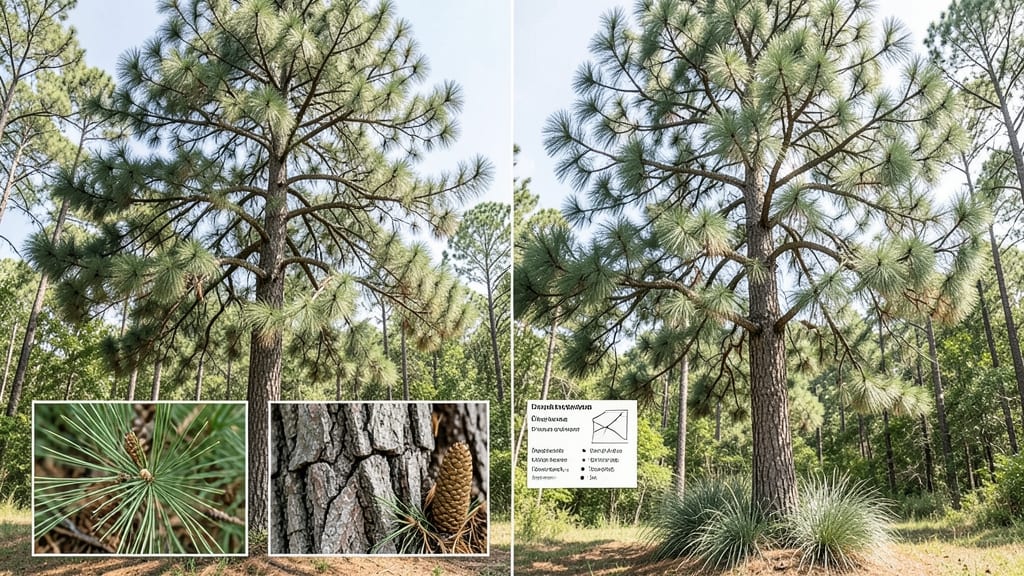
Choosing between loblolly pine and longleaf pine feels like picking between two powerhouses—both tower over your landscape but with wildly different personalities. 🌲 The loblolly grows fast and adapts to almost any soil, while the longleaf demands patience, thrives in sandy soils, and becomes a fire-resistant ecosystem builder.
If you're planting for quick shade or timber, one wins. If you're restoring native habitats or want a low-maintenance survivor, the other takes the crown.
Loblolly pines shoot up 2-3 feet per year in ideal conditions, making them perfect for fast-growing windbreaks or privacy screens. They tolerate clay soils, urban pollution, and even wetter sites—though they’ll still need full sun.
Their needles are 6-9 inches long and shed in clusters, leaving a clean (if slightly messy) look. The trade-off? They’re more prone to pests like pine beetles and need occasional pruning to avoid a tangled mess.
Longleaf pines move at half the speed—1 foot per year—but their roots run deep, making them drought-tolerant and fire-resistant once established. They crave sandy, well-draining soils and full sun, thriving in the Southeast’s natural habitats.
Their iconic 8-18 inch needles stay on the tree for 2-3 years, creating a textured, evergreen canopy. The real magic? Their grass stage (first 3-5 years) mimics native prairie, supporting wildlife like quail and butterflies.
Pick loblolly for urban yards, quick shade, or timber production—it’s the versatile workhorse. Choose longleaf for ecological restoration, fire-prone areas, or a low-maintenance native look that ages like fine whiskey.
Both outperform in full sun, but loblolly flexes its soil tolerance while longleaf demands patience and the right conditions. Either way, you’re planting a legacy.
The first product explained
Meet the Loblolly Pine—a fast-growing, versatile powerhouse that’s a favorite among landowners, farmers, and eco-conscious growers alike! 🌲✨ Known scientifically as Pinus taeda, this Southern beauty thrives in a variety of conditions, making it a go-to choice for timber production, wildlife habitat, and even windbreaks.
Let’s dive into what makes this pine a standout in the Pinus family.
Key Specs & Features
Loblolly Pine is a medium to large conifer, typically reaching heights of 60–90 feet (with some towering over 100 feet!) and a trunk diameter of 2–3 feet. Here’s what sets it apart:
- Growth Rate: One of the fastest-growing pines in the U.S., with straight, strong trunks ideal for lumber.
- Needles: 3 per bundle, soft to the touch, and 6–9 inches long—easy to spot in a forest!
- Bark: Scaly and reddish-brown, developing deep furrows as the tree matures.
- Cones: Oval-shaped, 2–4 inches long, and release seeds that spread easily via wind or wildlife.
- Lifespan: Can live 100–150 years with proper care, though many are harvested at 25–35 years for timber.
Target Users
Who should plant or invest in Loblolly Pine? This tree is a jack-of-all-trades for:
- Timber & Forestry: Loggers and sawmill operators love its straight grain and high pulp yield for construction and paper products.
- Landowners & Farmers: Perfect for erosion control, windbreaks, and reforestation due to its dense root system.
- Wildlife Enthusiasts: Provides food (seeds) and shelter for birds, squirrels, and deer—great for hunting lands!
- Urban & Landscape Use: While less common in cities, its fast growth and adaptability make it a candidate for large estates or rural properties.
Price Point & Availability
Loblolly Pine seedlings are highly affordable and widely available, especially in the Southeastern U.S.. Pricing varies by supplier but generally falls into these ranges:
| Quantity | Price per Seedling (USD) | Total Cost (Approx.) |
|---|---|---|
| 100 seedlings | $0.50–$1.50 | $50–$150 |
| 1,000 seedlings | $0.30–$1.00 | $300–$1,000 |
| Bulk orders (5,000+) | $0.20–$0.75 | $1,000–$3,750+ |
Pro Tip: 💡 Check local nurseries or forestry programs for discounts or free seedlings—many states offer incentives for reforestation!
Ready to plant? Loblolly Pine’s low maintenance and high rewards make it a smart investment for both profit and sustainability. 🌱💰
The second product explained
If you're looking for a hardy, fast-growing pine with a slightly more adaptable nature than its longleaf cousin, the Loblolly Pine (Pinus taeda) might be your perfect match! 🌲 Known for its resilience and versatility, this tree is a favorite among landowners, foresters, and even homeowners seeking shade and wildlife benefits.
Here’s why it stands out in the Loblolly Pine vs Longleaf Pine showdown:
📏 Key Specs & Features
Loblolly Pine typically reaches heights of 60–80 feet (with some towering up to 100+ feet) and a spread of 30–50 feet, making it an excellent choice for larger properties. Its growth rate is moderate to fast—gaining about 2 feet per year under ideal conditions.
The bark is scaly and reddish-brown, while its needles grow in bundles of 3 and measure 7–10 inches long. One of its standout traits? Cold tolerance—it can handle temperatures down to -10°F, giving it an edge in northern regions compared to Longleaf Pine.
🎯 Target Users
- Landowners & Farmers: Thrives in a wide range of soils (including sandy, loamy, and clay-heavy), making it ideal for reforestation and timber production.
- Homeowners in Warmer Climates: Offers rapid shade and wildlife habitat (deer, songbirds, and squirrels love it!) without the strict soil requirements of Longleaf Pine.
- Urban & Suburban Areas: More adaptable to compacted or disturbed soils, making it a great choice for parks and green spaces.
- Timber & Paper Industries: Highly valued for its straight grain and fast growth, yielding quality lumber and pulpwood.
💰 Price Point & Availability
The cost of Loblolly Pine seedlings or saplings varies by region and supplier but generally ranges from $5–$20 per tree for bare-root stock. Bulk orders (50+ trees) often drop to $3–$10 per tree.
Nurseries and forestry cooperatives frequently offer discounts, especially for large-scale planting projects. Pro tip: 💡 Check local conservation programs—some offer free or subsidized seedlings for landowners committed to sustainable forestry!
🌱 When to Plant
For optimal growth, plant Loblolly Pine in early spring or fall when soil temperatures are mild. Avoid planting in summer heatwaves or freezing winters, as young trees are sensitive to extreme conditions.
With proper spacing (10–15 feet apart for timber production), this pine will reward you with decades of beauty and utility!
Head-to-head comparison
Ready to dive into the head-to-head showdown between loblolly pine and longleaf pine? Whether you're a landowner, forester, or just a tree enthusiast, understanding their differences can help you make the best choice for your needs.
Below, we break down their key attributes in a side-by-side comparison so you can see which pine packs the punch for your project! 🌲🔍
🌱 Growth Habits & Speed
If you're in a hurry, these two pines offer very different timelines for reaching maturity.
- Loblolly Pine:
- 🚀 Fast-growing—one of the quickest-growing pines in the U.S. Southeast.
- Reaches 50–70 feet tall in 20–30 years under ideal conditions.
- Tolerates thinning well, making it a favorite for commercial plantations.
- Longleaf Pine:
- 🐢 Slow and steady—prioritizes strength over speed, taking decades to mature.
- Typically reaches 80–100 feet tall in 50–75 years.
- Spends 10–15 years in a "grass stage" (low growth) before shooting upward—this is a key adaptation to fire-resistant ecosystems.
Winner for speed? Loblolly pine takes the crown if you need quick results. Longleaf is the marathon runner of the pine world—patient but powerful.
🌍 Climate & Soil Preferences
These pines aren’t picky, but they do have preferences that can make or break their success.
| Factor | Loblolly Pine | Longleaf Pine |
|---|---|---|
| Climate |
|
|
| Soil Type |
|
|
| Fire Resistance |
|
|
Winner for adaptability? Longleaf pine edges out loblolly for harsh, dry, or fire-prone conditions. Loblolly is the versatile middle-ground for most Southeastern climates.
🌳 Wood Quality & Uses
If you’re planting for timber, these pines serve very different purposes—both with unique strengths.
| Trait | Loblolly Pine | Longleaf Pine |
|---|---|---|
| Wood Density |
|
|
| Primary Uses |
|
|
| Durability |
|
|
Winner for wood quality? Longleaf pine is the premium choice for high-end lumber and durability. Loblolly is the workhorse for bulk production and affordability.
💰 Cost & Market Value
Your wallet will notice the difference—especially if you’re planting for profit!
- Loblolly Pine:
Which one should you choose?
So, which pine is the perfect fit for your land, budget, and long-term goals? Let’s break it down by scenario so you can make the best choice with confidence! 🌲✨
🌳 Choose Loblolly Pine If...
- You need fast growth and timber production: Loblolly pines grow twice as fast as longleafs, making them ideal for commercial timber, pulpwood, or quick land restoration. 📏💨
- Your soil is moist or slightly acidic: Loblolly thrives in wetter conditions and tolerates clay or loamy soils better than longleaf. 💧🌿
- You’re in a warmer, humid climate: From the Southeast to the Gulf Coast, loblolly adapts well to heat and humidity. 🌞🌊
- Wildfire risk is low in your area: While not fire-resistant, loblolly recovers well if fires are controlled. 🔥🚒
🌿 Choose Longleaf Pine If...
- You prioritize wildlife and biodiversity: Longleaf’s open understory supports rare species like red-cockaded woodpeckers and gopher tortoises. 🦉🐢
- Your land is dry, sandy, or nutrient-poor: Longleaf thrives in harsh conditions where other pines struggle. 🏜️💪
- You want long-term resilience: With slow but steady growth, longleaf produces high-quality lumber and lasts centuries. 🌳📜
- Fire ecology is part of your management plan: Longleaf’s thick bark and deep roots make it naturally fire-adapted. 🔥🛡️
🤝 Still Unsure? Consider a Hybrid Approach!
If your property has varied soil or microclimates, planting both species can create a resilient, diverse ecosystem. For example:
- Use loblolly on moist, low-lying areas for faster growth.
- Plant longleaf on drier ridges or fire-prone zones for biodiversity.
This strategy balances productivity and conservation—perfect for landowners who want both timber and ecological benefits! 🌍💚
Pro Tip: 💡 Check with local forestry extensions or wildlife agencies for region-specific advice—they can help tailor your choice to your land’s unique needs!