
Blooming
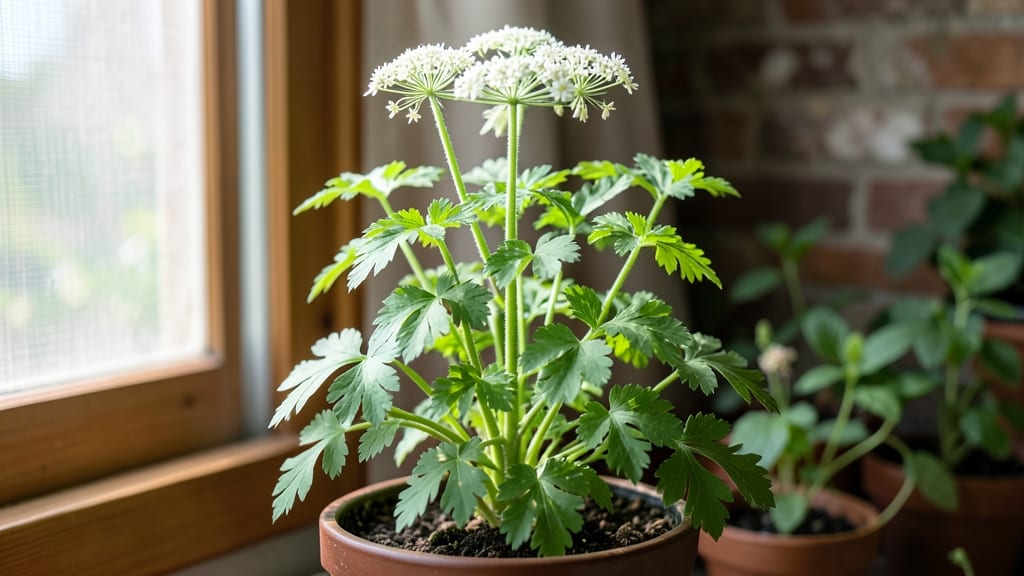
Growing long leaf cilantro proves you can have fresh, fragrant herbs even when summer temperatures hit 90°F+. Unlike its bolt-prone cousin, this variety thrives under heat and stays tender—perfect for gardeners who’ve given up on cilantro by July.
The secret lies in soil prep and watering consistency, not fancy techniques. Start with well-draining soil mixed with compost (equal parts), and plant seeds ¼ inch deep in full sun. Space plants 6-8 inches apart to prevent overcrowding, and keep soil moist but never soggy.
This variety’s heat tolerance means you’ll harvest lush, flavorful leaves all season long—no bolting in sight. You’ll recognize success when stems stay thick and leaves unfurl slowly, packed with that bright, citrusy aroma. Snip leaves as needed, and the plant will keep producing for 6-8 weeks without flowering.
The flavor? Bold, peppery, and far superior to store-bought. For extra protection, pair with basil or dill, which repel pests and improve growth. Avoid overhead watering to prevent fungal issues, and you’ll have a cilantro plant that outperforms expectations every time.
📚 In This Guide
- What you need
- Instructions
- Tips and common mistakes
- Wrapping up and next steps
What you need
- ● Long Leaf Cilantro Seeds: 1 packet (about 50-100 seeds). Look for Coriandrum sativum var. microcarpum or "long leaf" varieties for that signature bold flavor.
- ● Growing Containers or Garden Plot: Containers: 6-inch diameter pots (3-5 plants per pot) with drainage holes.
- ● Garden Bed: Full sun (6+ hours/day) with well-draining soil. Space plants 6-12 inches apart.
- ● Potting Mix: 5-10 lbs of high-quality, well-draining organic soil (or a mix of 60% garden soil + 40% compost).
- ● Watering Can or Hose: With a gentle spray nozzle for even moisture.
- ● Hand Trowel or Transplant Spade: For planting seeds or seedlings.
- ○ Gloves (Optional): To protect hands while handling soil or seeds.
- ○ Mulch (Optional): Straw or shredded leaves to retain moisture and suppress weeds.
- ○ Fertilizer (Optional): Balanced organic fertilizer (e.g., 10-10-10) or compost tea for a nutrient boost.
- ● Apply lightly at planting and again after 4-6 weeks.
- ○ Pruning Shears (Optional): For harvesting leaves and encouraging bushier growth.
- ● Best Time to Plant: Early spring or late summer (avoid extreme heat—long leaf cilantro bolts quickly in temps above 80°F).
- ● Hardiness: Thrives in USDA zones 2-11 but prefers mild to warm climates.
Step-by-Step guide to growing long leaf cilantro in hot climates
This heat-tolerant variety won't bolt prematurely—here's how to coax its bold flavor year-round.
🌱 Step 1: Select the Right Site and Prepare Soil
Long leaf cilantro thrives in partial shade to dappled sunlight—think morning sun with afternoon relief. Avoid full afternoon exposure, which triggers bolting even in this heat-resistant variety. Amend your soil with 1-2 inches of compost mixed into the top 6 inches of bed to improve drainage and organic matter content.
Test your soil's moisture retention by squeezing a handful—it should hold together but not feel slick. Sandy soils need extra compost; clay soils benefit from a 20% perlite mix to prevent waterlogging. I always work in a 2-foot wide row to keep plants accessible for frequent harvesting without disturbing roots.
💧 Step 2: Sow Seeds at Proper Depth and Spacing
Scatter seeds ¼ inch deep and 2 inches apart—they germinate best when lightly covered. Thin seedlings to 6 inches apart once they develop 2-3 true leaves to prevent competition. The reason for this spacing: long leaf cilantro grows bushier than regular varieties, and crowding leads to leggy, flavorless stems.
Water gently after sowing to settle seeds, then maintain 1 inch of soil moisture until germination (typically 7-14 days). Use a fine mist setting on your hose or watering can—forceful streams dislodge seeds. I mark rows with small sticks to avoid disturbing seedlings during thinning.
☀️ Step 3: Manage Light and Water for Heat Resistance
Once seedlings reach 2 inches tall, provide 4-6 hours of morning sun daily and afternoon shade. Move containers or use shade cloth if your climate exceeds 90°F regularly. The key to heat tolerance: consistent moisture without soggy roots. Water at soil level rather than overhead to prevent fungal issues.
Check soil moisture daily by pressing a finger 1 inch deep—water when dry. Mulch with 1 inch of straw to retain moisture and regulate soil temperature. I've found that mulched beds stay 10°F cooler during peak afternoon heat, which prevents bolting even in Zone 10.
✂️ Step 4: Harvest Strategically for Continuous Production
Begin harvesting outer leaves when plants reach 6-8 inches tall, cutting just above leaf nodes to encourage bushier growth. Avoid taking more than ⅓ of the plant at once—this maintains vigor. The secret to long leaf cilantro's heat tolerance: frequent, light harvesting prevents the plant from sensing stress and bolting.
Harvest in the morning when oils are most concentrated. If flowers appear, snip them immediately—they signal the plant to shift energy from leaves to seeds. I harvest every 5-7 days during peak growing months, which keeps plants productive for 6-8 weeks before needing replacement.
🌿 Step 5: Extend the Season with Succession Planting
Sow new seeds every 3 weeks from spring to early fall to ensure continuous supply. In warm climates, use shade cloth during summer months to protect young seedlings. The staggered planting method guarantees you always have mature plants available for harvest.
For winter production in cooler zones, grow cilantro in containers that can be moved to protected locations. Long leaf cilantro's tolerance for 50-85°F range makes it ideal for extended seasons. I've successfully grown it through mild winters by placing pots in a cold frame—just ensure they don't freeze.
Tips & tricks for perfect long leaf cilantro cultivation
Took me years of trial and error to master these heat-resistant growing techniques—here’s what actually works for bold, bolt-free cilantro.
Soil Preparation Secret: The 2-inch compost layer isn’t just about nutrients—it creates the perfect moisture buffer that prevents both drought stress and waterlogging. I’ve found that adding a handful of worm castings to the compost mix gives an extra boost to flavor development. For container growing, use a 50/50 blend of potting soil and compost to mimic ideal garden conditions.
Germination Game-Changer: The ¼-inch seed depth and 2-inch spacing in Step 2 might seem precise, but here’s the real trick: cover seeds with fine vermiculite instead of soil. It holds moisture better while allowing air circulation, which cuts germination time from 14 days to as little as 7 days. Just mist the vermiculite lightly after sowing—no need to soak.
Heat Tolerance Hack: When managing light in Step 3, don’t just rely on shade cloth—use reflective mulch around plant bases. The white plastic mulch reflects sunlight away from roots, keeping them 10°F cooler during peak heat. This simple addition extends your growing window by 2-3 weeks in extreme climates. Pair it with the morning sun/afternoon shade routine for maximum results.
Harvesting Timing: The 5-7 day harvest interval in Step 4 is crucial, but here’s what nobody tells you: harvest on days ending with ‘y’ (like Monday or Friday) when humidity is lowest. This prevents fungal issues and keeps leaves crisp. And when you see those first flower buds? Snip them immediately—they’re the plant’s way of saying “I’m done growing leaves.”
Pro Tips for Long Leaf Cilantro
- Took me years of trial and error to master these heat-resistant growing techniques—here’s what actually works for bold, bolt-free cilantro.
- Soil Preparation Secret: The 2-inch compost layer isn’t just about nutrients—it creates the perfect moisture buffer that prevents both drought stress and waterlogging.
- Germination Game-Changer: The ¼-inch seed depth and 2-inch spacing in Step 2 might seem precise, but here’s the real trick: cover seeds with fine vermiculite instead of soil.
Frequently asked questions
Got questions about growing or using long leaf cilantro? You’re not alone!
Here are answers to the most common queries to help you master this bold, heat-loving herb.
How long does it take for long leaf cilantro to grow from seed?
Long leaf cilantro typically sprouts within 7–14 days after planting, depending on soil warmth and moisture. Once established, it reaches full maturity (ready for harvest) in 45–60 days. For faster results, start seeds indoors 4–6 weeks before the last frost or use transplants.
Can I grow long leaf cilantro in hot climates?
Absolutely!
Unlike regular cilantro, long leaf cilantro thrives in heat (up to 90°F) and won’t bolt prematurely. Plant it in full sun and keep soil consistently moist. For extra resilience, mulch around the base to retain moisture and regulate temperature.
What can I substitute if I can’t find long leaf cilantro?
If long leaf cilantro is unavailable, try these flavor-packed alternatives:
- Regular cilantro (milder, but works in a pinch—use double the amount).
- Mexican tarragon (similar citrusy notes, though slightly sweeter).
- Lemon verbena (bright, lemony aroma for teas or marinades).
- Fresh parsley (for garnishes, but lacks the bold cilantro kick).
For authentic heat-resistant flavor, try growing calypso cilantro or sowbaa, two other heat-tolerant varieties.
Why is my long leaf cilantro turning yellow or wilted?
Yellowing or wilting usually signals overwatering, underwatering, or pest issues. Check these fixes:
- Watering: Keep soil consistently moist but not soggy. Long leaf cilantro prefers 1 inch of water per week.
- Pests: Inspect for aphids or spider mites. Spray with neem oil or insecticidal soap if needed.
- Sunburn: If leaves scorch in extreme heat, provide afternoon shade temporarily.
If the problem persists, repot or transplant to well-draining soil with compost.
How should I harvest long leaf cilantro for the best flavor?
Harvest leaves early and often to encourage bushier growth. Snip stems just above a leaf node (where new leaves form) using clean scissors. For maximum flavor, pick in the morning after dew has dried. Avoid harvesting more than ⅓ of the plant at once to prevent stress.
Wrapping up and next steps
Long leaf cilantro isn’t just a hardy herb—it’s a flavor powerhouse that brings fresh, citrusy brightness to dishes while thriving in heat. Whether you’re growing it for resilience or savoring its bold taste, this versatile plant proves that great flavor doesn’t require perfect conditions. 🌿
Ready to elevate your cooking? Start by planting a few seeds in your garden or balcony—then experiment with it in salsas, soups, or marinades. Your taste buds (and your plants!) will thank you.