
Vegetables
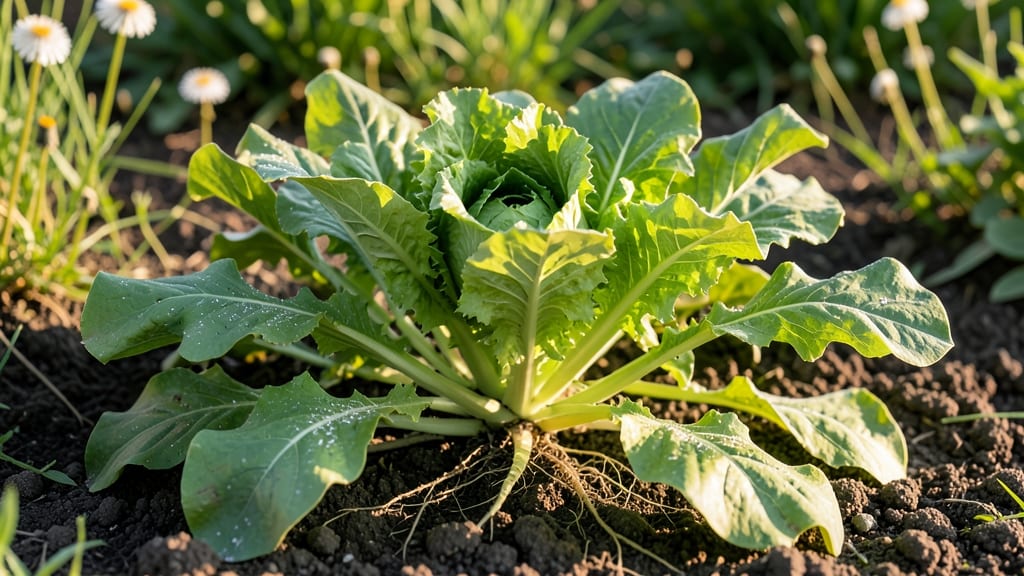
Growing loose leaf lettuce means fresh salads from spring through fall—and even winter with the right setup. 🌱 I’ve grown this variety for years, and the secret is simple: loose leaf lettuce forgives mistakes, produces continuously, and tastes better than anything from the store.
Unlike head lettuce, you can harvest outer leaves as needed, so you never waste a plant.
The key is cool weather and consistent moisture—lettuce bolts (goes to seed) when stressed by heat or dry soil. Start with well-draining soil, a sunny spot (or partial shade in hot climates), and seeds spaced 6–12 inches apart.
For year-round harvests, succession plant every 2–3 weeks or grow indoors under grow lights in winter. It’s foolproof once you get the basics right.
You’ll harvest tender leaves in as little as 3–4 weeks, with outer leaves ready to pick while the inner ones keep growing. The flavor? Crisp, sweet, and packed with nutrients—nothing beats the taste of homegrown.
Plus, pests like aphids are less of a problem than with head lettuce, and the plants stay productive for months if you keep them happy.
Even in small spaces, loose leaf lettuce thrives in containers, raised beds, or garden plots. Whether you’re a beginner or a seasoned gardener, this is the easiest, most rewarding leafy green to grow. Ready to try it?
📚 In This Guide
- What you need
- Instructions
- Tips and common mistakes
- Wrapping up and next steps
What you need
- ● Loose leaf lettuce seeds: Choose varieties like Black Seeded Simpson, Oakleaf, or Buttercrunch. Buy 1 packet (500-1,000 seeds) for a small garden or 2-3 packets for larger beds.
- ● Potting soil or seed-starting mix: 2-5 gallons (sterilized, well-draining blend with perlite or vermiculite). Avoid garden soil—it’s too dense for seedlings!
- ● Containers or garden bed: Containers: 5-10-inch deep pots (1-2 per plant) with drainage holes. 3-5 containers for a small harvest.
- ● Garden bed: 6-12 inches deep, 12-18 inches wide rows (space rows 12-18 inches apart). Prep with compost or aged manure.
- ● Watering can or hose with gentle spray nozzle: Keep soil consistently moist (not soggy).
- ○ Fertilizer (optional but recommended): Balanced liquid fertilizer (5-5-5 or 10-10-10): 1 tbsp per gallon of water, applied every 2-3 weeks.
- ● Slow-release organic fertilizer (e.g., worm castings): Mix 1 cup per 5 gallons of soil at planting.
- ○ Gloves (optional): Protect your hands from soil and thorns (some varieties have mild prickles).
- ● Trowel or small hand fork: For transplanting seedlings or loosening soil.
- ○ Row cover or shade cloth (optional but helpful): 30-50% shade cloth for hot climates (prevents bolting).
- ● Lightweight row cover for cold snaps (extends growing season).
- ● Sunlight access: 4-6 hours of direct sunlight daily (partial shade in hotter regions).
- ○ pH test kit (optional): Ideal soil pH: 6.0-7.0. Adjust with lime (to raise pH) or sulfur (to lower) if needed.
- ● Spring/fall: Direct sow seeds 2-3 weeks before last frost or 8-10 weeks before first frost.
- ● Summer (hot climates): Start seeds indoors 6-8 weeks before transplanting or use shade cloth.
- ● Winter (mild climates): Use row covers or grow under grow lights in containers.
How to grow loose leaf lettuce for continuous harvests
Here's the simple method I use to grow tender, crisp lettuce all season long—no fuss, no fussing.
🌱 Step 1: Choose the Perfect Growing Spot
Loose leaf lettuce thrives in partial shade to full sun, but it's all about balance. In hot climates, protect it from midday sun—the leaves will bolt (go to seed) faster than you can say "salad." I plant mine where they get morning sun and afternoon shade, like near a north-facing wall or under a sheer curtain.
If you're growing in containers, place them where they get 4-6 hours of sun daily—any more and the leaves turn bitter. Watch for yellowing edges or wilting—those are your cues to adjust shade. Cool weather? They can handle full sun—just keep soil consistently moist.
🪴 Step 2: Prepare Light, Well-Draining Soil
Lettuce roots are shallow and delicate, so avoid heavy garden soil. Mix high-quality potting soil—like a blend designed for leafy greens—with 20% perlite or compost to keep it loose and airy. I fill my containers with this mix, leaving 1 inch of space—that's enough room for watering without spilling.
Don't compact the soil when planting. Just press it down lightly so the roots have room to spread. If your soil drains poorly, add a handful of sand or extra perlite. You'll know it's right when water runs through evenly without pooling. Overwatering here is the fastest way to rot those tender roots.
💧 Step 3: Sow Seeds Directly (No Transplants Needed!)
Scatter seeds ¼ inch deep—they're tiny, so I use a toothpick to make tiny holes and drop one seed per spot. Space them 6-8 inches apart—crowding leads to weak, leggy plants. Cover lightly with soil, then mist gently until the surface looks damp but not soaked.
Keep the soil moist (not soggy) until germination, which takes 7-14 days—depending on your climate. I use a spray bottle to avoid disturbing seeds. Once they sprout, thin to the strongest seedlings, leaving 4-6 inches between plants. Use scissors to snip weak ones at soil level—this prevents shocking the roots.
☀️ Step 4: Water and Fertilize for Crisp, Sweet Leaves
Water at the base in the morning so leaves dry quickly—wet foliage invites fungus. Aim for 1 inch of water weekly, but check soil moisture first. Stick your finger 1 inch deep—if it feels dry, water again. Lettuce is shallow-rooted, so surface moisture matters most.
Feed lightly every 3-4 weeks—use a balanced, water-soluble fertilizer (like 10-10-10) at half-strength. I skip fertilizer in hot weather—lettuce bolts faster when stressed. Instead, focus on consistent watering. You'll know it's working when leaves stay crisp and vibrant, not yellow or wilted.
✂️ Step 5: Harvest Outer Leaves for Continuous Yield
Start harvesting when leaves reach 3-4 inches tall. Use clean scissors or fingers to snip the outer leaves at the base, leaving the inner growth intact. This encourages bushier plants and extends the harvest by 4-6 weeks—sometimes longer if conditions are cool.
Harvest in the morning for the crispest leaves. Avoid cutting into the center—you'll stunt the plant's growth. If you see bitter or tough leaves, it's time to pull the whole plant and start fresh. With this method, I get 3-4 harvests per season—enough for salads weekly without buying a single head.
Tips & tricks for perfect loose leaf lettuce growth
These practical insights will help you avoid common pitfalls and maximize your harvest every time.
Location Strategy: In Step 1, pay close attention to your microclimate. If you're using containers, place them where they get morning sun but can be moved to shade during hot afternoons. I've found that a simple shade cloth (50% block) over containers during peak sun hours prevents bolting while still giving enough light. This is especially important in summer months when temperatures climb above 80°F.
Soil Mix Secrets: For Step 2, don't skip the perlite or compost - this isn't optional. I've seen gardeners skip the perlite and end up with soggy roots that rot. The key is maintaining that airy texture while still holding moisture. Pro tip: If you're using garden soil, mix in coconut coir instead of regular compost - it holds more water without compacting like regular compost can.
Germination Hack: In Step 3, when waiting for those 7-14 days of germination, place a clear plastic dome or even a plastic bag over the container to create humidity. This speeds up germination by 2-3 days and prevents the soil from drying out while you're waiting. Just be sure to remove it once sprouts appear to prevent mold.
Harvest Timing: For Step 5, harvest in the morning when leaves are at their crispest. I've noticed that harvesting every 7-10 days keeps plants producing new growth for months. When you see the center leaves getting tough, it's time to pull the whole plant - but by then, you should have plenty of outer leaves ready to harvest from your other plants.
Pro Tips for Loose Leaf Lettuce
- These practical insights will help you avoid common pitfalls and maximize your harvest every time.
- Location Strategy: In Step 1, pay close attention to your microclimate.
- Soil Mix Secrets: For Step 2, don't skip the perlite or compost - this isn't optional.
Frequently asked questions
Got questions about growing loose leaf lettuce?
Here are answers to the most common ones—so you can grow fresh, crisp greens with confidence!
How long does it take for loose leaf lettuce to grow?
Loose leaf lettuce is one of the fastest-growing greens! Most varieties mature in 30 to 50 days from seed, depending on the type. Check the seed packet for exact timing—some bolt-resistant types (like 'Black Seeded Simpson') may take slightly longer. Harvest outer leaves as soon as they’re big enough (about 2–3 inches) for baby greens!
Can I grow loose leaf lettuce in winter?
Loose leaf lettuce thrives in cooler weather and can handle light frosts (down to 20–25°F). For winter growing:
- Use cold-hardy varieties like 'Winter Density' or 'Arctic King'.
- Extend the season with row covers or a cold frame.
- Avoid planting too early in hot climates—it’ll bolt faster.
What can I do if my lettuce bolts or tastes bitter?
Bolting (sending up a flower stalk) or bitterness usually happens due to heat stress or long daylight. To prevent it:
- Choose heat-tolerant varieties like 'Jericho' or 'Blushing Butterfly'.
- Use shade cloth (30–50%) during hot afternoons.
- Harvest frequently to encourage new growth.
- Try succession planting every 2–3 weeks for continuous harvests.
What’s the best way to harvest loose leaf lettuce?
Unlike head lettuce, loose leaf is cut-and-come-again! Use clean scissors or a knife to snip:
- Outer leaves first—this keeps the plant producing.
- Avoid cutting more than ⅓ of the plant at once to avoid stress.
- Harvest in the morning when leaves are crispest.
Can I substitute loose leaf lettuce for other greens in recipes?
Yes! Loose leaf is versatile and works great as a 1:1 swap for:
- Romaine or butterhead lettuce in salads.
- Spinach or arugula in sandwiches (use 2–3 layers for texture).
- Kale or collards in smoothies (blend with fruit to mask earthiness).
Wrapping up and next steps
Growing loose leaf lettuce is a rewarding journey—whether you're a seasoned gardener or just starting out!
With minimal effort, you’ll enjoy fresh, crisp greens year-round, packed with nutrients and flavor. Your next step? Grab your seeds, pick a sunny spot, and let nature do the rest—soon, you’ll be harvesting vibrant leaves for salads, sandwiches, or even creative recipes!
🌱 Pro tip: Start small, stay consistent with watering, and don’t forget to protect your plants from pests. Happy gardening!