
Pests and Diseases
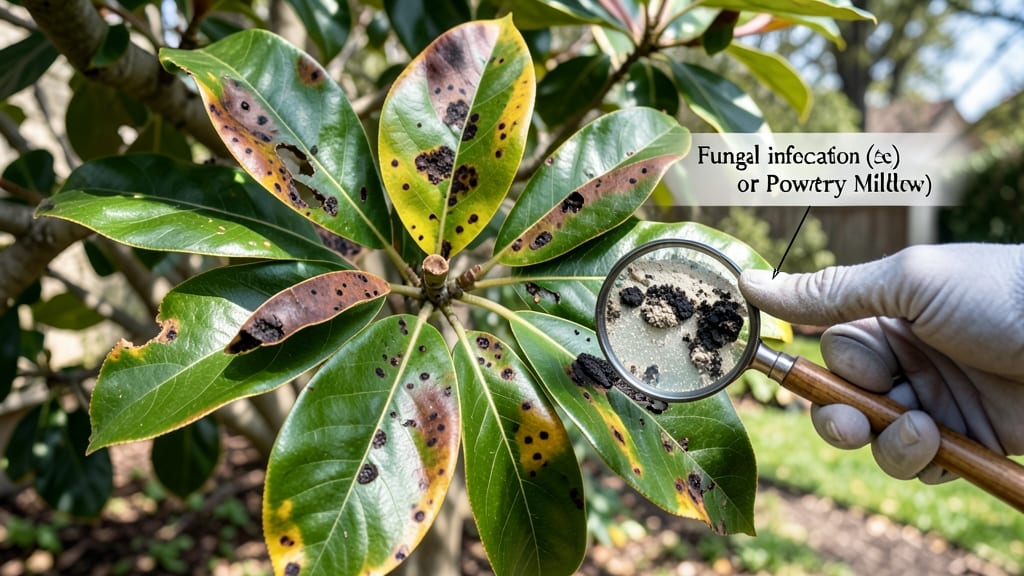
Magnolia leaf damage can turn your stunning specimen into a sad, spotted mess—unless you catch it early. 🌿 I’ve seen anthracnose fungus turn glossy leaves into brown lace and scale insects turn them sticky, but the good news?
Most issues are fixable with the right approach. The key is spotting symptoms fast—discoloration, holes, or a weird sheen—and acting before the problem spreads.
First, identify the culprit: fungal spots (like anthracnose) look like ragged brown patches, while pests leave behind sticky residue or tiny bumps. Environmental stress—like sudden drought or scorching sun—can also cause leaf scorch.
Grab some pruners, a hose with a nozzle, and organic treatments like neem oil or copper fungicide, and you’re ready to tackle the problem head-on.
With quick action, your magnolia can bounce back stronger. Prune damaged leaves, improve air circulation, and apply treatments in the early morning or evening to avoid burning the foliage. Within weeks, you’ll see fresh, healthy growth pushing through—proof that even a struggling magnolia can make a full recovery.
This works for all magnolia varieties, from Southern beauties to cold-hardy hybrids. The secret? Consistency. Check your tree weekly during peak growing season, and you’ll catch issues before they escalate. Let’s get those leaves looking lush again!
📚 In This Guide
- What you need
- Instructions
- Tips and common mistakes
- Wrapping up and next steps
What you need
- ● Gloves – Nitrile or rubber gloves (1 pair) to protect your hands from sap, pests, or chemicals.
- ● Pruning shears – Sharp, sterilized shears (1 pair) for trimming damaged leaves or branches.
- ● Hand lens or magnifying glass – 10x magnification to inspect leaf damage up close.
- ● Spray bottle – 8–16 oz for mixing and applying organic treatments.
- ● Neem oil – 100% pure, cold-pressed (16 oz bottle) for organic pest control.
- ● Horticultural oil – Dormant or summer grade (16 oz bottle) to smother pests.
- ● Insecticidal soap – Plant-safe, no synthetic fragrances (16 oz bottle).
- ○ Copper fungicide – Optional but helpful for fungal issues (8 oz bottle).
- ● Watering can – With a fine rose nozzle for gentle application.
- ● Notebook & pen – To document symptoms, treatments, and progress.
- ● Pruning saw – For thicker branches if needed.
- ● Spray attachment – For larger trees (fits on garden hose).
- ● Diatomaceous earth (DE) – Food-grade for crawling pests like mites.
- ● Beneficial nematodes – For soil-dwelling pests (if root issues are suspected).
- ● Camera or smartphone – To capture leaf damage for diagnosis.
- ● Plant food (balanced fertilizer) – 10-10-10 or similar if nutrient deficiency is suspected.
How to diagnose and treat magnolia leaf damage organically
Here's how to spot common issues early and restore your magnolia's health without harsh chemicals.
🌿 Step 1: Identify the Type of Leaf Damage
Start by examining the leaves closely for specific patterns. Brown edges often signal underwatering or salt buildup from tap water, while yellow patches typically mean overwatering or fungal infection. Check the undersides of leaves for tiny webs—those are spider mites. Real talk: I once mistook fungal spots for nutrient deficiency until I flipped the leaves and saw the telltale powdery coating.
Look at the leaf margins too. Ragged, irregular edges suggest magnolia scale or aphid damage, while crispy brown edges usually mean drought stress. Compare damaged leaves with healthy ones on the same tree to spot subtle differences. This comparison is key—what looks like general decline to a casual observer often reveals specific problems under closer inspection.
✂️ Step 2: Prune Damaged Leaves and Branches
Use clean, sharp pruning shears to remove only the affected leaves and small branches showing severe damage. Never prune more than 25% of the tree's canopy at once—magnolias are sensitive to heavy pruning. Focus on removing leaves with black spots, holes, or excessive browning, as these harbor pests and diseases that spread quickly.
Disinfect your tools between cuts with 70% rubbing alcohol to prevent cross-contamination. I like to prune on a dry morning when the leaves are less likely to spread spores if fungal. After pruning, rake up and dispose of all fallen leaves—don't compost them if they show signs of disease.
💧 Step 3: Apply Organic Treatments Targeted to the Problem
For fungal issues like powdery mildew or leaf spot, mix 1 tablespoon baking soda with 1 quart water and a few drops of dish soap (as a surfactant). Spray thoroughly on both leaf surfaces every 7-10 days until new growth appears. This homemade spray works because baking soda raises the leaf's pH slightly, creating an inhospitable environment for fungal spores.
If you spot pests like spider mites or aphids, spray with a neem oil solution (1 tablespoon neem oil + 1 teaspoon mild liquid soap per quart of water). Apply in the early morning or late evening when bees aren't active. I've found neem oil particularly effective because it disrupts the pests' life cycle without harming beneficial insects.
☀️ Step 4: Adjust Watering and Soil Conditions
Magnolias prefer deep but infrequent watering—water only when the top 2-3 inches of soil feel dry. Overwatering suffocates roots and invites fungal problems, while underwatering causes leaf edges to crisp. Mulch with 2-3 inches of organic mulch (like shredded bark) to retain moisture and regulate soil temperature—this mimics their natural forest habitat.
If your magnolia shows signs of nutrient deficiency (yellowing between leaf veins), apply organic compost around the root zone in early spring. Avoid synthetic fertilizers, which can burn roots and stress the tree. I've seen magnolias recover beautifully after just one season of proper composting—it's like giving them a slow-release vitamin boost.
🌱 Step 5: Monitor and Prevent Future Damage
Check your magnolia weekly during growing season for early signs of damage. Healthy magnolias have deep green, glossy leaves with no spots or holes. Keep an eye out for new growth—if it emerges healthy, your treatments are working. I like to take "before and after" photos every month to track progress visually.
Prevent future issues by avoiding overhead watering (water at the base instead) and pruning in late winter when the tree is dormant. This timing reduces stress and gives the tree time to heal before spring growth. Most importantly, resist the urge to over-fertilize—magnolias are low-maintenance trees that thrive with minimal intervention.
Tips & tricks for diagnosing and treating magnolia leaf damage
Here's what nobody tells you about keeping your magnolia thriving—these details make all the difference.
Leaf Examination Technique: When checking for damage in Step 1, use a magnifying glass to inspect leaf undersides for early signs of spider mites or fungal spores. I caught a spider mite infestation early because I noticed tiny white specks on the undersides—something I would've missed without close inspection. Focus on new growth first, as pests often target tender leaves.
Pruning Precision: In Step 2, when removing damaged branches, cut just above a healthy leaf node to encourage regrowth. I've seen magnolias recover beautifully after targeted pruning—just avoid cutting into healthy tissue. Also, prune on a dry day to prevent fungal spores from spreading if you're dealing with leaf spot.
Treatment Timing: The 7-10 day interval for baking soda treatments in Step 3 works because it gives the solution time to work while preventing buildup. I've found that applying treatments in the early morning prevents rapid evaporation and allows the solution to fully absorb into the leaves before afternoon heat sets in.
Watering Wisdom: For Step 4's deep watering technique, use a soil moisture meter to check the top 2-3 inches of soil—this takes the guesswork out of determining when to water. I've seen magnolias suffer from both overwatering and underwatering when people rely on schedules rather than soil conditions. Water slowly at the base to encourage deep root growth rather than surface evaporation.
Pro Tips for Magnolia Leaf Damage
- Here's what nobody tells you about keeping your magnolia thriving—these details make all the difference.
- Leaf Examination Technique: When checking for damage in Step 1, use a magnifying glass to inspect leaf undersides for early signs of spider mites or fungal spores.
- Pruning Precision: In Step 2, when removing damaged branches, cut just above a healthy leaf node to encourage regrowth.
Frequently asked questions
Got questions about identifying, treating, or preventing magnolia leaf damage? You’re not alone!
Here are answers to the most common concerns—plus a few pro tips to keep your magnolia thriving.
What are the most common signs of magnolia leaf damage?
Look for yellowing, browning, or blackened edges on leaves, as well as holes, spots, or curled foliage. Magnolia scale, powdery mildew, or fungal infections often cause these symptoms. Check the undersides of leaves for pests or webbing—early detection is key!
When is the best time to treat magnolia leaf damage?
Act as soon as you spot symptoms—especially in spring or early summer—when pests and fungi are most active. For organic treatments, apply neem oil or horticultural oil during cool, overcast days to avoid burning leaves. Fall cleanup (removing damaged leaves) also helps prevent winter pests.
What are the best organic treatments for magnolia leaf damage?
Start with a mix of neem oil (1 tsp per quart of water) + mild soap to smother pests. For fungal issues, try a baking soda spray (1 tbsp baking soda + 1 quart water + a drop of soap). Prune affected branches with sterilized shears and compost the debris (don’t reuse it!). Repeat every 7–10 days until improvement.
Can I save a magnolia tree if the damage is severe?
Yes! Prune back dead or heavily damaged branches (but avoid over-pruning—magnolias are sensitive). If root rot or advanced disease is suspected, improve drainage and avoid overwatering. For pest outbreaks, introduce beneficial insects like ladybugs or bird-friendly habitats to naturally control infestations.
How do I prevent magnolia leaf damage in the future?
Focus on proactive care:
- Water at the base (avoid wetting leaves to reduce fungal risk).
- Mulch around the tree (2–3 inches of organic mulch) to retain moisture and deter pests.
- Space trees properly for airflow (magnolias need 15–20 feet between specimens).
- Monitor regularly—check leaves weekly in spring/summer.
Wrapping up and next steps
Identifying and addressing magnolia leaf damage early can save your tree from long-term stress and even death. Whether it’s fungal diseases, pests, or environmental factors, organic solutions and proactive care are key.
With the right tools and knowledge, you can restore your magnolia’s health and keep it thriving for years to come!
🌿 Next Steps:
- Inspect your magnolia regularly for early signs of damage.
- Test a few organic treatments to see what works best for your tree.
- Share your success (or lessons learned) with fellow gardeners!