
Diseases
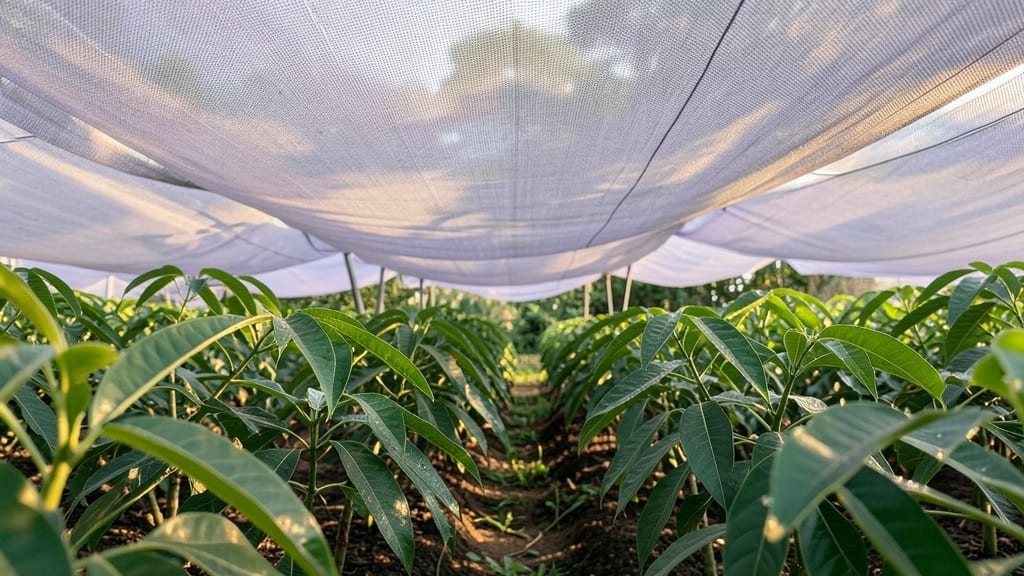
Mango seedling leaves curling? This common issue signals fungal infections or nutrient imbalances that can stunt growth. Discover 10 targeted solutions—from organic sprays to soil adjustments—to revive your seedlings and prevent future damage.
Neem Oil Spray for Fungal Defense
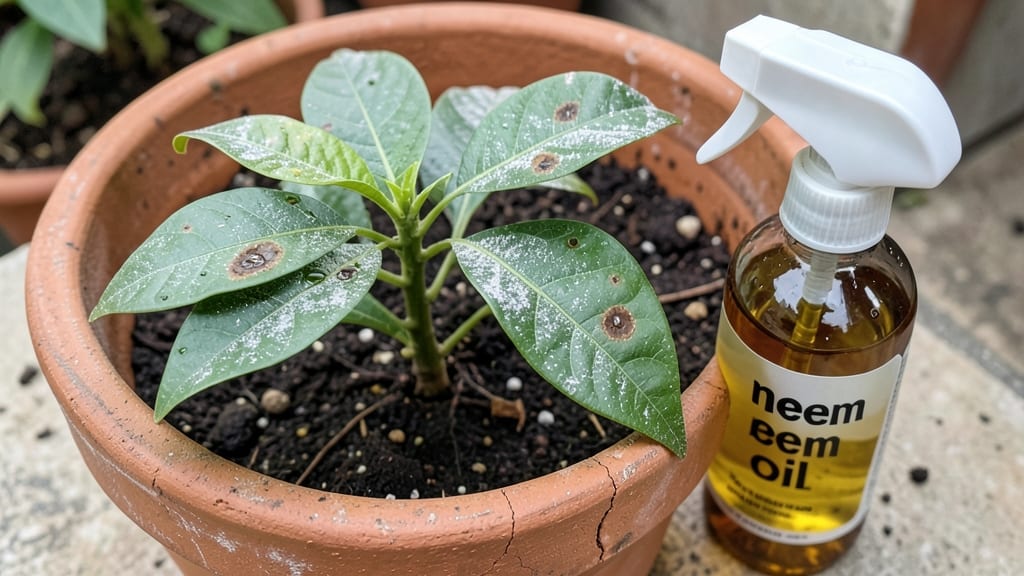
When your mango seedlings show the first signs of powdery mildew or bacterial leaf spot, neem oil isn't just a treatment—it's a shield. This natural antifungal oil disrupts fungal cell membranes while stimulating your seedlings' immune response, giving them the strength to fight back against curling leaves and white fungal growth.
Mix 1 teaspoon of neem oil with 1 quart of water and a dash of mild soap (like Castile) to help it stick. Spray the solution on both sides of leaves in the early morning to avoid sunburning the oil-treated foliage. Reapply every 7-10 days until symptoms disappear, and your seedlings will develop natural resistance over time.
Organic growers and those with sensitive plants will appreciate how neem oil works as both a curative and preventative measure, without the harsh chemicals. It’s especially effective for seedlings in humid conditions where fungal spores thrive. 🌿
Baking Soda Remedy for Nutrient Stress
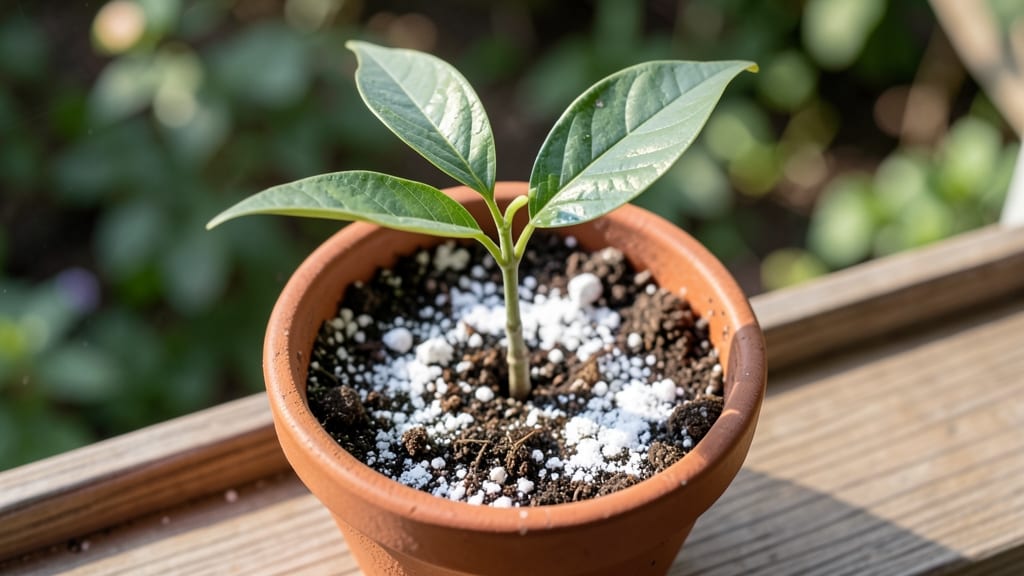
When your mango seedling leaves curl from nutrient stress—not just fungal infections—this simple baking soda remedy can work miracles in just days. High soil acidity or calcium deficiency often cause that telltale curling, and unlike chemical fixes, this solution is gentle yet effective for young plants.
Mix 1 teaspoon of baking soda with 1 quart of water and add a drop of liquid soap to help it stick. Lightly spray the solution on the leaves (avoid oversaturating) every 3-4 days until you see improvement. For extra calcium, add 1 tablespoon of crushed eggshells to the soil monthly. This combo tackles both acidity and mineral deficiencies without harming your seedlings.
Perfect for organic gardeners or those with alkaline soil conditions, this remedy is especially helpful for seedlings showing early signs of stress. Within 3-5 days, you’ll often see leaves unfurling and regaining their vibrant green color. 🌱
Hydrogen Peroxide Root Soak
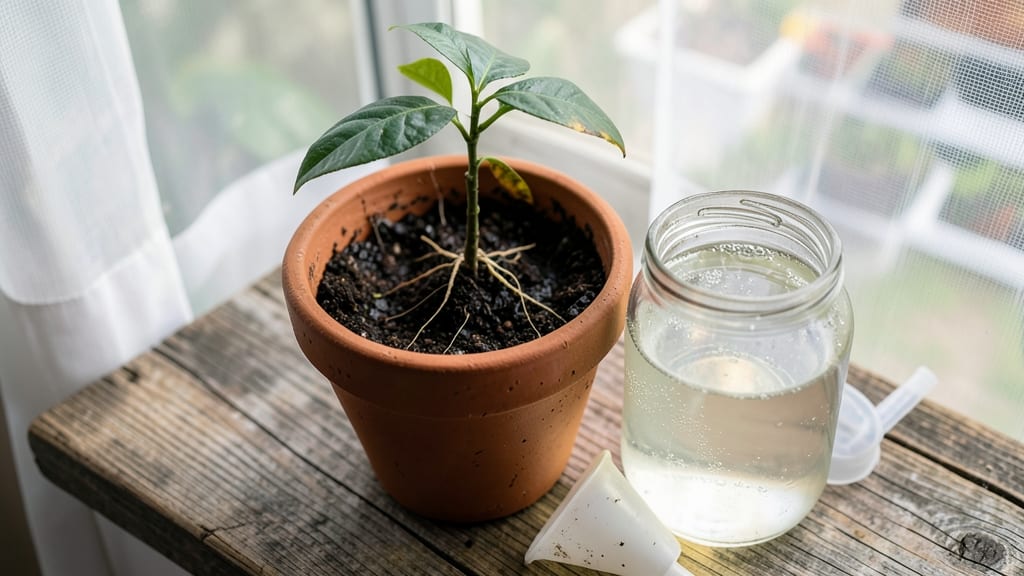
When your mango seedlings show signs of stress from waterlogged soil, a simple hydrogen peroxide root soak can work like a breath of fresh air for their roots. This oxygen-rich solution not only detoxifies fungal pathogens but also jumpstarts nutrient absorption, giving struggling seedlings a second chance.
Mix 1 tablespoon of 3% hydrogen peroxide with 1 quart of water and soak the roots for 10-15 minutes every 7-10 days during recovery. The bubbling action oxygenates compacted soil, while the mild antiseptic properties combat root rot and fungal infections. For best results, use this treatment after repotting or during heavy rainfall to prevent waterlogging.
This method is especially valuable for gardeners in humid climates or those using containers with poor drainage. It’s a quick, chemical-free way to restore root health without disrupting the delicate balance of your seedlings. 💡
Epsom Salt Leaf Treatment
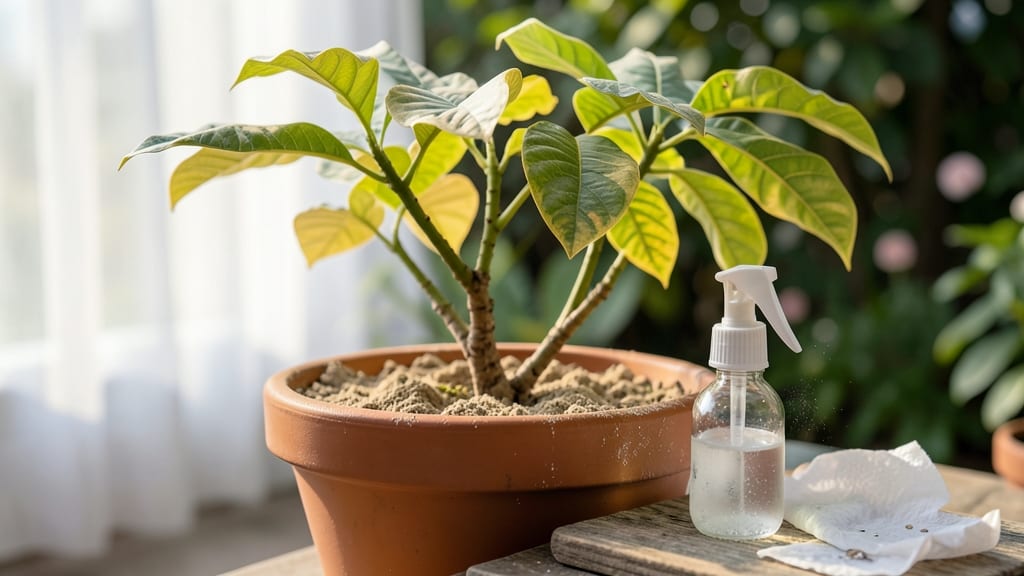
When your mango seedlings show yellowing edges or cupped leaves, it’s often a cry for magnesium and sulfur—nutrients that sandy or nutrient-poor soils simply can’t provide. A simple Epsom salt leaf treatment can turn the tide by delivering these essential minerals directly to where they’re needed most.
Dissolve 1 tablespoon of Epsom salt in a gallon of water and spray it evenly on the leaves (both top and undersides) every 2 weeks during the growing season. For sandy soils, add ½ cup of Epsom salt per hole when planting to give seedlings a slow-release boost. This isn’t just a quick fix—it strengthens cell walls, improves chlorophyll production, and helps seedlings recover from transplant shock.
This remedy is a game-changer for gardeners with low-nutrient soils or those struggling with slow-growing seedlings. Just be sure to apply it in the early morning or late afternoon to avoid leaf burn from direct sunlight. 🌱
Copper Fungicide Application
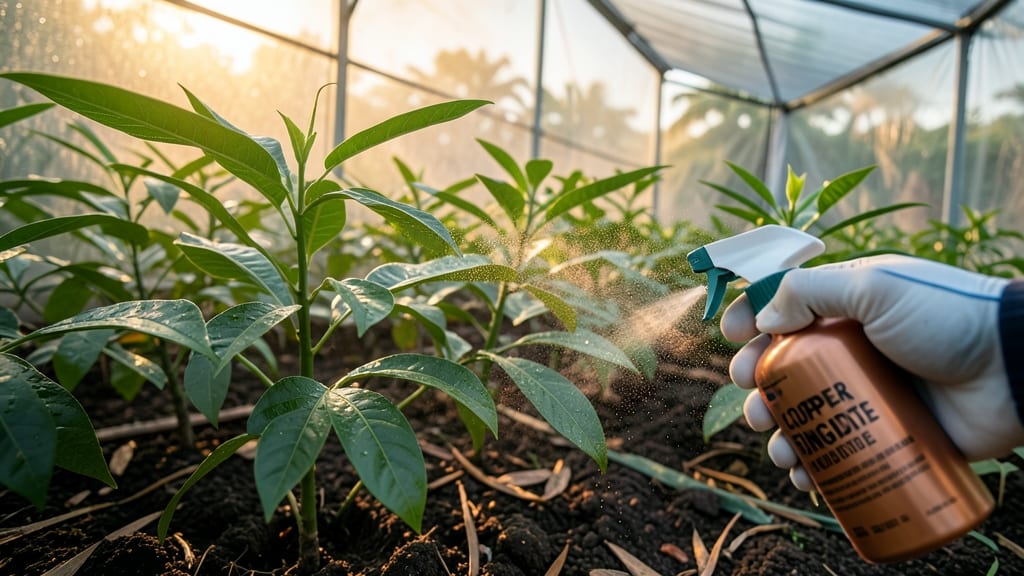
If your mango seedlings are thriving in high-humidity or tropical climates, copper fungicide is your secret weapon against stubborn fungal leaf curl diseases like anthracnose. This preventative spray creates a protective barrier on leaves, stopping fungal spores from taking hold before they cause irreversible damage.
Mix 1 teaspoon of copper sulfate with 1 gallon of water (or use a pre-mixed liquid formula) and apply with a spray bottle at dusk or dawn to avoid leaf burn. Focus on the undersides of leaves where fungal spores love to hide. For best results, apply every 7-10 days during humid seasons or after heavy rain. Copper works by disrupting fungal cell walls—no harmful residues for your plants once dry.
This is the go-to solution for gardeners in tropical zones or greenhouses where fungal diseases spread rapidly. Just remember to wear gloves when handling copper to protect your skin. 🌟
Humic Acid Soil Drench
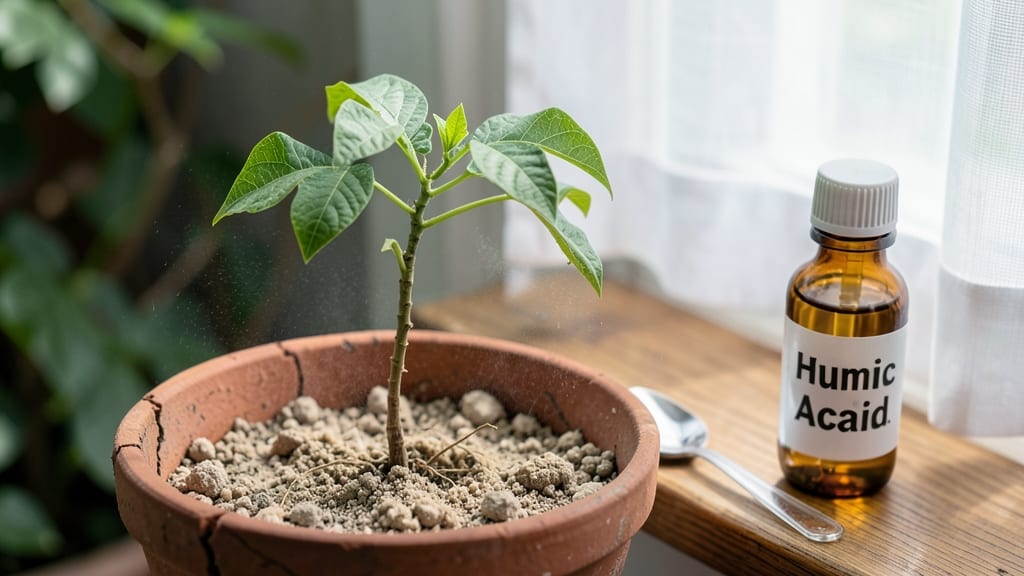
When your mango seedling’s leaves curl due to poor soil health, a humic acid soil drench acts like a turbocharger for nutrient uptake and microbial life. Unlike surface treatments, this liquid gold revitalizes the entire root zone, helping stressed seedlings bounce back faster.
Mix 1 teaspoon of humic acid per gallon of water and apply directly to the soil every 2-4 weeks during active growth. The bio-stimulant unlocks trapped nutrients, boosts beneficial microbes, and improves water retention—ideal for seedlings struggling with compacted or nutrient-depleted soil. For best results, pair it with a light compost top-dressing.
This is your secret weapon for seedlings showing signs of chronic stress—whether from overcrowding, poor drainage, or exhausted potting mix. 💚
Pruning Damaged Leaves
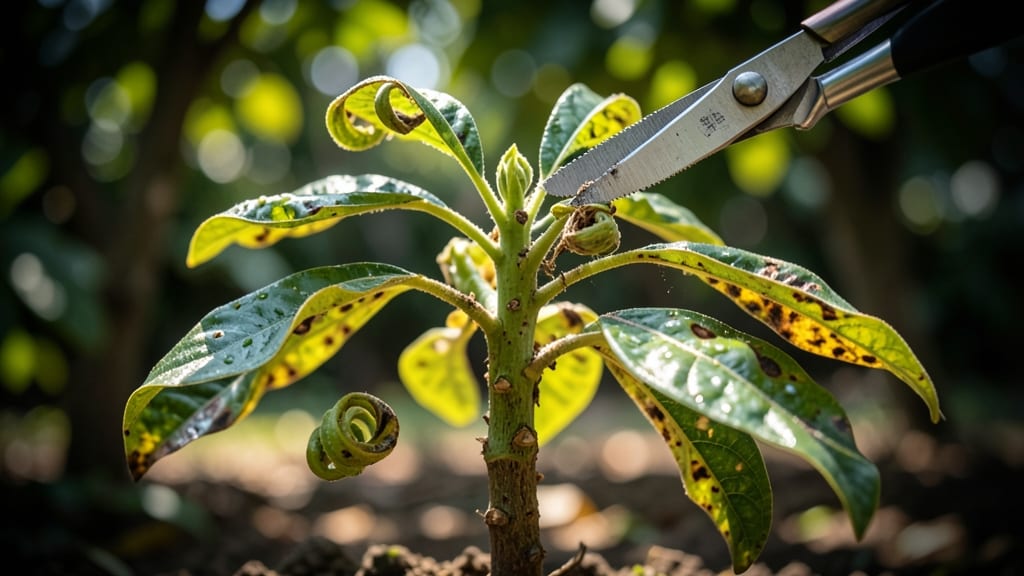
When your mango seedling’s leaves curl severely, pruning isn’t just about looks—it’s a lifeline for recovery. Severely damaged foliage drains energy and traps moisture, creating the perfect conditions for fungal infections like anthracnose to spread. By removing these leaves, you force the plant to redirect its resources to new, healthy growth while reducing disease pressure.
Use sterilized pruning shears to snip curled leaves at the base, avoiding any jagged cuts that could invite pests. Focus on leaves that are thickened, discolored, or brittle—these are the biggest energy vampires. For seedlings, limit pruning to no more than 20% of the foliage at once to avoid shocking the plant. After pruning, wipe your tools with rubbing alcohol to prevent cross-contamination between plants.
This method is especially critical for seedlings showing signs of nutrient stress or fungal infections, as it stops the cycle of decline before it worsens. Beginners will appreciate how this simple step buys time for other treatments—like neem oil or Epsom salt—to take effect. 🌱
Adjusting Soil pH Levels
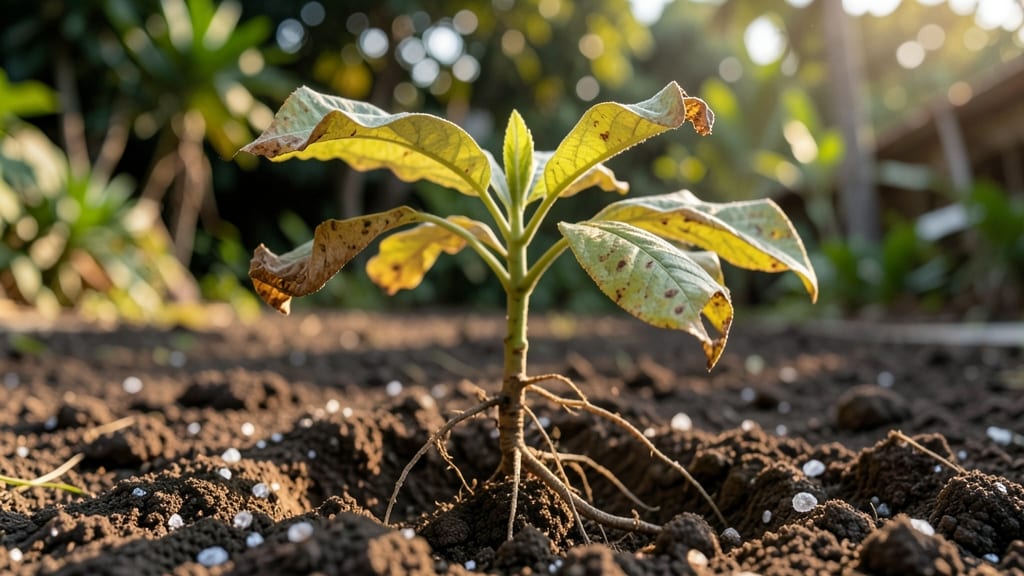
If your mango seedlings are struggling with curled leaves despite other treatments, your soil’s pH might be locking out essential nutrients. Tropical regions often have naturally alkaline soils, which can prevent seedlings from absorbing phosphorus, iron, and zinc—key elements for leaf development.
Test your soil’s pH using a simple kit (ideal range: 5.5–6.5 for mangoes). To lower pH, mix in elemental sulfur (1–2 lbs per 100 sq ft) and water thoroughly. For alkaline correction, add pelletized lime (1–2 lbs per 100 sq ft) and re-test in 2–4 weeks. Focus on the root zone to ensure direct contact with amendments.
This adjustment is especially critical for seedlings, as nutrient deficiencies manifest quickly in young plants. Gardeners in tropical climates will see the most dramatic improvements after balancing pH, as it unlocks the soil’s full potential for growth. 💚
Beneficial Microbe Inoculation
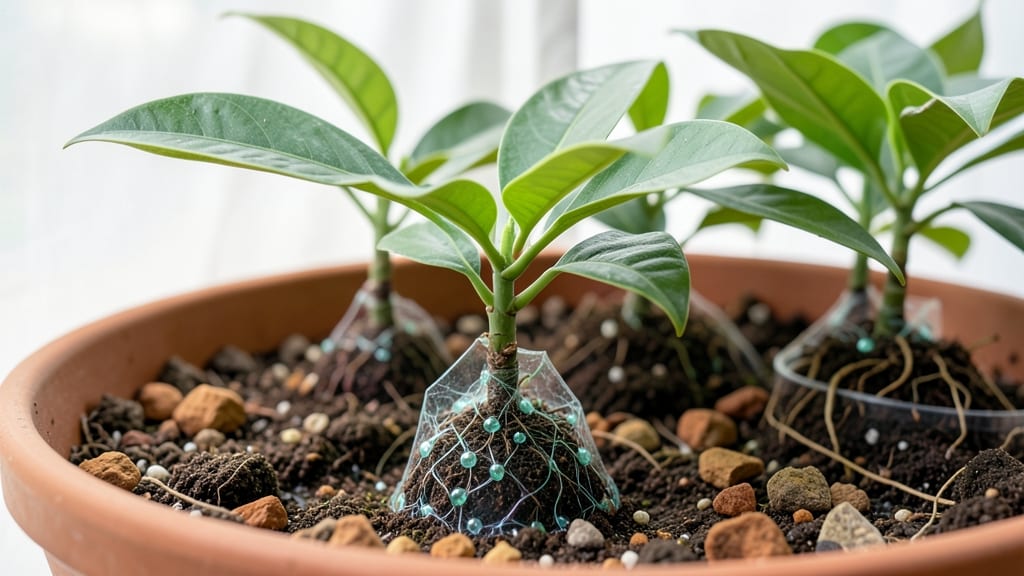
When your mango seedlings show signs of stress—like curled leaves or stunted growth—beneficial microbes could be the hidden solution you’ve overlooked. These microscopic allies, like mycorrhizal fungi and bacillus subtilis, form protective root zones that block fungal invaders while boosting nutrient absorption, giving struggling seedlings the support they need to thrive.
Start by applying a mycorrhizal inoculant directly to the soil during planting or transplanting, ensuring roots make contact with the beneficial fungi. For added defense, use a bacillus subtilis-based biofungicide (like Serenade or Kodiak) every 2–3 weeks to crowd out harmful pathogens. These microbes create a biological shield around roots, reducing fungal pressure while improving water and nutrient uptake—critical for seedlings battling stress.
This approach is especially valuable for gardeners in tropical climates or those using sterile potting mixes, where natural microbial populations are lacking. It’s a preventative powerhouse that works quietly underground, setting your seedlings up for long-term resilience. 💚
Shade Cloth Protection

When your mango seedlings are struggling under the harsh midday sun, shade cloth acts like a natural sunscreen, shielding delicate leaves from leaf scorch and reducing fungal spore development. This lightweight fabric filters out up to 50% of sunlight while allowing airflow, creating the perfect balance for tender seedlings in hot climates or during transplant shock.
Use 30-50% shade cloth (lighter for tropical regions, heavier for milder climates) and secure it 2-3 feet above seedlings to avoid touching leaves. For transplant shock, provide 2-4 weeks of protection while roots establish. The cloth also helps maintain consistent soil moisture by reducing evaporation, which is especially helpful in sandy or well-draining soils.
This low-cost solution is ideal for urban gardeners with limited space or anyone growing seedlings in containers, as it prevents the stress that leads to curling leaves. 💚