
Leaf Blower
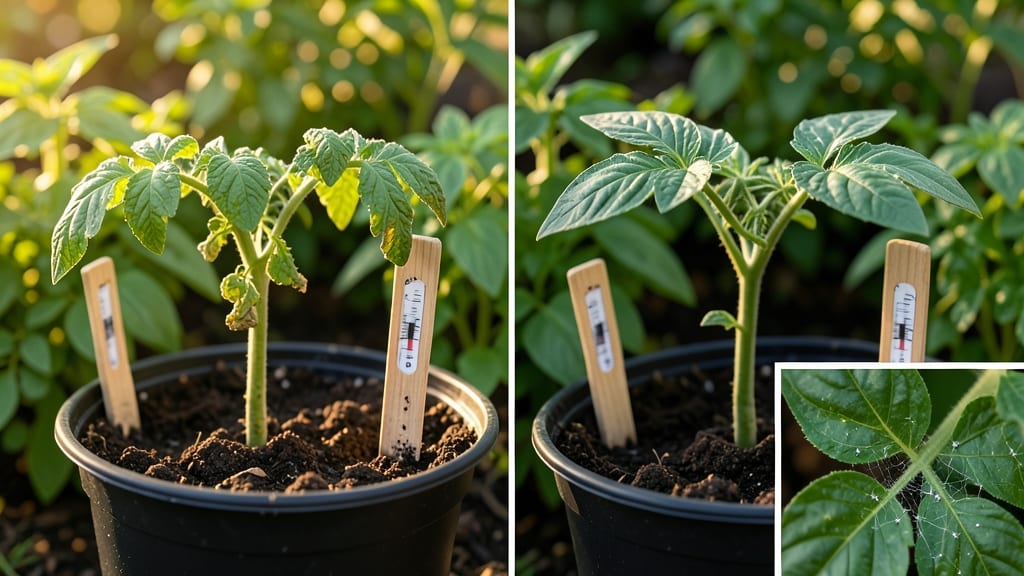
When your tomato seedlings develop leaf curl, it’s usually a fungal spot that spreads faster than you can say "harvest." The good news? Copper fungicide isn’t just science—it’s your secret weapon for stopping the curl before it ruins your plants.
I’ve used it to save seedlings multiple times, and the key is acting fast with the right mix and timing.
Leaf curl in seedlings often starts with tiny yellow spots that curl upward, then spread as the fungus thrives in damp conditions. Overwatering, poor airflow, or old seedling trays create the perfect breeding ground. The moment you spot those curled leaves, isolate the plant—fungus spreads through water droplets and tools.
Copper fungicide works by disrupting fungal cell walls, and when applied correctly, it stops the curl within 3-5 days.
You’ll know you’ve won when new growth emerges straight and green, free of those telltale curls. The best part? Copper is safe for seedlings once fully diluted, and it prevents future outbreaks if used preventatively every 7-10 days during humid weather.
No more lost seedlings—just strong, healthy plants ready for transplanting.
This method works for both fungal spots and early signs of viral stress, though viruses require removing infected plants entirely. For long-term health, pair copper treatments with proper spacing and airflow. Your seedlings—and your future harvest—will thank you.
Understanding the Root Causes
Tomato seedlings with curled leaves can be frustrating, but knowing the why behind it is the first step to fixing the problem. Leaf curl in young tomato plants is rarely a single issue—it’s often a mix of environmental stress, pests, or pathogens working together.
Below, we break down the most common culprits and why they trigger this frustrating symptom.
Viruses like Tobacco Mosaic Virus (TMV) or Tomato Mosaic Virus (ToMV) are notorious for causing leaf curl, yellowing, and stunted growth in seedlings. Here’s how they do it:
- How it spreads: Viruses hitchhike on contaminated tools, hands, or even insects (like aphids). Once inside the plant, they hijack the cell machinery, disrupting normal growth patterns. - Why leaves curl: The virus interferes with auxin (a plant growth hormone), causing cells to grow unevenly.
This leads to distorted, upward-curling leaves. - Actionable clue: Look for mosaic patterns (light/dark green patches) alongside curl. If you spot these, quarantine infected plants immediately—viruses can’t be cured, only prevented.
Fungi like Alternaria or Septoria and bacteria such as Pseudomonas thrive in damp conditions and can trigger leaf curl by: - Clogging stomata: Fungal spores or bacterial films block the tiny pores on leaves, disrupting gas exchange.
This forces the plant to compensate by curling edges inward. - Toxin release: Some pathogens secrete phytohormone-like compounds that mimic growth signals, tricking the plant into curling leaves as a "stress response." - Environmental red flags: Overhead watering, high humidity, or crowded seedlings create the perfect breeding ground. Yellow halos around spots or black streaks on stems often signal fungal/bacterial infection.
Tomato seedlings are delicate, and even minor environmental mismatches can cause leaves to curl as a survival tactic. Common triggers include:
| Stress Factor | Why It Causes Curl | Fix It Fast |
|---|---|---|
| Overwatering | Roots drown, starving leaves of oxygen. Cells swell unevenly, leading to curl. | Let soil dry slightly between waterings; improve drainage with perlite. |
| Underwatering | Leaves wilt and curl to conserve moisture. | Water deeply at the base (not overhead) when the top inch of soil is dry. |
| Temperature Swings | Sudden heat/cold disrupts ethylene gas production, a hormone that triggers curl. | Keep seedlings in 60–75°F range; use shade cloth if temps spike. |
| Poor Airflow | Stagnant air traps humidity, encouraging fungal growth and stress hormones. | Space seedlings 12–18 inches apart; use a small fan for gentle airflow. |
Sap-sucking pests like aphids, spider mites, or whiteflies don’t just drain nutrients—they also inject toxins that cause leaves to curl.
Here’s the science: - Saliva sabotage: As pests feed, they inject enzymes that disrupt plant cell walls, leading to curled, puckered leaves. - Hormone hijacking: Some pests (like aphids) secrete jassonic acid, a compound that mimics plant stress signals, forcing leaves to curl. - Tell-tale signs: Check undersides of leaves for sticky residue (honeydew), tiny webs, or clusters of bugs. Neem oil or insecticidal soap can break the cycle.
Too much or too little of certain nutrients can send seedlings into a curl. The most common offenders: - Excess nitrogen (N): Leads to soft, pale leaves that curl from rapid, uneven growth.
Think of it like a plant with a sugar rush—cells grow too fast, then collapse. - Potassium (K) deficiency: Weakens cell walls, making leaves brittle and curled (especially at the edges).
Older leaves often show signs first. - Magnesium (Mg) shortage: Causes interveinal chlorosis (yellowing between veins) and curl as the plant struggles to photosynthesize. - Quick test: Flush soil with water to check for salinity buildup (white crust on soil surface).
Adjust fertilizers with a balanced 10-10-10 or kelp meal for micronutrients.
Sometimes, leaf curl isn’t biological—it’s mechanical:
- Wind or hail: Bruises cells, causing them to curl as the plant tries to "seal" the damage.
- Over-fertilizing: Chemical burns from concentrated salts can scorch leaf edges, leading to curl.
- Transplant shock: Roots disturbed during repotting may cause temporary curl as the plant recovers. Mulch with straw to protect roots and reduce stress.
Not sure what’s wrong? Isolate the variables:
- Check for pests under leaves with a magnifying glass.
- Test soil moisture—stick your finger in the soil. Too wet? Too dry?
- Inspect for spots (fungal) or mosaic patterns (viral).
- Monitor temperature with a thermometer near seedlings.
If the curl persists after addressing these, copper fungicide (like the one we’ll cover next!) can help—especially if fungal pathogens are the root cause. 🌱
Quick Fixes for Wrinkled Tomato Leaves
If your tomato seedlings are showing signs of leaf curl—whether from fungal spots, pests, or environmental stress—don’t panic! The good news is that most issues can be reversed with targeted care.
Below, we’ve mapped out practical, science-backed solutions based on the root cause, along with prevention tips to keep your plants thriving. Let’s get those leaves perky again!
Fungal leaf curl often starts with tiny dark spots that expand into larger lesions, causing leaves to pucker and curl. Copper fungicides are your first line of defense, but consistency is key.
🍳 Step 1: Apply Copper Fungicide Properly
- When? At the first sign of spots—don’t wait until the problem spreads.
- How? Mix copper fungicide (like copper sulfate or copper hydroxide) with water according to label instructions.
Use a sprayer with a fine mist to coat both the tops and undersides of leaves. - Frequency: Reapply every 7–10 days during wet or humid conditions.
If rain is forecast, treat again within 24–48 hours. - Pro Tip: 💡 For extra protection, add 1 tsp of baking soda per gallon of water (with a few drops of dish soap as a surfactant) as a preventative spray between copper treatments.
👨🍳 Step 2: Improve Airflow and Sanitation
Fungi love damp, crowded spaces. Break the cycle with these tweaks: - Prune aggressively: Remove all infected leaves (including those touching the soil) and destroy them—do not compost them.
Burn or trash them to prevent reinfection. - Space plants wider: If seedlings are too close, thin them out to 12–18 inches apart to allow airflow. - Water at the base: Avoid overhead watering.
Use drip irrigation or soaker hoses to keep foliage dry. - Rotate crops: If you replant tomatoes in the same spot next year, wait 3–4 years before returning them to break the fungal lifecycle.
🌡️ Step 3: Boost Plant Immunity Healthy plants fight infections better.
Give your seedlings a nutrient boost: - Balanced fertilizer: Use a low-nitrogen, high-phosphorus fertilizer (like 5-10-10) to strengthen roots and resistance. - Compost tea: Brew a homemade compost tea (steep compost in water for 24–48 hours, strain, and spray) to introduce beneficial microbes. - Neem oil spray: Mix 1 tbsp neem oil + 1 tsp mild soap per gallon of water and spray leaves to deter fungal spores and pests.
Tiny pests suck sap from leaves, causing curling, yellowing, and stunted growth. Act fast—these critters multiply quickly!
🔪 Step 1: Knock Pests Off with Insecticidal Soap
- DIY recipe: Mix 2 tbsp castile soap + 1 quart water in a spray bottle. Test on a small leaf first (some plants are sensitive).
- Spray thoroughly: Focus on the undersides of leaves where pests hide.
Reapply every 3–5 days until pests disappear. - Alternative: Neem oil (1 tbsp per quart of water) disrupts their life cycle. Spray in the early morning or evening to avoid harming bees.
⏰ Step 2: Introduce Beneficial Predators
- Ladybugs or lacewings: Release these natural pest-eaters (available at garden centers) to control aphids and whiteflies.
- Predatory mites: For spider mites, introduce Phytoseiulus persimilis mites—they’ll feast on the bad guys.
🎯 Step 3: Prevent Future Infestations
- Sticky traps: Hang yellow sticky traps near plants to monitor and catch flying pests.
- Reflective mulch: Cover the soil with silver or aluminum mulch—it confuses pests and reduces egg-laying.
- Quarantine new plants: Always inspect new seedlings for pests before bringing them home.
If leaves curl without spots or pests, your seedlings might be struggling with temperature swings or improper care.
💡 Step 1: Adjust Watering Habits
- Overwatering? Let the top 1–2 inches of soil dry out between waterings. Yellowing leaves with curl often signal root rot.
- Underwatering? Check soil moisture—if it’s bone dry, water deeply until it drains from the bottom. Use well-draining pots with drainage holes.
🌡️ Step 2: Shield from Extreme Conditions
- Heat stress: If temps exceed 90°F (32°C), provide shade cloth (30–50%) or move seedlings to a cooler, shaded spot for a few hours a day.
- Cold shock: If night temps drop below 50°F (10°C), cover seedlings with frost blankets or move them to a sheltered spot (like a greenhouse or cold frame).
✨ Step 3: Ease Transplant Shock
If you recently moved seedlings outdoors:
- Hardening off: Gradually expose them to outdoor conditions over 7–10 days (start with 1 hour/day, increasing time).
- Support stems: Use small stakes or cages to prevent wind damage.
- Mulch well: Apply 2–3 inches of organic mulch (straw or shredded leaves) to retain moisture and regulate soil temp.
Stop leaf curl before it starts with these proactive habits: ✅ Start with disease-resistant varieties (e.g., ‘Mountain Merit,’ ‘Celebrity,’ or ‘Defiant PhR’). ✅ Sterilize tools and pots between uses with 10% bleach solution or rubbing alcohol. ✅ Rotate planting locations every 2–3 years to prevent soil-borne fungi. ✅ Monitor humidity—aim for 40–60% with a dehumidifier or fan in greenhouses. ✅ Test soil pH—tomatoes thrive in 6.0–6.8 pH.
Adjust with lime (to raise) or sulfur (to lower) if needed.
Final Thought: Most tomato leaf curl issues are fixable with early action and consistent care. Copper fungicides, pest control, and environmental tweaks can turn your struggling seedlings into strong, productive plants—just in time for harvest! 🍅🌱
Frequently asked questions
Can copper fungicide harm my tomato seedlings if I use too much?
When used correctly, copper fungicide is safe for seedlings, but overapplication can cause leaf burn. Always follow label instructions—typically 1-2 teaspoons per gallon of water for seedlings. Test on one leaf first, and avoid treating during peak sun hours (10 AM–4 PM) to prevent scorching. Dilution is key!
What’s the difference between viral leaf curl and fungal leaf curl in seedlings?
Viral curl (like from Tomato Leaf Curl Virus) shows mosaic patterns (light/dark green patches) alongside curling, while fungal curl starts with tiny dark spots that expand. Viruses can’t be cured—remove infected plants immediately. Fungal curl responds well to copper fungicide and improved airflow.
How do I know if my seedlings’ leaf curl is from pests or environmental stress?
Check leaf undersides for tiny webs (spider mites), sticky residue (aphids), or clusters of bugs—that’s pests. Environmental curl often appears uniformly across all leaves with no visible critters. Test by adjusting watering (let soil dry between waterings) and providing shade if temps exceed 90°F (32°C).
Will pruning curled leaves help my seedlings recover faster?
Yes! Prune only the most severely curled leaves to redirect the plant’s energy to healthy growth. Remove leaves touching the soil to prevent fungal spread. Avoid over-pruning—never take more than 1/3 of the foliage at once. Always sterilize pruners with rubbing alcohol between cuts.
Can I save tomato seedlings with viral leaf curl?
Unfortunately, no. Viral infections like Tomato Leaf Curl Virus have no cure—remove infected seedlings immediately to prevent spread to healthy plants. Quarantine tools and hands after handling infected plants. Focus on preventing future outbreaks with sterilized tools and disease-resistant varieties like ‘Defiant PhR.’