
Trees
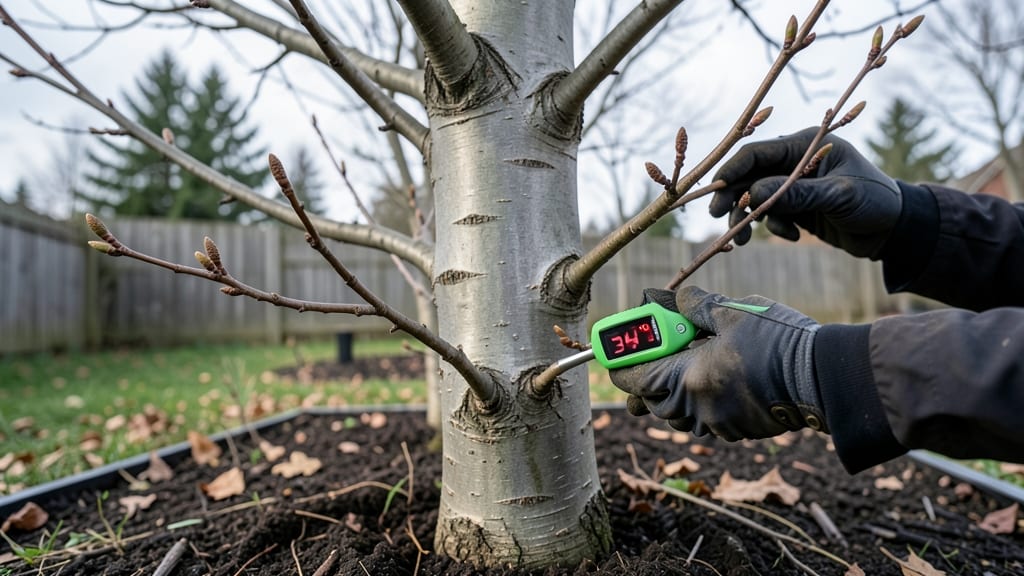
When your maple tree refuses to leaf out, it’s like watching a favorite movie stuck on pause—frustrating and confusing. 🌳 But if you’ve noticed maple trees not leafing out this spring, don’t panic. I’ve seen this happen after harsh winters, droughts, or even something as simple as poor soil drainage.
The good news? Most causes have clear fixes, and many trees bounce back with just a little help.
First, check for obvious signs: Are the branches still alive? Scrape a small section of bark—if it’s green beneath, the tree’s alive but struggling. Common culprits include late frost damage, root issues from construction or compacted soil, or pests like borers hiding beneath the bark.
Even something as subtle as improper pruning can delay leafing.
You’ll likely see new growth within weeks of addressing the root cause—whether that’s watering deeply, applying mulch, or treating for pests. A healthy maple can recover surprisingly fast once the stress is removed. The key is acting before the tree’s energy reserves run out completely.
For stubborn cases, don’t hesitate to call an arborist—sometimes it’s not what you’re seeing but what’s happening below ground. Most maples respond well once the right care is applied, and you’ll be back to enjoying that iconic fall color in no time.
Hidden Reasons Maple Trees Skip Spring
When your maple trees refuse to bud and leaf out in spring, it’s rarely a random act of nature—there’s usually a clear culprit lurking beneath the surface. Understanding these triggers helps you take precise action before the problem worsens. Here’s what’s likely holding your maple back, explained in simple terms.
Maple trees are sensitive to cold snaps, especially when buds begin swelling in late winter. A sudden frost after buds form can kill emerging tissue, leaving branches bare. Why it happens:
- Bud freeze: Maple buds need consistent warmth to break dormancy. If temperatures dip below 28°F (-2°C) after buds swell, cell membranes rupture, and the tree abandons the damaged buds.
- Moisture stress: Wet, icy conditions can cause cryogenic injury, where water inside buds freezes and expands, crushing delicate tissues.
- Species differences: Red maples are slightly more frost-tolerant than silver or sugar maples, but all suffer if buds open too early.
Actionable fix: Monitor local frost forecasts in late winter. If buds swell (they’ll look plump and sticky), cover trees with frost cloth or use anti-transpirant sprays to reduce moisture loss. Prune damaged branches in late summer to avoid fungal entry points.
Maples are shallow-rooted and demand consistent moisture, especially during bud break. Even mild drought can stall leaf production. Why it happens:
- Water deficit: Buds require 40–60% soil moisture to activate growth hormones (like gibberellins). Dry soil triggers abscisic acid, a stress hormone that delays or stops leafing.
- Compacted soil: Heavy clay or urban soil restricts root expansion, limiting water and nutrient uptake. Roots may suffocate, starving the canopy.
- Nutrient imbalance: Low phosphorus or potassium levels weaken cell division in buds. A soil test revealing P < 30 ppm or K < 100 ppm is a red flag.
Actionable fix:
- 💡 Test soil: Use a DIY kit or send a sample to a lab (aim for pH 6.0–7.5 for maples).
- 🌱 Mulch deeply: Apply 3–4 inches of wood chips in a 3-foot radius around the trunk to retain moisture.
- 💦 Deep water: Soak soil to 12–18 inches deep every 7–10 days during bud swell (March–April). Use a soaker hose to avoid runoff.
Invisible invaders like scale insects, maple leaf blister, or Verticillium wilt can hijack your tree’s energy, leaving it too weak to leaf out. Why it happens:
- Sap-sucking pests: Scale, aphids, or spider mites drain nutrients, reducing the tree’s ability to produce leaves. Heavy infestations cause hormonal imbalances, stunting growth.
- Fungal infections: Diseases like Anthracnose or Tar Spot clog stomata (leaf pores), preventing gas exchange. Infected buds may blacken and drop before opening.
- Root rot: Overwatered or poorly drained soil fosters Phytophthora fungi, which girdle roots and cut off nutrient flow to the canopy.
Actionable fix:
Symptom
Likely Culprit
Treatment
Sticky residue on branches
Scale insects or aphids
Spray with horticultural oil (dormant season) or neem oil (spring).
Blackened, crinkled buds
Anthracnose fungus
Apply copper fungicide in early spring. Remove and destroy infected leaves.
Yellowing leaves + wilting
Verticillium wilt
No cure—remove infected trees to prevent spread.
Pollution, extreme heat, or even construction vibrations can shock maple trees into dormancy. Why it happens:
- Air pollution: Ozone or sulfur dioxide damages chloroplasts, reducing photosynthesis. Trees in urban areas may prematurely close stomata, conserving water but halting growth.
- Soil compaction: Heavy foot traffic or machinery near roots restricts oxygen, triggering anoxia stress (root suffocation).
- Light competition: Overhanging branches from nearby trees block sunlight, reducing energy for leaf production.
Actionable fix:
- 🌿 Reduce compaction: Aerate soil with a manual soil probe or hire a professional to core compacted zones.
- 🚧 Protect from vibrations: Avoid heavy equipment near roots during active growth (spring–fall).
- 🌞 Prune competitors: Thin nearby trees to ensure your maple gets 6+ hours of direct sunlight daily.
Not all maples are created equal—and some simply run out of steam. Why it happens:
- Old age: Mature maples (50+ years) may produce fewer leaves due to senescent decline, where root systems weaken and can’t support the canopy.
- Weak genetics: Some cultivars (e.g., ‘Autumn Flame’ red maple) are prone to bud abortion if stressed, even under ideal conditions.
- Girdling roots: Roots growing into the trunk (from poor planting) strangle the tree, cutting off nutrient transport.
Actionable fix:
- 🔍 Check for girdling: Gently peel back mulch to inspect the trunk base. If roots encircle the trunk, prune them carefully with a clean saw.
- 🌱 Replace if necessary: If the tree is non-responsive after 2+ years of care, consider transplanting a young, vigorous sapling.
Revive Your Maple Tree Now
When your maple tree refuses to leaf out, the first step is identifying the root cause—whether it’s environmental stress, disease, or poor care. Below are practical, step-by-step solutions tailored to the most common issues, along with prevention tips to keep your tree thriving.
Let’s get your maple back to its lush, leafy glory!
If your tree is struggling due to late frost, extreme cold, or drought, it needs immediate attention to recover.
🔥 Step 1: Check Soil Moisture - Test the soil by digging 2–3 inches deep.
If it’s bone-dry, your tree isn’t getting enough water. - Water deeply (1–2 inches per week) using a soaker hose or drip irrigation to encourage root growth. - Mulch properly: Apply 2–4 inches of organic mulch (wood chips, bark) around the base, keeping it 6 inches away from the trunk to prevent rot.
🍳 Step 2: Protect from Late Frosts
- If frost damage is suspected, cover young trees with burlap or frost cloth on cold nights (below 28°F).
- Avoid pruning in late winter—wait until after buds swell to prevent frost-sensitive new growth.
🌡️ Step 3: Gradual Temperature Adjustment
- If your tree was moved indoors or to a sheltered spot, acclimate it slowly before exposing it to full sun or cold again.
- Hardening off (gradually increasing sun exposure over 7–10 days) helps prevent shock.
💡 Pro Tip: Drip irrigation on a timer ensures consistent moisture without overwatering—perfect for drought-prone maples!
If tar spots, anthracnose, or verticillium wilt are to blame, act fast to save your tree.
🔪 Step 1: Prune Infected Branches
- Remove and destroy (do not compost!) all diseased leaves and branches using sterilized pruners (wipe with rubbing alcohol between cuts).
- Thin the canopy to improve airflow—fungi thrive in dense, wet foliage.
💊 Step 2: Apply Fungicides
- Copper fungicides (like Copper Sulfate) or neem oil can help prevent spread.
- Reapply every 2–4 weeks during wet seasons (spring/fall).
- For verticillium wilt, fungicide injections (consult an arborist) may be necessary.
🌧️ Step 3: Improve Drainage & Soil Health
- Aerate compacted soil with a garden fork to prevent waterlogging.
- Amend soil with compost or mycorrhizal fungi to boost root resilience.
✨ Prevention Tip: Rake up fallen leaves in autumn to remove overwintering fungi—this alone can reduce next year’s infections by 50%!
If maple borers, scale, or aphids are draining your tree’s energy, take aggressive action.
🐜 Step 1: Identify the Pest
- Borers: Look for sawdust-like frass at the base or D-shaped exit holes.
- Scale/Aphids: Check undersides of leaves for sticky residue (honeydew) or tiny bumps.
🚿 Step 2: Blast Off Pests with Water
- Strong hose spray (1,500–2,000 PSI) can knock off scale and aphids without chemicals.
- For borers, apply systemic insecticide (like Imidacloprid) early in the season (before buds swell).
🌳 Step 3: Encourage Natural Predators
- Ladybugs, lacewings, and parasitic wasps eat aphids. Plant companion flowers (like dill or yarrow) to attract them.
- Avoid broad-spectrum pesticides—they kill beneficial insects too!
🎯 Long-Term Fix: Healthy trees resist pests better—fertilize in early spring with a balanced 10-10-10 formula to strengthen growth.
If your maple lacks nitrogen, phosphorus, or micronutrients, it may struggle to leaf out.
📊 Step 1: Test Your Soil
- Use a home soil test kit (or send to a lab) to check pH (ideal: 6.0–7.5) and nutrient levels.
- Maples prefer slightly acidic to neutral soil—adjust with lime (to raise pH) or sulfur (to lower it) if needed.
🍎 Step 2: Fertilize Smartly
- Spring feeding: Use a slow-release fertilizer (like Osmocote) with more nitrogen (e.g., 12-6-6).
- Micronutrients: If leaves are yellow between veins, it may need iron or magnesium (use chelated iron or Epsom salt).
- Avoid over-fertilizing—this can burn roots and stress the tree further.
💧 Step 3: Improve Soil Structure
- Mix in compost (1–2 inches worked into topsoil) to boost organic matter.
- Avoid heavy clay? Add perlite or sand to improve drainage.
🔥 Quick Fix: Fish emulsion or seaweed extract provides immediate nutrients while improving root health.
If girdling roots, compacted soil, or construction damage are the culprits, your tree needs structural repairs.
🌱 Step 1: Loosen Compacted Soil
- Aerate with a spading fork or rent a core aerator to break up hardpan.
- Top-dress with compost to encourage new root growth.
🔄 Step 2: Correct Girdling Roots
- Gently prune any roots wrapping around the trunk (use a sharp saw and sterilize cuts).
- Do not remove more than 10% of roots at once—this can shock the tree.
🏗️ Step 3: Protect from Construction Trauma
- If your tree was near excavation, water deeply and mulch heavily to stimulate recovery.
- Install root barriers if new construction is planned to prevent future damage.
✨ Prevention Tip: Plant maples at least 20 feet from sidewalks and avoid heavy equipment within their dripline!
| Issue | Quick Fix | Long-Term Prevention |
|---|---|---|
| Drought Stress | Deep watering + mulch | Drip irrigation system |
| Frost Damage | Cover young trees, delay pruning | Choose cold-hardy maple varieties |
| Fungal Disease | Prune infected branches + fungicide | Rake leaves, improve airflow |
| Pest Infestation | Blast with water or systemic spray | Attract beneficial insects |
| Poor Soil | Soil test + compost/fertilizer | Annual soil amendments |
| Root Damage | Aerate + prune girdling roots | Keep heavy equipment away from roots |
Your maple tree can bounce back—but act now before the problem worsens. Start with one or two fixes based on your tree’s symptoms, then monitor progress over the next few weeks. With the right care, you’ll see new buds swelling and leaves unfurling in no time! 🌿💚
Frequently asked questions
Why are my maple tree buds swelling but not opening?
Bud swelling without opening usually means your tree is experiencing late frost damage or drought stress. Maple buds need consistent warmth above 28°F (-2°C) to break dormancy. If temperatures dip after buds swell, the tree abandons damaged buds. Check for frost damage by scraping bark—green underneath means life, but brown means dead tissue. Water deeply if soil is dry, and protect young trees with frost cloth during cold snaps.
Could my maple tree be dead if it has no leaves but still has bark?
Not necessarily! Even without leaves, your tree might still be alive if the bark is intact and branches feel firm when bent. Scrape a small section of bark—if it’s green beneath, the tree is alive but stressed. For older trees, check for girdling roots (roots growing into the trunk) or Verticillium wilt (yellowing leaves + wilting). If branches snap easily or bark peels off, the tree may be dead. Test a small branch by cutting it—if it’s dry and brittle, it’s likely dead.
How long should I wait before deciding my maple tree is beyond saving?
Give your maple 2–3 growing seasons (spring to fall) of consistent care before giving up. Start with deep watering, proper mulching, and soil testing. If you see new buds forming or sprouting from the base, the tree is recovering. For stubborn cases, consult an arborist—some maples respond to fungicide treatments or root aeration even after years of neglect. Patience is key!
Can I prune my maple tree if it’s not leafing out?
Pruning is safe, but timing matters. Avoid heavy pruning in late winter—wait until after buds swell (typically late spring) to prevent frost damage to new growth. Remove only dead, diseased, or crossing branches now. Sterilize pruners with rubbing alcohol to prevent fungal spread. If your tree is struggling, focus on removing deadwood to improve airflow and reduce stress.