
Planting
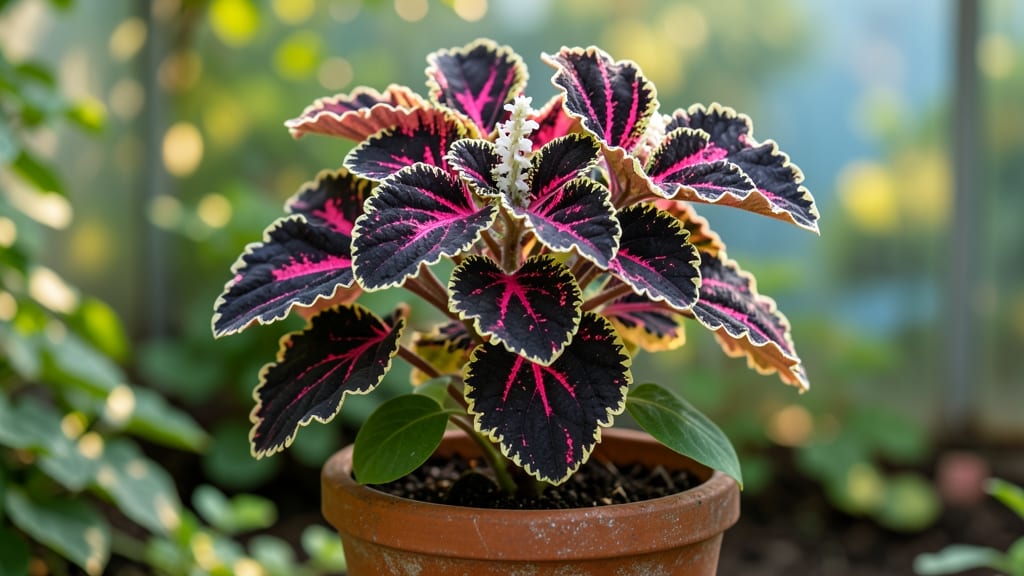
A modified leaf of a plant develops when stress factors like improper watering, pests, or nutrient imbalances disrupt normal growth patterns, often resulting in curling, discoloration, or abnormal shapes. Quickly identifying the root cause—whether it's overwatering, fungal infections, or mineral deficiencies—is key to reversing the damage and restoring healthy foliage.
A modified leaf isn't always a death sentence for your plant. 🌱 These changes often signal your plant's way of communicating its needs—think of it like a distress call.
For example, yellowing between leaf veins usually points to iron deficiency, while crispy edges often mean underwatering or high salt levels in the soil. I've seen houseplants bounce back completely after adjusting their care routine, but the key is acting fast before the stress becomes permanent.
Start by examining the leaves closely: check for spots, holes, or unusual textures that might hint at pests or disease, then match those symptoms to common plant problems.
Once you've pinpointed the issue, the solution often involves simple adjustments. Overwatered plants need better drainage, while nutrient deficiencies might require a targeted fertilizer. 💚 Pests like spider mites or aphids can usually be controlled with neem oil or insecticidal soap.
Remember, prevention is just as important as treatment—regularly inspecting your plants and maintaining consistent care routines can prevent many common leaf modifications before they even start.
💡 In This Article
- Common Causes of Plant Leaf Modifications
- Diagnosing and Treating Modified Plant Leaves
Common causes of plant leaf modifications
Leaf modifications often begin with abiotic stress—non-living factors that disrupt a plant's cellular processes. For example, overwatering triggers oxygen deprivation in roots, causing leaves to yellow (chlorosis) or develop brown, crispy edges due to necrosis (cell death).
Conversely, underwatering leads to curling as leaves conserve moisture, while temperature extremes—like sudden frost or heatwaves—can cause bleaching or scorching on leaf surfaces. These stresses disrupt photosynthesis by damaging chloroplasts, the tiny structures that convert light into energy. 🌡️
Biotic factors—living causes—like pests or pathogens also play a major role. Spider mites, for instance, pierce leaf cells to feed on sap, leaving behind stippled, yellowed patches. Fungal infections, such as powdery mildew, create white, powdery coatings that block sunlight, while bacterial spots appear as water-soaked lesions.
Even nutrient deficiencies (like lack of nitrogen, phosphorus, or magnesium) manifest as distinct leaf patterns: nitrogen deficiency causes yellowing between veins, while magnesium deficiency leads to interveinal chlorosis in older leaves. These deficiencies occur when soil pH or microbial activity prevents root uptake of essential minerals.
Genetic influences can also modify leaf structure, though these are usually less dramatic. Some plants, like variegated monstera, naturally develop leaves with white or yellow patches due to reduced chlorophyll production in certain cells.
However, sudden leaf modifications in genetically stable plants almost always signal an environmental or biological stressor. For example, stunted growth or smaller-than-normal leaves often indicate root-bound conditions or compaction in the soil, limiting nutrient and water absorption. 🌿
Light exposure is another critical factor. Plants like calathea or philodendron may develop drooping or curled leaves when exposed to direct sunlight, as their delicate cells burn or lose turgor pressure. Conversely, low-light conditions lead to elongated, pale leaves (etiolation) as the plant stretches toward light sources.
Even fluorescent lighting can cause modifications if it lacks the blue spectrum (300–500 nm) needed for proper growth hormone regulation. Understanding these light requirements helps prevent unnecessary stress.
Soil composition and pH also contribute to leaf modifications. Compacted or waterlogged soil restricts root respiration, while alkaline soil (pH >7.5) can lock out essential nutrients like iron and manganese, causing yellowing between veins (a condition called lime-induced chlorosis).
Testing your soil’s pH and amending it with sulfur (to lower pH) or lime (to raise pH) can often reverse these issues. Even excessive salts from fertilizers or tap water can lead to leaf tip burn, where margins turn brown and crispy due to osmotic stress. 💧
Finally, mechanical damage—like wind, hail, or even rough handling—can cause torn or jagged edges, mimicking pest damage. These physical injuries expose leaves to pathogens, accelerating decay.
For instance, a strong gust of wind might tear a leaf, creating entry points for bacterial leaf spot, which then spreads as dark, water-soaked lesions. Recognizing these causes helps you tailor solutions, whether it’s adjusting watering habits, improving airflow, or applying protective barriers.