
Pests and Diseases
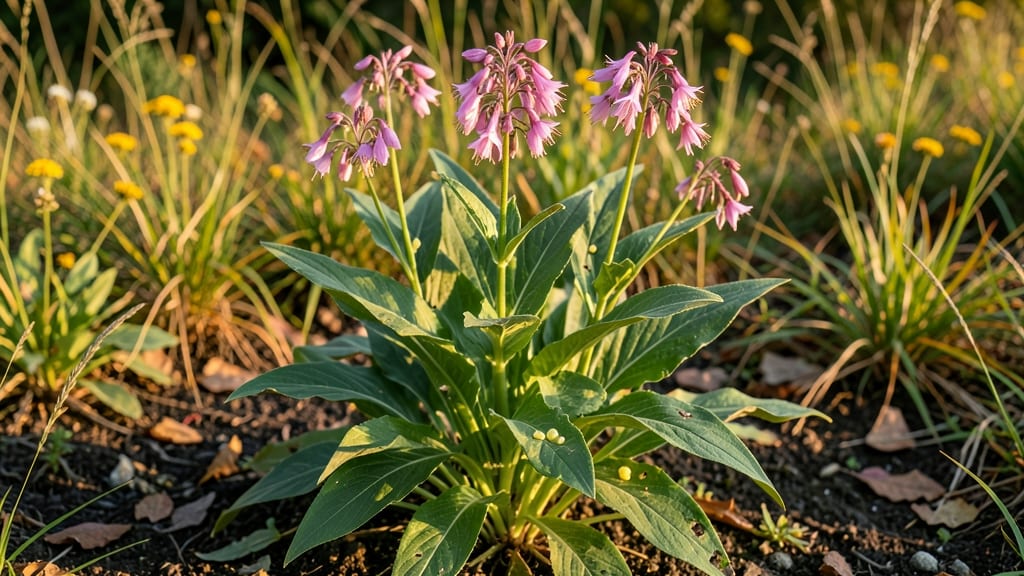
Spotting monarch eggs on a milkweed leaf is a gardener’s best sign that nature’s pollinator cycle is working. 🌿 These delicate specks—no bigger than a pinhead—are the future of your garden’s fluttering visitors, but they face threats from predators, diseases, and even well-meaning gardeners using pesticides.
The eggs are laid singly on milkweed leaves, and within days, bright orange caterpillars will emerge. But spiders, ants, and even birds see them as snacks, while fungal infections can wipe out entire batches.
The good news? Protecting these eggs means healthier milkweed plants and stronger monarch populations down the road.
To safeguard them, avoid spraying pesticides on milkweed, provide diverse milkweed species for caterpillars to feed on, and let some leaves stay slightly damaged—the caterpillars need them. Even a small patch of milkweed can make a difference for these declining butterflies.
If you spot eggs, consider leaving a few leaves untouched and monitoring for predators. Your milkweed isn’t just a plant—it’s a lifeline for monarchs. Every egg preserved helps ensure these iconic butterflies keep visiting gardens for generations.
The Science Behind Egg Laying
Monarch butterflies are meticulous when it comes to selecting the perfect host for their eggs, and milkweed leaves are their top choice. But why do these delicate eggs appear on milkweed specifically? The answer lies in a fascinating interplay of biology, chemistry, and survival instincts.
Let’s break down the key reasons why monarchs deposit their eggs on milkweed—and why it’s such a critical part of their life cycle.
Milkweed isn’t just any leaf—it’s a chemical powerhouse that monarchs have evolved to recognize. The plant contains cardenolides, a group of toxins that make milkweed unpalatable to most herbivores.
However, monarch caterpillars have developed a unique tolerance to these compounds, which actually store in their bodies as a defense mechanism. When a monarch lays an egg on milkweed, she’s ensuring her offspring will have a food source that’s both nutritious and protective.
Here’s how it works:
- Toxin Resistance: Monarch caterpillars metabolize cardenolides, turning them into a bitter taste that deters predators like birds and wasps.
- Nutrient-Rich Diet: Milkweed leaves are packed with proteins, sugars, and secondary metabolites that fuel rapid growth—essential for caterpillars that need to molt five times before pupating.
- Evolutionary Arms Race: Over millennia, monarchs and milkweed have co-evolved. The plant’s toxins became a survival advantage for the butterfly, while the butterfly’s preference for milkweed ensured the plant’s seeds would spread via caterpillar frass (poop).
💡 Pro Tip: If you’re growing milkweed to support monarchs, choose native species like Asclepias tuberosa (butterfly weed) or Asclepias syriaca (common milkweed). These varieties contain the right balance of cardenolides for monarch survival.
Monarchs don’t just land on any milkweed leaf—they’re picky about texture, age, and even the leaf’s position on the plant. Here’s why:
| Leaf Factor | Why Monarchs Prefer It |
|---|---|
| Young, tender leaves | Less fibrous and easier for newly hatched caterpillars to chew. Older leaves are tougher and may contain higher toxin concentrations. |
| Upper leaf surface | Smoother and less prone to fungal growth, reducing the risk of egg or larval contamination. |
| Underside of leaves | Slightly more protected from direct sunlight and predators (like ants), though this is less common. |
| Freshly emerged growth | Higher moisture content, which may signal optimal nutrition for developing larvae. |
Monarchs also use their tarsi (feet) to "taste" the leaf’s chemistry before laying an egg. If the plant lacks the right cardenolides or has been stressed (e.g., by drought or pesticides), the butterfly will reject it. This precision ensures only the healthiest host plants are chosen.
Monarchs aren’t just thinking about their caterpillars’ diets—they’re also strategizing for survival. By laying eggs on milkweed, they’re giving their offspring a triple layer of protection:
- Chemical Defense: The stored cardenolides make caterpillars toxic to birds and other predators. Studies show that even a single bite from a monarch caterpillar can make a bird sick.
- Camouflage: Fresh monarch eggs are white with a slight sheen, blending into the pale underside of milkweed leaves. Once they turn yellow before hatching, they’re nearly invisible against the leaf’s veins.
- Plant Association: Predators like parasitic wasps are less likely to attack eggs on milkweed because the plant’s toxins may also deter the wasps themselves.
⚠️ Watch Out: While milkweed is the gold standard, some invasive milkweed species (like Asclepias curassavica) may lack the full spectrum of toxins needed for monarch survival. Stick to native varieties when possible.
Monarchs don’t lay eggs randomly—they time it perfectly based on temperature, day length, and plant readiness. Here’s how environmental cues influence their behavior:
- Temperature: Monarchs are cold-blooded and rely on external warmth to become active. Eggs laid on leaves warmed by sunlight (e.g., southern or western exposures) hatch faster, giving caterpillars a head start in their short 2–3 week larval stage.
- Day Length (Photoperiod): In spring and summer, longer daylight hours trigger egg-laying behavior. Females may delay laying if days are too short, ensuring caterpillars have enough time to mature before winter.
- Plant Stress Signals: Milkweed releases volatile organic compounds (VOCs) when stressed (e.g., by drought or herbivory). These chemicals can attract or repel monarchs depending on the plant’s condition. Healthy, actively growing milkweed is the most appealing.
🌡️ Quick Check: If you’re observing monarch activity, note the temperature and leaf moisture. Eggs laid on leaves above 70°F (21°C) will hatch in 4–8 days, while cooler conditions may extend this to 10+ days.
Understanding these factors doesn’t just satisfy curiosity—it empowers gardeners and conservationists to create monarch-friendly habitats that mimic the natural conditions these butterflies rely on. By providing the right milkweed, texture, and environmental triggers, you’re directly supporting one of nature’s most iconic life cycles.
Protecting Monarch Eggs Naturally
Monarch butterflies rely entirely on milkweed to lay their eggs, and while this is a beautiful part of nature’s cycle, it can also bring challenges—especially if you’re trying to nurture these delicate eggs without disrupting their growth.
Whether you're dealing with predation, disease, or environmental threats, here’s how to safeguard monarch eggs while supporting their survival.
Monarch eggs are tiny and vulnerable, making them easy targets for ants, spiders, and other insects. If you notice eggs disappearing too quickly, predation is likely the culprit.
🔥 Fix It:
- Relocate Eggs Gently 👨🍳: If you find eggs at risk, use a soft paintbrush or fine tweezers to carefully transfer them to a safer milkweed leaf. Place the leaf in a mesh cage (like a butterfly habitat) to protect them temporarily.
- Create a Barrier 🛡️: Place a thin layer of petroleum jelly (like Vaseline) around the stem of the milkweed leaf where eggs are laid. This deters ants and spiders without harming the monarchs.
- Use Natural Predator Deterrents 🌿: Introduce ladybugs or lacewings to your garden—they prey on pests that might threaten monarch eggs while being harmless to the butterflies.
💡 Pro Tip: Avoid chemical pesticides entirely. Even "organic" sprays can linger on milkweed leaves and harm monarch eggs or caterpillars.
Humidity and poor air circulation can lead to fungal growth, which may affect monarch eggs or newly hatched larvae. If you notice white, fuzzy spots on leaves or eggs, fungal infection could be the issue.
🍳 Fix It:
- Improve Airflow 🌬️: Space milkweed plants apart to reduce humidity around leaves. Prune overcrowded foliage to allow sunlight and air to circulate.
- Apply Neem Oil (Sparingly) 🌿: Mix 1 tsp of neem oil with 1 quart of water and lightly spray affected leaves. Neem oil is natural and safe for monarchs when used after eggs have hatched (never directly on eggs).
- Remove Infected Leaves 🗑️: Snip off and dispose of any leaves showing signs of mold or mildew. This prevents the spread to healthy eggs.
✨ Pro Tip: Water milkweed plants at the base (not overhead) to keep leaves dry and reduce fungal risks.
Weak or stressed milkweed plants may not provide the best environment for monarch eggs. Yellowing leaves, stunted growth, or pests can all signal an unhealthy host plant.
🔪 Fix It:
- Fertilize Lightly 🌱: Use a balanced, organic fertilizer (like compost or worm castings) in early spring. Avoid high-nitrogen fertilizers, which can make plants susceptible to pests.
- Control Aphids Early 🐜: Blast aphids off leaves with a strong stream of water or introduce aphid-eating insects like hoverfly larvae.
- Rotate Milkweed Varieties 🌸: Plant a mix of native milkweed species (e.g., Asclepias tuberosa or Asclepias syriaca) to reduce the risk of plant-specific diseases affecting all your monarchs.
🎯 Pro Tip: Monarchs prefer young, tender milkweed leaves for egg-laying. Regularly trim spent flowers to encourage new growth.
If you’ve already lost eggs to predators or disease, don’t panic—there’s still time to help the next generation!
⏰ Quick Actions:
- Monitor Daily 👀: Check milkweed leaves every 1–2 days for new eggs. Early detection means quicker intervention.
- Set Up a Butterfly Habitat 🏡: Use a mesh cage over a potted milkweed plant to protect eggs and caterpillars from predators while allowing pollinators access.
- Educate Visitors 📢: If your garden is public, post signs asking guests to admire monarchs from a distance and avoid touching milkweed leaves.
By taking these steps, you’ll create a thriving environment for monarch eggs while minimizing common risks. The key is balance—support the butterflies without over-interfering, and let nature’s cycle unfold beautifully. 🦋💚
Frequently asked questions
How do I tell monarch eggs apart from other tiny specks on milkweed?
Monarch eggs are tiny white ovals (about 1mm long) with a slight dome shape. Look for a smooth, glossy surface—they’re often laid on the upper side of young leaves. Other specks (like aphids or spider eggs) are usually gray, brown, or fuzzy. Use a magnifying glass for better visibility!
What should I do if I find monarch eggs on my milkweed?
Leave them alone! Monarchs need minimal human help. Avoid touching or moving eggs—even gentle handling can damage them. If predators (like ants) are a problem, place a thin barrier of petroleum jelly around the leaf stem. The best support is keeping your milkweed healthy and pesticide-free.
How long until monarch eggs hatch, and what do I look for?
Eggs typically hatch in 4–8 days (faster in warm weather). Watch for the egg to turn yellowish before hatching—this signals the caterpillar is ready to emerge. Once hatched, you’ll see a tiny black caterpillar (about 2mm long) with yellow/orange spots.
Are there any milkweed varieties that monarchs prefer for egg-laying?
Native milkweeds like Asclepias tuberosa (butterfly weed) and Asclepias syriaca (common milkweed) are top choices. Avoid tropical milkweed (Asclepias curassavica), which can harbor parasites harmful to monarchs. Plant a mix of species to attract more butterflies and reduce disease risks.
Can I help monarch eggs if they’re at risk from pests or weather?
Yes! For predators, gently relocate eggs to a safer leaf using a soft brush. For cold snaps, move potted milkweed indoors near a sunny window (but avoid heat sources). Never use pesticides—even \"organic\" sprays can harm eggs. The best protection is a thriving, chemical-free milkweed patch!