
Leaf Blower
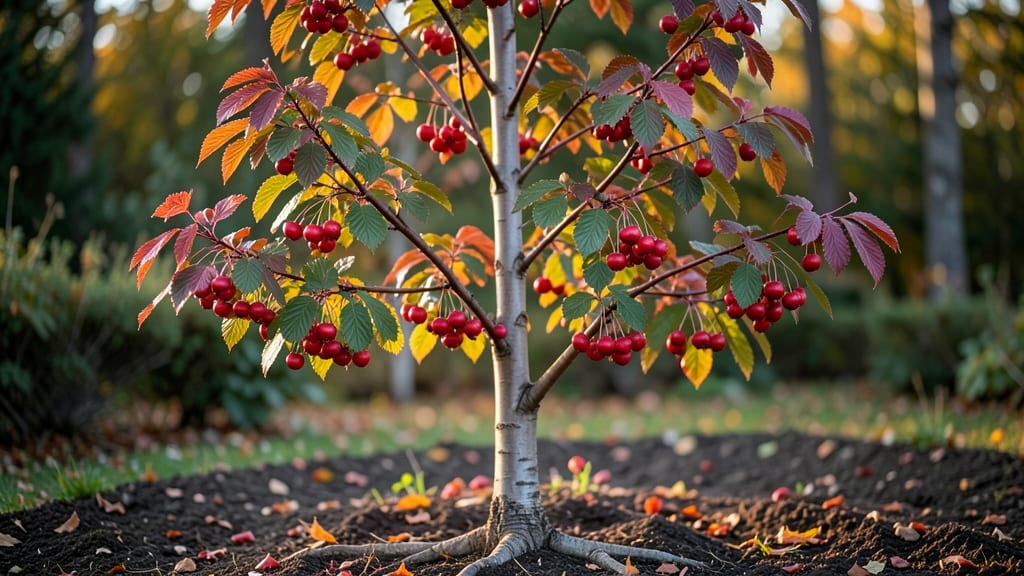
That first glimpse of mountain ash leaf identification can feel like spotting a rare treasure—until you realize you can’t quite name it. 🌿 I’ve spent years studying these trees, and I’ll show you exactly how to tell mountain ash apart from rowan, serviceberry, or even toxic lookalikes, so you can catch fungal issues before they spread.
Mountain ash leaves are pinnately compound, with 5-11 serrated leaflets arranged in a feather-like pattern. The edges have fine teeth, and the undersides often feel slightly fuzzy. Compare that to rowan’s single, oval leaves or serviceberry’s smooth-edged, elliptical shape—those details make all the difference when diagnosing problems early.
Why does this matter? Accurate ID helps you spot fungal diseases like fire blight or anthracnose before they ruin your tree. Mountain ash leaves turning yellow or brown? That’s your cue to act. With the right knowledge, you’ll protect your tree’s health and avoid costly mistakes.
This guide covers leaf shape, vein patterns, and even bark clues—so you’ll never second-guess your identification again. Let’s get started with the visual breakdown that saves trees.
Root Causes Behind Leaf Changes
Understanding why mountain ash leaves develop unusual patterns, spots, or discoloration starts with recognizing the primary triggers—each with distinct scientific mechanisms. Here’s a breakdown of the most common culprits and how they disrupt leaf health:
Fungal pathogens are the #1 reason mountain ash leaves show distress, often appearing as:
- Powdery white or black spots (e.g., Venturia or Gloeosporium species)
- Leaf curl or premature drop
- Tarry black streaks (a sign of sooty mold feeding on fungal honeydew)
Why it happens: Fungi thrive in moist, shaded conditions and exploit weak points in the tree’s defenses. Here’s the science:
- Spores land on leaves during wet weather (rain, dew) and germinate when humidity stays above 75% for 24+ hours.
- Nutrient-rich leaves (high in nitrogen) act as a buffet, accelerating fungal growth.
- Wounded bark or old leaves provide entry points for spores to invade leaf tissue.
Actionable insight: 💡 Fungi spread fastest in late spring/early summer—prune infected branches in dry weather and dispose of debris properly.
Insects like mountain ash sawfly larvae, scale, or spider mites don’t just eat leaves—they inject toxins or create conditions for secondary infections. Look for:
- Skeletonized leaves (chewed edges)
- Sticky residue (honeydew from aphids/scale)
- Fine webbing (spider mites)
Why it happens:
- Sawfly larvae defoliate leaves in massive waves, starving the tree of energy.
- Scale insects pierce cells to suck sap, leaving yellow patches and weakening vascular flow.
- Spider mites thrive in dry heat (below 50% humidity), their saliva clogging leaf pores and causing bronzing or stippling.
Actionable insight: 🔥 Early intervention is key—blast leaves with water (💦) to dislodge mites or use neem oil (1% solution) for organic control.
Extreme weather, poor soil, or pollution can mimic disease symptoms without any pathogen involved. Common triggers:
- Scorched or bleached edges (drought or salt spray)
- Yellowing between veins (iron/chlorosis from alkaline soil)
- Small, puckered leaves (nutrient deficiency or compacted roots)
Why it happens:
- Water stress causes oxidative damage—leaves produce abscisic acid, a hormone that triggers premature aging.
- Soil pH imbalances (e.g., pH >7.5) lock out iron/manganese, leading to interveinal chlorosis.
- Air pollution (ozone, sulfur dioxide) creates stipple-like lesions by disrupting leaf stomata.
Actionable insight: 🌡️ Test soil pH (ideal: 5.5–6.5) and amend with chelated iron if needed. Mulch heavily to retain moisture.
A mountain ash tree under chronic stress (e.g., root damage, transplant shock) becomes a magnet for problems. Signs include:
- Wilting despite moist soil (root rot or girdling roots)
- Dieback in branches (vascular wilt from Verticillium fungus)
- Slow growth + small leaves (compaction or poor drainage)
Why it happens:
- Compacted soil restricts oxygen flow, suffocating roots and reducing nutrient uptake.
- Over/under-watering disrupts osmotic balance, causing cellular dehydration or anaerobic stress.
- Improper pruning (cutting too close to trunk) invites bacterial/fungal entry.
Actionable insight: ✨ Aerate soil annually with a soil probe and avoid over-fertilizing—mountain ash prefers low-phosphorus conditions.
Herbicides, fungicides, or even well-meaning fertilizers can backfire if misapplied. Watch for:
- Bleached or crispy edges (salt burn from fertilizers)
- Irregular brown patches (herbicide drift)
- Stunted new growth (copper sulfate overuse)
Why it happens:
- Salt buildup (from synthetic fertilizers) disrupts osmosis, causing cells to lose water.
- Systemic fungicides (e.g., containing chlorothalonil) can photoxidize leaves when applied in hot, sunny conditions.
- Copper-based sprays (for fungal control) accumulate in soil, becoming toxic over time.
Actionable insight: 🎯 Always water leaves down after spraying and switch to organic amendments (compost tea) if salt damage occurs.
Quick Fixes for Mountain Ash Leaf Troubles
Mountain ash trees are stunning, but their leaves can sometimes tell a story of stress—whether from pests, disease, or environmental factors. The good news? Most issues are fixable with the right approach.
Below, we’ll break down common problems by cause and provide practical, step-by-step solutions to restore your tree’s health. Plus, we’ll share prevention tips to keep those vibrant leaves thriving long-term.
Cause: Overhead watering, poor air circulation, or humidity traps spores (like Gloeosporium or Marssonina).
How to Fix It: 🔥 Prune for airflow – Thin out dense branches to improve sunlight and airflow. Aim for 20–30% reduction in foliage density. 🍳 Apply fungicide – Use a copper-based fungicide (like Bordeaux mixture) or a neem oil spray (1 tbsp neem oil + 1 tsp mild soap per quart of water). Spray every 7–10 days until new growth appears. 👨🍳 Adjust watering habits – Water early in the morning (before 10 AM) to let leaves dry quickly. Avoid wetting foliage—use drip irrigation or soaker hoses instead. 🥘 Clean up debris – Remove fallen leaves and pruned branches promptly to eliminate spore sources. Compost them separately or burn them (if allowed).
Prevention Tips: ✨ Space trees properly – Plant mountain ash 10–15 feet apart to prevent overcrowding. 🌡️ Mulch correctly – Use 2–4 inches of organic mulch (wood chips, straw) but keep it 6 inches away from the trunk to avoid moisture buildup. 🎯 Monitor humidity – If your area is prone to damp conditions, consider a tree-specific fungicide as a preventive spray in early spring.
Cause: Tiny pests like spider mites or mountain ash sawfly larvae suck sap or chew leaves, causing discoloration and stunted growth.
How to Fix It: 🔥 Inspect leaves closely – Hold a magnifying glass under leaves to spot:
- Spider mites (tiny red/yellow dots, webbing).
- Sawfly larvae (green, worm-like, often in clusters).
🍳 Blast off pests – Spray leaves with a strong stream of water (early morning) to dislodge mites/larvae. 👨🍳 Use insecticidal soap or horticultural oil – Mix 1.5 tbsp insecticidal soap per gallon of water and spray every 5–7 days for 2–3 weeks. For sawflies, add Bt (Bacillus thuringiensis)—a natural bacteria toxin. 🥘 Introduce beneficial insects – Release ladybugs or lacewings (available at garden centers) to prey on mites naturally.
Prevention Tips: 💡 Prune in late winter – Remove 50% of the previous year’s growth to reduce pest hiding spots. 🔥 Encourage predators – Plant dill, fennel, or yarrow nearby to attract parasitic wasps (natural sawfly controls). 🌿 Avoid broad-spectrum pesticides – These kill beneficial insects too. Stick to targeted treatments.
Cause: Mountain ash trees hate soggy roots but also wilting conditions. Both can trigger leaf drop.
How to Fix It: 🔥 Check soil moisture – Stick your finger 2 inches deep into the soil:
- Too wet? Let it dry out for 3–5 days before watering again.
- Too dry? Water deeply (1–2 inches per week) but avoid shallow sprinkling.
🍳 Improve drainage – If your soil is clay-heavy, amend with compost or sand (50/50 mix) around the root zone. 👨🍳 Mulch properly – Apply 3–4 inches of mulch (avoid piling against the trunk) to retain moisture without suffocating roots. 🥘 Adjust watering schedule – Water only when the top 2 inches of soil are dry (use a moisture meter for accuracy).
Prevention Tips: ✨ Test your soil – Use a DIY soil test kit to check pH (ideal: 5.0–6.5 for mountain ash). 🎯 Group trees with companions – Plant rhizobium-enhancing plants (like clover) nearby to improve soil health. 💪 Avoid compacted soil – Aerate the root zone annually with a manual aerator or garden fork.
Cause: High humidity + poor airflow = Erysiphe or Sphaerotheca fungi thriving.
How to Fix It: 🔥 Prune infected branches – Cut off severely affected leaves and dispose of them in the trash (not compost). 🍳 Spray with baking soda mix – Combine 1 tbsp baking soda + 1 tsp soap + 1 gallon water. Spray every 7 days until mildew clears. 👨🍳 Use sulfur or potassium bicarbonate – For stubborn cases, apply a 1% potassium bicarbonate spray (follow label rates). 🥘 Adjust irrigation – Water at the base only and avoid late-day watering.
Prevention Tips: 🌡️ Space trees widely – Powdery mildew spreads via spores, so thin canopies reduce transmission. 💡 Choose resistant varieties – Some mountain ash cultivars (like Sorbus aucuparia ‘Edulis’) are less prone to mildew. 🔥 Apply preventive fungicide – In early spring, spray with neem oil + sulfur mix (1 tbsp each per gallon).
Final Pro Tip: 🎯 Monitor your tree weekly—catching issues early (like yellowing edges or sticky residue) means less severe treatment later. A healthy mountain ash can bounce back fast with the right care!
Frequently asked questions
How do I tell mountain ash leaves apart from rowan leaves?
Mountain ash leaves are pinnately compound with 5-11 serrated leaflets arranged like a feather, while rowan leaves are simple and oval-shaped with finely toothed edges. Mountain ash leaflets also have a slightly fuzzy underside, while rowan leaves are smooth and glossy.
Are mountain ash leaves toxic to pets?
Yes, mountain ash leaves and berries contain cyanogenic glycosides, which can be toxic if ingested in large quantities. While occasional nibbling may not harm pets, avoid letting them eat significant amounts. Keep pets away from fallen leaves and berries to prevent accidental poisoning.
What do healthy mountain ash leaves look like?
Healthy mountain ash leaves are bright green, smooth-edged, and 1-3 inches long per leaflet. The veins are clearly visible but not prominent, and the undersides may have a slight downy texture. Any yellowing, brown spots, or curled edges indicate stress or disease.
Can I use mountain ash leaves for tea or other remedies?
While mountain ash leaves have been used in traditional medicine for their anti-inflammatory properties, they should be used with caution. Always consult a healthcare professional before consuming, as improper preparation can be harmful. Never use leaves from treated trees or those showing signs of disease.
Why are my mountain ash leaves turning yellow?
Yellowing leaves (chlorosis) often signal iron deficiency or poor soil drainage. Test your soil pH—mountain ash prefers acidic soil (5.5-6.5). Amend with chelated iron or compost if needed, and ensure proper drainage to prevent root rot.