
Pests and Diseases
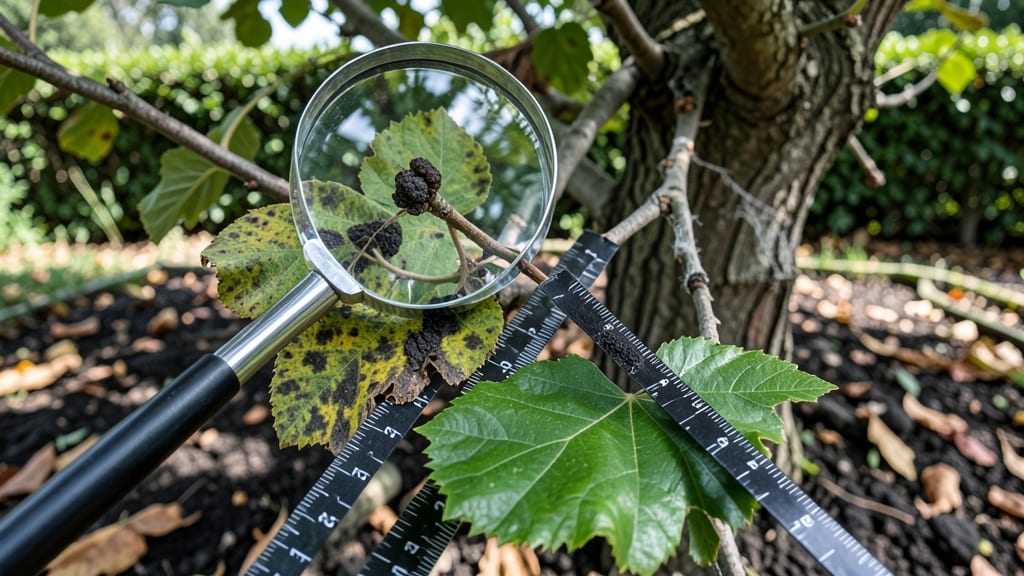
Those crispy brown edges on the mulberry leaf disease signal trouble—often fungal or bacterial infections that spread fast if ignored. 🌿 I’ve battled this exact problem with my 10-year-old tree, and the key is catching it early before the whole canopy turns brittle.
The fix starts with identifying the cause: is it powdery mildew, anthracnose, or something else? Each needs a slightly different approach, but the principles stay the same.
Most leaf diseases thrive in warm, humid conditions, so pruning for airflow and avoiding overhead watering cuts off their fuel. I’ve had the best luck with a neem oil spray (1 tablespoon per gallon of water) applied every 7–10 days until new growth appears.
For stubborn cases, a baking soda solution (1 teaspoon per quart of water with a drop of dish soap) works as a mild fungicide—just reapply after rain. The goal isn’t perfection; it’s stopping the spread while the tree recovers.
You’ll see improvement within 2–3 weeks if you act fast: fresh leaves will unfurl green and crispy edges will soften. The tree might lose a few leaves at first, but that’s normal—it’s shedding the worst damage.
Prevent future outbreaks by sanitizing pruners with rubbing alcohol, removing fallen leaves, and spacing mulberry trees at least 15 feet apart to improve airflow. Patience here pays off.
This method works for both white and black mulberries, and it’s safe for nearby plants or pets. The real test is next season’s growth—if you’ve stopped the cycle, your tree will bounce back stronger.
Start with one treatment and monitor closely; mulberry leaf disease is manageable, but it won’t fix itself.
Root Causes Behind Leaf Decline
Understanding why mulberry leaves develop diseases is the first step to saving your tree. These issues rarely happen in isolation—they’re often a chain reaction triggered by environmental stress, microbial invaders, or poor cultural practices. Let’s break down the key culprits causing mulberry leaf decline, so you can address them head-on.
Mulberry trees thrive in specific conditions, and when those are disrupted, their leaves become vulnerable to disease. Here’s what throws them off balance:
- Extreme Temperature Swings Mulberries are tropical/subtropical plants, so sudden freezing temps (below 20°F/-7°C) or heatwaves (above 95°F/35°C) weaken their defenses. Cold snaps can cause cell damage, while excessive heat leads to water loss and nutrient depletion, making leaves susceptible to fungal or bacterial infections.
- Poor Air Circulation Dense foliage or planting mulberries too close to walls/buildings traps humidity near leaves. This creates a perfect breeding ground for pathogens like Colletotrichum (anthracnose) or Pestalotiopsis (a common mulberry leaf spot). Solution: Prune for airflow or space trees 15–20 feet apart.
- Water-Related Stress - Overwatering: Soggy soil drowns roots, starving leaves of oxygen and inviting root rot (often caused by Phytophthora). Yellowing, wilting leaves?
Check soil moisture—it should be damp, not soggy. - Underwatering: Drought-stressed trees can’t photosynthesize efficiently, making them prone to sun scorch and spider mite infestations (which further damage leaves).
Once stress weakens a mulberry tree, pathogens move in fast. These are the most common offenders:
| Disease | Causative Agent | How It Starts | Telltale Signs |
|---|---|---|---|
| Anthracnose | Colletotrichum gloeosporioides | Spores splash onto leaves from infected debris or soil during wet, warm weather. | Dark, sunken lesions with pink/orange spore masses. |
| Leaf Spot (Pestalotiopsis) | Pestalotiopsis spp. | Fungal spores overwinter in fallen leaves and infect new growth in spring. | Circular brown spots with black centers. |
| Bacterial Leaf Blight | Xanthomonas campestris | Spreads via rain splash or contaminated pruning tools. Thrives in humid conditions. | Water-soaked yellow patches that turn brown and crispy. |
| Powdery Mildew | Erysiphe spp. | Fungal spores love shady, dry conditions (ironically!). Spreads via wind. | White, powdery coating on leaf surfaces. |
💡 Pro Tip: Remove all infected leaves (bag and compost them far from the tree) to break the pathogen cycle. Avoid overhead watering—water at the base to keep foliage dry.
Pests don’t just eat leaves—they create entry points for diseases. Here’s how they contribute to mulberry leaf decline:
- Spider Mites 🕷️ These tiny arachnids suck plant sap, causing stippling (tiny white/yellow dots) and leaf curling. Weakened leaves are then easier targets for fungal infections. Signs: Fine webbing on undersides of leaves.
- Scale Insects 🐛 Scale secret sticky honeydew, which attracts sooty mold (a black fungal growth). This blocks sunlight, further stressing the tree.
- Japanese Beetles 🐞 Adults skeletonize leaves (eat tissue between veins), reducing the tree’s ability to fight off pathogens. Peak damage: Late summer.
🔥 Fix: Spray leaves with neem oil (1 tsp/gallon water) or introduce beneficial insects like ladybugs to control pests naturally.
Mulberries need well-draining, slightly acidic soil (pH 5.5–6.5) rich in nitrogen, potassium, and micronutrients. When soil is off, leaves yellow, wilt, or develop necrotic spots—inviting secondary infections.
- Nitrogen Deficiency (🟢🟢🟢 = Pale Leaves) Leaves turn light green/yellow (chlorosis) because the tree can’t produce enough chlorophyll. Fix: Apply composted manure or a balanced organic fertilizer (10-10-10).
- Magnesium Deficiency (🟢🟡🟡 = Interveinal Yellowing) Leaves develop yellow patches between veins (classic magnesium deficiency). Mulberries often lack magnesium in alkaline soils. Fix: Sprinkle Epsom salt (1 tbsp/gallon water) every 4–6 weeks.
- Iron Chlorosis (🟢🔴🔴 = Yellow Leaves with Green Veins) Common in calcareous (high-pH) soils, iron becomes unavailable to the tree. Fix: Apply chelated iron or sulfur to lower pH gradually.
Even well-meaning gardeners accidentally create disease hotspots. Avoid these common blunders:
- Over-Pruning in Wet Seasons Cutting back mulberries during spring rains (when spores are airborne) opens wounds for infections. Wait until dry weather or late winter to prune.
- Using Infected Tools Pruners contaminated with bacterial or fungal spores spread diseases like wildfire. Sanitize tools with 70% rubbing alcohol or bleach solution (1 part bleach to 9 parts water) between cuts.
- Planting in Low Spots Mulberries hate “wet feet”—waterlogged roots rot quickly, leading to leaf drop and disease. Solution: Plant on mounds or slopes for drainage.
🎯 Key Takeaway: Mulberry leaf diseases rarely appear out of nowhere—they’re symptoms of deeper issues. Start by identifying stress factors (environmental, microbial, or cultural), then treat the root cause (literally!). Next up: organic remedies to rescue your tree’s crispy edges.
Organic Fixes for Leaf Foliage Rescue
When your mulberry tree’s leaves start showing signs of distress—whether it’s yellowing, curling, or unsightly spots—acting fast is key. The good news? Many mulberry leaf issues have easy, organic solutions that restore health without harsh chemicals.
Below, we’ve mapped the most common causes to practical fixes, plus prevention tips to keep your tree thriving.
Signs: Dark spots, powdery mildew, or leaf blight (often after rain).
How to Fix It: 🔥 Remove Infected Leaves – Snip off and dispose of (don’t compost) diseased foliage to stop the spread. 🍳 Neem Oil Spray – Mix 1 tsp neem oil + 1 tsp mild soap + 1 quart water, spray undersides of leaves (where fungi love to hide). Repeat every 7–10 days until new growth appears. 👨🍳 Copper Fungicide (Optional) – For severe cases, use a copper-based spray (like Bordeaux mixture) early in the morning to avoid leaf burn.
Prevention Tips: ✨ Improve Airflow – Thin out dense branches to reduce humidity. 💡 Water at the Base – Avoid wetting leaves (fungi thrive in dampness). 🌡️ Mulch Properly – Use wood chips or straw (not thick layers) to keep roots dry.
Signs: Holes in leaves, sticky residue (aphids), or webbing (spider mites).
How to Fix It: 🔪 Handpick Large Pests – Drop caterpillars or beetles into soapy water. 🥘 Homemade Spray Recipes:
- Soap Spray: 1 tbsp castile soap + 1 quart water (spray directly on pests).
- Garlic Pepper Spray: Blend 3 garlic cloves + 1 tsp cayenne + 1 quart water, strain, and spray (repels mites and aphids).
🎯 Beneficial Insects – Release ladybugs or lacewings (buy online) to eat pests naturally.
Prevention Tips: 🔥 Yellow Sticky Traps – Hang near the tree to catch flying insects. 💪 Encourage Predators – Plant marigolds or dill nearby to attract pest-eating bugs. ✨ Prune Regularly – Remove egg-laying sites (like curled leaves).
Signs: Pale yellow leaves (nitrogen), brown edges (potassium), or stunted growth.
How to Fix It: 📊 Soil Test First – Grab a DIY test kit (or send a sample to a lab) to confirm deficiencies. 🥗 Organic Amendments:
- Nitrogen: Work in compost or fish emulsion (follow package rates).
- Potassium/Magnesium: Use wood ash (sparingly) or Epsom salt (1 tbsp per gallon of water, foliar spray).
🍎 Slow-Release Fertilizer – Switch to worm castings or alfalfa meal for steady nutrients.
Prevention Tips: 🌱 Mulch Annually – Add 2–3 inches of organic mulch (like leaf mold) in spring. 💡 Avoid Overwatering – Mulberry trees hate soggy roots; water deeply but infrequently.
Signs: Scorched edges (sunburn), wilting, or sudden leaf drop (heat/drought).
How to Fix It: 🌿 Shade Cloth – Drape 30–50% shade cloth over young trees in peak sun. 💧 Deep Watering – Water slowly at the base (1–2 inches per week) to encourage deep roots. 🔥 Mulch Thicker – Add 4–6 inches of straw to retain moisture.
Prevention Tips: 🎯 Plant in the Right Spot – Mulberries need morning sun, afternoon shade in hot climates. 💡 Drip Irrigation – Install a slow-drip system to avoid leaf wetting.
If >50% of leaves are affected, act fast:
- Trim Back – Cut affected branches 6 inches below damage to encourage new growth.
- Boost Immunity – Spray with kelp meal tea (1 tbsp kelp powder + 1 gallon water) for stress relief.
- Quarantine – Isolate the tree if pests/disease are rampant to prevent spread.
Pro Tip: 🌱 Monitor Weekly – Check leaves every 7–10 days to catch issues early. Most mulberry problems are preventable with consistent care!
Need a quick reference? Bookmark this table for fast fixes:
| Problem | Quick Fix | Prevention |
|---|---|---|
| Fungal Spots | Neem oil spray + prune infected leaves | Improve airflow, water at base |
| Pest Holes | Soap spray + release ladybugs | Yellow sticky traps, dill plants |
| Yellow Leaves | Compost + fish emulsion | Mulch annually, soil test |
| Sunburnt Edges | Shade cloth + deep watering | Plant in partial shade |
Frequently asked questions
How can I tell if my mulberry tree has a fungal infection vs. bacterial disease?
Fungal infections like anthracnose or powdery mildew often show up as powdery coatings or dark sunken spots with fuzzy edges. Bacterial diseases (like leaf blight) create water-soaked yellow patches that turn crispy with ragged edges. Check the leaf undersides too—fungi often leave white or pink spore masses while bacteria cause oozing lesions.
Can I still harvest fruit from a mulberry tree with leaf disease?
Yes, but remove all visibly diseased leaves first. The fruit itself rarely gets infected, but diseased foliage can harbor spores that may contaminate berries. Harvest only from healthy branches and wash fruit thoroughly before eating. If the disease is severe, wait until new growth appears before harvesting.
Will pruning help spread mulberry leaf disease?
Only if you don't sanitize your tools first! Always wipe pruners with 70% rubbing alcohol or bleach solution between cuts to prevent spreading pathogens. Prune during dry weather and remove infected branches 6 inches below the damage to encourage healthy regrowth.
How often should I apply neem oil for mulberry leaf disease?
Apply every 7–10 days until new growth appears, then switch to monthly preventative sprays during humid seasons. Mix 1 teaspoon neem oil + 1 teaspoon mild soap per quart of water and spray early morning or late evening to avoid leaf burn. Stop if rain is forecast within 24 hours.
Can mulberry leaf disease affect other plants in my garden?
Some pathogens (like anthracnose) can jump to nearby plants, but mulberry-specific diseases usually stay contained. To be safe, remove all fallen leaves from under the tree and avoid composting diseased foliage. Keep mulberry trees 15 feet apart from other fruit trees to prevent cross-contamination.