
Neem Oil
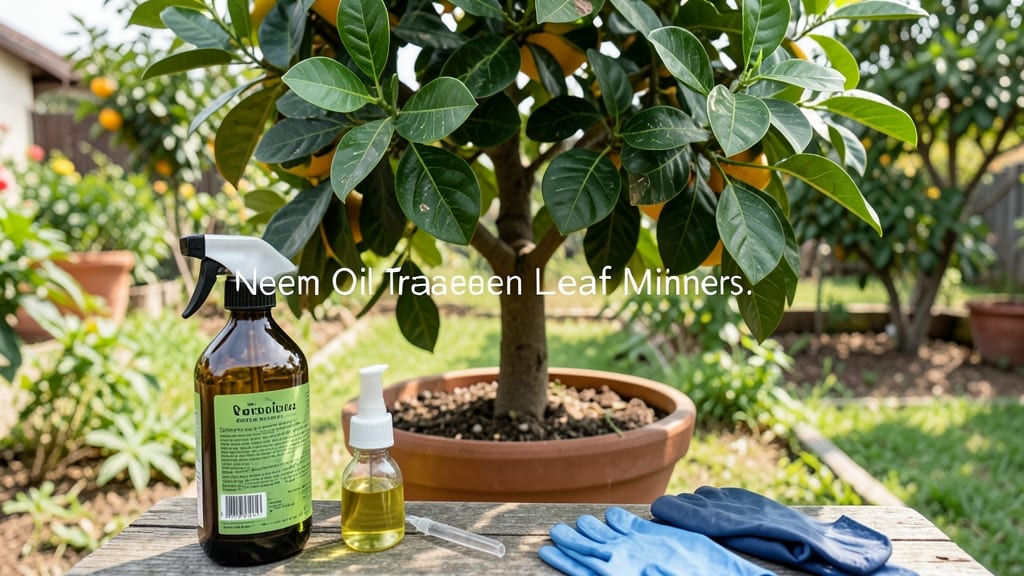
Leaf miners turn your plants into skeleton leaves overnight—but neem oil stops them in their tracks. ✨ I’ve used it on my basil and tomato plants when those tiny white trails appeared, and within days, new growth emerged untouched. The key is timing and technique, not just spraying randomly.
Most gardeners grab neem oil too late, when the damage is already done. The secret? Apply it at the first sign of those serpentine trails—before the larvae pupate.
A simple mix of 1 tablespoon neem oil per quart of water, with a drop of dish soap as an emulsifier, works wonders. Spray undersides of leaves where miners hide.
You’ll see results within 3-5 days if you catch it early: no more chewed leaves, just fresh, healthy foliage. The oil disrupts their life cycle while being safe for bees and beneficial insects when used correctly. Just avoid spraying in direct sunlight or when rain is forecasted.
Works on tomatoes, basil, peppers, and even houseplants like ferns. For stubborn infestations, repeat every 5-7 days until new growth appears. The best part? It’s organic, fast, and cheaper than buying replacement plants every season.
The hidden triggers behind leaf miners
Leaf miners are more than just a nuisance—they’re sneaky pests that thrive in specific conditions, turning your lush plants into unsightly, weakened versions of themselves. Understanding why these tiny invaders strike is the first step to stopping them in their tracks.
Let’s break down the real culprits behind their infestations, so you can outsmart them before they cause damage.
Leaf miners love plants that are already struggling. When your garden or greenhouse is packed with too many plants or when individual plants are under stress, they become prime targets. Here’s why:
- Poor Air Circulation: Dense foliage traps moisture, creating a humid microclimate that leaf miners adore.
Without airflow, plants can’t dry out quickly after watering, and the larvae thrive in these damp conditions. - Nutrient Deficiencies: Plants deficient in nitrogen, phosphorus, or potassium are weaker and produce thinner leaves—perfect hiding spots for leaf miners.
A quick soil test can reveal imbalances before pests arrive. - Root Stress: Compacted soil, overwatering, or underwatering can stress roots, making the plant more vulnerable. Leaf miners detect this weakness and move in to exploit it.
Pro Tip: 💡 Space plants properly (follow label guidelines) and mulch to improve soil health. A happy, well-fed plant is far less appealing to pests!
Just like humans, plants have natural defenses—but when their immune systems are compromised, pests like leaf miners take advantage. Common immunity killers include:
- Pesticide Overuse: Harsh chemical pesticides (even synthetic ones) can strip away beneficial microbes and weaken a plant’s natural resistance. This leaves it defenseless against soft-bodied pests like leaf miners. - Disease Presence: Fungal or bacterial infections (e.g., powdery mildew, blight) create entry points for leaf miners.
A plant already battling disease is an open invitation for these pests. - Environmental Shocks: Sudden temperature swings, extreme heat, or cold snaps can shock plants, lowering their resilience. Leaf miners are opportunists—they’ll strike when a plant is at its weakest.
Action Step: 🌡️ Monitor your plants for early signs of stress (yellowing leaves, stunted growth) and address issues before they escalate. Rotate organic pest controls (like neem oil) to avoid building resistance.
Leaf miners don’t just appear out of nowhere—they’re often the result of perfect conditions for their eggs to hatch and larvae to thrive. These include:
- Warm, Humid Weather: Leaf miners prefer temperatures between 70–85°F (21–29°C) and high humidity. If your garden is a sauna in summer, you’re rolling out the welcome mat for them. - Soft, New Growth: Young, tender leaves are easy pickings for leaf miners.
They avoid mature, tough leaves because they’re harder to penetrate. - Lack of Predators: Natural enemies like parasitic wasps, lacewings, and birds keep leaf miner populations in check. But if your garden lacks biodiversity (e.g., no pollinator-friendly plants or water sources), these predators won’t stick around.
Prevention Tip: ✨ Install beneficial insect habitats (like ladybug houses or bird baths) to encourage natural predators. Prune older leaves regularly to remove potential egg-laying sites.
Sometimes, we’re the problem. Unintentional actions can introduce or worsen leaf miner infestations:
- Bringing Infested Plants Home: Purchasing or propagating plants from nurseries, online, or garden swaps can accidentally introduce leaf miners.
Always quarantine new plants for 2–4 weeks. - Reusing Contaminated Tools: Pruners, shears, or pots harboring leaf miner eggs or larvae can spread the problem from one plant to another. Sanitize tools with rubbing alcohol or a 10% bleach solution between uses. - Ignoring Early Signs: Tiny white specks (eggs) or serpentine mines (larvae tunnels) are often missed until damage is visible.
By then, the infestation may be too late to treat organically.
Quick Fix: 🔍 Inspect new plants under a magnifying glass before adding them to your garden. Remove any suspect leaves immediately.
Not all plants are equal in the eyes of leaf miners. Some are magnets for these pests due to their soft tissue or rapid growth. Common high-risk plants include:
| Plant Type | Why They’re Vulnerable | Examples |
|---|---|---|
| Tender Annuals | Fast-growing, thin leaves are easy targets. | Basil, Coleus, Geraniums, Petunias |
| Herbs | Soft stems and aromatic leaves attract egg-laying females. | Dill, Parsley, Mint, Fennel |
| Young Vegetables | Delicate leaves are irresistible to larvae. | Lettuce, Spinach, Kale, Swiss Chard |
| Ornamental Foliage | Often grown for soft, attractive leaves. | Impatiens, Begonias, Coleus |
Smart Choice: 🌱 If you love high-risk plants, grow them in containers for easy isolation or rotate crops annually to disrupt the leaf miner life cycle.
Leaf miners don’t strike randomly—they target weak, stressed, or ideal-condition plants. By addressing overcrowding, boosting plant health, controlling humidity, and practicing smart gardening habits, you can dramatically reduce their chances of moving in.
And once they’re gone? Neem oil becomes your secret weapon to keep them away for good. 🚀
Natural Ways to Stop Leaf Miners
Leaf miners can be a frustrating pest, but with the right approach, you can eliminate them organically and protect your plants—without harsh chemicals. Below, we break down targeted solutions based on the root cause of your infestation, from immediate fixes to long-term prevention.
If you’ve already spotted tunnels or wilting leaves, act quickly to stop the damage before it spreads.
🍳 Spray Neem Oil Directly (Best for Early Stages)
Neem oil is a powerful, multi-purpose organic pesticide that disrupts leaf miner larvae and eggs. Here’s how to use it effectively:
- Mix the Solution:
- 1 tbsp neem oil (cold-pressed, pure)
- 1 tsp horticultural oil (optional, helps adhesion)
- 1 tsp mild liquid soap (like Castile soap)
- 1 quart (32 oz) of water
- Optional boost: Add 1 tsp garlic juice (natural repellent)
- Shake Well & Apply:
- Transfer to a spray bottle and shake vigorously (neem oil separates).
- Spray thoroughly on both sides of leaves, focusing on young, tender growth where miners hide.
- Reapply every 5–7 days until new leaves emerge without mines.
- Best Time to Spray:
- Early morning or late evening (avoid direct sunlight—it can burn leaves).
- Light misting is better than soaking (prevents fungal issues).
✨ Pro Tip: If miners are deep in tunnels, neem oil may not reach them. Pair it with physical removal (see below).
👨🍳 Remove Damaged Leaves & Larvae
Sometimes, manual intervention is the fastest way to stop the cycle.
- Pick Off Infested Leaves:
- Wear gloves and prune shears to snip heavily mined leaves at the base.
- Drop them in a sealed bag (don’t compost—they’ll hatch more miners!).
- Scrape Out Larvae (For Severe Cases):
- Use a dull knife or cotton swab to gently open tunnels in leaves.
- Squish larvae (they’re small, white, and worm-like) or drown them in soapy water.
- Dispose of them immediately in a soapy water bucket (not the trash).
💡 Pro Tip: Focus on new growth—miners love fresh, soft leaves!
🥘 Use Beneficial Insects as Bodyguards
Nature’s free pest control? Parasitic wasps (like Diglyphus isaea) lay eggs inside leaf miner larvae, killing them naturally.
- Buy & Release Wasps:
- Purchase leaf miner parasite cards (available online or at garden centers).
- Release them near infested plants in the early morning (they’re active then).
- Repeat every 2–3 weeks for best results.
- Create a Wasps-Friendly Habitat:
- Plant dill, fennel, or yarrow nearby—they attract beneficial wasps.
- Avoid broad-spectrum pesticides (they’ll kill the good bugs too).
✨ Pro Tip: Wasps work best in warm, sunny weather—ideal for spring/summer.
Once you’ve cleared the miners, take steps to keep them away for good.
🎯 Strengthen Plant Health
Healthy plants resist pests better. Follow these organic boosts:
| Action | How to Do It | Why It Works |
|---|---|---|
| Fertilize Right | Use balanced organic fertilizer (like fish emulsion or compost tea). | Weak plants attract miners. |
| Water Deeply | Water at the base, not leaves (early morning). | Wet leaves = miner magnet. |
| Prune for Airflow | Remove crowded branches to improve circulation. | Reduces humidity where miners thrive. |
🛡️ Barrier Methods (Physical Defense)
Sometimes, keeping miners out is easier than killing them.
- Row Covers (For Seedlings & Young Plants):
- Use fine mesh fabric (like Agribon) over new transplants.
- Secure edges with clips or soil weights.
- Remove when plants flower (wasps need access to pollinate).
- Sticky Traps (Monitor & Trap Adults):
- Place yellow sticky cards near plants to catch adult miners before they lay eggs.
- Check traps weekly and replace as needed.
💡 Pro Tip: Copper tape around pots can repel crawling insects—worth a try for container plants!
🌿 Rotate Organic Sprays (Confuse the Pests)
Leaf miners adapt to one treatment, so rotate methods to stay ahead:
- Week 1: Neem oil spray
- Week 2: Insecticidal soap (1 tsp per quart of water)
- Week 3: Garlic/chili pepper spray (blend 1 garlic bulb + 1 chili + water, strain, spray)
- Week 4: Kaolin clay (forms a barrier they hate)
✨ Pro Tip: Spinosad (derived from soil bacteria) is another organic option—but use it only as a last resort (it’s stronger).
- Immediate (1–3 days): Neem oil stops new eggs from hatching.
- 1–2 Weeks: Manual removal + wasps reduce visible mines.
- 3–4 Weeks: New growth should be mine-free if prevention continues.
If miners persist after 4 weeks, check for: ✅ New infestations (they may have flown in again). ✅ Other pests (like aphids, which attract miners). ✅ Plant stress (overwatering, poor soil).
Final Reminder: Consistency is key! Neem oil + prevention = long-term success. 🌱🚫🐛
Frequently asked questions
How soon will I see results after using neem oil on leaf miners?
You should notice a difference within 3-5 days if you catch the infestation early. Neem oil disrupts the larvae's life cycle, preventing new eggs from hatching. For established mines, combine it with manual removal of damaged leaves for faster results. Consistency is key—reapply every 5-7 days until new growth appears mine-free.
Can I use neem oil on all plants, or are some too sensitive?
Neem oil is generally safe for most plants, but avoid using it on lavender, citrus, or conifers as they can be sensitive. Always do a patch test on a small leaf area first. It's especially effective on herbs (basil, parsley), vegetables (tomatoes, peppers), and ornamentals (coleus, impatiens). The soap emulsifier helps it adhere better without harming beneficial insects when used correctly.
What's the best time of day to apply neem oil for leaf miners?
Apply neem oil in the early morning or late evening when temperatures are cooler. This prevents the oil from burning leaves in direct sunlight. Avoid spraying when rain is forecasted within 24 hours, as it will wash off. The cooler temperatures also help the oil work more effectively against the larvae hiding in leaf tunnels.
Will neem oil kill leaf miner larvae already inside leaf tunnels?
Neem oil primarily prevents new eggs from hatching and affects larvae on leaf surfaces, but it may not reach miners deep inside tunnels. For existing mines, combine neem oil with physical removal: gently scrape out larvae with a cotton swab dipped in soapy water, or remove heavily infested leaves. This two-pronged approach gives you the best chance of eliminating the infestation.
How do I know if my leaf miner problem is severe enough to need neem oil?
Start with neem oil if you see white serpentine trails (larvae tunnels) or tiny white specks (eggs) on leaves. For early intervention, treat when you spot just a few mines. If 50% or more of leaves are damaged or the plant looks generally weak, combine neem oil with beneficial insects and plant health improvements. Severe cases may require more frequent applications and manual removal.