
Trees
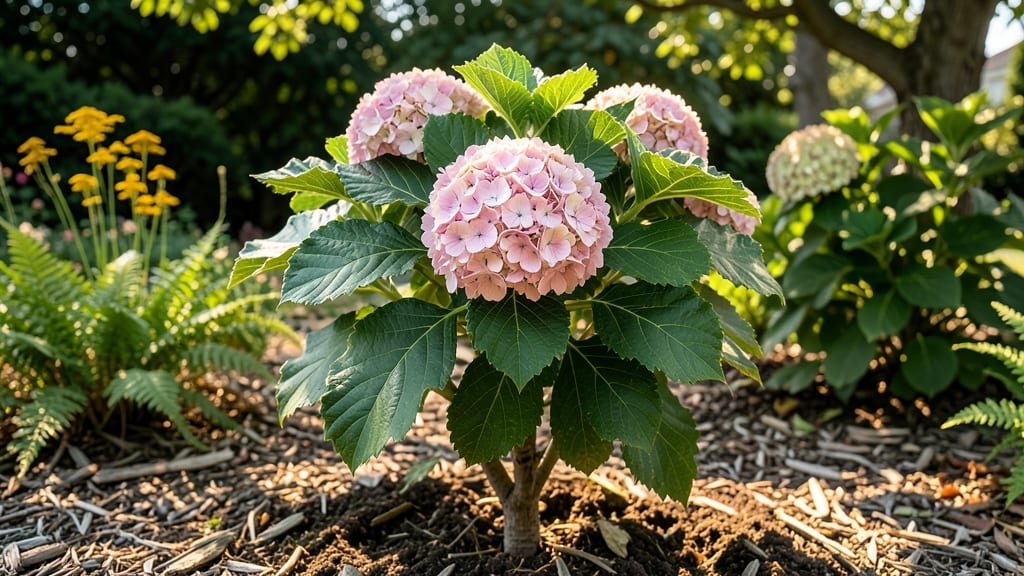
Growing **oak leaf hydrangea Alice means year-round foliage that outshines every other hydrangea. 🌿 This cold-hardy stunner keeps its deep burgundy leaves through winter, while its creamy white blooms in summer make it the star of any garden.
What sets 'Alice' apart? The bold, oak-shaped foliage that turns fiery red in fall and the fragrant, cone-shaped flowers that last all summer.
Plant it where it gets morning sun and afternoon shade—too much direct sun scorches the leaves, while too little shade dulls the foliage drama. Well-draining, slightly acidic soil (pH 5.0-6.0) is key, and a mulch layer keeps roots cool in summer and protected in winter.
'Alice' thrives in USDA Zones 5-9, making it one of the hardiest hydrangeas for northern gardens.
Water deeply once a week during the first growing season to establish roots, then taper off once established—it hates soggy soil. Prune in late winter or early spring before new growth appears, cutting back old wood by 1/3 to encourage fresh, vibrant foliage.
The secret to those oak-like leaves? Never prune after mid-summer, or you risk losing next year’s dramatic shape.
Once established, 'Alice' needs little maintenance beyond occasional fertilizing with acid-loving plant food in spring. Watch for powdery mildew in humid climates—space plants 6-8 feet apart for airflow—and avoid overhead watering. The payoff? A 4-6 foot tall shrub that’s disease-resistant, drought-tolerant once mature, and pollinator-friendly** from spring to fall.
📚 In This Guide
- What you need
- Instructions
- Tips and common mistakes
- Wrapping up and next steps
What you need
- ● Oakleaf Hydrangea 'Alice' plant: 1 healthy nursery-grown specimen (3–5 gallons in container or bare-root)
- ● Well-draining soil: Mix of 60% native soil, 30% compost, and 10% perlite or sand (pH 5.0–6.0 ideal)
- ● Mulch: 2–3 inches of organic mulch (shredded bark or pine needles) to retain moisture and regulate temperature
- ● Watering can or hose with a gentle spray nozzle: For deep, consistent watering (1–2 gallons per week)
- ● Fertilizer: Slow-release granular fertilizer (10-10-10 or 5-10-5) or organic options like composted manure
- ● Garden trowel or spade: For planting and soil amendments
- ● Gloves: Heavy-duty gardening gloves to protect hands
- ● Pruners (sterilized): Sharp, bypass pruners for shaping and maintenance
- ● Sunlight location: Partial shade to full sun (at least 4–6 hours of dappled light daily)
- ○ Staking (optional): 3–4 stakes + soft ties if planting in windy areas
- ● Soil moisture meter to monitor hydration levels
- ● Plant support cage for young, top-heavy growth
- ● Epsom salt (magnesium sulfate) for vibrant foliage (1 tbsp per gallon of water, applied monthly)
- ● Pest control: Neem oil or insecticidal soap (if aphids or spider mites appear)
How to plant and maintain oak leaf hydrangea 'Alice' for stunning year-round color
This cold-hardy beauty thrives with just a few key steps—let’s get your 'Alice' hydrangea established for bold foliage all season.
🌱 Step 1: Choose the Perfect Planting Spot
Oak leaf hydrangeas like 'Alice' need partial shade—think morning sun with afternoon shade in hotter climates or dappled light under tall trees. Avoid deep shade, which fades their signature burgundy foliage. I always check the spot’s light patterns for at least 4-6 hours of indirect sun daily.
Test your site by observing how light moves across it for a week before planting. The ideal location balances brightness for vibrant leaves while preventing afternoon sun scorch. If your yard only offers full sun, plant near a north-facing wall or large shrub for natural shade.
🪴 Step 2: Prepare the Soil and Plant Correctly
Amend your native soil with 2-3 inches of organic compost mixed into the top 12 inches of soil. Oak leaf hydrangeas tolerate a range of soil types but prefer slightly acidic to neutral pH (6.0-7.0). I like to add a handful of sulfur or peat moss if my soil tests too alkaline.
Dig a hole twice as wide as the root ball but only as deep—planting too deep suffocates roots. Gently loosen the root ball’s edges before placing it in the hole. Backfill with native soil mixed with compost, pressing lightly to remove air pockets. Water deeply to settle everything.
☀️ Step 3: Water Deeply and Mulch for Moisture Retention
Water once weekly for the first month, soaking the soil to 12 inches deep. You’ll know it’s enough when water runs out the drainage holes if planted in a container. Let the top 2 inches of soil dry between waterings—this prevents root rot while keeping roots hydrated.
Apply 3 inches of mulch (like shredded bark or pine needles) around the base, keeping it 3 inches away from the trunk. Mulch conserves moisture, regulates soil temperature, and prevents weeds. Replenish mulch annually as it breaks down—this is non-negotiable for long-term health.
✂️ Step 4: Prune Strategically for Bushier Growth
Prune late winter or early spring (before new growth starts) to shape the plant and encourage dense foliage. Remove dead or crossing branches first, then cut back last year’s growth by ⅓ to stimulate fresh shoots. Never prune into old wood—'Alice' blooms on new wood, so avoid heavy cuts.
For established plants, a light spring cleanup keeps energy focused on foliage rather than dead growth. I avoid summer pruning—it stresses the plant and can delay fall color. If you must prune later, wait until after the first hard frost to avoid encouraging tender new growth.
🌿 Step 5: Fertilize for Vibrant Foliage (Not Flowers)
Feed in early spring with a balanced, slow-release fertilizer (10-10-10) or one high in iron for richer leaf color. I skip heavy nitrogen fertilizers—they promote leafy growth at the expense of the dramatic burgundy hues 'Alice' is famous for.
Apply fertilizer 6 inches away from the trunk and water it in immediately. Avoid fertilizing in late summer or fall—it encourages tender growth that won’t survive winter. A light foliar spray of seaweed extract in summer keeps leaves lush without overstimulating growth.
Tips & tricks for perfect oak leaf hydrangea 'Alice' planting
These insider strategies will help you coax out the boldest burgundy foliage from your 'Alice' hydrangea while avoiding common pitfalls that dull its dramatic color.
Light Pattern Insight: The 4-6 hours of indirect sunlight mentioned in Step 1 is non-negotiable for that signature burgundy hue. If your yard gets intense afternoon sun, consider planting near a north-facing fence or under a deciduous tree that provides seasonal shade. I once planted one in full sun and ended up with pale green leaves—don't make that mistake! Track how sunlight moves across your yard for a full week before committing to a spot.
Soil Science: When amending soil in Step 2, focus on creating that ideal 6.0-7.0 pH range. If your soil tests alkaline, add sulfur gradually—too much at once can actually make the problem worse. I recommend testing your soil every 2-3 years, especially if you notice yellowing leaves or stunted growth. The 2-3 inches of compost should be mixed into the top 12 inches, not just sprinkled on top.
Mulch Mastery: That 3-inch layer of mulch in Step 3 isn't just decoration—it's a moisture and temperature regulator. For maximum effectiveness, refresh it annually in early spring before new growth begins. Pine needles work beautifully for acid-loving plants like 'Alice', but avoid cedar mulch which can inhibit growth over time. Keep mulch 3 inches away from the trunk to prevent rot at the base.
Pruning Precision: The late winter/early spring pruning window in Step 4 is crucial for 'Alice' because it blooms on new wood. When you cut back last year's growth by ⅓, make clean cuts just above a leaf node or bud. I've seen gardeners accidentally prune into old wood, which removes next year's flower buds entirely. Always prune after the coldest part of winter but before new growth appears—this timing makes all the difference.
Pro Tips for Oak Leaf Hydrangea Alice
- These insider strategies will help you coax out the boldest burgundy foliage from your 'Alice' hydrangea while avoiding common pitfalls that dull its dramatic color.
- Light Pattern Insight: The 4-6 hours of indirect sunlight mentioned in Step 1 is non-negotiable for that signature burgundy hue.
- Soil Science: When amending soil in Step 2, focus on creating that ideal 6.0-7.0 pH range.
Frequently asked questions
Got questions about Oak Leaf Hydrangea Alice? You’re not alone!
Here are answers to the most common queries—from care tips to troubleshooting—so you can keep this stunning shrub thriving year-round.
How cold-hardy is Hydrangea quercifolia ‘Alice’?
Hydrangea quercifolia ‘Alice’ is a USDA Zones 6-9 star, meaning it handles winters down to -10°F (-23°C). While it’s cold-tolerant, young plants or newly planted shrubs may need winter mulch (3–4 inches of shredded bark) for extra protection. Pro tip: If you’re in Zone 6, group it with evergreens to create a microclimate!
When should I prune Oak Leaf Hydrangea Alice?
Prune late winter or early spring (February–March) to avoid cutting off next year’s blooms. Focus on dead, crossing, or overcrowded branches—never prune more than 1/3 of the shrub at once. Alice blooms on old wood, so wait until after flowering to shape lightly if needed. Never prune in fall!
Why aren’t my Oak Leaf Hydrangea Alice leaves turning red?
If your Alice’s foliage stays green instead of its signature deep burgundy or copper, check these culprits:
- Too much shade: Needs partial sun (morning sun + afternoon shade) for vibrant colors.
- Over-fertilizing: Too much nitrogen = lush green leaves, fewer fall hues.
- Stress: Drought or poor drainage can dull colors. Keep soil moist but well-drained.
Are Oak Leaf Hydrangeas prone to pests or diseases?
While Alice is generally low-maintenance, watch for:
- Leaf spot: Brown spots? Remove infected leaves and improve airflow (prune for better circulation).
- Aphids or scale: Spray with water or neem oil if you spot sticky residue or tiny bugs.
- Powdery mildew: Rare but possible in humid climates. Prune for airflow and avoid overhead watering.
Can I grow Oak Leaf Hydrangea Alice in a container?
Yes! Alice thrives in large containers (15+ gallons) with well-draining potting mix. Choose a glazed pot to retain moisture and move it to partial shade in summer. Winter care: Wrap the pot in burlap and bury it halfway in the ground (or use a container sleeve) for insulation. Note: Container-grown plants may need more frequent watering and fertilizer (balanced 10-10-10).
Wrapping up and next steps
Oak Leaf Hydrangea "Alice" is a standout choice for gardeners craving year-round beauty with minimal fuss—its stunning foliage, cold-hardiness, and adaptability make it a low-maintenance superstar. Whether you're drawn to its vibrant autumn hues, delicate blooms, or resilience in tough climates, this plant delivers drama without the drama. 🌿✨
Ready to transform your landscape? Start by selecting the perfect spot—then watch as "Alice" rewards you with seasonal magic for years to come!