
Vegetables
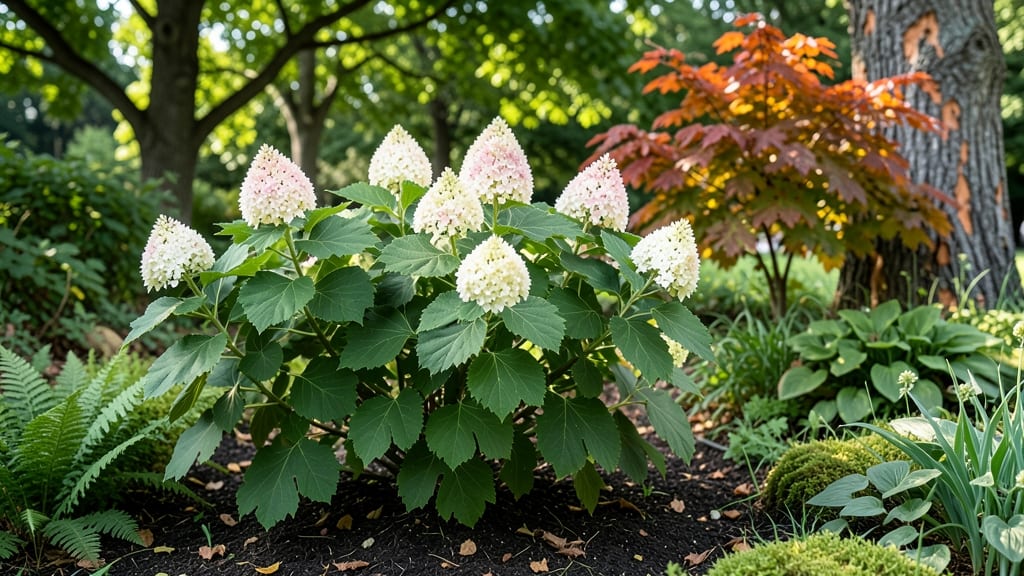
Oakleaf hydrangea types transform shady corners into year-round showstoppers with their dramatic foliage and cascading blooms. 🌿 I’ve grown several varieties, and ‘Snow Queen’ stands out for its pure white flowers that last from summer into fall—plus, its deep green leaves turn fiery red in autumn.
But if you want something smaller, ‘Alice’ delivers the same shade tolerance in a compact 3-foot package, perfect for containers or tight spaces.
The real magic happens beyond the flowers: oakleaf hydrangeas shine in partial shade where other plants struggle. Their large, oak-shaped leaves provide texture, and their hardiness (zones 5-9) means they bounce back from winter with fresh spring growth.
Drought-tolerant once established, they’re low-maintenance stars for gardeners who want drama without the fuss.
You’ll love how these varieties adapt to different conditions—‘Annabelle’ thrives in full sun with milder winters, while ‘Snowflake’ handles humidity better. Plant them where their leaves can be admired year-round, and you’ll get fragrant summer blooms, autumn color, and even winter interest from their exfoliating bark.
For best results, mulch well and water consistently the first year. Prune lightly in late winter to shape, but never cut back old wood—it’s where next year’s flowers form.
Whether you’re filling a shady border or adding height to a patio, oakleaf hydrangeas deliver effortless elegance that keeps giving season after season.
📚 In This Guide
- What you need
- Instructions
- Tips and common mistakes
- Wrapping up and next steps
What you need
- ● Oakleaf hydrangea plants: Choose 1–3 mature plants (3–5 gallons in pots) or bare-root seedlings, depending on your garden size. Popular types include Hydrangea quercifolia ‘Snow Queen,’ ‘Amethyst,’ or ‘Pee Wee.’
- ● High-quality potting soil or garden soil: 5–10 bags (1 cubic foot each) amended with 3–4 inches of compost or organic matter for drainage and nutrients.
- ● Mulch: 2–3 bags of pine bark or shredded leaves (avoid fresh wood chips—they can compact).
- ● Slow-release fertilizer: 1 bag of balanced 10-10-10 or acid-loving plant fertilizer (e.g., Miracle-Gro Azalea, Camellia & Rhododendron).
- ● Pruning shears: Bypass pruners (sharp, clean, and sterilized with rubbing alcohol to prevent disease).
- ● Garden gloves (heavy-duty, nitrile-coated for thorns).
- ● Trowel or spade (for digging—18-inch garden spade recommended).
- ● Watering can or hose with a soaker nozzle (for deep watering).
- ○ pH test kit (optional but helpful—oakleaf hydrangeas thrive in acidic soil (pH 4.5–6.0)).
- ○ Aluminum sulfate or peat moss (optional, for adjusting soil pH if needed).
- ○ Stakes or garden twine (optional, for supporting young or top-heavy plants).
How to select and grow oakleaf hydrangea varieties for shade gardens
These shade-tolerant beauties deliver seasonal interest with minimal fuss—here’s how to choose and cultivate them.
🌿 Step 1: Choose the Right Oakleaf Hydrangea Variety
Oakleaf hydrangeas (Hydrangea quercifolia) thrive in partial to full shade, making them perfect for wooded gardens or north-facing borders. The ‘Snow Queen’ variety offers pure white blooms that age to soft pink, while ‘Pee Wee’ stays compact (3-4 feet tall) for smaller spaces. For bold foliage, ‘Amethyst’ features deep purple leaves that complement its lavender flowers.
Consider your climate: Southern gardeners should opt for ‘Alabama Sunset’, which handles heat better than northern varieties. Check each plant’s mature size—‘Snowflake’ can reach 8 feet tall, while ‘Little Sweetheart’ stays under 3 feet. I always match the variety to the space to avoid overcrowding later.
☀️ Step 2: Site Selection and Soil Preparation
Plant oakleaf hydrangeas in partial shade (4-6 hours of morning sun) for best performance. They tolerate full shade but may produce fewer blooms. Test your soil—these plants prefer acidic to neutral pH (5.5-6.5). Amend heavy clay with 2-3 inches of compost or organic matter to improve drainage.
Dig a hole twice as wide as the root ball but only as deep. Loosen the roots if they’re circling the pot before placing the plant so they can spread naturally. Backfill with native soil mixed with 1 part compost—this ensures moisture retention without suffocating roots. Water deeply after planting to eliminate air pockets.
💧 Step 3: Watering and Mulching for Year-Round Health
Keep the soil consistently moist for the first 6-8 weeks after planting—this encourages strong root establishment. Once established, water 1-2 inches per week, more in extreme heat. Oakleaf hydrangeas hate soggy roots, so ensure proper drainage. A 3-inch layer of mulch (wood chips or shredded bark) helps retain moisture and regulates soil temperature.
Here’s the thing—mulch too close to the stem, and you’ll smother the plant. Keep it 3-4 inches away from the trunk. In winter, add an extra 2 inches of mulch to protect roots from freeze-thaw cycles. You’ll see healthier foliage and more abundant blooms the following season.
✂️ Step 4: Pruning for Seasonal Interest
Prune in late winter or early spring (before buds swell) to shape the plant and encourage new growth. Remove dead or crossing branches first, then cut back last year’s flower stems to just above the first set of healthy buds. Never prune into old wood—oakleaf hydrangeas bloom on new wood, so aggressive cuts reduce next year’s flowers.
For a more natural look, I lightly trim leggy stems in early summer after blooming. This prevents the plant from becoming top-heavy and encourages bushier growth. Avoid heavy pruning in fall—you’ll sacrifice next year’s spring foliage display.
🌱 Step 5: Seasonal Care for Long-Term Beauty
Fertilize in early spring with a balanced, slow-release fertilizer (10-10-10) to support new growth. Oakleaf hydrangeas aren’t heavy feeders, so over-fertilizing leads to weak stems and fewer blooms. In fall, apply a light layer of compost around the base to replenish nutrients for winter.
Watch for hydrangea leaf spot or powdery mildew in humid climates. Remove affected leaves immediately and space plants 3-5 feet apart for airflow. If you notice yellowing leaves, it’s often a sign of overwatering—let the top 2 inches of soil dry out before watering again. With proper care, these shade-lovers will reward you with vibrant foliage, stunning blooms, and seasonal interest for decades.
Tips & tricks for perfect oakleaf hydrangea Selection and care
Here's what nobody tells you about getting the most from these shade-loving stars.
Variety Selection: When choosing between the ‘Snow Queen’ and ‘Amethyst’ varieties, consider your garden's focal point. The ‘Snow Queen’ variety's white blooms create a stunning contrast against dark foliage, while ‘Amethyst’ offers a bold purple leaf display that adds year-round interest. For smaller spaces, the ‘Pee Wee’ variety's compact size makes it ideal for containers or narrow garden beds.
Climate Adaptation: The ‘Alabama Sunset’ variety is my go-to recommendation for Southern gardens due to its superior heat tolerance. In cooler climates, the ‘Snowflake’ variety thrives beautifully, but be prepared for its impressive 8-foot height. Always verify a variety's mature size before purchasing to ensure it fits your intended planting location.
Soil Preparation: Don't skip the soil test before planting. Oakleaf hydrangeas prefer a pH range of 5.5-6.5, and adjusting your soil to this level can dramatically improve plant health and bloom production. For heavy clay soils, mix in 2-3 inches of compost or organic matter to improve drainage without altering the pH significantly. This step is particularly important in Step 2 of the planting process.
Pruning Strategy: The key to successful pruning lies in understanding that oakleaf hydrangeas bloom on new wood. In late winter or early spring, focus on removing dead or crossing branches first, then cut back last year's stems to just above the first set of healthy buds. This technique, outlined in Step 4, ensures you maintain next year's flowering potential while shaping your plant effectively.
Pro Tips for Oakleaf Hydrangea Types
- Here's what nobody tells you about getting the most from these shade-loving stars.
- Variety Selection: When choosing between the ‘Snow Queen’ and ‘Amethyst’ varieties, consider your garden's focal point.
- Climate Adaptation: The ‘Alabama Sunset’ variety is my go-to recommendation for Southern gardens due to its superior heat tolerance.
Frequently asked questions
Got questions about oakleaf hydrangeas?
Here are answers to the most common ones—whether you're a newbie or a seasoned gardener!
What’s the best time to plant oakleaf hydrangeas?
Plant them in early spring or fall when soil temps are mild (50–70°F). This gives roots time to establish before summer heat or winter frost. Avoid planting in extreme heat—roots can dry out or struggle to adapt. Pro tip: Amend soil with compost for better drainage and fertility!
Will oakleaf hydrangeas grow in full shade?
Yes! They thrive in partial to full shade (2–6 hours of sun). Too much direct sun can scorch leaves, especially in hot climates. In deep shade, they may grow slower but still produce stunning foliage. Pro tip: If leaves turn yellow, they might need slightly more light!
How cold-hardy are oakleaf hydrangeas?
Most varieties handle USDA Zones 5–9, with some (like 'Snow Queen') tolerating temps down to -20°F. Mulch heavily in winter to protect roots. In colder zones, choose dwarf varieties or plant near a south-facing wall for extra warmth.
Why aren’t my oakleaf hydrangeas blooming?
Blooms may be sparse if pruned at the wrong time. These hydrangeas flower on old wood, so prune after blooming (late summer/fall). Over-fertilizing with nitrogen can also reduce flowers. Pro tip: Feed lightly in early spring with a balanced 10-10-10 fertilizer!
Can I grow oakleaf hydrangeas in containers?
Dwarf varieties like 'Pee Wee' or 'Little Quickfire' work well in 15+ gallon pots. Use well-draining soil and repot every 2–3 years. Keep containers in partial shade and water consistently—containers dry out faster than garden beds!
Wrapping up and next steps
From the bold foliage of 'Snow Queen' to the romantic blooms of 'Pee Wee,' oakleaf hydrangeas bring year-round charm to shady spots with minimal fuss. 🌿 Whether you love large leaves, vibrant fall colors, or delicate flowers, there’s a variety perfect for your garden’s personality.
Now that you’re inspired, why not pick your favorite and start planning? Visit a local nursery, sketch a cozy corner for your new shrub, or dive deeper into care tips to make your shade garden unforgettable!