
Flowers
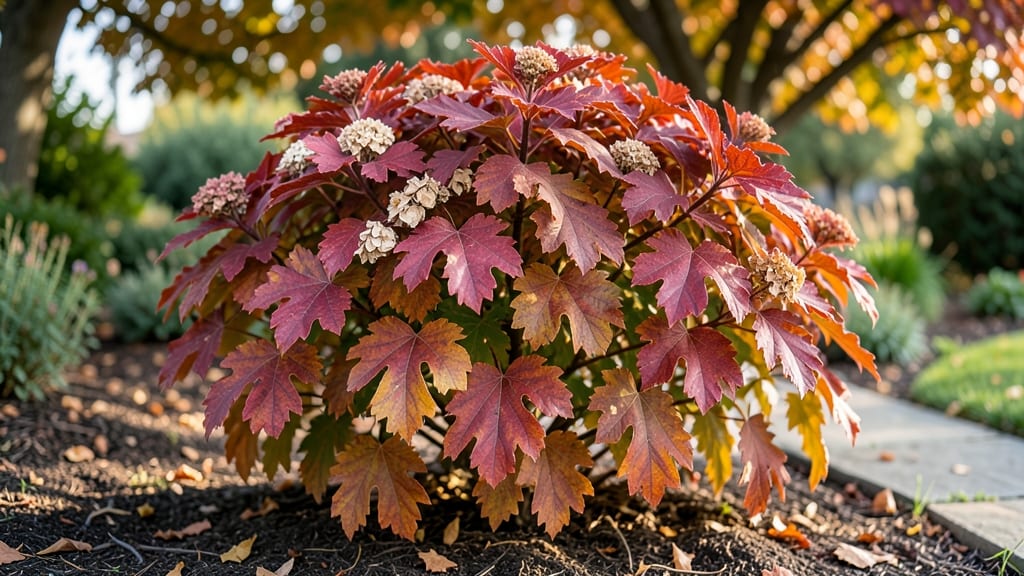
Your oak leaf hydrangea’s fall color transformation could make your yard the envy of the neighborhood—if you time care just right. 🌿 The secret lies in how you nurture it now, because those fiery red and purple leaves don’t just happen; they’re a reward for smart summer prep and gentle seasonal adjustments.
Think of it like a masterpiece in progress: the leaves start deep green in spring, then slowly build their autumn palette through summer.
Too much shade or late pruning dulls the show, while the right sunlight and balanced soil turn those leaves into bold, jewel-toned masterpieces that last well into winter. Even a small adjustment—like cutting back old wood in late winter—makes all the difference.
By October, your plant will be putting on its best display, with leaves that outshine maples and oaks. The key is keeping the roots hydrated (but not soggy) and avoiding heavy fertilizer after July—you want vibrant color, not leafy growth.
A light mulch helps too, protecting roots while letting those leaves soak up sunlight.
Pro tip: photograph the peak colors in crisp morning light for social media-worthy shots. The best displays happen when you’ve given the plant consistent care all season—no shortcuts. Your hydrangea will thank you with foliage that turns heads every fall.
📚 In This Guide
- What you need
- Instructions
- Tips and common mistakes
- Wrapping up and next steps
What you need
- ● Oak Leaf Hydrangea Plants: 1–3 mature plants (depending on desired coverage). Choose Hydrangea quercifolia varieties like 'Snow Queen,' 'Pee Wee,' or 'Alice' for optimal fall color.
- ● Well-Draining Soil: 5–10 bags of organic garden soil or compost (1 cubic yard per plant for planting; 2–3 bags for amending existing soil).
- ● Mulch: 1–2 bags of wood chips or pine straw (3–4 inches deep) to retain moisture and protect roots.
- ● Pruning Shears: Bypass pruners (sharp, clean, and sanitized with rubbing alcohol).
- ● Gloves: Heavy-duty gardening gloves to protect hands from thorns and rough foliage.
- ● Watering Can or Hose: With a gentle spray nozzle for post-planting hydration.
- ● Trowel or Shovel: For digging planting holes (12–18 inches wide and deep).
- ● Garden Fork: To loosen compacted soil before planting.
- ● Fertilizer: Balanced, slow-release fertilizer (10-10-10 ratio) or compost tea for nutrient boost (apply in early spring).
- ● Staking Supplies: 3–4 bamboo stakes + soft ties if your hydrangea is top-heavy or in windy areas.
- ○ Plant Food for Fall: High-potassium fertilizer (e.g., 0-0-50) to enhance autumn foliage vibrancy (optional but recommended!).
- ● Camera or Sketchbook: To capture (or plan!) the stunning color transitions from summer green to fiery reds and oranges! 📸
- ● A sunny to partially shaded spot (6+ hours of light for optimal growth, but tolerates dappled shade).
- ● Access to a water source (hydrangeas love consistent moisture—aim for 1–2 inches per week!).
- ● Patience! Oak leaf hydrangeas take 2–3 years to reach their full fall color glory. 🌟
How to enhance oak leaf hydrangea fall foliage for stunning autumn displays
Here's how I transform ordinary oak leaf hydrangeas into the star of fall—with minimal effort and maximum impact.
🌿 Step 1: Choose the Right Variety and Planting Location
Oak leaf hydrangeas like 'PeeGee' or 'Little Honey' deliver the most dramatic fall color when planted in full sun to partial shade (at least 4-6 hours of direct light daily). I always plant mine where they'll get morning sun and afternoon shade—this prevents leaf scorch while maximizing color development. The key is avoiding hot, dry afternoon sun in hotter climates.
Test your spot by observing how nearby plants handle summer heat. If leaves already show stress by mid-afternoon, your hydrangea will too. Amend the soil with 2-3 inches of compost at planting to encourage strong root growth—the deeper the roots, the more vibrant the fall color.
☀️ Step 2: Water Deeply and Consistently Through Summer
Color intensity starts with summer care. Water deeply once a week (or more in extreme heat) until the soil is 12 inches deep and evenly moist. I use a soaker hose for 30-45 minutes to avoid wetting the leaves—this prevents fungal diseases that dull fall colors. The goal is to keep roots hydrated without soggy soil.
Check moisture by sticking your finger 3 inches deep—if it feels dry, water again. Oak leaf hydrangeas wilt dramatically when thirsty, but they bounce back quickly with deep watering. This summer hydration builds the chlorophyll reserves that later convert to stunning fall pigments.
✂️ Step 3: Prune Strategically in Late Summer
Prune after August 15th to preserve next year's flower buds (which form on old wood). I remove only dead or crossing branches, cutting just above a leaf node. Never prune more than 1/3 of the plant—this weakens fall color production. The goal is to maintain an open center for airflow, which prevents mildew that can dull foliage.
Here's the thing—if you prune too late, you risk removing next year's blooms. But if you prune too early, you sacrifice this year's fall show. I wait until mid-September in colder zones to give the plant time to set buds before winter.
🌱 Step 4: Feed with Fall Fertilizer for Color Boost
In early September, apply a low-nitrogen, high-potassium fertilizer (like 5-10-10) to encourage vibrant fall colors. I use 1/2 cup per mature plant, working it into the top 2 inches of soil. Avoid high-nitrogen fertilizers now—they promote leafy growth at the expense of color.
Water thoroughly after applying fertilizer to help roots absorb nutrients. You'll see the difference in 3-4 weeks as leaves develop deeper reds, purples, and oranges. For extra vibrancy, I add a tablespoon of Epsom salt per plant—magnesium helps with chlorophyll production before the color change.
🍂 Step 5: Protect from Early Frost and Winter Damage
Once leaves reach peak color (usually late October), stop watering to harden off the plant. I wrap young plants with burlap in cold climates to prevent winter burn, but mature plants rarely need protection. The key is to let leaves naturally transition to their fall hues without stress.
Mulch with 2-3 inches of shredded leaves or wood chips in late fall to insulate roots. Remove mulch in early spring to avoid overheating. This simple step ensures your hydrangea returns with even more dramatic fall color next year.
Tips & tricks for perfect oak leaf hydrangea fall color
Took me years to figure out these secrets—here's how to guarantee your oak leaf hydrangeas put on the most spectacular fall show.
Lighting Strategy: If your garden gets intense afternoon sun, I've found that a simple shade cloth (30-50% coverage) over the hottest hours in summer can prevent leaf scorch while still allowing enough light for vibrant fall colors. The key is to remove it before late August so the plant gets full light for fall color development. This trick saved my 'Little Honey' hydrangea from turning brown instead of brilliant.
Soil Secrets: The 2-3 inches of compost mentioned in Step 1 isn't just about nutrients—it's about creating the right soil environment. I always mix in a handful of worm castings (yes, literally worm poop!) with that compost. The microbial activity from the castings helps break down nutrients more efficiently, giving your hydrangea an extra boost of magnesium and potassium—exactly what it needs for those deep fall hues.
Watering Wisdom: That 30-45 minute soaker hose time in Step 2 is crucial, but here's what nobody tells you—morning watering is better than evening. Watering in the morning gives leaves time to dry completely before nightfall, which dramatically reduces the risk of fungal diseases like powdery mildew that can dull those gorgeous fall colors. I've seen hydrangeas go from vibrant reds to sad browns in just a week when this simple rule is ignored.
Fertilizer Timing: The 3-4 week window mentioned after applying fall fertilizer is when the real magic happens. To maximize results, I always apply the fertilizer on a cloudy day or right after a rain. This gives the nutrients time to soak into the soil rather than sitting on the surface where they can burn roots. And here's my extra tip: if you're in a hot climate, apply the fertilizer in the early evening when temperatures are cooler.
Pro Tips for Oak Leaf Hydrangea Fall Color
- Took me years to figure out these secrets—here's how to guarantee your oak leaf hydrangeas put on the most spectacular fall show.
- The key is to remove it before late August so the plant gets full light for fall color development.
- Soil Secrets: The 2-3 inches of compost mentioned in Step 1 isn't just about nutrients—it's about creating the right soil environment.
Frequently asked questions
Got questions about maximizing the stunning oak leaf hydrangea fall color? You’re not alone! Here are some of the most common queries—and their answers—to help you get the most out of your plants this season.
When do oak leaf hydrangeas turn their best fall colors?
Peak fall color usually arrives in late September to early November, depending on your climate. Cooler nights and crisp air trigger the transformation. In warmer regions, colors may fade faster—so plant in areas with morning sun and afternoon shade for prolonged vibrancy.
Why are my oak leaf hydrangea leaves turning brown instead of their usual fall hues?
Brown leaves can signal overwatering, underwatering, or fungal issues. Check soil moisture (it should stay evenly damp but not soggy). If spots or mildew appear, prune affected areas and improve airflow. Late-season browning is normal—just remove dead leaves to encourage fresh growth next year.
Can I extend the fall color display with special care?
Reduce watering slightly
in late summer to stress the plant (just enough to keep soil moist). A light layer of mulch retains coolness, and avoiding heavy fertilizers prevents leafy regrowth. Morning sun also boosts color intensity—just protect from harsh afternoon rays.
Are there any alternatives to oak leaf hydrangeas for fall foliage?
If you love bold autumn colors, try these low-maintenance options:
- Panicle hydrangeas (e.g., ‘Limelight’) – Creamy blooms turn rusty-brown.
- Smoke bush (Cotinus) – Smoke-like plumes in fiery reds and purples.
- Japanese maples – Delicate lace-like leaves in fiery oranges.
- Virginia sweetspire – Fragrant foliage turns deep burgundy.
Should I prune oak leaf hydrangeas in fall after the leaves change?
Wait until late winter or early spring (before new growth starts). Fall pruning can remove next year’s flower buds. If you must tidy up, lightly trim dead stems but avoid heavy cuts. Pro tip: Mark stems with a ribbon to identify last year’s growth for safe pruning!
Wrapping up and next steps
Watching your oak leaf hydrangea transform into a fiery autumn masterpiece is one of gardening’s sweetest rewards! 🍂 With the right care—like proper pruning, watering, and soil prep—you’ll unlock those stunning red, purple, or orange fall hues that steal the show.
Don’t let this seasonal magic pass you by: grab your gloves, step outside, and give your plants the love they deserve this fall.
Ready to make next year even brighter? Bookmark this guide and start planning now—whether it’s testing new varieties or tweaking your garden’s conditions. Your future autumn foliage will thank you!