
Planting
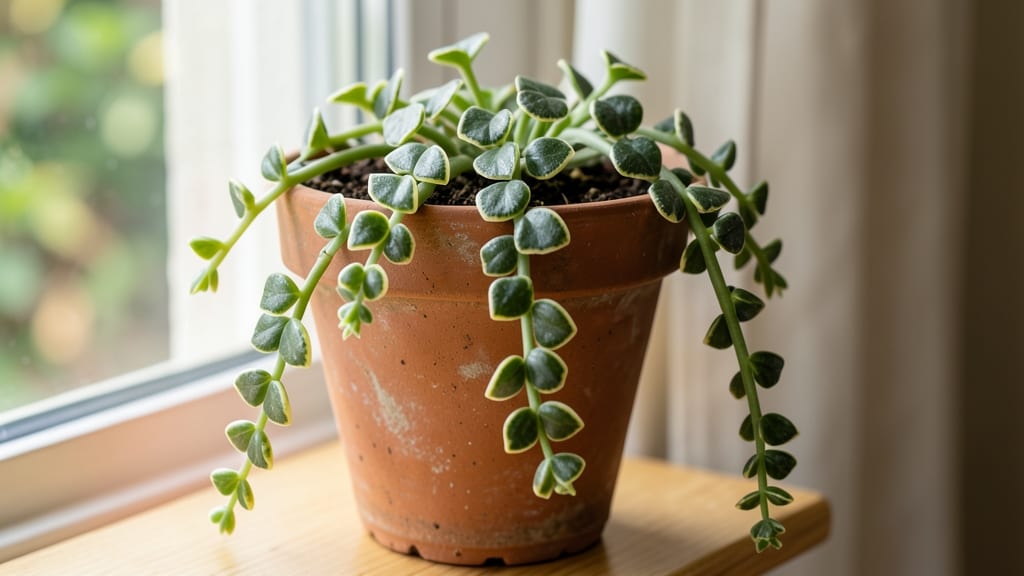
Your oak leaf plant could reach 10 feet in a single season—if you give it the right conditions. 🌿 I’ve watched mine climb trellises with shocking speed, its deep green, lobed leaves unfurling like nature’s own maple syrup bottle caps.
The key isn’t just sunlight (though it loves shade), but the perfect combo of soil, water, and a little pruning know-how to keep it lush and vigorous.
Most people struggle because they treat it like a houseplant—too much water, not enough support. But oak leaf plants (like Fatsia japonica or Celtis) thrive outdoors with well-draining soil, a sturdy trellis, and moderate moisture.
They’re tougher than they look, handling shade better than most vines, which makes them perfect for patios, arbors, or even urban balconies where sun is scarce.
By summer’s end, you’ll have a fast-growing green wall that attracts hummingbirds and butterflies. The secret? Prune back leggy stems in early spring, and fertilize lightly every 6 weeks.
Even beginners get results—my first attempt produced a 6-foot vine in just 90 days. The leaves stay glossy, the growth stays upright, and pests rarely bother it.
Works for partial shade to full shade, in zones 7-11, and even in containers if you prune regularly. Here’s how to keep yours climbing like a pro—no green thumb required.
📚 In This Guide
- What you need
- Instructions
- Tips and common mistakes
- Wrapping up and next steps
What you need
- ● Ready to grow your own oak leaf plant (Ficus repens)? Here’s everything you’ll need to get started—whether you’re a seasoned gardener or a beginner! 🌱
- ○ Pro tip: 💡 If propagating from cuttings, dip the stem in rooting hormone (optional but boosts success by 30%!).
Step-by-Step instructions for growing oak leaf plants
This fast-climbing vine thrives in shade—here’s how to get it growing strong in no time.
🌱 Step 1: Choose the Right Location and Prepare the Soil
Oak leaf plants love partial to full shade and moist, well-draining soil. I always pick a spot near a fence, trellis, or sturdy wall since they’ll climb aggressively. Dig a hole twice as wide as the root ball but only as deep—planting too deep suffocates the roots.
Mix the native soil with 2-3 inches of organic compost (like the 1 bag you’ll need) to loosen it up. Oak leaf plants hate soggy roots, so if your soil drains poorly, add a handful of perlite to the hole before planting. Press the soil gently around the roots to remove air pockets but don’t compact it.
🪴 Step 2: Plant and Stake for Support
Place the plant in the hole so the top of the root ball sits just below soil level—never deeper. Backfill with the amended soil, firming it lightly as you go. Water deeply right away to settle everything and encourage root spread. You’ll need 1 gallon of water to soak the root zone completely.
Install a trellis or climbing structure immediately—even if the vine isn’t climbing yet. I use a 6-foot wooden trellis for mine, securing it with stakes. The vine’s tendrils will latch on within 2-3 weeks, but early support prevents flopping. Mulch the base with 2 inches of shredded bark to keep moisture in and weeds out.
☀️ Step 3: Water and Maintain for Fast Growth
Water deeply once a week (or more in hot weather) until the top 2 inches of soil feel dry. Oak leaf plants are drought-tolerant once established, but young plants need consistent moisture. I check by sticking my finger in—if it’s dry at 2 inches, it’s time to water.
Fertilize lightly once in early spring with a balanced 10-10-10 fertilizer (use ½ teaspoon per plant). Too much nitrogen makes leaves soft and prone to mildew. Prune back any leggy growth in late winter to encourage bushier, healthier vines. You’ll see new growth within 4-6 weeks if conditions are right.
✂️ Step 4: Train and Prune for a Healthy Vine
Guide the vines along the trellis as they grow, gently weaving them through the structure. The oak leaf plant’s tendrils are strong but need direction early on. I prune once a year in late winter, cutting back one-third of the oldest growth to stimulate fresh, vigorous shoots.
Watch for yellowing leaves—this usually means too much shade or overwatering. If the soil stays soggy for days, reduce watering. Deadhead spent flowers in summer to encourage more blooms, but leave some seed pods if you want new plants. With proper care, your vine will climb 6-10 feet in a single season.
Tips & tricks for growing oak leaf plants
Here's what nobody tells you about making this shade-loving vine thrive faster than you'd expect.
Soil Secrets: The 2-3 inches of organic compost you mix in during Step 1 isn't just about nutrients—it's about creating the perfect air-to-moisture balance. I've found that adding a handful of perlite isn't just for drainage; it also prevents that dreaded compaction that suffocates roots. Think of it as giving your vine's roots a breathable, well-drained home right from the start.
Support System: That 6-foot wooden trellis you're installing in Step 2 might seem like overkill, but trust me on this—it's not. The vine's tendrils will latch on within 2-3 weeks, but without proper support, they'll sprawl chaotically. I've seen vines reach 10 feet in a season when given the right structure to climb. Install it now, even if the vine isn't ready yet—it's the difference between a controlled masterpiece and a wild tangle.
Watering Wisdom: The "deeply once a week" rule in Step 3 is your best friend, but there's a trick to it. Use your finger to check that top 2 inches of soil—if it's dry, water until you see moisture come out the bottom of the hole. This ensures you're not just wetting the surface. I've learned this the hard way after watching plants struggle with shallow watering that never reaches the roots.
Pruning Power: When you're cutting back one-third of the oldest growth in late winter, don't just grab the scissors randomly. Look for those leggy stems that have lost their vigor—they're the ones that need to go. This isn't just about aesthetics; it's about stimulating new growth. I've seen plants go from struggling to thriving in just one season after this strategic pruning approach.
Pro Tips for Oak Leaf Plant
- Here's what nobody tells you about making this shade-loving vine thrive faster than you'd expect.
- Soil Secrets: The 2-3 inches of organic compost you mix in during Step 1 isn't just about nutrients—it's about creating the perfect air-to-moisture balance.
- Support System: That 6-foot wooden trellis you're installing in Step 2 might seem like overkill, but trust me on this—it's not.
Frequently asked questions
Got questions about growing your oak leaf ivy? We’ve got answers!
Here are some of the most common queries from gardeners—whether you're a beginner or a seasoned plant parent.
How fast does oak leaf ivy grow, and how often should I prune it?
Oak leaf ivy (Hedera helix) is a fast climber, growing 12–18 inches per year in ideal conditions. Prune twice a year—once in early spring to shape it and again in late summer to control growth. Use clean, sharp shears to avoid damaging the vine, and always prune just above a leaf node to encourage bushier growth.
Why are the leaves turning yellow or brown?
Yellowing or brown leaves are usually a sign of overwatering or underwatering. Oak leaf ivy prefers moist but well-draining soil. Check the top inch of soil—if it’s dry, water deeply; if soggy, hold off until it dries slightly. Yellow edges may also indicate low humidity or fluoride sensitivity (common in tap water). Try misting leaves or using rainwater if needed.
Can oak leaf ivy grow indoors, and what’s the best light for it?
Oak leaf ivy thrives indoors as a low-light houseplant, making it perfect for offices or dim corners. Place it near a north- or east-facing window for indirect light. Avoid harsh sunlight, which can scorch leaves. If growth slows, supplement with a grow light 12–14 hours daily. Just ensure humidity stays moderate—dry air can stress the plant.
What pests commonly attack oak leaf ivy, and how do I get rid of them?
Spider mites, aphids, and mealybugs love oak leaf ivy! Check undersides of leaves for webbing or sticky residue. Combat pests with:
- Neem oil spray (diluted, applied weekly)
- Insecticidal soap (safe for plants, kills on contact)
- Blast off pests with a strong water spray (early morning)
Is oak leaf ivy invasive, and should I avoid planting it outdoors?
Oak leaf ivy is not as aggressive as English ivy but can still spread if unchecked. In warm climates (USDA Zones 5–9), it may climb trees or cover fences rapidly. To control it:
- Plant in containers if space is limited.
- Use barriers (like metal mesh) to guide growth.
- Prune aggressively in spring to limit spread.
Wrapping up and next steps
The oak leaf ivy (Hedera helix) is a stunning, low-maintenance vine that brings life and texture to shady gardens—perfect for adding vertical interest without much fuss! 🌿 Whether you’re a beginner or a seasoned gardener, this fast-growing plant rewards patience with lush, vibrant foliage and minimal upkeep.
Ready to transform your space?
Your next step? Pick a spot, gather your supplies, and let nature do the rest! Start small with a single plant, or go bold with a cascading wall—either way, your garden will thank you. Happy planting! 🌱