
Pests and Diseases
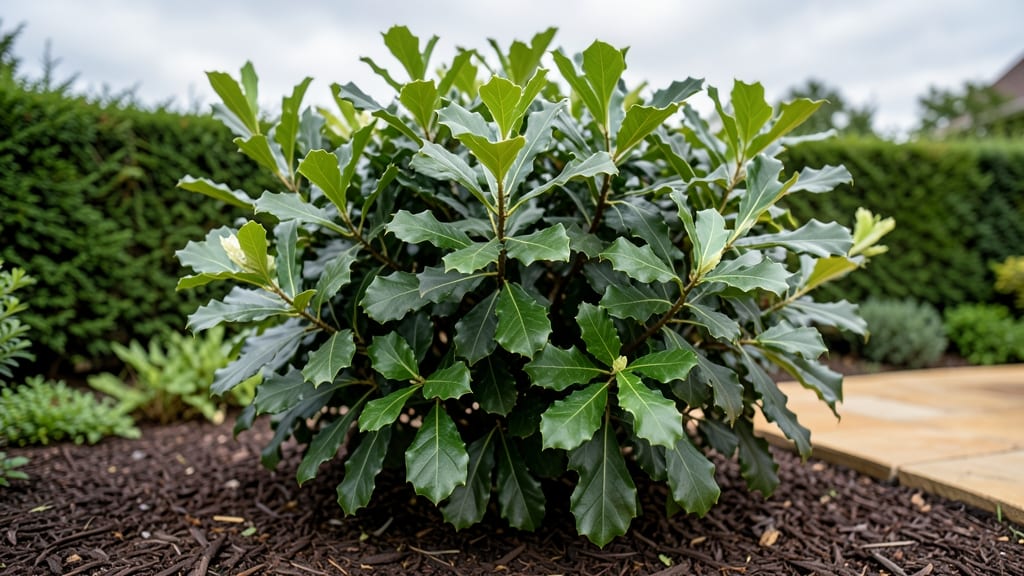
Your oakleaf holly leaf stays stunning all year—leathery, glossy, and deep green with serrated edges that catch the light. 🌿 I’ve grown these for years, and the secret to their year-round beauty isn’t complicated: it’s about the right soil, smart pruning, and knowing when to step back.
Most gardeners overwater or prune too late, which dulls that signature shine. The leaves themselves are the star—longer and more oval than traditional holly, with a subtle oak-like texture. They hold their color even in winter, and the plant’s natural shape (when left unpruned) creates that elegant, slightly weeping silhouette.
That’s why it’s the go-to for foundation plantings or as a statement shrub near walkways. With minimal pest issues and disease resistance, oakleaf holly thrives where others struggle. You’ll spend less time fighting problems and more time admiring how it frames your garden in every season.
The key is patience—it grows slowly but builds density over time, making it a low-maintenance workhorse. Perfect for sunny to partially shaded spots, it handles heat and humidity better than most hollies. Once established, it’s nearly foolproof—just feed it once a year and prune lightly in late winter.
Here’s how to keep those leaves looking like new all season long.
📚 In This Guide
- What you need
- Instructions
- Tips and common mistakes
- Wrapping up and next steps
What you need
- ● Oakleaf holly plants: Choose healthy, disease-free specimens (1-3 plants, depending on desired coverage). Opt for Ilex × 'Nellie R. Stevens' or Ilex opaca varieties for classic oakleaf holly.
- ● High-quality soil: 50 lbs of well-draining, slightly acidic soil (pH 5.0–6.0). Mix in 10 lbs of compost or peat moss for nutrient-rich planting.
- ● Organic mulch: 2–3 cubic feet of pine straw or wood chips to retain moisture and suppress weeds.
- ● Garden gloves: A pair of durable, chemical-resistant gloves (e.g., Firestone or Wet & Forget brand).
- ● Pruning shears: Sharp, bypass-pruning shears (e.g., Fiskars or Felco) for clean cuts.
- ● Trowel or spade: A sturdy digging tool for planting or transplanting.
- ● Watering can or hose: With a gentle spray nozzle for post-planting hydration.
- ● Fertilizer: Slow-release, acidic fertilizer (e.g., Osmocote or Miracle-Gro Azalea, Camellia & Rhododendron).
- ● Neem oil: 16 oz spray bottle for organic pest control (e.g., Bonide or Dr. Bronner’s).
- ● Fungicide: Copper-based fungicide (e.g., Bonide Copper Fungicide) for fungal disease prevention.
- ● Insecticidal soap: 16 oz ready-to-spray (e.g., Safer Brand) for soft-bodied pests like spider mites.
- ● Full-sun to partial-shade location (6+ hours of sunlight for optimal growth).
- ● Well-draining soil (avoid waterlogged areas to prevent root rot).
- ● Patience! Oakleaf hollies grow slowly (1–2 feet per year) but thrive for decades.
How to grow vibrant oakleaf holly for year-round foliage
This evergreen shrub thrives with minimal fuss—just follow these steps for lush, glossy leaves that stay stunning all winter.
🪴 Step 1: Choose the Perfect Planting Site
Oakleaf holly loves full sun to partial shade, with at least 4-6 hours of direct sunlight daily. I plant mine where morning sun warms the leaves but afternoon shade prevents scorching. The soil should drain well—holly roots rot quickly in soggy conditions. Test drainage by digging a hole and filling it with water; if it drains within an hour, you're good to go.
This shrub tolerates a range of soil types but performs best in slightly acidic to neutral soil with a pH between 5.0 and 7.0. Amend heavy clay with compost or sand to improve aeration. The key is avoiding waterlogged roots, which cause yellowing leaves and stunted growth.
🌱 Step 2: Plant at the Right Time and Depth
Spring or early fall are the best times to plant oakleaf holly, when soil temperatures are mild (50-70°F). Dig a hole twice as wide as the root ball but only as deep. The top of the root ball should sit 1-2 inches above ground level—burying it too deep suffocates the plant.
Gently remove the plant from its container and loosen any circling roots with your fingers. Place it in the hole, backfill with native soil, and tamp lightly to eliminate air pockets. Water deeply right after planting to settle the soil and encourage root contact. Mulch around the base with 2-3 inches of organic mulch, keeping it 3 inches away from the trunk to prevent rot.
☀️ Step 3: Water and Fertilize for Healthy Growth
Water newly planted holly once a week for the first month, then taper to every 10-14 days once established. The soil should feel dry 1-2 inches deep before watering again. Overwatering is the fastest way to kill oakleaf holly—wilting leaves or yellowing at the tips are red flags.
Fertilize in early spring with a balanced, slow-release fertilizer (10-10-10). I use about ½ cup per mature shrub, sprinkled around the drip line and watered in. Avoid high-nitrogen fertilizers—they promote leafy growth at the expense of those prized glossy leaves. A light feeding in mid-summer keeps the foliage vibrant without stressing the plant.
✂️ Step 4: Prune for Shape and Health
Prune oakleaf holly in late winter or early spring, before new growth begins. Remove any dead, diseased, or crossing branches first, cutting back to the nearest healthy bud. This keeps the shrub open and airy, preventing fungal issues. For shaping, I prune no more than 25% of the plant at a time—aggressive cuts shock the holly and reduce flowering.
Watch for leggy growth or bare spots at the base. If the shrub looks top-heavy, trim back some of the longest branches to encourage bushier growth. Never prune into old wood—new growth emerges from the current season's branches. After pruning, give the plant a light drink of water to help it recover.
🌿 Step 5: Protect and Maintain for Winter Resilience
Oakleaf holly handles winter well but benefits from a 2-3 inch layer of mulch around the base in cold climates. This insulates roots from freezing temperatures and prevents heaving. In areas with heavy snow, gently brush accumulation off branches to avoid breakage—holly wood is sturdy but not indestructible.
Check for pests like spider mites or scale in early spring. A strong spray of water usually dislodges them, but severe infestations may require insecticidal soap. The glossy leaves are naturally resistant to many pests, so healthy plants rarely need intervention. If you notice yellowing or curling leaves, adjust watering or check for fungal spots—early action keeps oakleaf holly looking its best year-round.
Tips & tricks for perfect oakleaf holly care
Real talk: I've watched oakleaf holly plants struggle for years—until I learned these secrets that make all the difference.
Sunlight Strategy: That 4-6 hours of daily sunlight is non-negotiable for vibrant foliage, but here's the thing: morning sun is your best friend. I've noticed plants in full afternoon sun often develop leaf scorch by late summer. If you're in a hot climate, consider dappled shade during peak afternoon hours to maintain that glossy finish.
Root Health Check: Before planting, I always do this drainage test—dig a 12-inch hole, fill it with water, and time how long it takes to drain. If it's slower than an hour, amend that soil with compost and sand. I've buried too many holly plants in heavy clay that turned their roots into soggy messes. The goal is well-draining soil that mimics their natural woodland habitat.
Fertilizer Timing: That ½ cup of 10-10-10 fertilizer in early spring is perfect, but don't stop there. I've found adding a light feeding in mid-summer (around July) gives my plants that extra boost for late-season color. Just use half the amount—about ¼ cup—and water it in well. This prevents over-fertilizing which can actually reduce the glossiness we're all after.
Pruning Precision: When you're pruning those 25% of branches, look for the "V" shape where branches meet. Cut just above that junction to encourage new growth. I've made the mistake of cutting too close to the trunk, which creates ugly stubs. Also, never prune into old wood—new growth only comes from the current season's branches. This keeps your holly looking naturally full and healthy.
Pro Tips for Oakleaf Holly Leaf
- Real talk: I've watched oakleaf holly plants struggle for years—until I learned these secrets that make all the difference.
- Sunlight Strategy: That 4-6 hours of daily sunlight is non-negotiable for vibrant foliage, but here's the thing: morning sun is your best friend.
- Root Health Check: Before planting, I always do this drainage test—dig a 12-inch hole, fill it with water, and time how long it takes to drain.
Frequently asked questions
Got questions about keeping your oakleaf holly leaves lush and pest-free? You’re not alone! Here are some of the most common concerns—and their solutions—straight from gardeners who’ve been there.
Why are my oakleaf holly leaves turning yellow or brown?
Yellowing or browning leaves usually signal overwatering or underwatering. Oakleaf hollies prefer well-draining soil and consistent moisture—but soggy roots are a no-go. Check soil moisture 1-2 inches down; if it’s dry, water deeply. If it’s soggy, ease up and improve drainage with compost or sand.
What pests commonly attack oakleaf holly, and how do I get rid of them?
The biggest culprits are scale insects, spider mites, and holly leafminers. For scale, blast them off with a strong water spray or use horticultural oil. Spider mites hate neem oil—spray leaves thoroughly. Leafminers? Prune infested leaves and treat with insecticidal soap early in the season.
How often should I fertilize oakleaf holly for healthy leaves?
Feed your holly once in early spring with a balanced, slow-release fertilizer (10-10-10 or similar). Skip summer feeding—it encourages tender new growth that attracts pests. In fall, a light acidic fertilizer (like 8-3-9) mimics natural conditions and boosts winter resilience.
Can oakleaf holly survive in hot, dry climates?
While they love morning sun and afternoon shade, oakleaf hollies are drought-tolerant once established (after 2-3 years). Mulch heavily to retain moisture, and water deeply 1-2 times per week during extreme heat. Choose dwarf varieties like ‘Daniel’ for smaller spaces—they handle heat better.
What’s a good alternative if I want glossy leaves but fewer pests?
Try Camellia sasanqua (for milder climates) or Japanese holly (Ilex crenata)—both have shiny leaves and are pest-resistant. If you love the spiky drama of oakleaf holly, opt for ‘Dwarf Burford’ holly; it’s tougher and less prone to leafminers.
Still stumped? Drop your holly’s symptoms in the comments—we’ve got a community of green thumbs ready to help!
Wrapping up and next steps
Caring for your oakleaf holly doesn’t have to be a mystery—its stunning year-round glossy foliage is well within reach with the right knowledge! By mastering pruning techniques, pest control, and disease prevention, you’ll keep your plant thriving and pest-free for seasons to come. 🌿
Now that you’re armed with these secrets, take action! Start by inspecting your oakleaf holly this weekend—early detection is key. Share your progress or ask questions in gardening forums; the community loves helping fellow plant parents grow their green thumbs! 🌟