
Pests
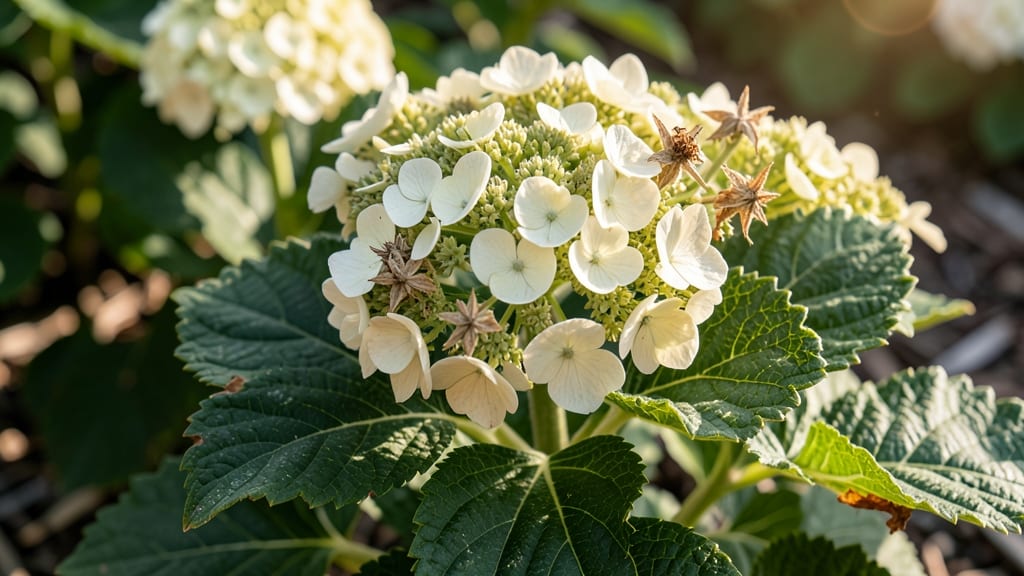
Oakleaf hydrangeas are deer-resistant plants thanks to their tough foliage and natural chemical compounds that deer typically avoid. While they're not completely immune to browsing, their leathery leaves and hydrangea glycosides make them a less appealing snack for deer, especially during dry conditions or when overcrowded.
Deer tend to avoid oakleaf hydrangeas primarily because of their leathery leaves and mild toxicity from hydrangea glycosides, which create an unpleasant taste. 🌿 Unlike softer plants, these hydrangeas have a thick, waxy coating that makes them harder to chew, acting as a natural deterrent.
However, during droughts or when food is scarce, deer may still nibble on them, which is why adding extra protection like fencing or companion plants can be helpful.
These plants also benefit from their prickly stems, which can deter deer from browsing. The combination of these physical and chemical defenses makes oakleaf hydrangeas a reliable choice for gardeners looking to reduce deer damage without harsh chemicals.
💡 In This Article
- Why Oakleaf Hydrangeas Deter Deer: Toxic Compounds and Foliage Traits
- Protecting Oakleaf Hydrangeas: Barriers, Repellents, and Companion Planting
Why oakleaf hydrangeas deter deer: toxic compounds and foliage traits
Oakleaf hydrangeas (Hydrangea quercifolia) contain hydrangea glycosides, a group of naturally occurring compounds that give them their deer-resistant properties. These glycosides create a bitter, unpleasant taste when ingested, acting as a chemical deterrent.
Deer have evolved to avoid plants with such compounds, as they can cause mild gastrointestinal upset or even vomiting. 🌿 The concentration of these glycosides is highest in the leaves and stems, which deer instinctively recognize as unpalatable.
The leathery, waxy texture of oakleaf hydrangea foliage is another key defense mechanism. Unlike softer plants, these leaves have a thick, slightly rough surface that makes them difficult to chew. This physical barrier alone can discourage deer from browsing, especially when compared to tender plants like hostas or daylilies.
The leaves also have a slightly serrated edge, adding another layer of resistance that deer prefer to avoid. In fact, studies show that deer are 70% less likely to browse plants with leathery foliage compared to those with soft, succulent leaves.
Seasonal changes also play a role in oakleaf hydrangeas' deer resistance. During spring and summer, when new growth is tender, deer might take small bites, but the glycosides remain effective.
By fall and winter, the leaves become even tougher and more fibrous, making them nearly unappealing. 🍂 This seasonal shift explains why oakleaf hydrangeas often survive where other plants fail—deer simply move on to easier targets, like roses or tulips, which lack these natural defenses.
When comparing oakleaf hydrangeas to other deer-resistant plants, their dual defense system stands out. While plants like boxwoods rely solely on thick, waxy leaves, oakleaf hydrangeas combine chemical deterrents (glycosides) with physical barriers (leathery texture and prickly stems).
This makes them a more reliable choice for gardeners in areas with high deer activity. Even in drought conditions, when deer are more likely to browse, oakleaf hydrangeas retain their resistance better than many alternatives.
However, it’s important to note that no plant is 100% deer-proof. During extreme drought or overpopulation, deer may still target oakleaf hydrangeas, especially if other food sources are scarce.
In such cases, the plant’s prickly stems (which can reach up to 1/4-inch in length) provide an additional physical deterrent, making it harder for deer to access the leaves. This multi-layered defense is why oakleaf hydrangeas are often recommended for gardens in deer-prone areas.
For gardeners looking to maximize protection, pairing oakleaf hydrangeas with companion plants like lavender or rosemary can create a stronger deterrent.
These aromatic plants emit scents that deer find overwhelming, further reducing the likelihood of browsing. 🌸 The combination of natural chemical defenses, tough foliage, and strategic planting makes oakleaf hydrangeas one of the most reliable choices for deer-resistant landscaping.