
Pests and Diseases
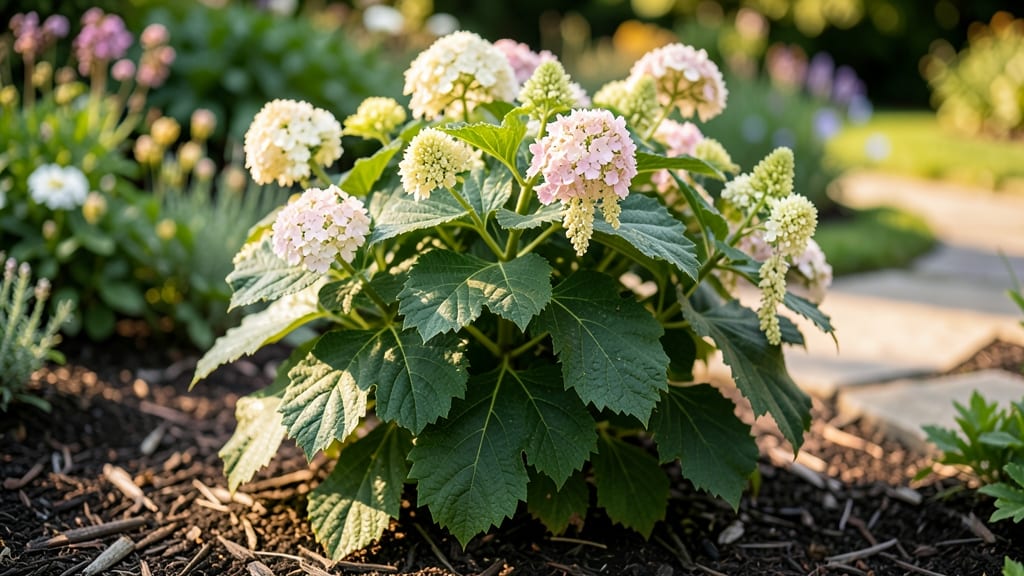
The oakleaf hydrangea leaf is the star of the show—deep green in summer, blushing burgundy in fall, and even holding onto its drama through winter. 🌿 I’ve watched mine transform my yard from ordinary to showstopper, and the secret lies in how you prune them.
Too aggressive, and you lose next year’s blooms; too gentle, and the plant gets leggy. Finding that sweet spot means understanding when to cut and what to look for in those stunning leaves.
The key to keeping those oakleaf hydrangea leaves vibrant starts with sunlight and soil. They thrive in partial shade but need at least 4-6 hours of morning sun to prevent scorched foliage. Amend your soil with compost—these plants love moist, well-draining conditions but hate soggy roots.
Water deeply once a week, and you’ll see those leaves stay lush and glossy all season long. The real magic happens in late winter or early spring, when the new growth emerges with a fresh, almost velvety texture.
Pruning isn’t just about shaping—it’s about preserving that leafy drama. Cut back old wood in late winter to encourage new growth, but leave some stems for those iconic fall colors.
The leaves themselves are the plant’s crowning glory: large, lobed, and deeply textured, they turn from summer green to fiery red and even bronze as temperatures drop. A well-pruned oakleaf hydrangea becomes a four-season statement piece, not just a summer shrub.
Even in colder zones, these leaves hold their color longer than most hydrangeas. Mulch around the base in fall to protect roots, and you’ll extend that seasonal show.
The payoff? A garden that feels alive year-round, with foliage that’s as striking as any flower. Ready to make yours the talk of the neighborhood?
📚 In This Guide
- What you need
- Instructions
- Tips and common mistakes
- Wrapping up and next steps
What you need
- ● Pruning shears – Bypass pruners (4-6" blades) for clean cuts (1 pair). Avoid anvil shears—they crush stems!
- ○ Loppers – For thicker branches (2-3" blades) (1 pair, optional for mature plants).
- ● Garden gloves – Heavy-duty, cut-resistant (1 pair) to protect from thorns and sap.
- ● Disinfectant (70% isopropyl alcohol or bleach solution) – 1 part bleach to 9 parts water to sterilize tools between cuts.
- ○ Sharpie marker or pruning sealant – For marking cuts (optional) if you’re training the plant.
- ○ Garden twine or plant ties – For supporting heavy branches (optional) post-pruning.
- ● Know your plant’s age – Oakleaf hydrangeas bloom on old wood (last year’s growth), so timing matters!
- ● Weather check – Prune on a dry, cloudy day to reduce stress on the plant.
- ○ Safety gear – Sunglasses and long sleeves (optional but recommended for sun protection).
- ● Cleanup supplies – Garden bag or bucket for debris (1-2 gallons capacity).
- ● 🔥 Test your tools first! Dull blades tear stems—sharpen or replace shears if needed.
- ● ✨ Label your cuts. If pruning for shape, mark branches with a Sharpie to track progress.
- ● 🌡️ Work in layers. Start with dead/diseased wood, then shape—never remove more than 1/3 of the plant at once.
Instructions for pruning oakleaf hydrangeas like a pro
Here’s how to keep your oakleaf hydrangea thriving with bold foliage and stunning blooms.
✂️ Step 1: Prune in Late Winter or Early Spring
Wait until after the last frost but before new growth begins—typically February to March in most climates. Oakleaf hydrangeas bloom on old wood, so pruning too early risks cutting off next year’s flowers. Look for dormant buds swelling along the stems; that’s your cue to start.
Grab your pruners and remove any dead, crossing, or weak branches first. These are easy to spot—they’re brown, brittle, or growing inward. Cut just above a outward-facing bud or leaf node to encourage healthy regrowth. Think of it as decluttering before the plant wakes up for spring.
☀️ Step 2: Shape for Year-Round Interest
Oakleaf hydrangeas shine with their fall foliage as much as their summer blooms. After removing dead wood, step back and assess the plant’s natural shape. You want an open, airy structure that lets light reach the center—this prevents fungal issues and encourages vibrant leaves.
Trim back any overly long branches by one-third to maintain balance. Focus on branches that spoil the plant’s rounded silhouette. For a fuller look, leave some branches longer to create layers. Oakleaf hydrangeas have exfoliating bark that adds winter interest, so avoid over-pruning older stems.
🌿 Step 3: Lighten Up for Better Airflow
Thinning is key—remove every third branch from the center to improve airflow. This prevents powdery mildew and keeps leaves looking crisp. Start at the base and work outward, cutting back to a strong lateral branch or bud. You’ll know you’re doing it right when you can see light filtering through the plant.
If your hydrangea has leggy growth, prune those branches back harder to encourage bushier regrowth. Leggy stems often appear when the plant gets too much shade or fertilizer. After trimming, step back again—your goal is a balanced, open canopy that’s easy to care for.
⏰ Step 4: Summer Maintenance for Fall Color
After the initial prune, your oakleaf hydrangea will focus on producing lush foliage and blooms. In late summer, if the plant looks crowded, do a light trim to remove any spent flowers (deadheading) and any branches growing inward. This keeps energy flowing to the leaves, which turn stunning shades of red, orange, and purple in fall.
Water deeply after pruning to help the plant recover. Oakleaf hydrangeas love moisture but hate soggy roots, so aim for 1-2 inches of water per week. Mulch around the base with 2-3 inches of organic mulch to retain moisture and protect roots from temperature swings.
🌱 Step 5: Winter Prep for Next Season
Once fall colors fade, remove any remaining dead blooms but leave the foliage until late winter. The dried leaves add winter interest and protect the plant from cold snaps. In very cold climates (Zone 5 and below), wrap young plants with burlap or use a thick layer of mulch to insulate roots.
Prune again in early spring if needed, but resist the urge to overdo it. Oakleaf hydrangeas reward patience—let them grow naturally, and you’ll get bold foliage, abundant blooms, and year-round drama with minimal effort.
Tips & tricks for perfect oakleaf hydrangea pruning
These simple tricks will help you transform your oakleaf hydrangea into a year-round showstopper with minimal effort.
Timing is Everything: The February to March window is critical because oakleaf hydrangeas bloom on old wood. I've learned the hard way that pruning too early can mean losing next year's flowers entirely. Look for those swollen buds—your visual cue that the plant is ready. If you're unsure, err on the side of waiting a few extra days rather than risking cutting off potential blooms.
Pruning Technique That Changed Everything: When cutting branches in Step 1, always make your cuts just above an outward-facing bud or leaf node. This simple technique ensures new growth will face outward, creating that lush, rounded shape we all love. I used to cut randomly, and my hydrangeas always ended up looking messy. Now they're perfectly shaped every year!
Airflow Secret: That "every third branch" rule in Step 3 isn't arbitrary—it's about creating a balanced, open structure. I've found that when you can see light filtering through the center, you're doing it right. This airflow prevents fungal issues and keeps leaves looking crisp all season. Think of it as giving your plant a breath of fresh air!
Winter Prep Wisdom: In colder climates (Zone 5 and below), don't skip the burlap wrapping or extra mulch. I've seen young plants suffer from winter burn when they're not properly protected. That 2-3 inches of organic mulch acts like a cozy blanket for the roots, keeping them warm through those cold snaps.
Pro Tips for Oakleaf Hydrangea Leaf
- These simple tricks will help you transform your oakleaf hydrangea into a year-round showstopper with minimal effort.
- Timing is Everything: The February to March window is critical because oakleaf hydrangeas bloom on old wood.
- Pruning Technique That Changed Everything: When cutting branches in Step 1, always make your cuts just above an outward-facing bud or leaf node.
Frequently asked questions
When is the best time to prune oakleaf hydrangea leaves for healthy growth?
Prune your oakleaf hydrangea in late winter or early spring (before new growth starts) to avoid cutting off next year’s blooms. If you spot dead or diseased leaves anytime, remove them immediately. Pro tip: Never prune in fall—it can stimulate tender new growth that won’t survive winter!
Can I prune oakleaf hydrangea leaves in summer? What if they look messy?
Summer pruning is only for cleanup—never to shape or reduce size. Trim only dead, yellowed, or pest-damaged leaves to keep the plant tidy. Avoid heavy pruning now, as it can stress the plant and reduce fall color. Wait until winter for major shaping!
Why are my oakleaf hydrangea leaves turning brown or curling? Is it pests or disease?
Brown or curled leaves often signal hydrangea leaf tier (a pest) or powdery mildew (a fungus). Check undersides for tiny worms (tier) or white powder (mildew). Treat pests with neem oil; for mildew, improve airflow and spray with a fungicide. Act fast! Neglected issues can kill the plant.
Do oakleaf hydrangeas need winter protection for their leaves?
Mature oakleaf hydrangeas are hardy to USDA Zone 5 and usually don’t need winter wraps. However, young plants or those in colder microclimates benefit from a light mulch layer (2-3 inches) around the base. Avoid piling mulch against stems—it traps moisture and causes rot.
Can I use oakleaf hydrangea leaves in floral arrangements or dried crafts?
Oakleaf hydrangea leaves are sturdy and long-lasting—perfect for dried arrangements or pressed crafts. Harvest leaves in early fall when they’re at peak color. Hang them upside down in a dry, dark place for 2-3 weeks to dry completely. Bonus: Their unique shape adds texture to wreaths or potpourri!
What’s the difference between pruning oakleaf hydrangea vs. bigleaf hydrangea?
Oakleaf hydrangeas bloom on both old and new wood, so prune lightly to shape. Bigleaf hydrangeas (like ‘Endless Summer’) bloom only on new wood, so you can prune more aggressively in late winter. Oakleaf’s dramatic fall foliage is its star—never cut back more than 1/3 of the plant!
Wrapping up and next steps
Mastering the art of pruning your oakleaf hydrangea transforms it into a stunning, year-round showstopper—whether it’s vibrant blooms in summer or fiery foliage in fall. With the right tools, timing, and techniques, you’ve got everything you need to keep your plant thriving and pest-free.
Now’s your chance to step into the role of a hydrangea whisperer—confidently shape its future with every snip!
Ready to put your new skills to work? Grab those pruners and give your oakleaf hydrangea the love it deserves—your garden (and future neighbors admiring your greenery!) will thank you. 🌿✨