
How To
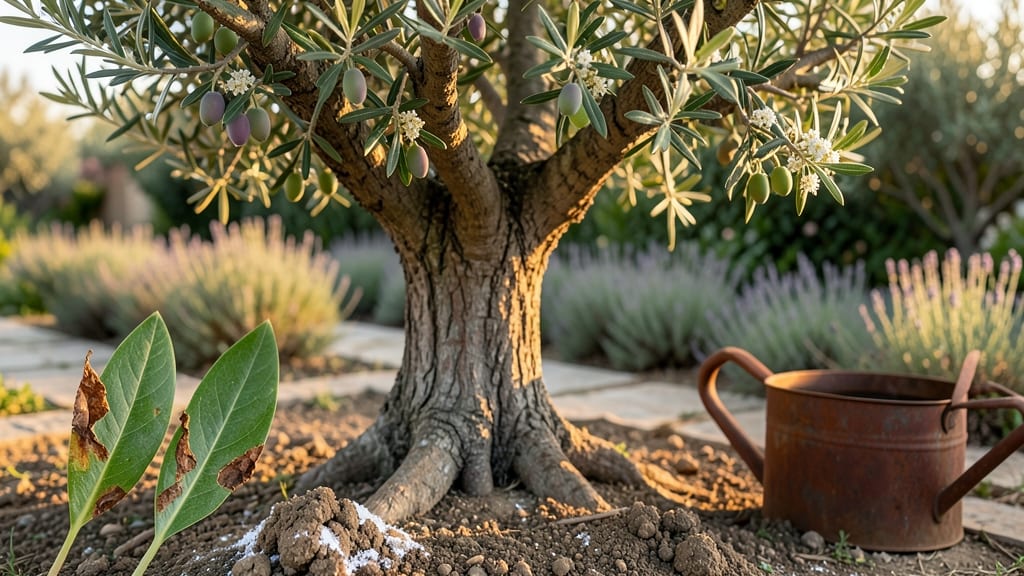
Your olive tree’s brown leaf tips could be a fungal spot problem—copper spray is the game-changer. 🌿 I’ve seen this issue turn into a full-blown crisis when ignored, but with the right approach, those crispy edges disappear within weeks.
The key is identifying whether it’s fungal, environmental, or a nutrient issue first.
Start by checking the soil—dry as a bone or soggy? Both extremes stress olives. Then flip those leaves: fungal spots show up as dark speckles on the undersides, while windburn looks like torn edges.
If copper spray’s your go-to, mix it in the evening to avoid leaf scorch and apply when leaves are dry.
You’ll notice new growth within 2-3 weeks—lush, green, and free of those ugly brown tips. The secret’s consistency: reapply copper spray every 10-14 days until the problem fades. For extra defense, prune affected branches to improve airflow and reduce humidity where fungi love to hide.
Works for both potted and in-ground olives, no matter your climate. The fix isn’t just about stopping the spread—it’s about giving your tree the chance to thrive again. Let’s get those leaves looking healthy.
Root Causes Behind Olive Tree Stress
When your olive tree’s leaves start showing those unsightly brown tips, it’s usually a cry for help from the plant itself. Understanding the why behind this stress is the first step to restoring your tree’s health.
Below, we break down the most common culprits—each with a clear scientific explanation and actionable insights to address them.
Olive trees are drought-tolerant natives of the Mediterranean, meaning they thrive in well-drained soil with infrequent watering. When roots sit in soggy conditions—whether from overzealous watering or compacted, clay-heavy soil—they struggle to absorb oxygen.
This leads to root rot (often caused by Phytophthora fungi), which starves the tree of nutrients and causes leaf tips to brown as a stress response.
🔍 How to spot it:
- Yellowing leaves paired with brown tips (a classic "iron deficiency" mimic).
- Mushy, blackened roots when inspected.
- Soil that stays damp for days after watering.
💡 Fix it:
- Adjust your watering schedule: Water deeply but infrequently—only when the top 2–3 inches of soil are dry.
- Amend heavy clay soil with gritty materials like perlite, coarse sand, or pumice to improve drainage.
- Ensure pots have drainage holes and elevate them slightly to prevent water pooling.
Olive trees love sunlight, but intense afternoon sun or drying winds can cause leaf edges to crisp and brown—a condition called sun scorch. This happens when water evaporates faster than the roots can replace it, leading to cellular dehydration and browning at the leaf margins.
🔍 How to spot it:
- Brown tips on leaves exposed to direct sun (often the southwest-facing side of the tree).
- Leaves may feel papery or brittle to the touch.
- New growth is stunted or curled.
💡 Fix it:
- Provide afternoon shade (30–50% shade cloth) during peak summer heat.
- Mulch the base of the tree with 2–3 inches of wood chips to retain soil moisture.
- Prune to improve airflow and reduce wind exposure, especially for container-grown trees.
Fungal diseases like Peacock Spot (Deuterophoma tracheiphila) or Olive Leaf Spot (Cycloconium oleaginum) thrive in warm, humid conditions and cause brown, irregularly shaped spots with yellow halos. These pathogens clog the leaf’s stomata (pores), disrupting water and nutrient flow, which manifests as brown tips.
🔍 How to spot it:
- Small, dark brown spots with feathery edges (Peacock Spot) or purple-brown spots (Leaf Spot).
- Leaves may drop prematurely or develop a velvety mold on the underside.
- Wet foliage for prolonged periods (e.g., morning dew + no airflow).
💡 Fix it:
- Apply a copper fungicide spray (like Bordeaux mixture or copper hydroxide) every 2–3 weeks during wet seasons.
- Prune and remove infected leaves (sterilize pruners with rubbing alcohol between cuts).
- Improve air circulation by spacing trees 8–10 feet apart and thinning dense foliage.
Brown leaf tips can also signal a mineral imbalance, particularly potassium (K), magnesium (Mg), or iron (Fe) deficiencies. These nutrients are crucial for cell membrane integrity and chlorophyll production.
| Deficiency | Symptoms | Actionable Fix |
|---|---|---|
| Potassium (K) | Brown, crispy tips on older leaves; weak stems. | Apply a balanced fertilizer (e.g., 10-10-10) in early spring. Use wood ash (sparingly) for a potassium boost. |
| Magnesium (Mg) | Brown spots between leaf veins (interveinal chlorosis). | Spread Epsom salt (magnesium sulfate) around the base (1 tbsp per gallon of water, monthly). |
| Iron (Fe) | Young leaves turn yellow with brown edges (similar to overwatering but affects new growth). | Use a chelated iron supplement (like iron EDTA) and ensure soil pH is 6.0–7.5 (test with a kit). |
💡 Pro tip: If your soil is alkaline (pH >7.5), iron and manganese become unavailable to the tree. Amend with elemental sulfur or peat moss to lower pH gradually.
Insects like scale, spider mites, or aphids pierce leaves to feed on sap, injecting toxins that cause browning and curling at the leaf margins. Heavy infestations weaken the tree, making it susceptible to secondary fungal infections.
🔍 How to spot them:
- Scale: White, brown, or black bumps on stems/leaves (like tiny shells).
- Spider mites: Fine webbing on undersides + stippled, bronze-colored leaves.
- Aphids: Sticky honeydew residue on leaves (leads to sooty mold).
💡 Fix it:
- Blast pests off with a strong stream of water (early morning).
- Apply neem oil or insecticidal soap (repeat every 7–10 days).
- Introduce beneficial predators like ladybugs or lacewings for natural control.
Olive trees are sensitive to salt buildup (from tap water, fertilizers, or coastal spray) and chemical residues (like herbicides or harsh cleaners). Excess salts disrupt the tree’s ability to absorb water, causing leaf tips to brown and curl.
Fixing Olive Tree Leaf Issues
Now that you understand the root causes behind those frustrating brown leaf tips on your olive tree, let’s tackle the solutions! Each problem requires a slightly different approach, but the good news is that most fixes are straightforward and effective.
Below, we’ve mapped out practical, step-by-step remedies for the most common culprits—plus prevention tips to keep your tree thriving.
Fix: Adjust your watering habits and improve soil aeration.
- Step 1: Let the Soil Dry Out 💧 Stop watering immediately and allow the top 2–3 inches of soil to dry completely before adding more water. Olive trees prefer dry conditions—overwatering suffocates roots and leads to fungal infections.
- Step 2: Check Drainage 🏗️ If your pot has drainage holes, ensure they’re not clogged. For in-ground trees, amend heavy or compacted soil with perlite, sand, or gravel to improve airflow.
- Step 3: Repot if Needed 🌱 If roots are circling or the soil is waterlogged, repot into a container with well-draining cactus/succulent mix. Avoid peat-heavy soils—they retain too much moisture.
💡 Prevention Tip: Water deeply but infrequently—once every 1–2 weeks in summer, less in winter. Stick your finger in the soil: if it’s damp past 2 inches, wait before watering again.
Fix: Shield your tree from harsh afternoon sun and boost its resilience.
- Step 1: Provide Afternoon Shade 🌳 Move potted olives to a spot with morning sun and afternoon shade, especially in scorching climates. Use a light shade cloth (30–50%) if direct sun is unavoidable.
- Step 2: Mulch the Base 🌿 Apply a 2–3 inch layer of straw or wood chips around the trunk (but not touching it) to insulate roots and retain moisture.
- Step 3: Gradual Acclimation 🌱 If your tree is new to full sun, harden it off over 2 weeks by slowly increasing sunlight exposure.
🔥 Pro Tip: Olive trees love heat but hate sudden temperature swings. Avoid placing them near heaters, AC vents, or cold drafts.
Fix: Treat with copper-based fungicides and improve air circulation.
- Step 1: Prune Infected Leaves ⚔️ Remove all brown or spotted leaves and dispose of them in the trash (not compost). Sterilize pruners with rubbing alcohol to prevent spread.
- Step 2: Apply Copper Spray 🛡️ Use a copper fungicide (like Copper Soap or Bordeaux Mixture) every 7–10 days for 3–4 weeks. Follow label instructions—overuse can harm the tree. DIY Option: Mix 1 tsp copper sulfate + 1 gallon water + a drop of dish soap (as a spreader-sticker).
- Step 3: Boost Airflow 🌬️ Thin out dense foliage and space trees 6–8 feet apart to reduce humidity. Avoid overhead watering—use drip irrigation instead.
🌡️ Prevention Tip: Fungus thrives in wet, stagnant conditions. Water early in the day so leaves dry quickly, and avoid wetting foliage during irrigation.
Fix: Amend soil and use targeted fertilizers. - Step 1: Test Your Soil 📊 Use a home soil test kit to confirm deficiencies.
Olive trees often lack iron (chlorosis) or zinc (leaf browning). - Step 2: Apply Chelated Iron/Zinc 💊 For iron deficiency, use iron chelate (follow package rates).
For zinc, try a zinc sulfate spray (mix 1 tsp per gallon of water). - Step 3: Fertilize Smartly 🌿 Use a balanced, slow-release fertilizer (like 6-6-6) in early spring. Avoid high-nitrogen fertilizers—they encourage leafy growth at the expense of fruit and stress the tree.
✨ Pro Tip: Olive trees are light feeders. Over-fertilizing causes salt buildup, which worsens leaf burn. Stick to 2–3 applications per year.
Fix: Isolate, clean, and treat with natural or chemical controls. - Step 1: Isolate the Tree 🏝️ Move potted olives away from other plants to prevent pest spread.
For in-ground trees, prune and bag infested branches. - Step 2: Blast Off Pests 💦 Scale insects: Wipe off with a soapy water spray (1 tsp mild soap + 1 quart water).
Repeat weekly. Spider mites: Spray with neem oil (1 tbsp per gallon) or water + dish soap (1 tsp per quart). Test on a small area first. - Step 3: Introduce Beneficial Insects 🐞 Release ladybugs or lacewings (available at garden centers) to prey on mites naturally.
🎯 Prevention Tip: Keep your olive tree stress-free—healthy trees repel pests better! Ensure proper watering, sunlight, and pruning.
To keep brown leaf tips at bay, follow this quick maintenance guide:
- Water wisely – Deep but infrequent.
- Prune properly – Remove dead/diseased branches in late winter/early spring.
- Monitor pests – Inspect leaves weekly during growing season.
- Fertilize lightly – Once or twice a year with balanced fertilizer.
- Watch the weather – Protect from freezes (below 20°F) and scorching sun.
By addressing the specific cause of your olive tree’s brown leaf tips, you’ll see noticeable improvement in 4–6 weeks. Consistency is key—stick with the fixes, and your tree will reward you with lush, vibrant foliage and bountiful olives! 🌿🍅
Frequently asked questions
Why do olive tree leaves turn brown at the tips first?
Brown leaf tips appear first because they’re the most vulnerable part of the leaf. When your olive tree struggles with water stress (either too much or too little), minerals like potassium or magnesium, or environmental factors like windburn, the leaf margins dry out faster than the center. Think of it like how your fingers get pruney in water—the edges are most sensitive.
Can I save my olive tree if half the leaves are brown?
Yes, but act fast! If only the tips are brown, your tree is likely stressed but still salvageable. Prune affected leaves immediately, adjust watering (deep but infrequent), and apply a balanced fertilizer. For severe cases where leaves are mostly brown, focus on fixing the root cause—often it’s fungal infection or root rot. With proper care, new growth should appear within 4-6 weeks.
How often should I apply copper spray for fungal issues?
Start with a copper fungicide spray every 7-10 days for 3-4 weeks, then switch to monthly applications during humid seasons. Always apply in the evening when leaves are dry to prevent leaf scorch. For prevention, a single application before rainy seasons can help. Never exceed recommended rates—overuse can damage your tree.
Is it safe to use Epsom salt on olive trees?
Yes, but use it correctly! Mix 1 tablespoon of Epsom salt per gallon of water and apply monthly during growing season to address magnesium deficiencies. However, never apply undiluted salt directly to soil or leaves—it can cause salt buildup. Olive trees prefer well-draining soil, so always water thoroughly after application to prevent root damage.
What's the fastest way to tell if my olive tree has root rot?
Check for these signs: yellowing leaves with brown tips, mushy black roots when gently pulled apart, and soil that stays damp for days. The fastest test is the "finger check"—stick your finger 2-3 inches deep into the soil. If it feels soggy and smells foul, you likely have root rot. For potted trees, lift the container to check for water pooling at the bottom.