
Leaf Blower
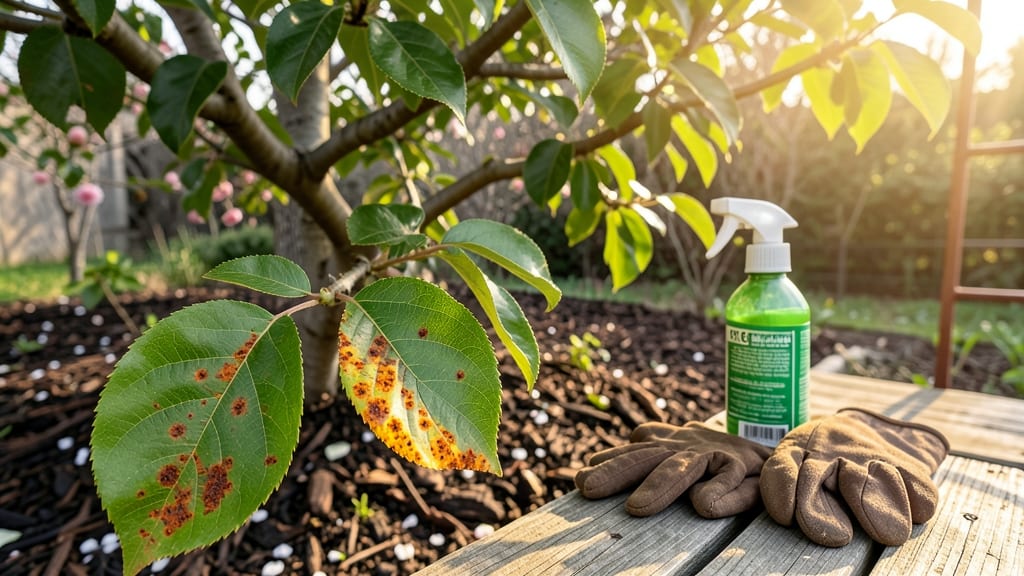
Peach leaf rust turns your tree’s crispy edges into a fungal battleground. 🌿 Those telltale orange pustules and curled leaves aren’t just unsightly—they’re a sign Tranzschelia discolor is feasting on your peach tree’s health.
I’ve battled this myself, and copper fungicide isn’t just a cure—it’s the first line of defense when other methods fail.
The problem starts with fungal spores hitching rides on wind or splashing rain, then burrowing into leaves to steal nutrients. Left unchecked, rust weakens branches and slashes fruit production by up to 50%.
The good news? Copper sprays disrupt the fungus’s life cycle, and proper pruning removes infected leaves before spores spread further.
By the time you see those crispy edges, it’s already too late for prevention—but a two-step approach (copper spray + sanitation) can revive your tree. I’ll walk you through the exact timing, application rates, and organic alternatives that actually work, so you’re not just treating symptoms, you’re stopping the cycle.
This works for home orchards, backyard peach trees, and even container-grown varieties. Let’s get your tree back to producing lush, healthy foliage—and those sweet, juicy peaches you planted it for.
Fungal Foes Behind Leaf Spots
Peach leaf rust isn’t just a random bad luck scenario—it’s a highly predictable battle between your trees and a group of sneaky fungal pathogens. Understanding the why behind this damage is the first step to stopping it in its tracks.
Let’s break down the key triggers that turn lush green leaves into a rust-colored disaster zone.
The primary culprit behind leaf rust is a group of fungi from the Tranzschelia genus, which thrive in peach orchards. These fungi produce tiny, orange-brown spores that hitch rides on wind currents, rain splashes, or even tools and clothing.
Once airborne, they’re highly contagious—landing on leaves, germinating, and spreading within 24 to 48 hours under the right conditions.
Why it happens:
- ✅ Warm, humid weather (60–80°F) is ideal for spore germination and growth.
- ✅ Overhead irrigation or frequent rain keeps leaves wet, creating a fungal spa for spores.
- ✅ Crowded orchards with poor airflow trap spores near leaves, increasing infection rates.
Actionable insight: Monitor weather forecasts and prune for airflow to reduce spore spread. 🌡️
Healthy peach trees have natural resistance mechanisms, but stress weakens their armor. When trees are nutrient-deficient, drought-stressed, or overworked, they become easy targets for fungal invaders.
Why it happens:
- ✅ Nitrogen deficiency – Leaves lose vigor, making them less able to fend off pathogens.
- ✅ Waterlogged roots – Poor drainage starves roots of oxygen, crippling the tree’s immune response.
- ✅ Recent pruning or injury – Open wounds create entry points for spores.
- ✅ Over-fertilization – Too much salt or synthetic fertilizer can burn roots, stressing the tree.
Actionable insight: Conduct a soil test and adjust nutrients to keep trees strong and resilient. 💪
Fungal spores don’t just want to infect your peach leaves—they need the right weather to do so. Leaf rust thrives when these conditions align:
| Factor | Why It Matters | Actionable Fix |
|---|---|---|
| 🌡️ Temperature | Ideal range: 60–80°F. Cooler temps slow growth; hotter temps (<90°F) can kill spores but may also stress trees. | Use shade cloth in extreme heat to protect trees. |
| 💧 Humidity & Rain | High humidity (70%+) and leaf wetness for 9+ hours trigger spore germination. | Install drip irrigation (avoid overhead watering) and improve drainage. |
| 🌬️ Wind & Airflow | Still, humid air traps spores near leaves. Wind can spread spores faster but also dries leaves, slowing growth. | Prune for open canopy and use windbreaks if needed. |
Pro tip: Use a spore trap or weather station to track conditions and time treatments for maximum effectiveness. ⏰
Now that you know why rust takes hold, the next step is how to stop it. Stay tuned for copper fungicide strategies and organic alternatives to protect your peach trees! 🍑✨
Quick Fixes for Fungal Leaf Spots
Fungal leaf spots—like the dreaded peach leaf rust—can turn your once-vibrant trees into a patchwork of discolored, weakened foliage. But don’t panic! With the right approach, you can reverse the damage and prevent future outbreaks.
Below, we break down practical, step-by-step solutions tailored to the root causes of fungal infections, from organic fixes to chemical defenses. Plus, we’ll share prevention tips to keep your peach trees thriving for years.
The first line of defense? Stop the spread by eliminating infected leaves. Fungal spores love clinging to old, diseased foliage and can overwinter in your yard, ready to reinfect next season.
- How to do it:
- Use sterilized pruners (wipe with rubbing alcohol) to snip off severely spotted leaves.
- Bag and dispose of the debris in the trash—do not compost it.
- For heavy infestations, rake up all fallen leaves from under the tree.
- Pro tip: 💡 If you’re dealing with a large tree, wear gloves and a mask to avoid inhaling spores.
Overhead watering is a fungal magnet—it keeps leaves damp for hours, creating the perfect breeding ground for rust and other diseases. Switch to drip irrigation or soaker hoses to keep the soil moist, not the leaves.
- Best practices:
- Water early in the morning (before 10 AM) so leaves dry quickly.
- Avoid late-afternoon watering, which prolongs moisture on foliage.
- Space waterings—deep, infrequent watering encourages strong roots that resist stress (and fungi!).
- Pro tip: 🌡️ If humidity is high, prune for airflow—thin out dense branches to let sunlight and air circulate.
Copper fungicides are FDA-approved for organic farming and work by disrupting fungal cell walls. They’re especially effective against peach leaf rust (Tranzschelia discolor) and can be used preventively or as a cure.
- When to apply: - Preventive: Spray before bud break (early spring) and every 7–14 days during wet seasons. - Curative: Treat at the first sign of yellow spots (rust pustules) for best results. - How to apply: - Mix copper sulfate or copper hydroxide (follow label rates—usually 1–2 lbs per 100 gallons of water). - Spray thoroughly on both leaf surfaces, including the undersides (where spores often hide). - Reapply after rain—copper washes off easily. - Pro tip: ✨ For extra protection, alternate with a neem oil spray (1 tsp neem oil + 1 tsp mild soap per quart of water).
Neem disrupts fungal spores naturally.
Healthy trees fight off diseases better. Boost your peach tree’s immunity with these low-effort, high-impact strategies:
| Weakness | Fix It With | How to Do It |
|---|---|---|
| Poor nutrition | Balanced fertilizer (high in potassium) | Apply 5-10-10 in early spring; avoid excess nitrogen. |
| Compaction | Mulch + aeration | Add 2–3 inches of wood chips, keep 6” away from trunk. |
| Weak roots | Deep watering + mycorrhizal fungi | Use a root booster (like Mycorrhizal Inoculant) at planting. |
| Pests (aphids, mites) | Neem oil or insecticidal soap | Spray weekly during outbreaks to prevent fungal hitchhikers. |
- Pro tip: 💪 Avoid fresh manure near peach trees—it can burn roots and stress the plant, making it more susceptible to rust.
An ounce of prevention is worth a pound of cure! Follow this year-round checklist to keep rust at bay:
- Sanitize tools 🔪—Wipe pruners with bleach water (1:10 ratio) between uses.
- Plant resistant varieties 🌱—Look for peach cultivars like ‘Redhaven’ or ‘Elberta’ with rust-resistant traits.
- Monitor weather 🌦️—Rust thrives in wet, warm springs. Set up weather alerts to spray copper before rain.
- Rotate fungicides 🔄—If you use copper, alternate with sulfur or potassium bicarbonate to prevent resistance.
- Test soil pH 📊—Peach trees prefer 6.0–7.0 pH. Too acidic? Add lime to reduce fungal activity.
Final note: Consistency is key! Fungal diseases like rust won’t disappear overnight, but with regular pruning, smart watering, and copper treatments, you’ll see healthier leaves in just a few weeks. 🌿💚
Frequently asked questions about peach leaf rust
What do peach leaf rust pustules look like?
Peach leaf rust pustules appear as tiny, orange-brown bumps on leaf undersides that eventually turn black and burst open, releasing spores. On top surfaces, you’ll see yellow spots that curl upward. These pustules are the fungus’s spore-producing factories—once you spot them, act fast to prevent spread.
Can copper fungicide harm my peach tree?
When used correctly, copper fungicides are safe for peach trees. The key is proper dilution (1–2 lbs per 100 gallons) and avoiding application during hot, sunny days (can cause leaf burn). Always test a small branch first and rinse off any runoff from trunks or soil.
How often should I prune infected leaves?
Remove severely infected leaves immediately—don’t wait for them to fall naturally. For heavy infestations, prune every 2–3 weeks during growing season, always using sterilized tools. Focus on lower branches first, as spores settle there and spread upward.
Will peach leaf rust kill my tree?
While peach leaf rust won’t kill a healthy tree, it can severely weaken it over time by reducing photosynthesis. Chronic infections lead to poor fruit production and branch dieback. The good news? Aggressive treatment (copper sprays + sanitation) can fully restore tree health within 1–2 seasons.
Are there organic alternatives to copper?
Yes! Try neem oil (1 tsp + mild soap per quart of water) or baking soda spray (1 tbsp baking soda + 1 tsp oil per gallon). These disrupt fungal growth naturally. For best results, alternate with copper treatments—neem works preventively while copper stops active infections.