
Pests and Diseases
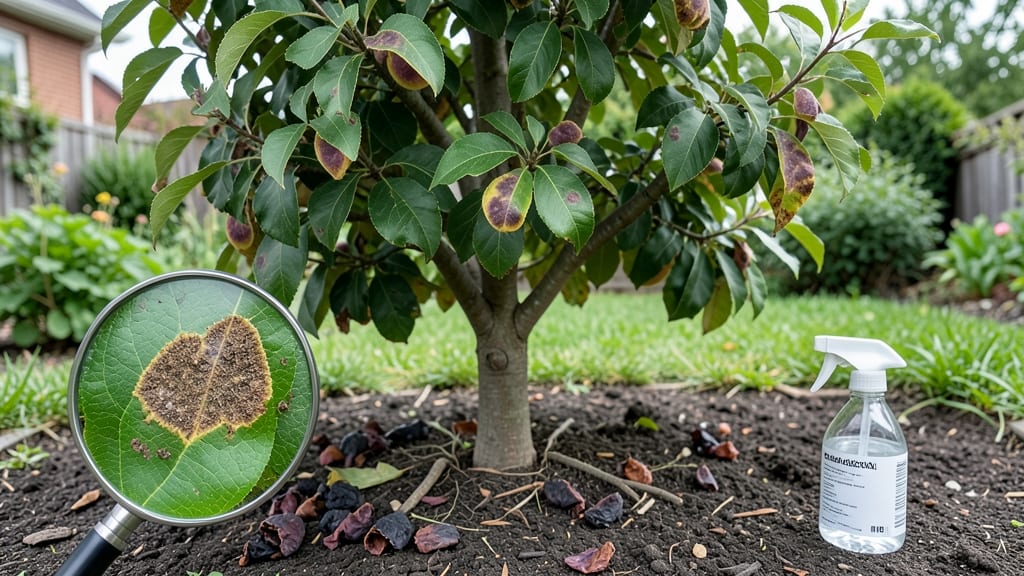
When your peach tree’s leaves start looking like they’ve been peppered with rust, peach leaf spot is the likely culprit—and copper spray is your fastest cure. 🌱 I’ve watched this fungal disease turn vibrant green foliage into a patchwork of brown spots in just weeks, but a few targeted sprays can turn things around before it spreads to the fruit.
The problem starts with wet spring weather and lingering leaf litter, creating the perfect breeding ground for the fungus. Those dark, circular spots you see? They’re not just unsightly—they weaken the tree, reduce fruit production, and can even kill branches if left unchecked.
The good news? Copper fungicides are organic, effective, and approved for home use.
With proper timing—spraying at bud break and again after rain—and consistent cleanup of fallen leaves, you’ll see new growth emerge strong and spot-free within weeks. The key is acting fast before the disease takes hold, and I’ll walk you through the exact steps to save your tree.
This method works for home orchards, backyard peach trees, and even container-grown varieties. Let’s get those leaves healthy again before the spots spread further.
Fungal Foes Behind Leaf Spots
Peach trees are stunning when healthy, but their leaves can quickly turn into a sad, spotted mess if the wrong fungus gets cozy. Understanding why these spots appear is the first step to stopping them in their tracks.
The culprits? A few sneaky fungi that thrive in specific conditions—let’s break them down.
The fungus responsible for peach leaf spot—primarily Cladosporium carpophilum—loves moisture. When leaves stay damp for long periods (think rain, morning dew, or poor airflow), fungal spores germinate like popcorn. Here’s why it’s a problem:
- Spores need water: Fungal spores require a thin film of water to activate and infect leaf tissue. Even light rain or overhead irrigation can trigger outbreaks.
- Slow-drying leaves = more damage: Thick foliage or crowded branches trap humidity, giving the fungus extra time to spread before leaves dry out.
- Warm, wet weather = perfect storm: Temperatures between 60–85°F (15–30°C) with high humidity create ideal conditions for rapid fungal growth.
💡 Pro Tip: If your peach tree’s leaves stay wet for more than 6–8 hours, the risk of infection skyrockets. Prune for airflow and avoid watering leaves directly.
A stressed peach tree is like an open invitation for fungi. When trees struggle, their defenses drop, making them prime targets. Common stressors include:
| Stressor | Why It Matters |
|---|---|
| 🌞 Too much sun or drought | Weakens leaves, reducing their ability to resist fungal invasion. |
| 🍄 Previous fungal infections | Lingering spores in soil or old leaf debris reinfect new growth. |
| ⚡ Nutrient deficiencies | Low nitrogen or zinc makes leaves thin and vulnerable. |
| 🪰 Physical damage (hail, pests) | Open wounds let fungi slip in like uninvited guests. |
✨ Actionable Fix: Boost tree health with balanced fertilizer (high in nitrogen early in the season) and mulch to retain moisture without suffocating roots.
Peach trees need room to breathe—literally. When branches grow too densely or shade blocks airflow, humidity lingers, and fungal spores thrive. Here’s how it happens:
- Crowded canopies: Overgrown trees trap moisture, creating a fungal paradise.
- Shady spots: Low light slows leaf drying, extending the window for infection.
- Old leaf litter: Debris on the ground harbors spores that splash onto fresh leaves during rain.
🔥 Quick Fix: Prune in late winter to open the canopy, and rake up fallen leaves to break the fungal cycle.
Now that you know the why, the next step is stopping the spread—starting with copper-based treatments that smother spores before they take hold.
Quick Fixes for Fungal Tree Foes
Fungal infections like peach leaf spot can turn your lush orchard into a sad, spotted mess—but don’t panic! With the right approach, you can stop the spread, heal your trees, and prevent future outbreaks before they take hold.
Below, we’ve mapped out practical, step-by-step solutions tailored to the root causes of leaf spot, from fungal buildup to poor air circulation. Grab your tools, and let’s get those peach trees thriving again!
Cause: Fungal spores thrive in damp conditions, especially when leaves stay wet for long periods. Solution:
- Switch to drip irrigation 💧—delivers water directly to roots, keeping foliage dry.
- Water early in the day (before 10 AM) so leaves dry by evening.
- Avoid overhead sprinklers—they mimic rain, creating the perfect fungal buffet.
💡 Pro Tip: If you must use sprinklers, aim for short bursts (10–15 minutes) and stop by mid-morning.
Cause: Fungal spores (like Cladosporium or Cercospora) need a chemical deterrent to back off. Solution:
- Apply copper fungicide (like copper hydroxide or copper sulfate) at first sign of spots—don’t wait!
- Mix 1–2 tbsp of copper fungicide per gallon of water (follow label instructions).
- Spray thoroughly on both sides of leaves, including stems and fruit clusters.
- Reapply every 7–14 days during wet or humid spells (or as directed on the product).
- Best timing: Early morning or late afternoon to avoid leaf burn from sunlight.
⚠️ Warning: Wear gloves and a mask—copper can irritate skin and lungs. Never spray when rain is forecasted within 24 hours.
Cause: Crowded branches trap moisture and spores, creating a fungal paradise. Solution:
- Thin out dense foliage 🌿—remove 1/3 of the smallest branches to improve airflow.
- Focus on the center of the tree where branches overlap.
- Clean up fallen leaves—they’re spore hotels! Bag and compost them separately (or toss them).
💡 Pro Tip: Prune during dry weather to avoid spreading spores. Sterilize pruners with rubbing alcohol between cuts.
If copper feels too harsh, try these natural alternatives (best for early-stage infections): - Baking soda spray (1 tbsp baking soda + 1 tsp oil + 1 tsp dish soap per gallon of water).
Spray leaves every 10–14 days. - Neem oil (1 tsp neem oil + 1 tsp mild soap per quart of water). Disrupts fungal growth and deters pests. - Compost tea (rich in beneficial microbes). Strengthens tree immunity—brew and spray weekly.
✨ Bonus: Mix 1 part milk with 9 parts water (the proteins fight fungi!). Test on a small leaf first.
Cause: Spots spread like wildfire—one infected leaf = hundreds of spores. Solution:
- Pick off spotted leaves 🍃 as soon as you see them (wear gloves!).
- Drop them in a sealed bag (not the compost bin!) and dispose of them in the trash.
- Rake up fallen leaves regularly—don’t let them pile up under the tree.
💡 Pro Tip: If spots appear on fruit, remove the peaches immediately—they won’t recover, and spores will spread.
Stop fungal attacks before they start with this year-round strategy:
| Season | Action | Why It Works |
|---|---|---|
| Winter | Clean up debris and remove mummified fruit. | Eliminates overwintering spores. |
| Early Spring | Apply dormant oil spray (or copper) before buds swell. | Kills fungal spores hiding in bark. |
| Growing Season | Monitor leaves weekly—catch spots early! | Early treatment = less damage. |
| Fall | Prune and sterilize tools after harvest. | Reduces next year’s spore load. |
Final Thought: Consistency is key! Fungal diseases don’t take vacations—stay vigilant with watering, spraying, and cleanup, and your peach trees will reward you with juicy, spot-free fruit for years. 🍑✨
Frequently asked questions
What do peach leaf spot symptoms look like on my tree?
Look for small, dark brown or purple spots with yellow halos on the upper leaf surface. The undersides often develop grayish fungal growth. Spots may merge into larger patches, causing leaves to yellow and drop prematurely—especially during wet springs.
How often should I apply copper spray for peach leaf spot?
Start with a preventive spray at bud break, then reapply every 7–14 days during rainy or humid weather. For active infections, spray every 5–7 days until new growth emerges. Always follow label instructions for your specific copper product.
Will peach leaf spot affect my fruit quality?
Yes—severe infections can reduce fruit size, cause premature dropping, or leave unsightly spots on peaches. While the fruit may still be edible, heavy leaf spot weakens the tree, leading to lower yields. Early treatment protects both leaves and harvest.
Can I use vinegar or hydrogen peroxide to treat peach leaf spot?
No—both are too harsh for peach trees. Vinegar’s acidity burns foliage, while hydrogen peroxide can damage leaf tissue. Stick to copper fungicides, neem oil, or baking soda sprays for safe organic control.
What’s the best time of day to spray for leaf spot?
Spray in the early morning or late afternoon to avoid leaf burn from sunlight. This also allows the copper to dry before evening dew forms, maximizing effectiveness. Never spray when rain is forecasted within 24 hours.