
Leaf Blower
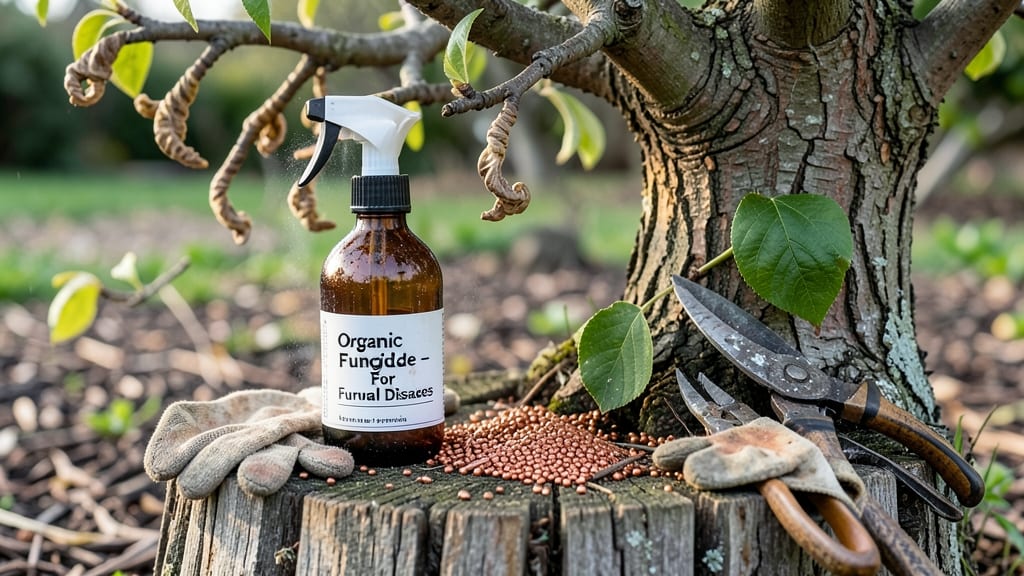
That twisted, puckered leaf fungus on your peach tree—specifically, the peach tree curly leaf fungus—and copper spray is your fastest weapon against it. 🌿 I’ve seen this fungus turn lush peach leaves into crinkled messes, but with the right approach, you can stop it before it spreads to the whole tree.
The culprit is Taphrina deformans, a fungus that thrives in damp, humid conditions. You’ll spot it as leaves curl, thicken, and turn yellow or red—often starting in spring. Pruning infected branches early and improving airflow around the tree can cut down on spores before they take hold.
Copper fungicide spray is your fastest cure—apply it during the dormant season or at the first sign of symptoms. For severe cases, repeat every 2-3 weeks until new growth appears. The key is acting early; once the fungus sets in, recovery takes patience and consistent care.
Even after treatment, keep an eye out for new symptoms. Healthy trees fight back better, so focus on proper watering, mulching, and avoiding overhead irrigation. With the right steps, your peach tree can bounce back—and next season’s harvest will thank you.
Root Causes Of Leaf Distortion
When your peach tree’s leaves start curling, twisting, or developing unsightly bumps, it’s often a sign of Taphrina deformans—the fungus behind peach tree curly leaf disease. While the symptoms are visually striking, the real culprits lie in a mix of environmental stress, fungal biology, and tree physiology.
Understanding these triggers helps you take targeted action to protect your tree. Here’s why this fungal infection takes hold:
The Taphrina deformans fungus thrives in specific conditions that turn your peach tree into a perfect host. Unlike many plant pathogens, this fungus doesn’t survive long in soil or debris—it relies on active peach trees to complete its life cycle. Here’s how it spreads:
- Spores in the air: The fungus overwinters on infected buds or leaves, then releases spores in spring when temperatures rise. These spores are lightweight and windborne, easily hitching rides to healthy trees.
- Warm, wet springs: Ideal conditions for spore germination are 50–70°F (10–21°C) with high humidity or frequent rain. If your region has a soggy spring, expect more severe outbreaks.
- Young, vulnerable leaves: New growth in early spring is highly susceptible because the leaves lack the protective wax coating of mature foliage.
Pro Tip: 🌡️ Monitor your local weather forecasts. If spring brings consistent rain followed by warm days, it’s prime time for fungal spores to take hold.
A healthy peach tree can resist fungal infections better than a stressed one. When your tree is weakened, it becomes an open invitation for Taphrina deformans. Common stressors include:
- Nutrient deficiencies: Low nitrogen, phosphorus, or potassium weakens leaves, making them easier targets. Yellowing leaves or stunted growth are red flags.
- Water stress: Overwatering (leading to root rot) or drought (causing wilting) both compromise the tree’s defenses. The fungus exploits these vulnerabilities.
- Physical damage: Pruning wounds, hail, or pest damage (like from peach tree borers) create entry points for spores.
- Poor air circulation: Dense foliage or overcrowded orchards trap moisture, creating a fungal-friendly microclimate.
Actionable Fix: ✨ Conduct a simple soil test to check nutrient levels. If your tree is deficient, amend the soil with balanced fertilizer (10-10-10) in early spring before bud break.
The peach tree curly leaf fungus has a two-phase life cycle that syncs with the tree’s growth patterns:
- Dormant phase (winter): The fungus survives in infected buds or leaf litter as mycelium (a network of thread-like strands).
- Active phase (spring): When buds swell, the fungus invades new leaves, causing them to curl and thicken. This distortion traps moisture, creating a perfect environment for spore production.
- Spore release (late spring): The fungus produces asci (spore sacs) on the undersides of curled leaves, releasing spores to infect nearby trees.
Key Insight: The fungus doesn’t spread through soil—it’s a leaf-to-leaf pathogen. This means removing infected leaves early can break the cycle before spores mature.
By addressing these root causes—spore exposure, tree stress, and fungal biology—you can disrupt the disease’s progression. The next step? Learn how to stop it in its tracks with copper sprays and cultural fixes.
How to Fix Curly Leaf Issues
Now that you understand why your peach tree’s leaves are curling and turning unsightly, it’s time to take action! The good news is that with the right approach, you can restore your tree’s health and prevent future outbreaks.
Below, we’ve mapped out practical, step-by-step solutions based on the most common causes—fungal infections, environmental stress, or pest infestations—along with prevention tips to keep your tree thriving.
If curly leaves are paired with yellowing, brown spots, or powdery growth, a fungal infection like peach leaf curl is likely the culprit. Act fast with these steps:
🍳 Step 1: Apply Copper Fungicide (Best Defense)
Copper-based sprays are highly effective against fungal spores and disrupt their life cycle. Here’s how to use them properly: - Timing is critical: Spray before buds swell in late winter or early spring (dormant season).
A second application 4–6 weeks later ensures full coverage. - Mix it right: Use a ready-to-use copper fungicide (like copper sulfate or copper hydroxide) or a homemade spray (1 tsp copper sulfate + 1 gallon water + a drop of dish soap as a surfactant). - Cover every inch: Focus on new growth, buds, and the undersides of leaves.
Use a hose-end sprayer for even distribution. - Reapply after rain: Fungicides wash off with heavy rain, so respray within 7–10 days if needed.
✨ Pro Tip: Avoid spraying when temperatures exceed 85°F (29°C)—copper can burn leaves in extreme heat.
👨🍳 Step 2: Prune Infected Branches
- Remove severely curled or spotted leaves/branches with sterilized pruners (wipe with rubbing alcohol between cuts).
- Dispose of debris in the trash (not compost)—fungal spores can survive in organic matter.
- Thin out dense foliage to improve airflow, reducing humidity (a fungal favorite).
🥘 Step 3: Clean Up Debris
- Rake and remove fallen leaves from under the tree.
- Sanitize tools after pruning to prevent spreading spores to other plants.
If curls appear suddenly with no spots and your tree is in a hot, dry, or windy area, it’s likely suffering from water stress or poor soil health. Here’s how to revive it:
💧 Step 1: Adjust Watering Habits
- Deep watering is key: Water slowly and deeply (1–2 inches per week) to encourage deep root growth.
Avoid shallow, frequent watering, which stresses roots. - Mulch properly: Apply 2–3 inches of organic mulch (wood chips, straw) around the base (but keep it 6 inches away from the trunk). - Water in the morning: This reduces evaporation and prevents fungal growth from overnight moisture.
🌱 Step 2: Improve Soil Health
- Test your soil: Use a DIY soil test kit to check pH (ideal: 6.0–7.0 for peach trees) and nutrient levels.
- Amend the soil if needed:
- Low organic matter? Mix in compost or aged manure.
- Compacted soil? Loosen the top 6 inches with a garden fork.
- Fertilize lightly: Use a balanced, slow-release fertilizer (10-10-10) in early spring—avoid over-fertilizing, which can burn roots.
If you spot tiny webs, chewed leaves, or sticky residue, pests like aphids, mites, or scale insects could be the culprits. Here’s how to tackle them:
🔪 Step 1: Identify the Pest
- Aphids: Tiny green/black bugs clustered on new growth.
- Spider mites: Fine webbing on leaf undersides (leaves may look bronzed or stippled).
- Scale insects: Bumpy, shell-like pests on branches.
⏰ Step 2: Apply Natural or Chemical Controls
- For aphids/mites:
- Blast them off with a strong spray of water (repeat every 3–4 days).
- Neem oil spray: Mix 1 tbsp neem oil + 1 tsp mild soap + 1 quart water.
Spray every 5–7 days until gone. - For scale insects: - Prune and burn heavily infested branches. - Horticultural oil: Apply in dormant season (follow label instructions).
Once your tree recovers, keep it strong with these proactive steps:
- ✅ Plant in the right spot: Choose a location with full sun (6+ hours/day) and good drainage.
- ✅ Space trees properly: Allow 15–20 feet between peach trees for airflow.
- ✅ Monitor regularly: Check leaves weekly for early signs of stress or pests.
- ✅ Rotate fungicides: If you use copper sprays yearly, alternate with baking soda spray (1 tbsp baking soda + 1 tsp oil + 1 gallon water) to prevent resistance.
- ✅ Avoid overhead watering: Use drip irrigation or soaker hoses to keep foliage dry.
By following these targeted solutions, your peach tree should bounce back within a few weeks to a season. The key is acting early—whether it’s a fungal spray, soil adjustment, or pest control.
With a little TLC, your tree will be back to producing luscious, disease-free leaves (and peaches!) in no time. 🍑🌿
Frequently asked questions
What does peach tree curly leaf fungus look like?
This fungus causes leaves to curl, thicken, and develop a wart-like texture on the upper surface. The undersides often show powdery white or yellow spots, and infected leaves may turn red or brown. Look for these symptoms in spring when new growth emerges.
Can copper spray harm my peach tree if used incorrectly?
Copper can burn leaves if applied when temperatures exceed 85°F (29°C) or if the concentration is too strong. Always follow label instructions and avoid spraying during peak sunlight. Dilute homemade mixes carefully (1 tsp copper sulfate per gallon of water).
How often should I prune infected branches?
Remove severely infected branches immediately when you spot symptoms, but avoid heavy pruning during active growth. Focus on 20-30% of the canopy per season to maintain tree health. Sterilize tools between cuts to prevent spreading spores.
Will my peaches still be safe to eat if the tree has curly leaf fungus?
While the fungus primarily affects leaves, it doesn't typically infect the fruit itself. However, severely infected trees may produce smaller yields. Harvest peaches when fully ripe and wash them thoroughly before eating to remove any potential residue from treatments.
Can I use baking soda spray instead of copper?
Yes! A baking soda spray (1 tbsp baking soda + 1 tsp oil + 1 gallon water) is a gentle alternative. It's especially useful for preventive applications during growing season. For severe infections, copper remains more effective, but rotating treatments helps prevent resistance.