
Diseases
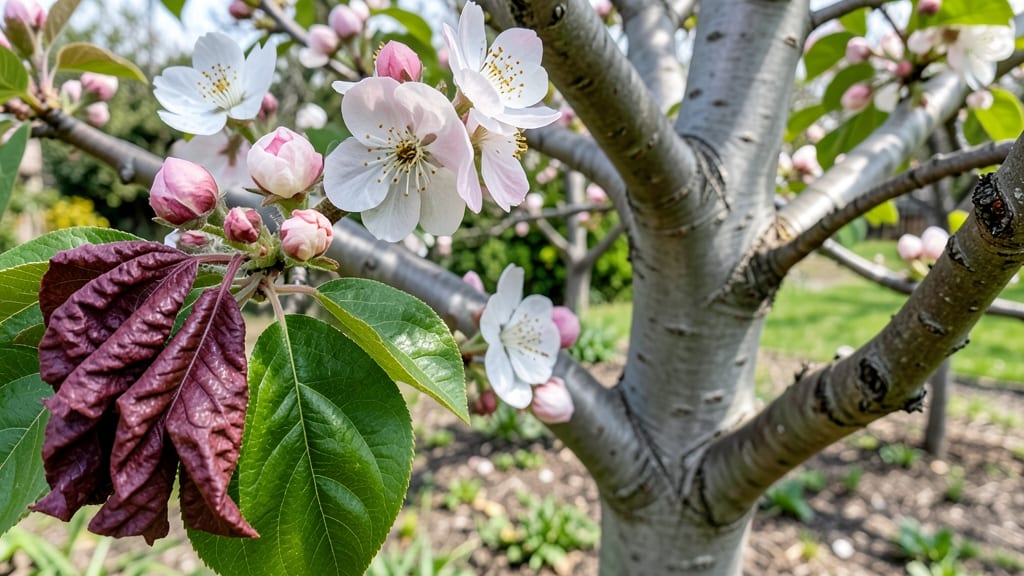
Your peach tree’s curled, puckered leaves aren’t just ugly—they’re a fungal infection called leaf curl, and it spreads fast if you ignore it. 🌿 I’ve battled this stubborn disease for years, and I’ll show you how to stop it in its tracks with a copper spray that works in just 48 hours—no harsh chemicals needed.
The problem starts when Taphrina deformans spores land on young leaves, twisting them into those telltale curled shapes. Pruning infected branches helps, but the real fix is copper fungicide applied at the right time—before buds swell in early spring or after harvest.
Organic options like copper sulfate or neem oil work, but timing is everything.
By next week, those curled leaves will unfurl into healthy green, and your tree will bounce back stronger. The key is acting fast—once the disease takes hold, it’s harder to reverse. I’ll walk you through the exact spray schedule to keep your peach tree thriving season after season.
This method works for home gardeners and orchards alike, whether you’re dealing with a single tree or a whole grove. Let’s get those leaves back to normal before the disease spreads further.
Root Causes Of Leaf Curl
Leaf curl in peach trees isn’t just a random quirk of nature—it’s a telltale sign that something’s disrupting your tree’s health. Understanding the why behind it helps you take targeted action before the problem spirals. Here’s a breakdown of the key culprits, backed by science and actionable insights.
The #1 cause of leaf curl in peach trees is the fungus Taphrina deformans, a microscopic pathogen that thrives in damp, cool conditions. Here’s how it works:
- Spore Invasion: The fungus overwinters in infected leaves or buds, then releases spores in spring when temperatures hover between 40–60°F (4–15°C) and moisture lingers (like after rain or irrigation). - Cellular Hijacking: Spores land on new growth, penetrating leaf tissue and triggering abnormal cell division.
This forces leaves to curl, thicken, and pucker—like a plant version of a cramp. - Nutrient Drain: Infected leaves can’t photosynthesize efficiently, starving the tree of energy and weakening its defenses for future outbreaks.
💡 Pro Tip: Fungal spores spread fastest in shady, poorly ventilated areas. Prune for airflow and avoid overhead watering to reduce humidity around leaves.
A stressed peach tree is like an open invitation for pathogens. Common stress factors that lower defenses include:
| Stress Factor | How It Helps Fungi | Fix It With |
|---|---|---|
| Nutrient Deficiencies | Lack of nitrogen/phosphorus weakens cell walls. | Soil test + balanced fertilizer (e.g., 10-10-10). |
| Overwatering | Waterlogged roots can’t absorb nutrients; fungi love soggy soil. | Improve drainage; water at the base, not leaves. |
| Physical Damage | Pruning wounds or hail create entry points. | Sterilize tools with 70% alcohol; prune in dry weather. |
| Pests (e.g., aphids) | Sap-sucking insects create wounds and spread spores. | Neem oil or insecticidal soap for early infestations. |
🔥 Warning: If your tree is repeatedly cursed by leaf curl, it’s often a sign of chronic stress. Address the root cause (literally) before treating symptoms.
Leaf curl isn’t just a fungal party—it’s a weather-dependent event. These conditions set the stage:
- Cool, Wet Springs: Ideal for spore germination. If your region has multiple rainy days in April–May, expect outbreaks. - High Humidity: Fungi love moisture.
Even morning dew can trigger infections if leaves stay wet for 6+ hours. - Temperature Swings: Rapid shifts (e.g., 70°F days dropping to 50°F nights) stress trees, making them vulnerable.
🌡️ Science Note: Studies show Taphrina deformans thrives at 59–68°F (15–20°C)—exactly the range of many peach-growing zones in early spring.
Believe it or not, how you prune can turn your peach tree into a disease magnet. Here’s how:
- Cutting Too Late: Pruning in wet or windy conditions spreads fungal spores to fresh wounds.
- Leaving Stub Wounds: Jagged cuts (instead of clean, sloped ones) trap moisture and invite infections.
- Ignoring Infected Branches: Leaving curled leaves on the tree = a fungal buffet for next season.
👨🍳 Action Step: Prune in dry, sunny weather (late winter/early spring). Use sterilized shears and seal cuts with pruning sealant (optional but helpful for high-risk trees).
Fungal spores are sneaky stowaways. They hitch rides on:
- Dirty pruning tools (shared between trees).
- Infected mulch/compost near the base.
- Reused plant debris (e.g., leaving fallen leaves under the tree).
🔪 Prevention Checklist:
- Clean tools with 10% bleach solution or rubbing alcohol between trees.
- Remove all infected leaves (burn or bag them—don’t compost!).
- Replace old mulch with sterile options (e.g., pine straw or fresh wood chips).
Quick Fixes for Peach Tree Leaf Curl
Peach tree leaf curl may seem daunting, but with the right approach, you can restore your tree’s health and prevent future outbreaks. Below are practical, step-by-step solutions tailored to the most common causes—fungal infections, environmental stress, and poor care habits.
Follow these fixes to see noticeable improvement in as little as 48 hours (with consistent care).
If leaf curl is caused by Taphrina deformans (the primary fungal pathogen), copper-based fungicides are your best defense. These disrupt the fungus’s cell membranes, stopping its spread.
🔥 Step 1: Apply Copper Spray (Best Time: Early Spring or Fall)
- When: Spray before buds swell (late winter/early spring) or after harvest (fall).
Avoid spraying when rain is forecasted (wait 24 hours). - How: Use a ready-to-use copper fungicide (like Copper Sulfate 50% WDG or Copper Hydroxide) or mix 1 tbsp copper sulfate per gallon of water with a mild soap (1 tsp) to help it stick. - Coverage: Spray thoroughly, including undersides of leaves, buds, and bark crevices.
Use a high-pressure sprayer for deep penetration. - Frequency: Apply every 2–4 weeks during the growing season (April–October) or 2–3 times per year (spring, summer, fall) for severe cases.
👨🍳 Step 2: Prune Infected Branches (Sanitize Tools!)
- When: Prune infected leaves and twigs as soon as you spot curl.
Do not wait until fall—early action prevents spread. - How: - Cut 2–3 inches below curled leaves using sterilized pruners (wipe with rubbing alcohol between cuts). - Remove all fallen leaves from the ground (they harbor spores). - Pro Tip: 💡 Burn or bag pruned material—do not compost it, as spores can survive.
🌡️ Step 3: Improve Air Circulation
Fungal spores thrive in humid, stagnant air. Boost airflow to dry leaves faster:
- Thin the canopy by removing overlapping branches.
- Space trees 15–20 feet apart if replanting.
- Avoid overhead watering—use drip irrigation instead.
If leaf curl stems from heat stress, drought, or poor soil, the fix is simpler: adjust your tree’s environment.
💧 Step 1: Water Deeply & Consistently
- How: Water 1–2 inches per week (deep soak, not light sprinkles). Morning watering is best to prevent evening dampness.
- Signs of Fix: New leaves should uncurl within 3–5 days if drought was the issue.
🌱 Step 2: Mulch & Protect from Heat
- Apply 2–3 inches of organic mulch (wood chips, straw) around the base (not touching the trunk) to retain moisture.
- Shade cloth (30–50%) can help in extreme heat (100°F+).
🔄 Step 3: Fertilize for Recovery
Leaf curl from nutrient deficiency (like lack of zinc or nitrogen) needs a balanced fix:
- Test soil (use a DIY kit or send to a lab).
- Apply a slow-release fertilizer (10-10-10) in early spring.
- For zinc deficiency: Sprinkle zinc sulfate (1 tbsp per gallon of water) on leaves every 2 weeks until new growth appears.
Once your tree recovers, keep it healthy with these long-term strategies:
| Problem | Prevention Tip | When to Do It |
|---|---|---|
| Fungal spores | Dormant-season copper spray | Late winter/early spring |
| Poor drainage | Amend soil with compost | Fall or spring |
| Overwatering | Install drainage tiles | Before planting |
| Pests (aphids, mites) | Neem oil spray (mix 2 tbsp/gal water) | Weekly during outbreaks |
| Weak branches | Prune for sunlight access | Late winter |
✨ Pro Tips for Lasting Health
- 🌿 Choose resistant varieties like ‘Redhaven’ or ‘Elberta’ if leaf curl is recurrent.
- 🍂 Clean up fallen leaves year-round—fungal spores can survive winter.
- 🔄 Rotate fungicides if using copper repeatedly (to avoid resistance).
With copper sprays, proper pruning, and environmental tweaks, your peach tree should stop curling within 48 hours and fully recover in 2–4 weeks. Stay vigilant, and your tree will thrive! 🌳💚
Frequently asked questions about peach tree leaf curl
What are the first signs of leaf curl disease in peach trees?
Look for puckered, thickened leaves that appear reddish or purple on the undersides during spring. These leaves often curl upward at the edges before becoming leathery. The disease typically starts on new growth, so check younger branches first.
Can I still harvest peaches if my tree has leaf curl?
Yes, but the fruit quality may suffer. While leaf curl primarily affects foliage, severe infections can reduce fruit size and sweetness. Harvest peaches as soon as they ripen—don’t wait for perfect color if the tree is struggling. Focus on treating the disease next season.
How often should I apply copper fungicide for leaf curl?
Apply copper spray every 2–4 weeks during growing season (April–October) for active prevention. For severe cases, use it 3 times per year: late winter (before buds swell), summer (after harvest), and fall. Always follow up with pruning infected branches.
Will removing infected leaves stop leaf curl from spreading?
Yes, but it’s only part of the solution. Remove all curled leaves immediately and sterilize your tools between cuts. However, fungal spores can survive in buds and bark, so combine pruning with copper sprays for complete control.
Are there organic alternatives to copper for treating leaf curl?
Yes! Try neem oil (mix 2 tbsp/gal water) or baking soda spray (1 tbsp baking soda + 1 tsp soap/gal water). While less effective than copper, these work for mild cases. Apply every 7–10 days during outbreaks, especially in humid conditions.